Roofing Work on Listed and Conservation Area Homes in Chester: Rules, Materials and Costs
Chester has more than 600 listed buildings and a conservation area that covers most of the walled city plus large parts of Handbridge, Boughton and Curzon Park. Around one in twelve homes in the wider Chester area sits inside a designated area or carries a listing, which is roughly four times the national average. That changes roof work fundamentally. A repair that would be a two-day job on a 1970s estate becomes a consent application, a materials specification and a conservation officer conversation. Heritage roofing in Chester typically carries a 40% to 90% premium over standard work, and getting it wrong can mean an enforcement notice requiring the work to be undone at your cost. Here is how the rules actually apply.
Listed Building or Conservation Area? They Are Not the Same
The two designations get used interchangeably and they are entirely different in what they require.

A conservation area is a designated place with special architectural or historic interest. Inside one, permitted development rights are reduced but ordinary repairs to a roof are generally not consented work. Replacing like for like - the same slate, the same profile, the same colour - normally needs nothing. Changing the material, adding rooflights to a front elevation, or altering the roof shape usually does.
A listed building is protected in its own right, inside and out, and the protection covers the whole structure including the roof timbers, the covering, and often the chimneys. Any work that affects its character as a building of special interest needs listed building consent. That includes work that would be pure repair on an unlisted house, if it changes the material or the detailing.
The critical difference: doing unauthorised work in a conservation area is usually a planning breach. Doing it to a listed building is a criminal offence, carrying an unlimited fine. If you are unsure which applies to your property, Chester Roofers & Contractors can check the designation before quoting, and it is worth confirming before any scaffolding goes up.
What Needs Consent, and What Does Not
For a Grade II listed house in Chester, roof work needing listed building consent typically includes: changing from natural slate to concrete or artificial slate, altering the pitch or profile, adding or enlarging dormers, inserting rooflights, removing or reducing chimney stacks, replacing lead with a modern alternative, and changing rainwater goods from cast iron to plastic.

Work that usually does not need consent: like-for-like replacement of individual damaged slates with matching material, repointing ridge in matching lime mortar, clearing gutters, and repairing lead flashing in lead.
In a conservation area on an unlisted house, the list is much shorter. Front-elevation rooflights and dormers, and any change of material visible from the highway, are the main triggers. Rear-elevation work is often permitted development, though Cheshire West and Chester Council has Article 4 directions in place in some parts of the city that remove even that.
The Pre-Application Conversation Is Free and Worth Having
Cheshire West and Chester offers pre-application advice, and conservation officers will generally discuss a scheme informally before you spend money on drawings. A twenty-minute conversation about whether conservation rooflights will be accepted on a rear slope saves a rejected application and eight weeks. Roughly a third of heritage applications that get refused would have been approved with a change that the officer would have suggested up front.
Materials: What Chester Conservation Officers Expect
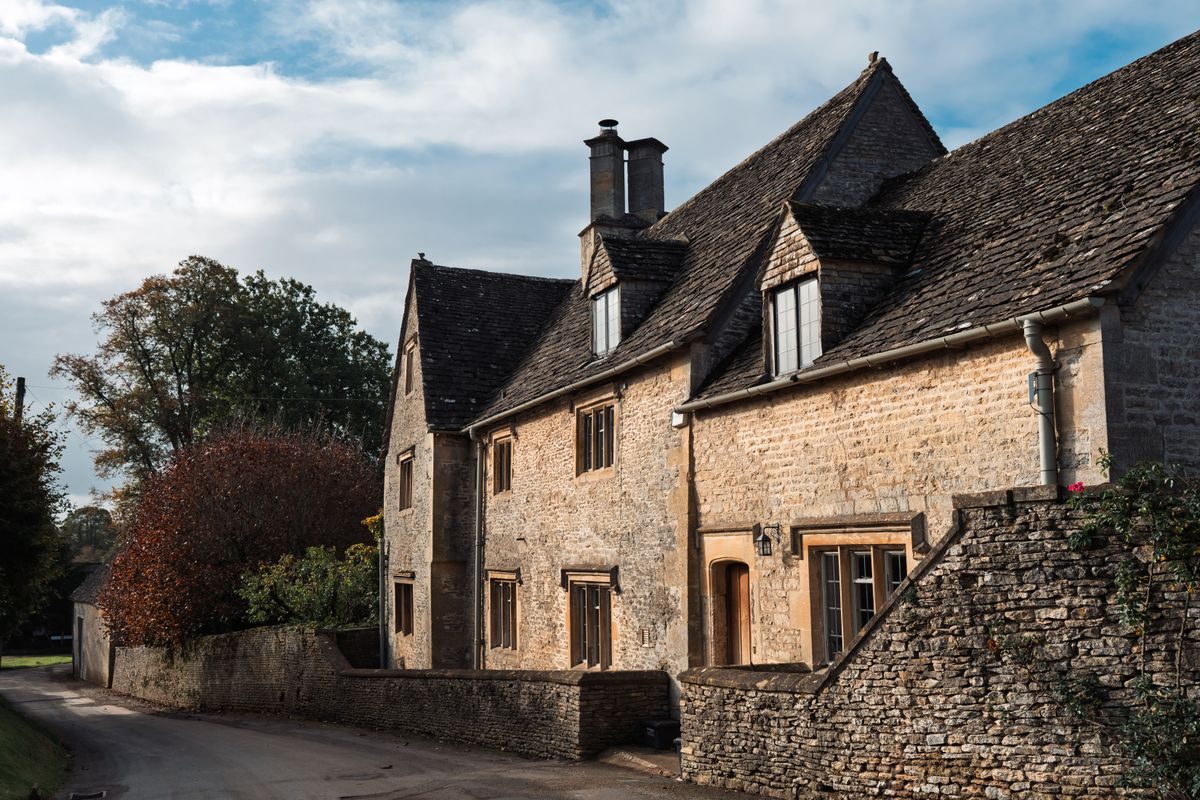
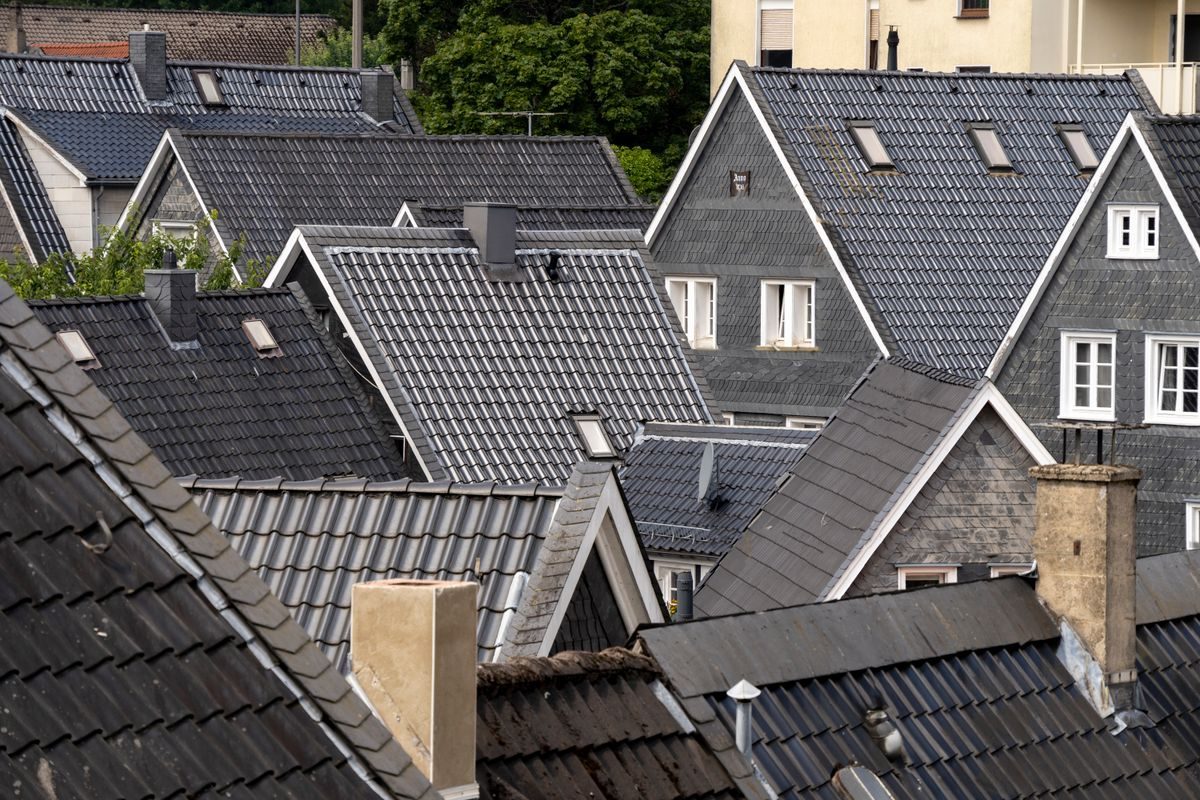
Chester's historic roofscape is dominated by two coverings - Welsh slate and clay plain tile - with lead and cast iron making up the details. That is what a conservation officer is working to preserve.

Welsh slate is the default on the Georgian and Victorian stock across the city centre, Queen's Park and Curzon Park. New Welsh slate costs £2.20 to £4.50 per slate depending on size and quarry, against 90p to £1.80 for Spanish slate and 60p to £1.30 for a fibre cement imitation. Spanish slate is sometimes accepted on rear elevations of unlisted conservation area properties; it is very rarely accepted on a listed roof visible from anywhere public.
Reclaimed Welsh slate is often the preferred answer for listed work because it matches the weathering of what is already there. It costs £1.80 to £3.80 per slate, supply is patchy, and quality varies - a good roofer will sort and grade a delivery and expect to reject 10 to 20% of it.
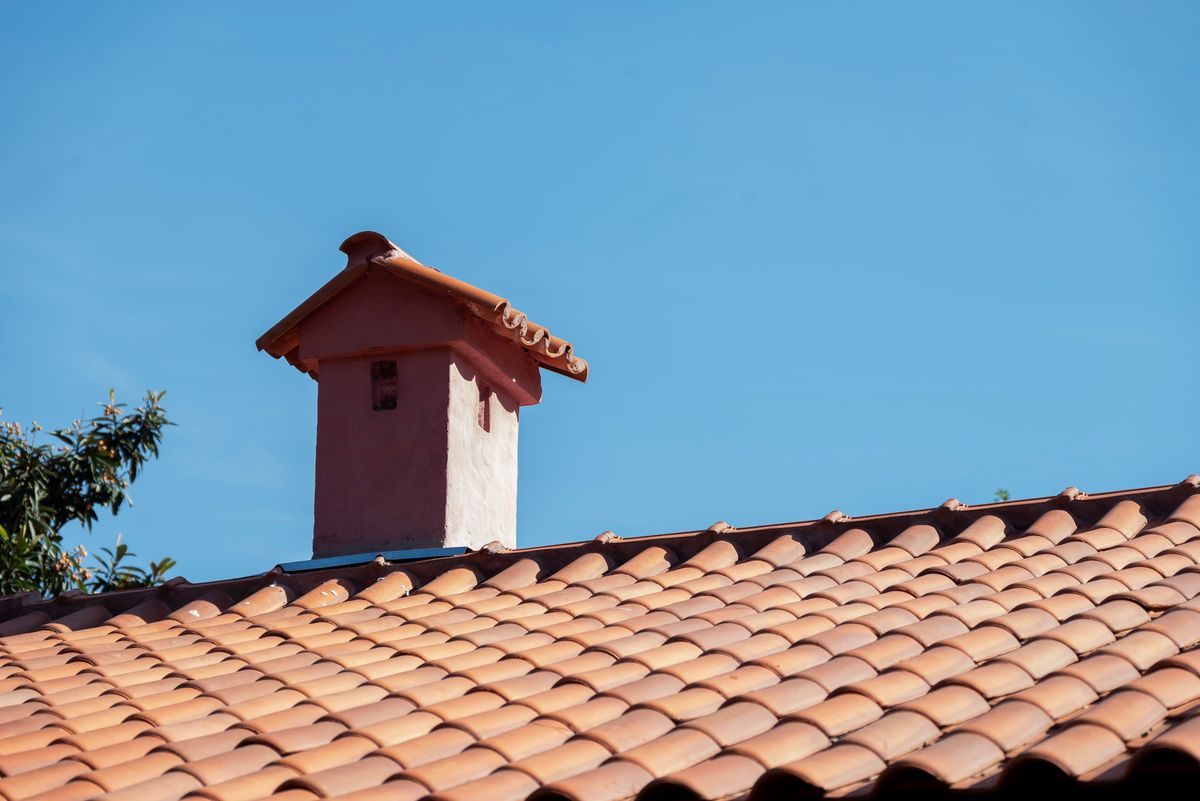
Clay plain tiles appear widely on the Tudor revival and Arts and Crafts stock. Hand-made clay tiles cost £1.30 to £2.80 each against 55p to £1.10 for machine-made. On a listed building the hand-made version is usually specified because the slight irregularity is part of the character.
What the Heritage Premium Actually Costs
Real numbers for a mid-terrace Georgian house in the Chester conservation area, roughly 60 square metres of roof.
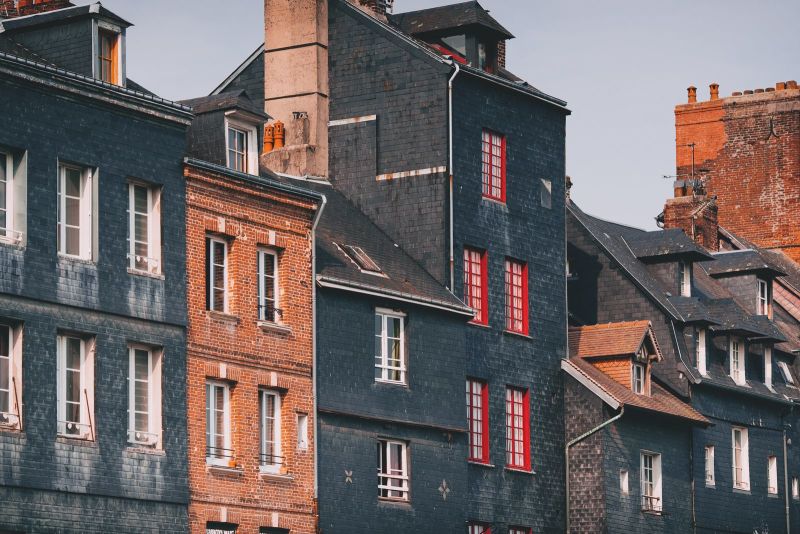
A standard re-roof in concrete interlocking tiles on an unlisted 1970s house of the same size would run £6,500 to £9,000. The same area in new Welsh slate with lead valleys, lime-bedded ridge, and cast iron rainwater goods lands £14,000 to £22,000. Reclaimed slate on a listed property with hand-sorted material, traditional nailing and a conservation officer inspection sits £16,000 to £26,000.
The premium breaks down roughly as: materials 45%, additional labour 30%, scaffolding and access 15%, and consent, drawings and professional fees 10%. That last category is easy to underestimate - listed building consent applications for a domestic roof typically cost £600 to £2,000 in drawings and a heritage statement, on top of the application itself.
Lead Is Where Budgets Break
Chester's older roofs carry a lot of lead - valleys, gutters, chimney soakers, bay roofs. Lead sheet costs roughly £3,200 to £4,000 per tonne, and a single Code 5 valley on a terrace can use 90 to 140 kg. A leadworker's day rate runs £280 to £420. Replacing all the leadwork on a Georgian terrace roof frequently adds £4,000 to £9,000 on its own, and substituting GRP or a lead-effect membrane will almost always be refused on a listed building.
Insulation, Regulations and the Heritage Exemption
Re-roofing more than 25% of a roof surface triggers a requirement under Approved Document L to upgrade the thermal performance where it is technically, functionally and economically feasible.

For a listed building or one in a conservation area there is a specific relaxation: the requirement does not apply where compliance would unacceptably alter the character or appearance of the building. That exemption is real, but it is not automatic, and building control will expect a reasoned case rather than an assertion.
In practice most Chester heritage roofs can take some improvement without harm. Insulating at ceiling level rather than at rafter level avoids raising the roof line. Where rafter-level insulation is needed for a room in the roof, a breathable woodfibre or sheep's wool build-up keeps the moisture behaviour of the original construction intact, which matters enormously on a solid-wall building. Sealed foam boards against old timber in a lime-based structure cause rot, and conservation officers know it.
Practical Sequence for a Chester Heritage Roof Project
Start with the designation. Check whether the property is listed and at what grade, and whether it sits inside the conservation area or under an Article 4 direction. Both are searchable on the council's planning pages and on the national heritage list.

Get a condition survey before you get quotes. A heritage roof survey in Chester costs £350 to £750 and tells you what actually needs doing, which stops you paying for a full re-roof when three elevations are sound.
Then take the survey to a pre-application conversation, get the specification agreed in principle, and only then commission drawings and apply. Consent takes eight weeks as a target and often longer where the conservation officer wants amendments.
Choose the contractor on heritage experience specifically, not general roofing competence. Ask which listed buildings they have worked on in Chester, ask to see photographs of lead detailing rather than finished roofs from the ground, and check membership of a body such as the National Federation of Roofing Contractors, which operates a heritage roofing register. We cover the wider vetting process in our guide to roof repairs on period properties in Tarporley, where similar material-matching issues apply on rural Cheshire stock.
Frequently Asked Questions
Do I need permission to repair the roof of a listed building in Chester?
Like-for-like repairs using matching materials generally do not need listed building consent. Anything that changes the material, profile, pitch or detailing does, including swapping natural slate for artificial, adding rooflights, or replacing lead with a modern alternative. Unauthorised work on a listed building is a criminal offence, so check before starting.

Can I use Spanish slate instead of Welsh slate in a Chester conservation area?
Sometimes on rear elevations of unlisted properties, if it is not visible from public views and the council has no Article 4 direction in place. It is rarely accepted on listed buildings or on any elevation facing the highway. Confirm with a conservation officer before ordering.
How much more does heritage roofing cost in Chester?
Typically 40% to 90% more than standard work. A 60 square metre re-roof in concrete tiles on an unlisted house runs £6,500 to £9,000, while the same area in new Welsh slate with lead valleys and cast iron goods lands £14,000 to £22,000. Reclaimed slate on a listed property can reach £26,000.
Do listed buildings have to meet insulation requirements when re-roofed?
Not fully. Approved Document L includes a relaxation where compliance would unacceptably alter the character or appearance of a historic building, but you need a reasoned case rather than a blanket claim. Most Chester heritage roofs can accept ceiling-level insulation, or breathable woodfibre at rafter level, without harm.
Ready to work with Chester Roofers & Contractors?
Let's connect! We’re here to help.
Send us a message and we’ll be in touch.
Or give us a call today at 01244 740253
Agency Contact Form
More Marketing Tips, Tricks & Tools
Chester Roofers & Contractors