Storm Damage Roof Repairs in Chester: What Insurance Covers, What It Doesn't, and What to Do First
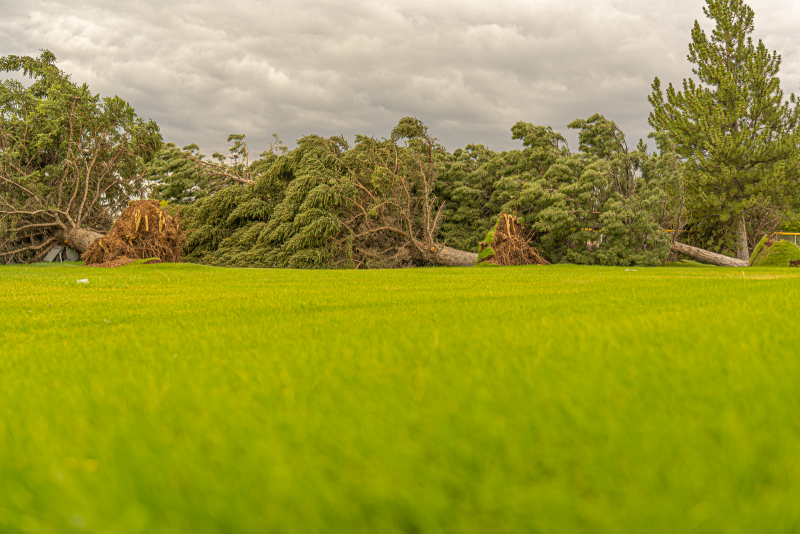
The morning after a storm, the phone starts at about half six. Someone in Hoole with three ridge tiles in the front garden, someone in Handbridge with a wet patch spreading across a bedroom ceiling, someone in Upton who has just found their neighbour's fence panel wedged in their guttering. Chester sits on the Cheshire Plain with almost nothing between it and the Irish Sea, so when a named storm tracks in from the west the wind arrives with very little to slow it down. The Met Office has named 10 to 13 storms in most recent seasons, and the Association of British Insurers has reported storm and flood payouts running above £100 million per quarter in bad years. Roof damage is the largest single category. Here is what to do in the first day, what your policy will and will not pay for, and what the repairs actually cost.
The First 24 Hours: What to Do Before Anyone Climbs Anything
Get everyone out from under the affected area and turn off the electrics to that part of the house if water is coming through a ceiling. A saturated plasterboard ceiling can come down without much warning, and it comes down heavy.
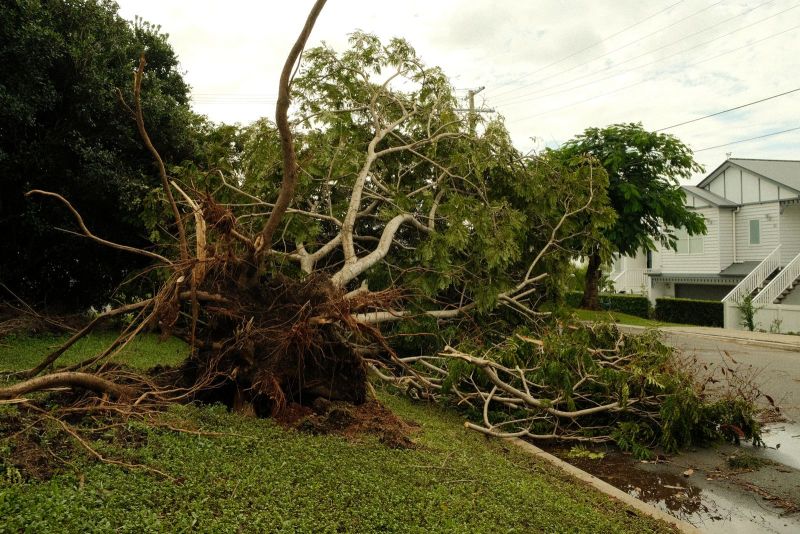
Then take photographs. Lots of them, from the ground, before anything is touched or tidied. Insurers reject more claims for lack of evidence than for anything else. Photograph the debris where it fell, the wet ceiling, the water in the bucket, the damaged contents, and the outside of the house from three or four angles. Timestamp them by leaving the metadata alone rather than screenshotting.
Do not get on the roof. Not the morning after, not with a ladder from the garage, not "just to have a look". More people are hurt in the clear-up than in the storm itself, and a slipped slate is an unstable slate. If water is actively coming in, a temporary sheet or a tarpaulin fixed by someone with the right equipment is a reasonable emergency measure, and it is exactly what insurers expect you to arrange. You can call us for a same-day make-safe through the Chester Roofers and Contractors website.
What Home Insurance Actually Covers
Standard buildings insurance covers storm damage. The argument is almost never about whether storm damage is covered. It is about whether what happened counts as storm damage.
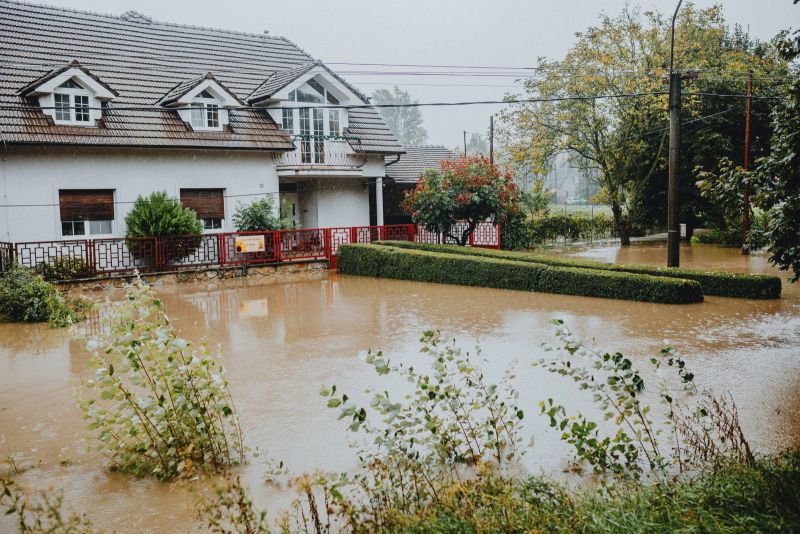
Insurers generally apply a three-part test. Was there a storm, usually defined by wind gusts above roughly 47 to 55mph or exceptional rain or snow? Is the damage consistent with that storm? And was the building in reasonable condition beforehand?
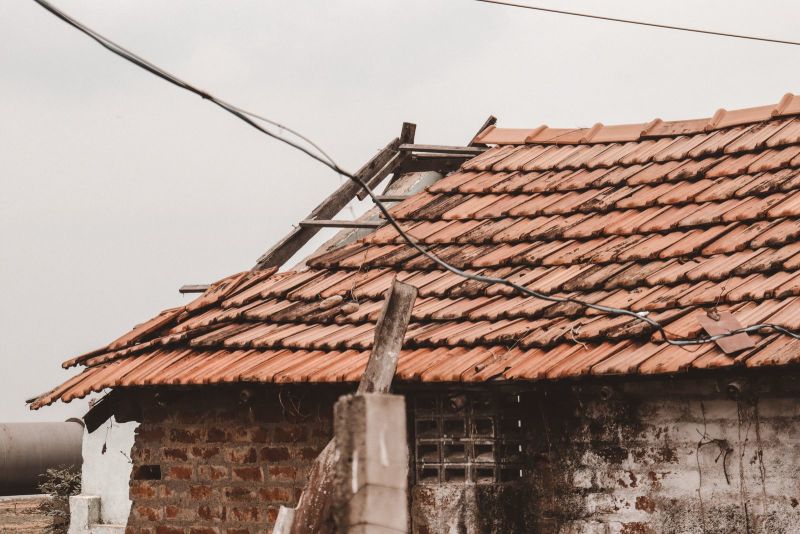
The third one is where claims die. If the assessor finds a roof with widespread failed nail fixings, perished mortar bedding along the ridge, or slates that have been slipping for years, the finding is "wear and tear" or "gradual deterioration", and both are excluded on every mainstream policy. It is not the insurer being difficult. Those exclusions are printed in every policy document sold in the UK.
Typical excesses on buildings cover run £250 to £500, with some policies applying a higher storm-specific excess. Below about £600 of damage it is usually not worth claiming at all once you factor in the effect on your premium at renewal.
What Gets Excluded, and Why Chester Roofs Fail the Test
Two exclusions catch people out here more than anywhere else.
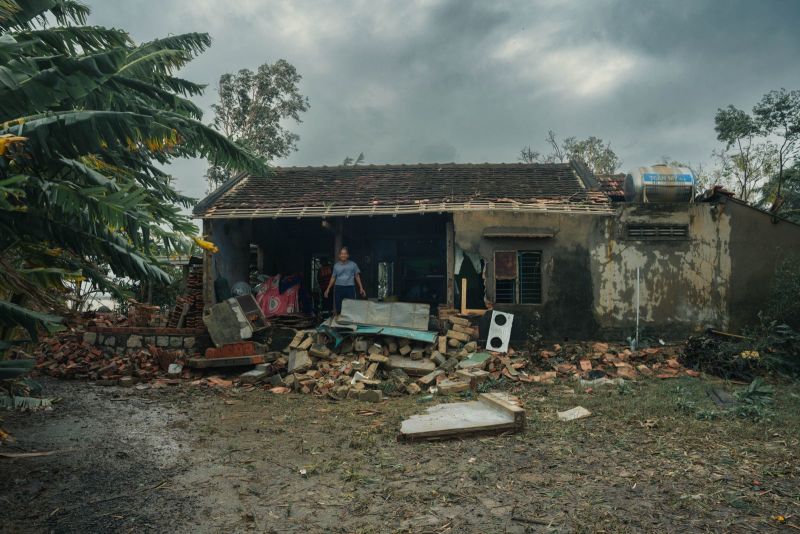
The first is fences, gates and outbuildings, which are excluded or limited under a large number of policies. The second is loose or previously damaged items. If a ridge tile was already sitting proud on failed mortar, the wind did not cause the damage, it revealed it.
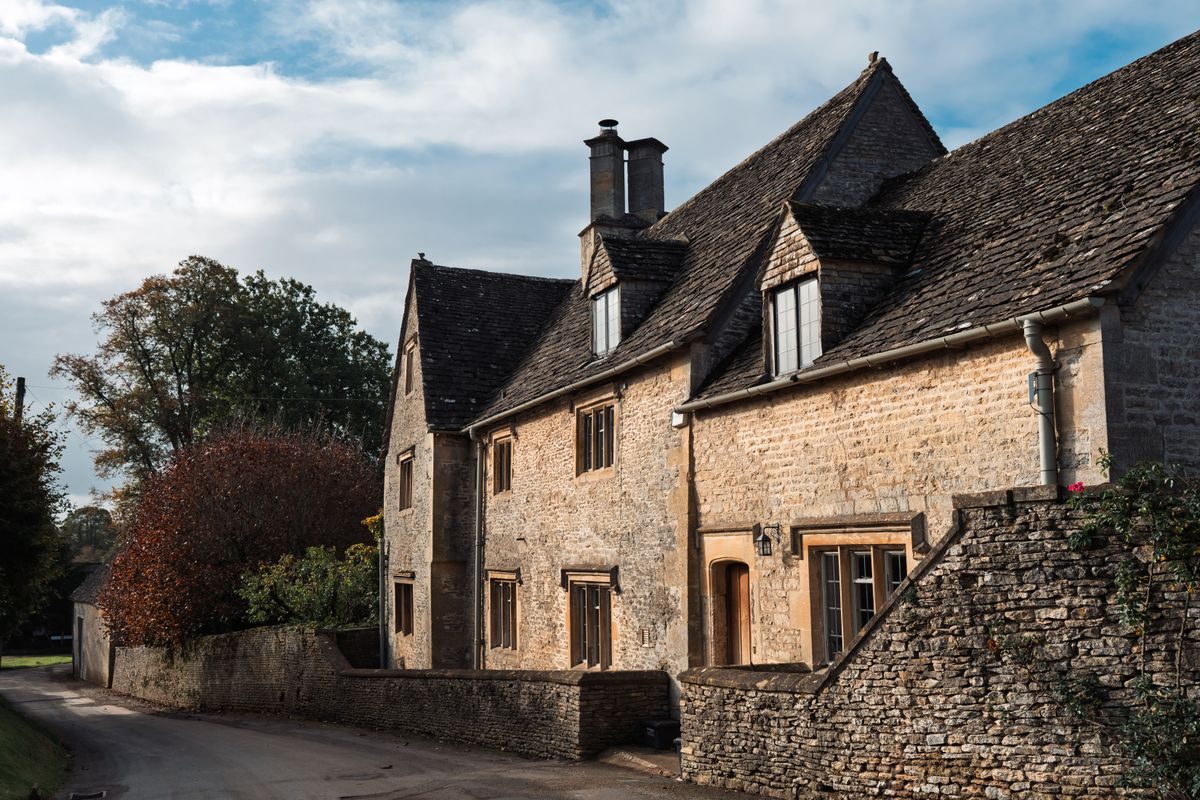
Chester has a lot of Victorian and Edwardian housing stock, particularly through Hoole, Boughton, Garden Quarter and Handbridge, and much of it still carries original or early-replacement Welsh slate on nails that are well past a hundred years old. Nail sickness is the local classic. The slates themselves are often perfectly sound - Welsh slate will outlive most of us - but the iron nails corrode, and the slates start letting go one at a time. Insurers treat that as a maintenance issue, because it is.
The practical lesson is that a roof survey with dated photographs, done while the roof is still fine, is the cheapest insurance document you will ever buy. If you are asked to prove the roof was in reasonable order before the storm, that is what proves it.
Getting the Claim Approved: Evidence That Works
Report the claim quickly, within a few days at most, and keep the reference number. Then build the file.
What assessors actually want to see
An independent roofer's report carries real weight, especially one that states the cause of failure in plain language and separates storm damage from pre-existing condition. Ours typically include close-range drone or pole-camera images, because an assessor who cannot see the fault will not authorise the repair for it.
Keep every receipt, including the emergency make-safe. Reasonable costs to prevent further damage are recoverable under almost every policy, but only if you can evidence them. Do not throw away the broken tiles either. They are the physical evidence and assessors sometimes ask for them.
If a claim is declined and you disagree, you can escalate through the insurer's complaints process and then to the Financial Ombudsman Service free of charge. A meaningful number of storm damage decisions get overturned at that stage, usually when the homeowner produces a proper roofer's report the insurer never had.
We wrote about why a roof leak shows up far from the actual fault elsewhere, and it is directly relevant here, because the point of entry is often several metres from the stain on the ceiling.
What Storm Repairs Cost in Chester in 2026
Emergency and repair pricing across the Chester area, as a working guide:
- Emergency make-safe and temporary sheeting: £180 to £450 depending on access and time of day
- Replacing a handful of slipped or broken slates: £180 to £380
- Re-bedding or re-pointing a ridge line: £45 to £75 per linear metre
- Refitting a dislodged ridge or hip section: £350 to £900
- Lead flashing repair around a chimney or abutment: £280 to £700
- Storm-damaged guttering, per run replaced: £180 to £550
- Chimney stack rebuild after storm damage: £1,400 to £3,500
- Full re-slate on a mid-terrace: £8,000 to £15,000
Scaffolding is the variable that moves these figures most. On a straightforward two-storey semi with rear access, expect £700 to £1,400 for a week. On a Chester terrace with no side access and a narrow pavement, it can be double that, and city-centre work inside the conservation area may need a pavement licence from Cheshire West and Chester Council on top.
Getting Quotes Without Getting Stung
Storms bring out door-knockers. Every time. They arrive within a day or two, they are "working on a roof just round the corner", and they want cash up front for materials.
Three checks kill that problem. Look the company up on the TrustMark register or check membership of the National Federation of Roofing Contractors, get a written quote with an address and a landline on it, and never pay a deposit for materials on a repair that costs less than a thousand pounds. Legitimate roofers have accounts with merchants.
Get two or three quotes if the roof is safe and the weather has passed. If water is still coming in, get it made safe first and price the permanent repair afterwards. Those are two separate decisions and you do not have to make them at the same time.
Preventing the Next One
Most storm damage in Chester is predictable, in the sense that the weak point was already the weak point.
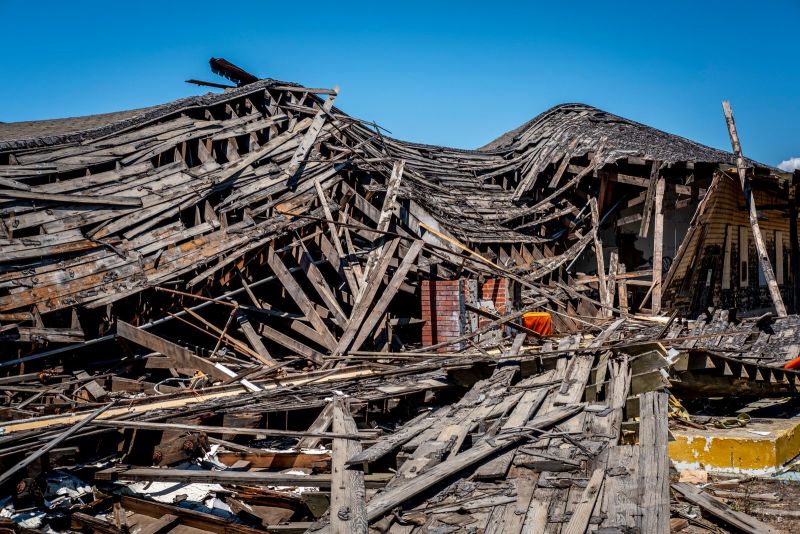
Mortar-bedded ridge and verge tiles are the usual first casualty. Dry ridge and dry verge systems fix them mechanically instead, cost £45 to £80 per metre to install, and come with 10 to 15 year manufacturer guarantees. On an exposed plot on the western edge of the city, they pay for themselves the first time the wind hits 60mph.
Beyond that: clear the gutters twice a year, get the flashings checked when the chimney is swept, and have someone look at the roof properly every three to five years rather than after something has already gone wrong. Roof coverings are expected to last decades, but the fixings, mortar and lead around them are on a much shorter clock.
Frequently Asked Questions
How fast do I need to report storm damage to my insurer?
As soon as it is safe to do so, and certainly within a few days. Most policies require notification "as soon as reasonably possible". Delay gives the insurer grounds to argue that further damage occurred because you did not act, so make the call before you start arranging repairs.
Will my insurer pay for a full new roof after a storm?
Only if the storm genuinely caused damage across the whole roof, which is rare. Insurers pay to restore the roof to its pre-storm condition, not to upgrade it. If the assessor authorises repairs to one slope and you want the whole roof done, you would normally pay the difference.
Can I choose my own roofer or must I use the insurer's contractor?
You can almost always use your own contractor, though some policies offer a lower excess if you use their approved network. Tell the insurer who you intend to use and get the repair scope agreed in writing before work starts.
Does storm damage cover the water damage inside the house?
Buildings insurance covers damage to the structure, including ceilings, plaster and decoration. Damage to furniture, carpets and belongings falls under contents insurance, which is a separate policy or a separate section of a combined one. Claim under both if you hold both.
Ready to work with Chester Roofers & Contractors?
Let's connect! We’re here to help.
Send us a message and we’ll be in touch.
Or give us a call today at 01244 740253
Agency Contact Form
More Marketing Tips, Tricks & Tools
Chester Roofers & Contractors