Choosing Roofing Materials in Chester: Slate vs Clay vs Concrete Tiles Compared
Choosing roofing materials in Chester usually comes down to four options: natural slate, clay tile, concrete tile or a man-made slate in fibre cement or recycled plastic. Prices for the covering alone range from around £60 per square metre for concrete interlocking tiles to £200 or more for new Welsh slate, so on a typical 80m2 semi the material you choose can move the final bill by £8,000 or more. Weight varies just as much. Plain clay tiles come in at around 70kg per square metre, roughly double natural slate, and that matters on an old roof built for something lighter. Then there's planning: a fair slice of Chester's Victorian housing sits in conservation areas where the wrong choice can mean a refused application or an enforcement letter. Chester gets about 750mm of rain a year, well under the UK average, but the damp, slow-drying Dee valley winters are hard on some materials and barely touch others. Here's how each one compares for a Chester house.
Choosing Roofing Materials in Chester: Start With the House You Have
The best covering for your roof depends far more on the house than on any brochure. A Hoole terrace, a 1930s semi in Upton and a 2010s new-build on the edge of Saighton have different roof pitches, different timber sizes and different planning constraints, and those three things rule options out before price comes into it.
Pitch is the first filter. Plain clay tiles generally need a pitch of 35 degrees or more. Natural slate is usually laid at 22.5 degrees and above, while many concrete interlocking tiles are rated down to 17.5 degrees or even 15. On a shallow back extension, that can make the decision for you.
Before you get attached to a particular look, it's worth having someone check pitch, timber condition and planning status in one visit. Chester Roofers & Contractors can tell you which materials your roof can actually take, which tends to narrow a list of six options down to two or three.
Welsh Slate on Chester Roofs: Cost per m2, Weight and Looks
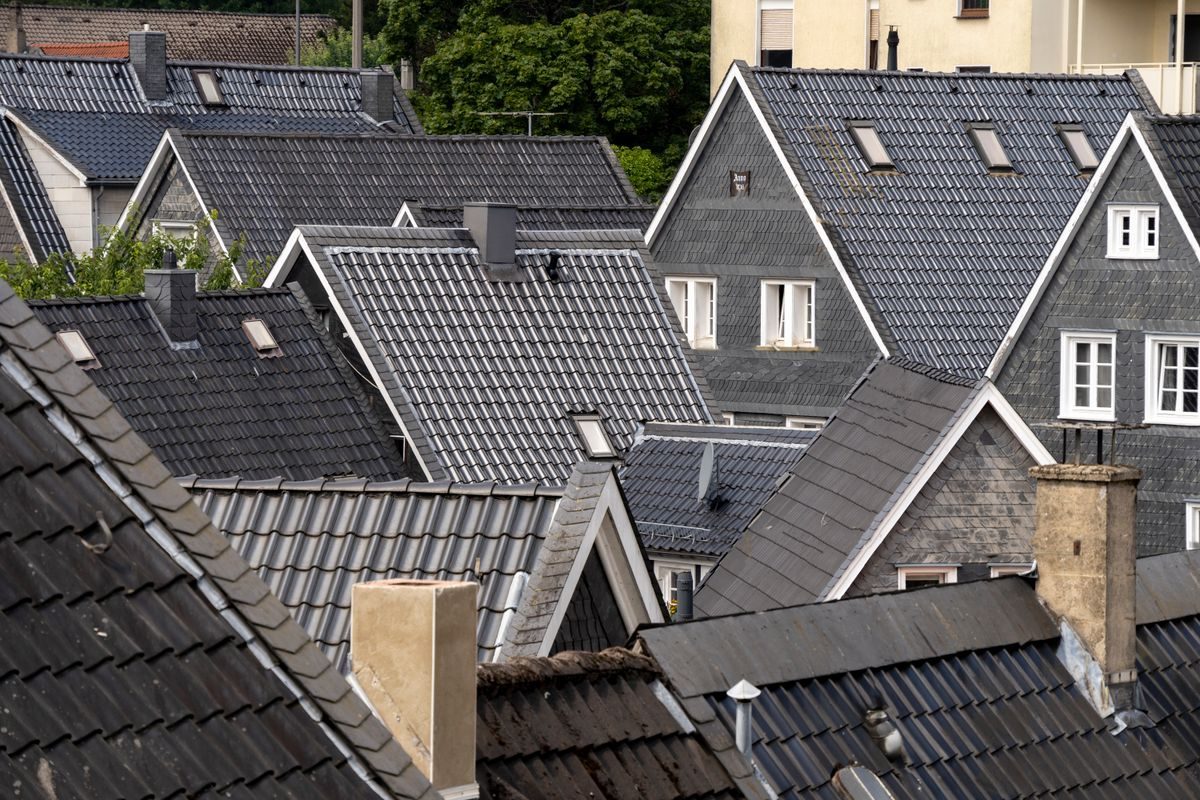
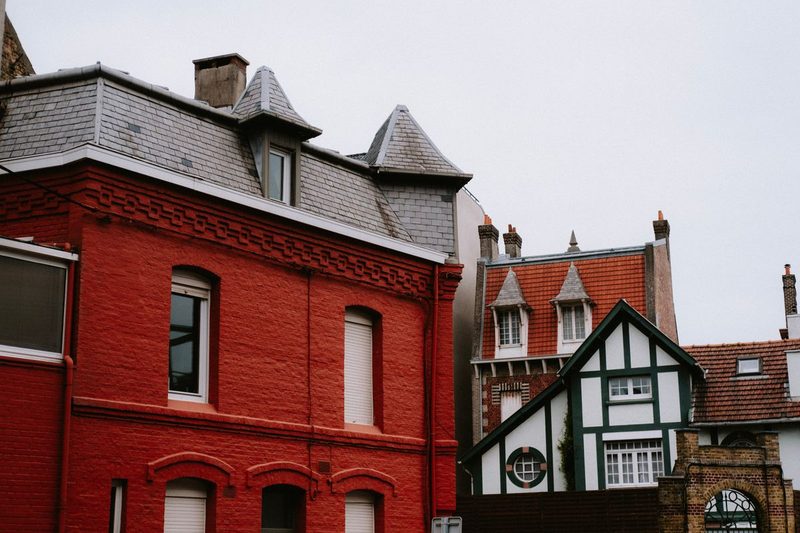
Natural slate is the traditional Chester roof. Most of the city's Victorian and Edwardian housing was covered in Welsh slate brought in from the Gwynedd quarries, and good Welsh slate is about as durable as roofing gets, with 100 years or more being normal for the slate itself.
As a 2026 guide, fully fitted with membrane and new battens:
- New Welsh slate: £140 to £210 per m2
- Spanish slate (good-quality, graded): £90 to £130 per m2
- Brazilian or Chinese slate: £75 to £110 per m2
- Reclaimed Welsh slate: £100 to £150 per m2, depending on supply and size
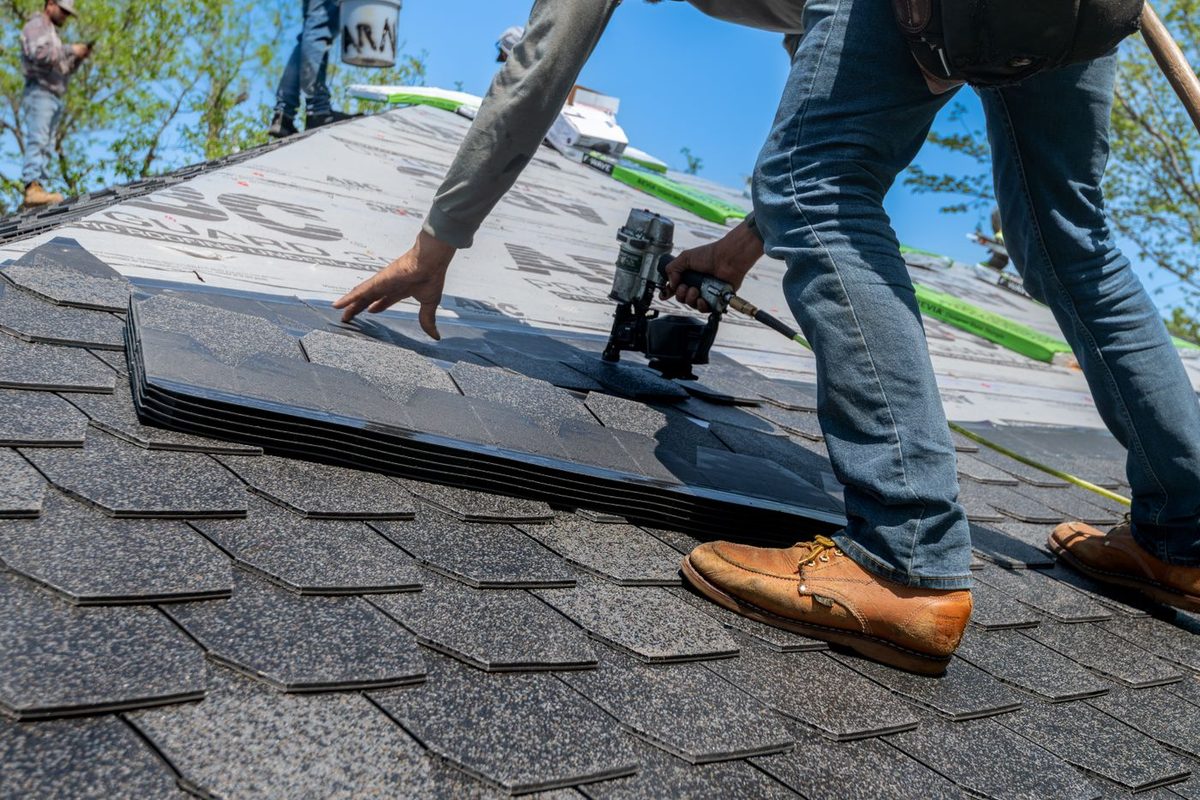
Slate is light, at around 25 to 35kg per m2, so it suits older roof timbers. It's also slow to lay. A slater fixes each piece individually with two nails, and a slate roof typically takes 30% to 50% longer than a concrete tile roof of the same size, which accounts for much of the labour cost.
Welsh vs imported slate
Imported slate varies more than Welsh. Better Spanish quarries produce slate that can last 60 to 80 years, but cheaper grades can contain iron pyrite, which rusts and leaves orange streaks across the roof within ten years. If you go imported, ask for the quarry name and its test results to BS EN 12326, and look at a roof in Chester that's had the same slate on it for a few winters.
Reclaimed slate
Reclaimed Welsh slate is popular on Chester terraces because it matches what's already on the street. Expect to lose 10% to 15% of a reclaimed batch to cracks or soft edges during sorting, and make sure the supplier can give you enough of one size to finish the job.
Clay Roof Tiles for Chester Homes: Plain Tiles and Interlocking
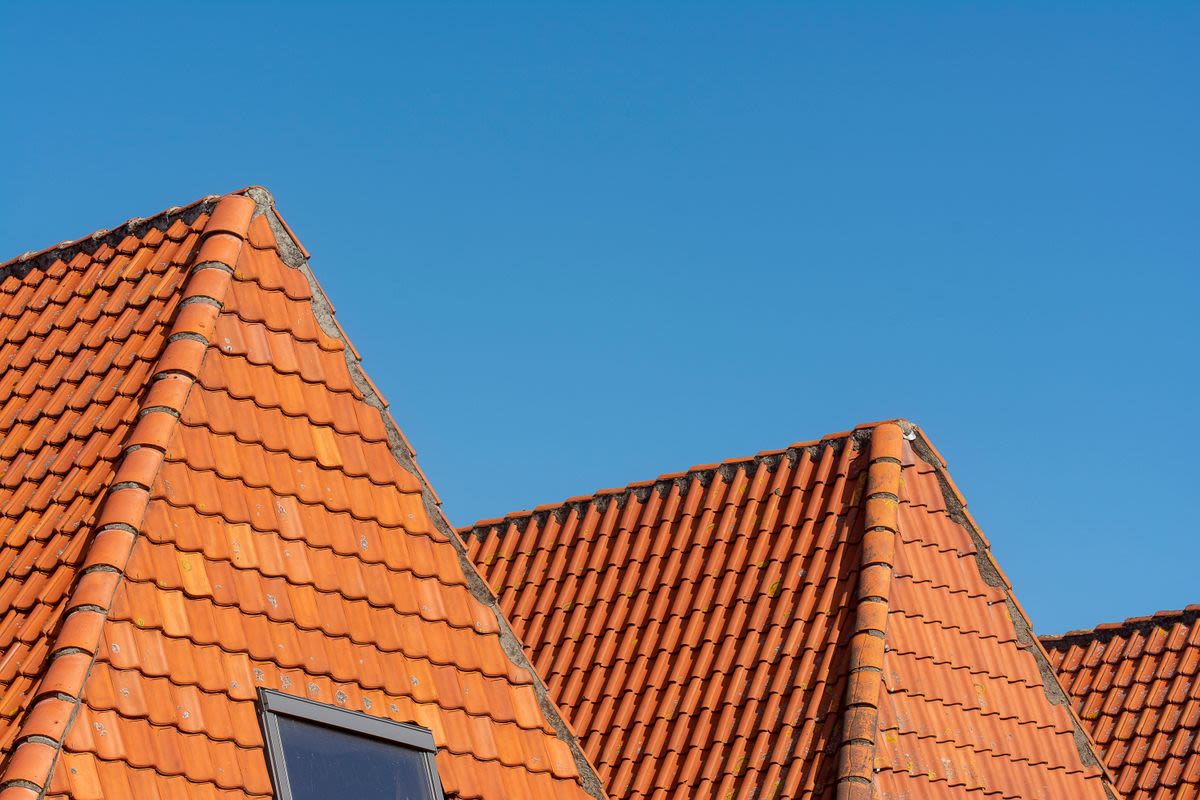
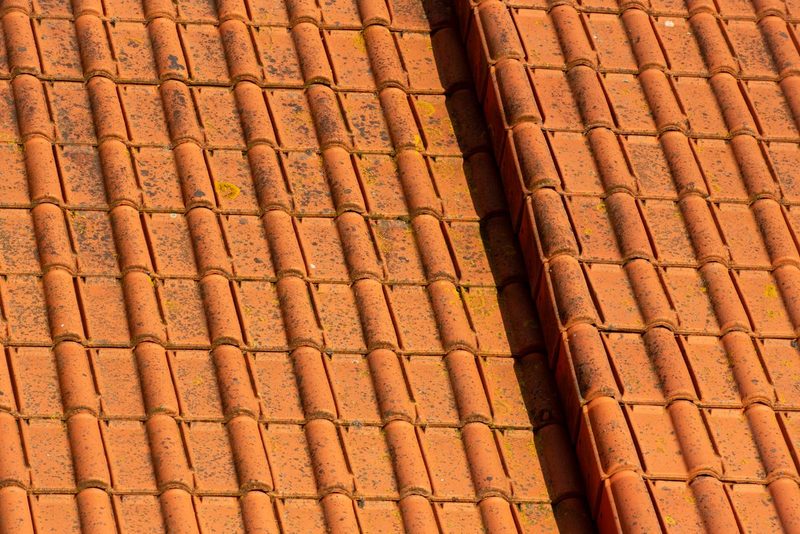
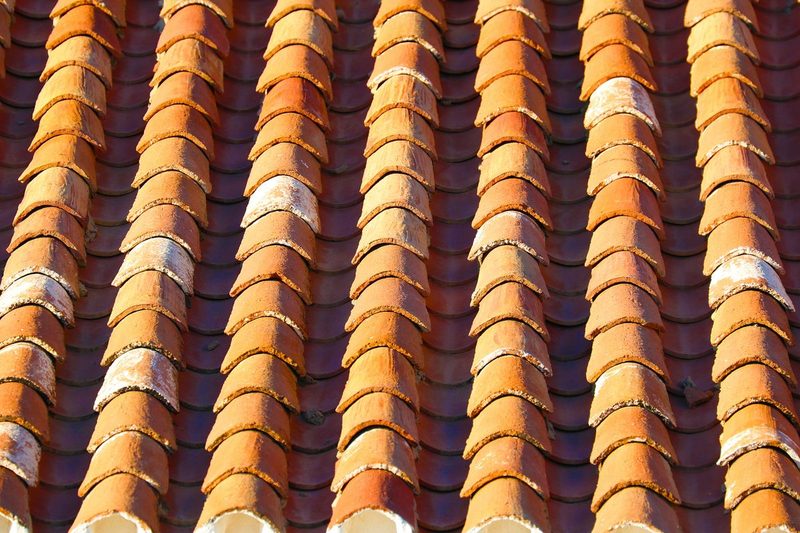
Clay is the other traditional option. It's what most of the interwar semis wore originally, along with a good number of older cottages in the villages around the city. Handmade and machine-made plain tiles give that small-scale, slightly uneven look that suits Arts and Crafts and 1930s houses.
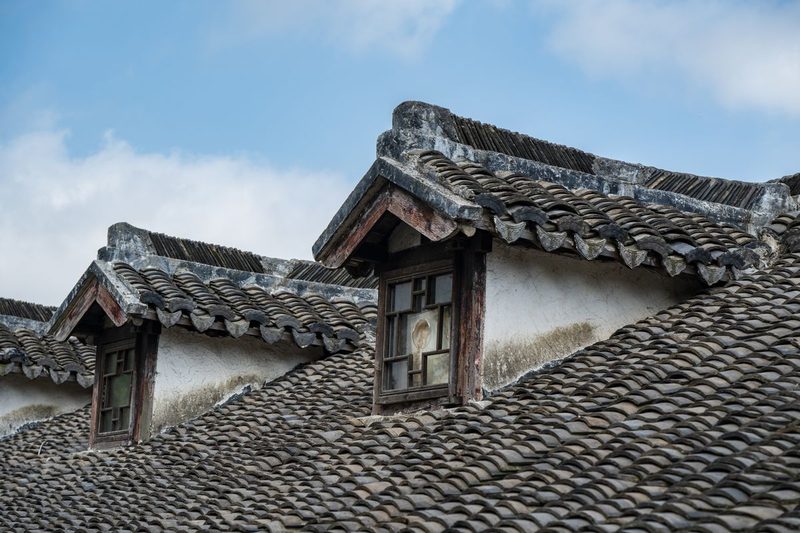
Guide costs, fully fitted:
- Machine-made clay plain tiles: £95 to £140 per m2 (the usual choice on 1930s semis)
- Handmade clay plain tiles: £140 to £200 per m2
- Clay interlocking tiles: £75 to £110 per m2
Plain tiles are the heavy option. At about 60 tiles per square metre, with each tile lapping two others, a plain tile roof weighs 65 to 75kg per m2. Clay interlocking tiles are bigger and lighter, nearer 40 to 45kg per m2, and quicker to lay.
The weak point for clay in Chester is frost. A good tile tested to BS EN 1304 copes well, but a poorly fired one soaks up water through the damp months and flakes when it freezes. Nearby Hawarden records something like 40 air frosts a year, and with roof slopes that stay wet for weeks at a time, frost resistance is worth checking on the data sheet rather than taking on trust.
Concrete Roof Tiles in Chester: The Budget Choice and Its Trade-offs
Concrete interlocking tiles cover thousands of Chester roofs, especially across the postwar estates in Blacon, Lache and Upton. They're cheap, quick to lay and easy to source, and most roofers in the area can fit them without a wait.
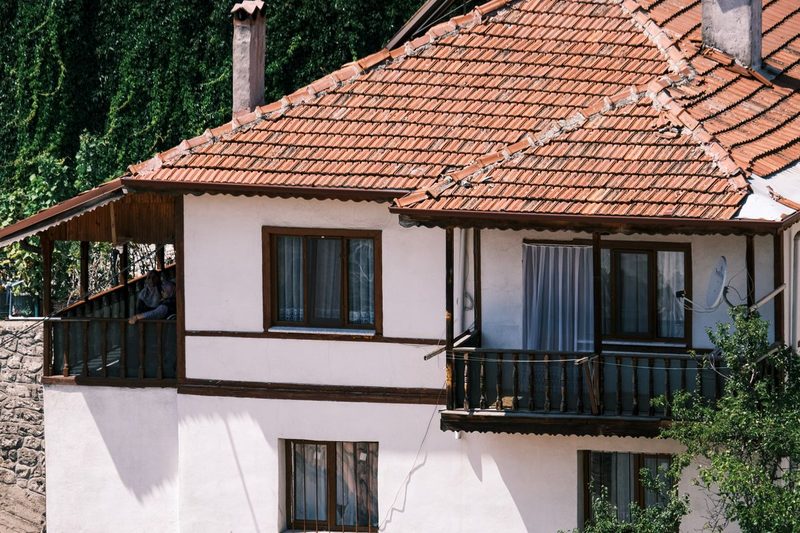
Typical fitted prices:
- Standard concrete interlocking tiles: £60 to £90 per m2
- Thin-leading-edge "slate look" concrete tiles: £70 to £100 per m2
- Concrete plain tiles: £80 to £115 per m2
Concrete has two downsides. The first is weight: 45 to 55kg per m2 for interlocking tiles, more for concrete plain tiles. The second is ageing. After 20 to 30 years the surface colour wears away, the tile turns rough and porous, and moss takes hold, particularly on north-facing slopes that rarely dry out in a Chester winter. Expect a lifespan of 40 to 60 years, against a century for good slate.
Still, on a 1960s house that already has a concrete roof and sits outside any conservation area, a modern concrete tile is often the sensible pick. The roof was designed for the weight, the look matches the street, and the money saved can go on a good membrane and proper ventilation.
Fibre-Cement and Synthetic Slates: Lighter, Cheaper Roofing Materials
Man-made slates are the newest option. Fibre-cement slates are thin, flat and uniform; composite or synthetic slates are moulded from recycled plastics and mineral fillers to mimic the rougher edge of natural slate.
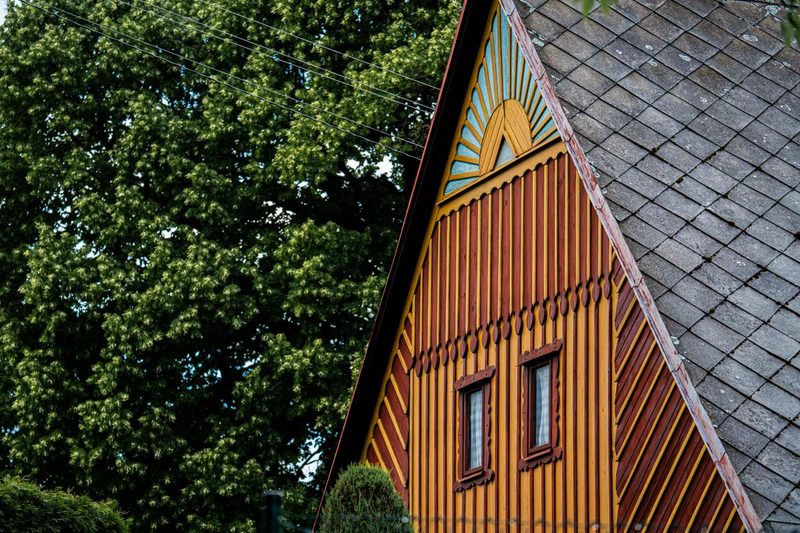
Fitted, expect roughly:
- Fibre-cement slates: £60 to £85 per m2
- Composite or synthetic slates: £70 to £100 per m2
They're the lightest coverings going, at around 15 to 22kg per m2. That makes them handy on extensions, dormers and roofs with undersized timbers. Fibre cement tends to last 25 to 35 years before it starts to bow, fade and crack at the corners. Composite slates often come with 40 to 50 year manufacturer warranties, but the products haven't been on UK roofs for that long, so those figures are projections rather than track record.
Wind is the thing to watch. Light slates need tail rivets or clips at the bottom edge, and roofs facing west across the Dee estuary see enough gusts to lift a poorly fixed slate in the first winter. From the street, fibre cement looks noticeably flatter and more uniform than natural slate, which is the main reason conservation officers usually turn it down.
Roof Weight and Building Regulations When You Change Material
Switching material isn't always a straight swap. Going from natural slate at about 30kg per m2 to concrete interlocking tiles at around 50kg adds roughly 20kg to every square metre. On an 80m2 roof, that's 1.6 tonnes of extra load on rafters that were sized in the 1890s for something much lighter.
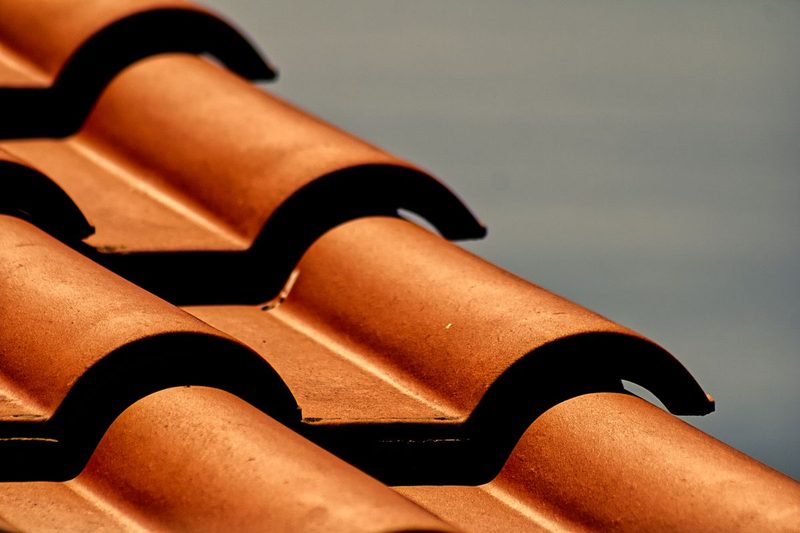
Under the Building Regulations, re-roofing in a significantly heavier or lighter material counts as a material alteration, and the roof structure has to be shown to cope. A common working threshold is a change of more than 15% in weight. The requirements are in the government's Approved Document A on structure, and your roofer should either notify building control or use a scheme that can self-certify the work.
The reverse matters too. Going lighter, from concrete to fibre-cement slate, can reduce the dead weight holding the roof down, and on exposed sites that sometimes means extra fixings or strapping. Re-roofing more than half of a roof also usually triggers a requirement to bring the insulation up to current standards, which adds cost whatever covering you choose.
Chester Conservation Areas: Which Roofing Materials Will Be Accepted?
For a lot of Chester houses, this section decides everything else. The city centre and several of the older suburbs are designated conservation areas, and Cheshire West and Chester Council expects roofs there to look like they always have. In practice that usually means:
- Natural slate on a slate street: accepted, and new or reclaimed Welsh slate is the safest choice
- Good imported slate: often accepted on rear slopes and unlisted houses; sometimes questioned on prominent front slopes
- Clay tiles where the original was clay: accepted
- Concrete tiles replacing slate or clay: frequently refused on visible slopes
- Fibre-cement or composite slates: rarely accepted on front elevations
Some conservation areas have Article 4 directions that remove permitted development rights, so even a change of roof covering on an ordinary house can need planning permission. The Planning Portal's guidance on roof works explains when a re-roof needs consent. For listed buildings any change of material needs listed building consent, and the council will almost always want the original material, matched in size, colour and coursing.
There's also a local labour factor. Experienced natural slaters are in shorter supply around Chester than general tilers, and a good one can be booked up six to ten weeks ahead from spring into late summer. If your house is in a conservation area, plan the job early.
Comparing Roofing Material Costs on a Typical Chester Semi
To put the figures side by side, here's a rough 2026 guide for re-covering an 80m2 pitched roof on a Chester semi, including stripping, membrane, battens, ridges and disposal but excluding scaffolding (typically £1,200 to £2,000 on top):
- Concrete interlocking tiles: £5,500 to £8,000
- Fibre-cement slates: £5,500 to £7,500
- Clay interlocking tiles: £6,500 to £9,500
- Spanish slate: £8,000 to £11,000
- Machine-made clay plain tiles: £8,500 to £12,000
- New Welsh slate: £12,000 to £17,500
Cost per year of roof
Divide each figure by a realistic lifespan and the picture changes. Concrete at £7,000 over 50 years works out at about £140 a year. Welsh slate at £15,000 over 100 years or more is £150 a year or less, and adds visible value on a period street. Fibre cement at £6,500 over 30 years comes out at over £200 a year. Cheapest on day one, dearest over time. If you want to know how long the materials already on your house are likely to last, we've covered that in our guide to roof lifespan in Chester by material and house age.
Whatever you pick, get at least two written quotes that name the exact product, not just "slate" or "tiles". A contractor registered with TrustMark, the government-endorsed quality scheme, gives you a recognised route to complain if the work isn't up to standard.
Common Questions About Choosing Roofing Materials in Chester
What is the cheapest roofing material for a house in Chester?
Concrete interlocking tiles and fibre-cement slates are the cheapest, at roughly £60 to £90 per m2 fitted. Over the life of the roof, concrete usually works out cheaper per year than fibre cement.
Can I replace a slate roof with concrete tiles in Chester?
Sometimes, but concrete is heavier, so the roof structure has to be checked against Building Regulations. In a conservation area or on a listed building it's usually refused.
Is Spanish slate as good as Welsh slate?
The best Spanish slate performs well for 60 to 80 years, but quality varies. Ask for the quarry name and test results to BS EN 12326, and avoid slate with visible iron pyrite.
Which roofing material is best for Chester's damp climate?
Natural slate copes best, since it absorbs very little water. Concrete tiles grow moss and weaken faster on damp, north-facing slopes, and poorly fired clay can flake in frost.
Do I need permission to change my roofing material in Chester?
Like-for-like re-roofing usually doesn't need planning permission. Changing material in a conservation area, under an Article 4 direction or on a listed building usually does, so check with Cheshire West and Chester Council first.
Ready to work with Chester Roofers & Contractors?
Let's connect! We’re here to help.
Send us a message and we’ll be in touch.
Or give us a call today at 01244 740253
Agency Contact Form
More Marketing Tips, Tricks & Tools
Chester Roofers & Contractors