Roof Repairs in Tarporley: Period and Rural Roofs, Common Problems, and Costs
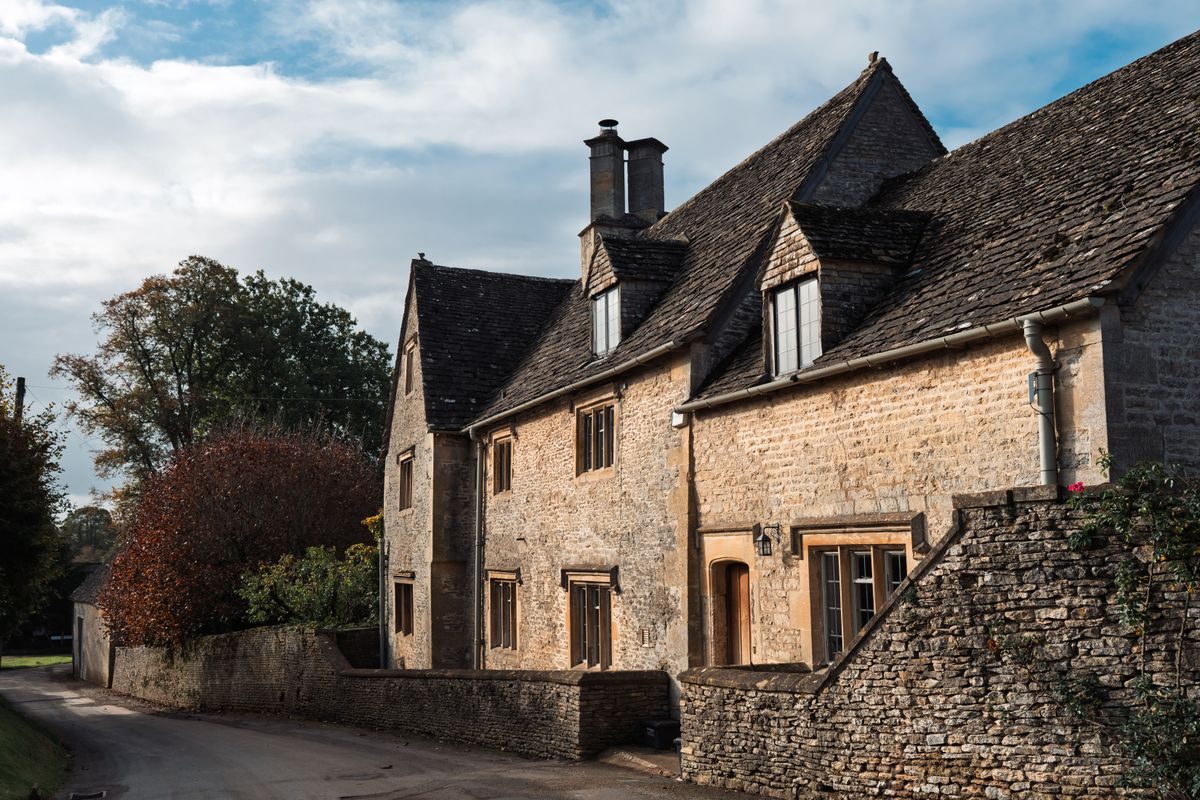
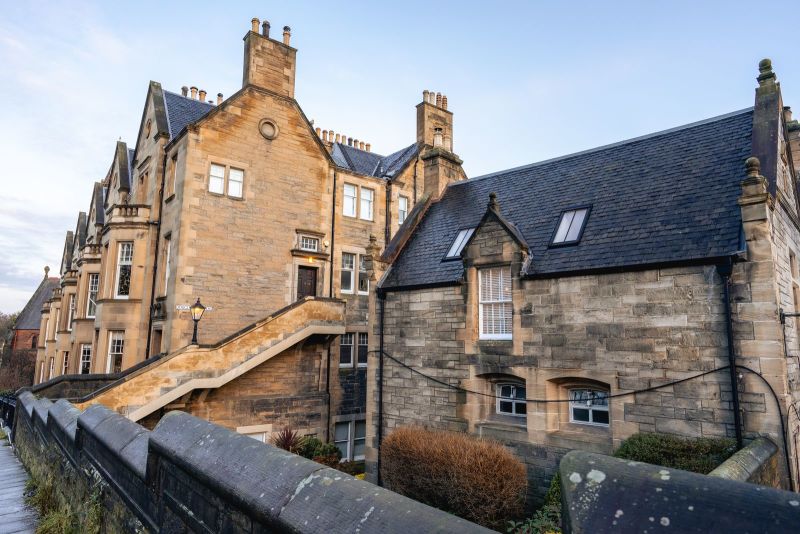
Tarporley is one of Cheshire's most sought-after villages, and its roofs reflect that: Georgian brick along the High Street, sandstone and handmade clay tile on the older cottages, and a scatter of listed farmhouses across the surrounding countryside. Much of the village core sits within a conservation area, which changes how repairs have to be done and what materials are allowed. The housing here is older and more varied than the postwar estates that dominate many Cheshire towns, so faults tend to involve natural slate, lime mortar and traditional detailing rather than modern concrete tile. Add the wet North West climate - around 800 to 850mm of rain a year, with little chance for timber and mortar to dry out - and you get roofs that need knowledgeable, sympathetic repair rather than a quick patch. Most jobs are still modest, with a few slipped slates running £180 to £450, but period roofs and rural exposure bring costs and rules that newer housing never sees. This guide covers the roof repairs in Tarporley that genuinely come up, what they cost in 2026, and how to hire the right person.
The Roof Problems That Hit Tarporley Hardest
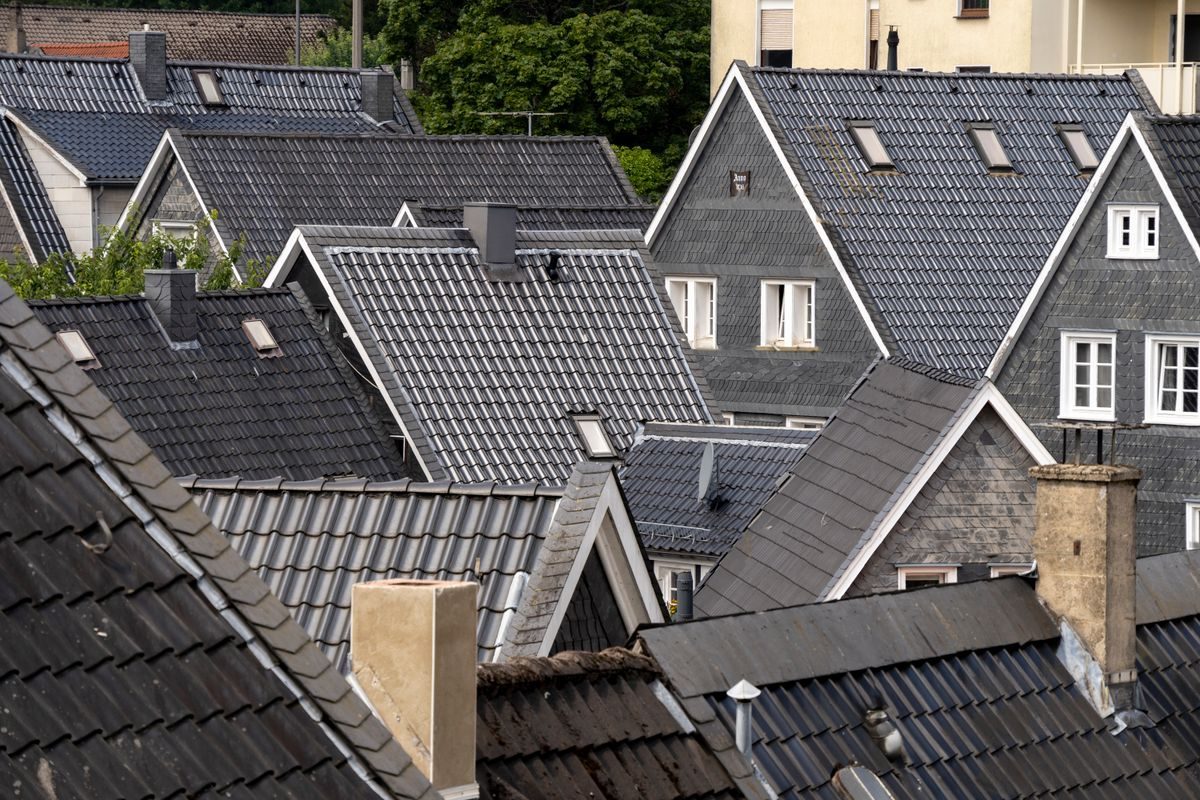
The most common callout in and around the village is slipped and broken slates. A great many Tarporley roofs are natural Welsh or Westmorland slate, some of it well over a century old, and slate does not fail gently - the fixing nails corrode over decades (a process roofers call nail sickness), and once they go, slates slide off in batches after a windy spell. It is rarely one slate on these older roofs; it is a slope quietly loosening all at once.
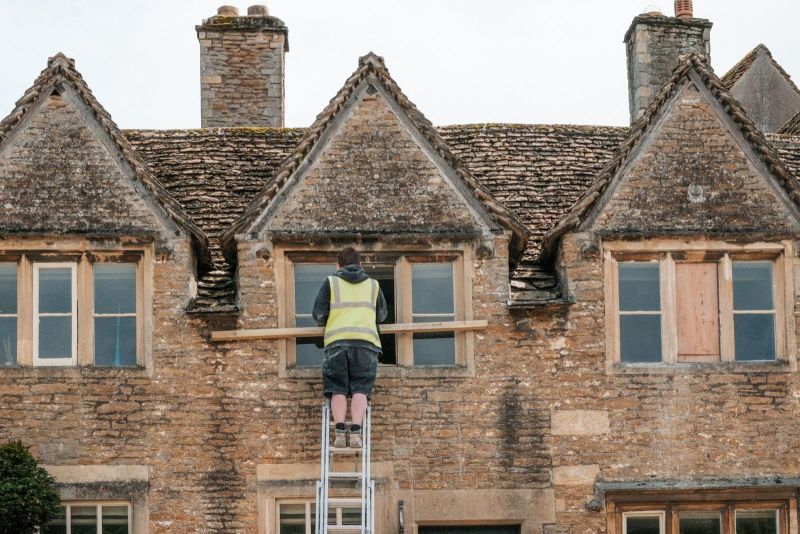
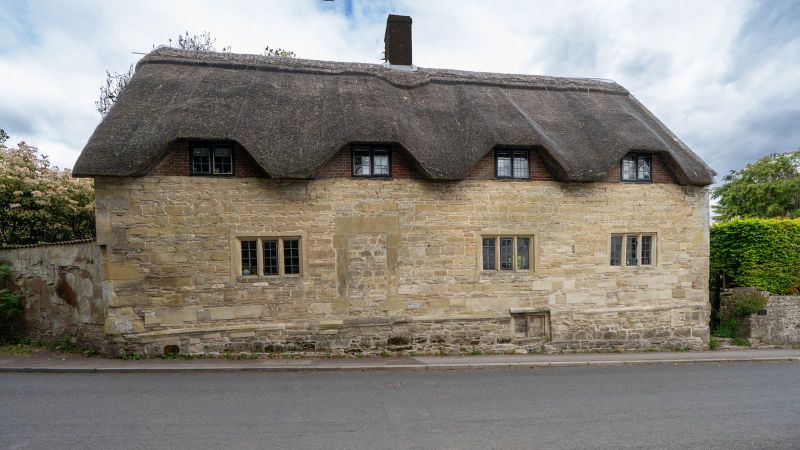
Age and material are the second factor. Where a town's estate roof is a straightforward concrete tile, a Tarporley roof might be hand-made clay tile, stone slate, or natural slate laid in diminishing courses, each needing a different repair method and matching material. If you want an honest read on whether a period roof needs a targeted repair or is heading for a full strip and re-lay, Chester Roofers & Contractors covers Tarporley and will tell you which it is rather than talking a nervous owner into the bigger job.
Exposure comes third, and it hits the rural properties hardest. Farmhouses and cottages out in the open countryside around the village catch wind and driving rain with nothing to shelter them, so ridges, verges and chimney flashings on these roofs work loose sooner than they would on a sheltered High Street terrace.
Period and Listed Roofs: Repairs With Rules Attached
The thing that sets Tarporley apart from most Cheshire roofing is that a lot of the work carries planning and heritage strings. Within the conservation area, and especially on listed buildings, you often cannot simply swap a natural slate roof for concrete tile or change the detailing, even like-for-like repairs to a listed roof can need consent. Getting this wrong is not just a heritage issue - unauthorised work to a listed building is a criminal offence, and putting it right afterwards costs far more than doing it correctly first time.

In practice this means matching materials properly: reclaimed slate rather than new, lime mortar rather than modern cement on older stonework, and traditional lead detailing rather than a cheaper modern substitute. A sympathetic repair like this costs more than a standard one - reckon on a 20 to 40% premium over the same job on a modern roof - because the materials are dearer and the work is slower. Before any work on a listed roof, it is worth reading the official guidance on when listed building consent is required so you know where you stand.
Check the roofer has done this before
Not every competent roofer is a good fit for a listed or period roof. Ask to see examples of heritage work, and be wary of anyone who shrugs off the conservation rules or suggests concrete tile "because you'll never tell the difference." On a listed Tarporley farmhouse, you will tell the difference, and so will the planning authority.
Slipped and Broken Slates: The Everyday Repair
Slipped slates are the bread-and-butter repair on Tarporley's older roofs, and after a wet, blustery Cheshire winter most callouts start here. Refixing or replacing a handful of slates usually costs £180 to £450, more than the equivalent tile job because slate is heavier, more brittle to handle, and needs re-hooking with a copper tingle or rivet rather than a simple nail.
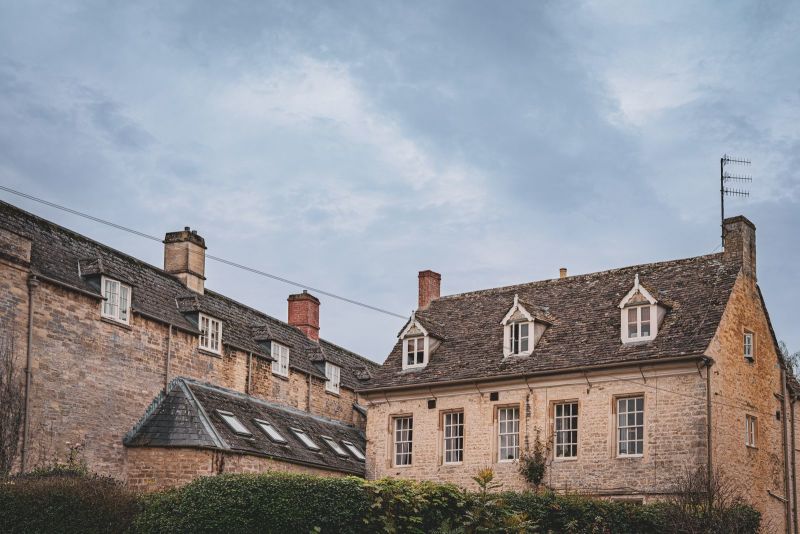
Matching is where it gets involved. A weathered Welsh slate is not the same colour or thickness as a new one, so a good roofer sources a reclaimed match or lifts salvage slates from a hidden slope to keep the roof looking right - important on a roof that anyone can see from the High Street or a public footpath. We have covered the warning signs of a slate roof reaching the end of its life in more detail if you want to know what to watch for before the repairs start stacking up.
Why one slipped slate is worth fixing fast
A single gap looks harmless, but it lets driving rain onto the timbers underneath, and on an older Tarporley roof those battens and rafters may be original. Left through one wet winter, a £250 slate repair can turn into rotted battens, damaged plaster and a stained ceiling costing £900 to £1,800. On a period property the internal finishes are often the expensive part, so catching the leak early matters even more than the roof repair itself.
Flashing, Chimneys and Valleys on Older Roofs
Where a roof meets a chimney, a wall or a valley, the waterproofing is lead, and failed lead is behind a large share of the real leaks in Tarporley homes - as opposed to condensation that only looks like one. Older properties tend to have more chimneys, more valleys and more complex roof shapes, which means more junctions where water can get in.
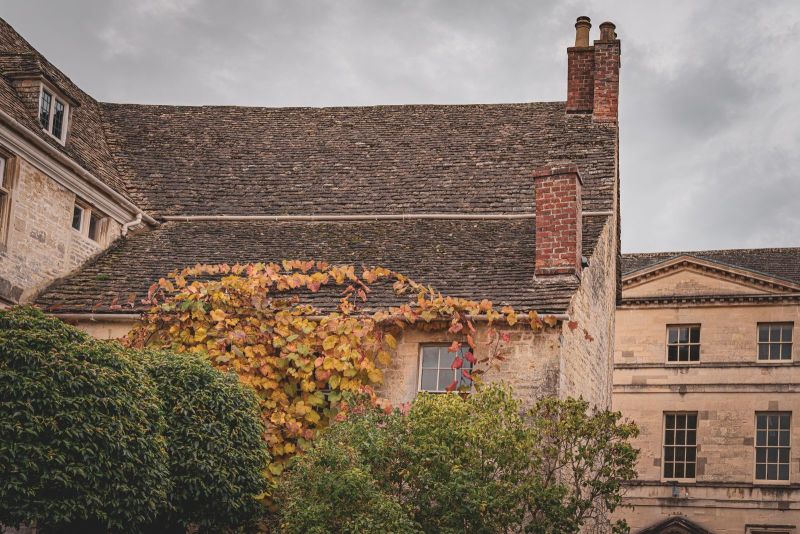
Re-dressing or resealing a run of lead flashing typically costs £200 to £500. A full chimney re-flash with new lead runs £450 to £1,000, more where the stack is tall or the brickwork needs repointing in lime mortar while the scaffold is up. Valleys are a particular weak point on the bigger period houses - where two slopes meet, debris collects and old lead splits, and a proper lead valley re-line runs £400 to £900. On a listed roof the lead work must usually be traditional code-graded lead rather than a modern alternative, which lifts the cost but is non-negotiable.
Flat Roofs, Outbuildings and Rural Extensions
Even in a period village, flat roofs turn up - rear extensions, garden rooms, and the flat-roofed additions on farmhouses and converted outbuildings out in the countryside. Older ones are felt, and felt has a hard life in this climate: summer UV bakes it brittle, winter damp keeps it soft, and once it cracks the water gets straight in because a flat roof has nowhere to shed to.
Patching a small area of failed felt costs £150 to £450. Recovering a garage, garden room or extension in modern EPDM rubber, which comfortably outlasts felt and suits a low-maintenance rural property, runs £1,200 to £3,000 depending on size. Ponding is the giveaway - if water sits for days rather than draining, the deck has sagged or the falls were wrong from the start. On rural outbuildings that have been added to over the years, mismatched falls and awkward junctions are common, so it is worth having the whole roof assessed rather than patching one corner.
What Roof Repairs Cost in Tarporley in 2026
Pulling the figures together, here is the rough 2026 spread for common Tarporley repairs. Slipped or broken slates: £180 to £450. Lead flashing reseal: £200 to £500. Full chimney re-flash: £450 to £1,000. Lead valley re-line: £400 to £900. Re-bedding a ridge: £280 to £750. Small flat-roof felt patch: £150 to £450. A single ceiling leak traced and fixed: £280 to £700. Heritage and listed work sits at the top of each range, and often 20 to 40% above it, because of matched materials and slower methods.
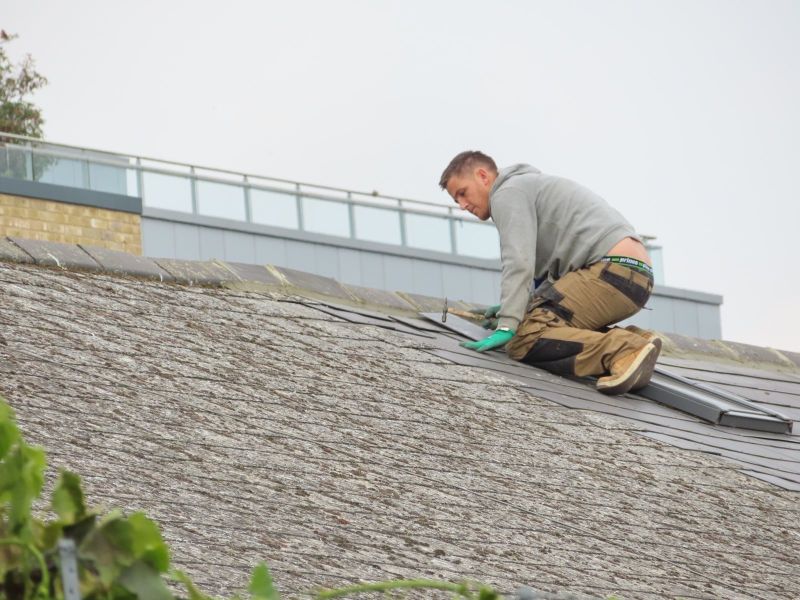
Access drives a big chunk of any quote. A single-storey cottage reachable from a ladder is cheap. The moment scaffolding is needed - a two-storey farmhouse, a tall chimney, or a steep slate slope that isn't safe from a ladder - add £600 to £1,400 for the scaffold alone, a little more on awkward rural sites with poor access for a scaffold lorry. Wetter, stormier winters are making these repairs more frequent too; the Met Office's own summary of how the UK climate is changing points to heavier rainfall and stronger storms, which is exactly what finds the weak spot on an old roof. If one quote comes in far cheaper than the rest, check it has not quietly dropped the heritage-grade materials or the scaffolding a period job needs.
Repair or replace?
As a rough rule, once repairs creep past 30 to 40% of a re-roof cost, or you are calling someone out most winters, replacement starts to make more sense. A full strip and re-lay in natural slate on a typical Tarporley property runs £9,000 to £16,000 or more, well above the concrete-tile re-roof a modern estate house would need, because the material and labour are both dearer. That higher replacement cost is exactly why sympathetic, well-matched repairs are usually the sensible route on a sound period roof - you are protecting a roof that is expensive to replace.
Who to Call: Choosing a Roofer in Tarporley
Cheshire has a healthy supply of roofing firms, but a smaller pool of them are genuinely comfortable on period, slate and listed roofs, so it is worth choosing carefully. Storm seasons also bring out door-knockers, and affluent villages get targeted after bad weather. Someone knocking to offer to "sort your roof today" is a reason to be more careful, not less.
Look for public liability insurance of at least £2 million, a written quote that itemises the work and the materials, and demonstrable experience with heritage roofing. A recognised trade body is a useful filter - you can check a firm through the National Federation of Roofing Contractors' find a member directory and read TrustMark's guidance for homeowners before you commit. Both are free and take a couple of minutes.
Get two or three quotes, ask specifically how they will match the existing materials, and be wary of anyone pushing you to decide on the spot or asking for a big cash deposit up front. A genuine local roofer will put it in writing, respect the conservation rules, and let you think it over.
---
FAQ
Q: How much do roof repairs cost in Tarporley?
A: Most repairs in 2026 fall between £180 and £1,000. Slipped or broken slates run £180 to £450, a lead flashing reseal £200 to £500, a full chimney re-flash £450 to £1,000, and a lead valley re-line £400 to £900. Heritage and listed work typically sits 20 to 40% above these figures because of matched materials and slower methods, and if scaffolding is needed for a two-storey farmhouse or tall chimney, add £600 to £1,400 for access.
Q: Do I need consent to repair a roof on a listed building in Tarporley?
A: Often, yes. Within the conservation area, and especially on listed buildings, even like-for-like repairs to a natural slate or stone roof can require listed building consent, and you usually cannot switch to concrete tile or change the detailing. Unauthorised work to a listed building is a criminal offence, so it is worth checking the position and using a roofer experienced in heritage work before anything starts.
Q: Why are slate roof repairs in Tarporley more expensive than tiled roofs elsewhere?
A: Natural slate is heavier and more brittle to handle, needs re-hooking with copper tingles rather than simple nails, and has to be colour and thickness matched using reclaimed material to keep the roof looking right. On listed roofs the lead work must be traditional code-graded lead and the mortar lime rather than cement. All of that makes the same-sized repair dearer than it would be on a modern concrete-tile roof.
Q: Should I repair or replace my period roof in Tarporley?
A: As a guide, if repairs are creeping past 30 to 40% of a re-roof cost, or you are calling someone out most winters, replacement starts to make sense. But a full strip and re-lay in natural slate runs £9,000 to £16,000 or more, well above a concrete-tile re-roof, so on a sound period roof well-matched repairs are usually the sensible route because you are protecting a roof that is expensive to replace.
---
Ready to work with Chester Roofers & Contractors?
Let's connect! We’re here to help.
Send us a message and we’ll be in touch.
Or give us a call today at 01244 740253
Agency Contact Form
More Marketing Tips, Tricks & Tools
Chester Roofers & Contractors