Roof Valleys in Chester: Lead, GRP and Dry Valleys vs Mortar, With 2026 Repair Costs
Roof valleys in Chester take more water than any other part of the roof, and that's exactly why they're usually the first place a leak starts. Where two slopes meet at an internal angle, the valley collects the run-off from both of them. On a typical L-shaped semi, a single valley can be carrying the rain from 25 to 30 square metres of roof, all squeezed into a channel about 150mm wide. Chester gets roughly 750mm of rain a year, which is well below the UK average of around 1,150mm, but it falls across something like 140 wet days, and the damp Dee valley air means valleys stay wet for long stretches between showers. Roofers we talk to put valleys behind somewhere between a fifth and a quarter of the pitched-roof leaks they're called out to. The good news is that most valley problems are fixable for a few hundred pounds if you catch them early. Leave them, and the bill goes up fast.
Roof Valleys in Chester: Why the Leaks Start Here
A valley is a gutter that happens to sit in the middle of your roof. The tiles or slates either side are cut at an angle and finished just short of a channel, and that channel carries water down to the eaves gutter. If anything stops that water moving - a ridge of moss, a split in the lead, a cracked mortar bed - it backs up under the tiles, and from there it can run along a batten for a metre or more before it drips into the loft.

Valleys show up on far more Chester houses than most people realise. Any roof with a hip-and-valley layout, a rear wing, a gable dormer or an extension tied into the main roof will have at least one. Victorian villas in Hoole and Handbridge often have three or four, and plenty of 1930s semis have a valley where the bay or side projection meets the main slope.
If you're not sure what kind of valley you've got, or whether it's the cause of a damp patch on a bedroom ceiling, Chester Roofers & Contractors can look it over and tell you whether it needs a small repair or a new channel. A valley inspection usually takes under an hour from a ladder or roof ladder.
The Four Valley Types You'll Find on Chester Houses
Not all valleys are built the same way, and the type you have decides how it fails and what it costs to fix.
Open lead valleys
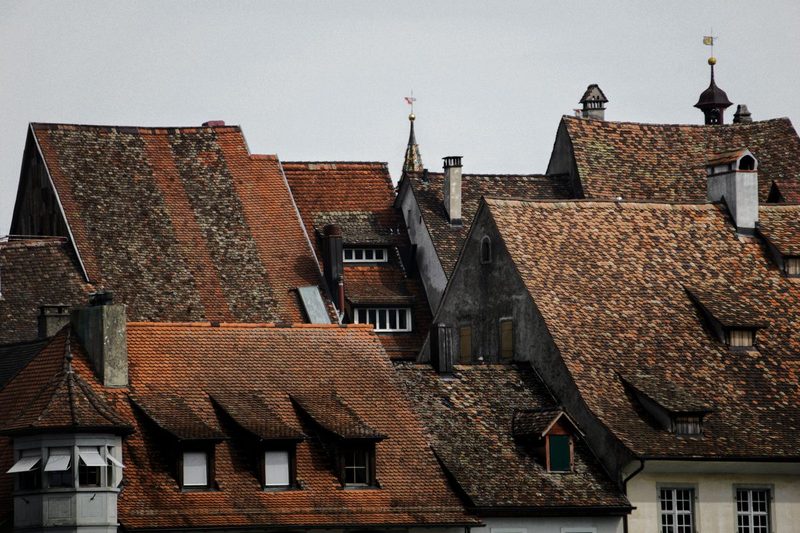
The traditional choice on slate roofs, and still the best-performing when done properly. A lead sheet, usually Code 5 (about 2.24mm thick), is dressed over a timber valley board, and the slates are cut to leave a 100mm to 125mm open channel down the middle. Good lead valleys last 50 to 80 years. The Lead Sheet Training Academy's guidance on lead roofing details sets out the lengths and laps a valley needs, and lengths that are too long are behind a lot of the splits we see on older Chester roofs.
GRP valley troughs
Glass-reinforced plastic troughs replaced lead on a lot of 1980s and 1990s houses, and they're common on new-builds around the edge of the city. They're cheap, light and don't attract thieves. A decent GRP trough lasts 25 to 40 years, but cheaper ones can go brittle in sunlight and crack along the fold.
Mortar-bedded valleys
This is the one that gives Chester homeowners most of their grief. On many concrete-tiled roofs from the 1960s onwards, the cut tiles at the valley were simply bedded in sand-and-cement mortar over the trough. Mortar shrinks, cracks and lets go after 15 to 25 years, and once a bed cracks, the cut tile can slide. Under BS 5534, the current British Standard for slating and tiling, mortar no longer counts as a fixing on its own, so every cut tile at a valley should also be mechanically fixed with a clip, nail or wire.
Dry valley systems
A dry valley uses a pre-formed trough with foam or rubber fillers and clips instead of mortar. They take less maintenance and suit concrete interlocking tiles particularly well. A good dry valley system should run for 30 years or more without needing re-pointing.
There's also a fifth, older type - the swept or laced valley on clay plain-tile roofs, where purpose-made valley tiles curve round the corner with no channel at all. You'll see them on Arts and Crafts houses and some village cottages, and they're a specialist job when they fail.
What Chester's Weather Does to a Valley
Chester's rainfall total looks kind to roofs, but the pattern isn't. Most of the rain arrives on south-westerly winds from across the Welsh hills, often as long drizzly spells rather than short downpours, and the city sits low in the Dee valley where the air stays damp. A valley on a north- or east-facing slope can stay wet for days in November and December. That constant moisture is what feeds moss, and moss is the main reason valleys block.
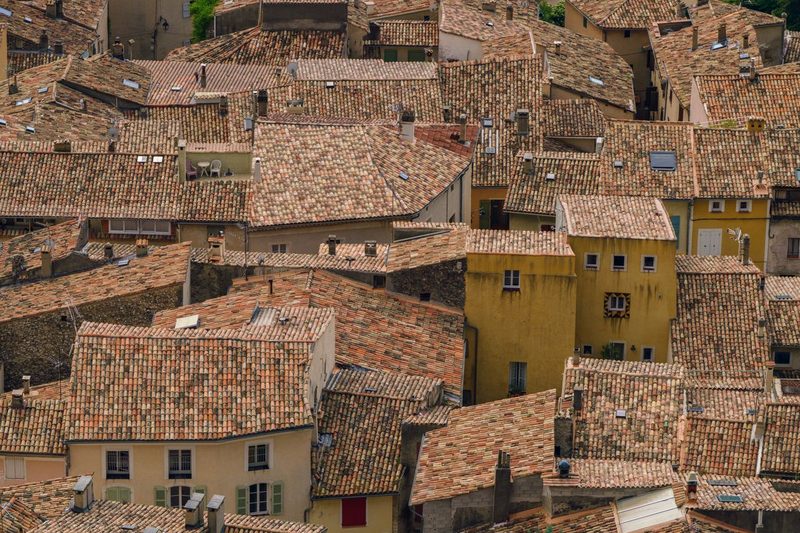
Trees make it worse. Leafy streets in Curzon Park, Queens Park and much of Hoole drop huge amounts of leaf litter in October and November, and a valley acts like a funnel for it. A single autumn's leaves can build a dam 50mm to 75mm high at the bottom of a valley, and that's enough for water to spill over the edge of the channel in heavy rain.
Frost is the third factor. Chester sees fewer hard frosts than the Pennines, but there are still a few dozen nights a year below freezing, and water sitting in a cracked mortar bed freezes, expands and widens the crack. Three or four winters of that will finish off a mortar valley that was already marginal.
Signs Your Valley Is Starting to Fail
Valley leaks rarely announce themselves straight away. Water can soak a valley board for a year or more before a stain appears on a ceiling.

What to look for from the ground
- Moss or grass growing in the valley channel, or a dark line of debris along it
- Cut tiles that look out of line with the rest of the course, or have slipped down
- Cracked or missing mortar along the valley edges, often visible as grey crumbs in the gutter below
- Water overshooting the eaves gutter at the bottom of the valley in heavy rain
What to look for in the loft
Take a torch up and look at the timber either side of where the valley sits. Dark staining on rafters, damp or soft valley boards, and rusting nail heads all point to water getting in. On a dry day, a damp patch here is a stronger sign than one on a ceiling, because it's closer to the source.
Valleys, box gutters and other hidden channels
Valleys have a lot in common with the hidden gutters on older terraces - both are internal channels where one blockage can send water straight into the building. If your house has a parapet as well as valleys, we've explained why parapet and box gutters on Chester's Victorian terraces leak and what repairs cost, and the same autumn clearing routine helps both.
Roof Valley Repair Costs in Chester for 2026
Costs depend mainly on the valley length, the type of channel, and whether scaffolding is needed. Most domestic valleys in Chester run 4m to 7m. As a guide for 2026, before scaffolding:

- Clearing moss and debris from a valley: £120 to £250, often done alongside a gutter clean
- Re-bedding and mechanically fixing cut tiles on a mortar valley: £350 to £700 per valley
- Patching a small split in a lead valley: £150 to £350
- Replacing a GRP valley trough: £600 to £1,100 per valley
- Converting a mortar valley to a dry valley system: £700 to £1,300 per valley
- Replacing a lead valley with new Code 5 lead: £1,000 to £2,000 per valley
- Replacing a rotten valley board: add £150 to £400
Scaffolding is the cost people forget. A short valley on a single-storey extension can usually be done from ladders, but a valley at second-floor height on a Victorian house will usually need scaffold, which in Chester typically adds £700 to £1,500 depending on the elevation and how long it stays up.
On the plus side, valley work rarely takes more than two days, and labour is usually 50% to 60% of the bill. Lead prices move with the metals market, so get a fixed quote rather than an estimate if you're replacing a lead valley.
Repair or Replace: Making the Call on Your Valley
The honest answer is that it depends on what the channel itself is like, not the tiles around it.

If the lead or GRP is sound and the problem is a blocked or cracked mortar edge, repair it. Re-bedding with proper mechanical fixings will give a mortar valley another 10 to 15 years, and it costs a third of a full replacement.
If the lead has split in more than one place, is thin and pitted, or was laid in lengths over 1.5m without proper laps, replace it. Patching a lead valley that's failing in several spots tends to buy one or two winters at best. The same goes for a GRP trough that's gone brittle - once it's cracked once, it'll crack again.
For a mortar-bedded valley that's failed for the second or third time, we'd usually recommend converting to a dry valley. It costs roughly double a re-bed, but you won't be paying for the same repair again in five years. On a slate roof in a conservation area, stick with lead. Planning officers at Cheshire West and Chester Council expect traditional detailing on period roofs, and a plastic trough on a Victorian street elevation can cause problems.
If the rest of the roof is near the end of its life - and we'd say that's likely once concrete tiles pass 50 to 60 years - it can make more sense to fold the valley into a full re-roof rather than spend £1,500 on one valley now and scaffold the house again in three years.
Who Can Do Valley Work in Chester
Lead work is a skilled trade, and there are fewer roofers in Cheshire who can dress a valley properly than there are general roofers. Like much of the north west, the area has a shortage of experienced leadworkers, and some firms subcontract the lead out. Ask who will actually do the work and whether they've had formal lead training.

Lead theft is still an issue on houses with easily reached valleys, especially on single-storey extensions. If yours is low enough to reach from a wall or shed roof, a GRP or synthetic lead alternative is worth considering, even on an older house.
Check that any contractor is a member of a recognised body. The National Federation of Roofing Contractors' directory of vetted members is a sensible starting point, and a firm registered with TrustMark, the government-endorsed quality scheme gives you a route to complain if things go wrong. Get at least two quotes that spell out the valley type, the lead code or GRP product, and how the cut tiles will be fixed.
Common Questions About Roof Valleys in Chester
How long does a roof valley last?
A properly laid Code 5 lead valley lasts 50 to 80 years. A good GRP trough lasts 25 to 40 years, a dry valley system 30 years or more, and a mortar-bedded valley usually needs attention after 15 to 25 years.
How much does it cost to repair a roof valley in Chester?
Re-bedding a mortar valley costs about £350 to £700, and replacing a lead valley is around £1,000 to £2,000, both before any scaffolding. Small lead patches start at about £150.
Why does my roof leak in the valley?
Usually it's a blockage from moss or leaves, cracked mortar letting cut tiles move, or split lead or GRP. In Chester, autumn leaf fall and long damp spells make blockages especially common.
Is a dry valley better than a mortar valley?
For most concrete-tiled roofs, yes. A dry valley doesn't crack or wash out like mortar, needs less maintenance, and meets BS 5534 requirements for mechanically fixing cut tiles.
Do I need planning permission to replace a roof valley in Chester?
Not for like-for-like work on an ordinary house. On a listed building, or if you're changing materials in a conservation area, check with Cheshire West and Chester Council first.
Ready to work with Chester Roofers & Contractors?
Let's connect! We’re here to help.
Send us a message and we’ll be in touch.
Or give us a call today at 01244 740253
Agency Contact Form
More Marketing Tips, Tricks & Tools
Chester Roofers & Contractors