Selling a House in Chester With a Roof Problem: Survey, Disclosure and Repair Costs
Selling a house in Chester with a roof problem is more common than most sellers think. A big slice of Chester's housing went up before 1945, and on a Victorian terrace in Hoole or Handbridge the roof is often running on its original slates and nails, which were never expected to last much past 100 years. Buyers know this, and most of them now pay for a RICS Level 2 or Level 3 survey, and the roof is one of the first places a surveyor looks for a red "condition rating 3". Chester's weather doesn't help - roughly 750mm of rain a year spread over 140-odd wet days, so damp ceilings and stained loft timbers are easy to spot on a viewing in October. Once a defect is in writing, it usually costs a seller far more in lost price than the repair itself. A £600 ridge repair can turn into a £3,000 price chip. Here's how to handle the roof at each stage of the sale, from before you list to the day you hand over the keys.
Selling a House in Chester With a Roof Problem: Start Before the Agent Visits
The cheapest time to deal with a roof problem is before anyone else knows about it. The moment you instruct an agent, the clock starts. The average sale in England and Wales takes about five months from listing to completion, according to the government's guide to selling a home, and any roof defect found halfway through can add weeks to that or knock a buyer out of the chain altogether.
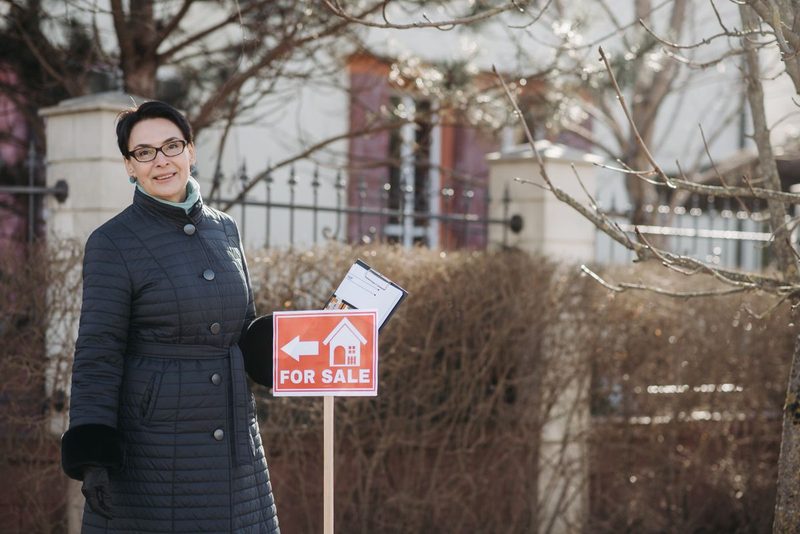
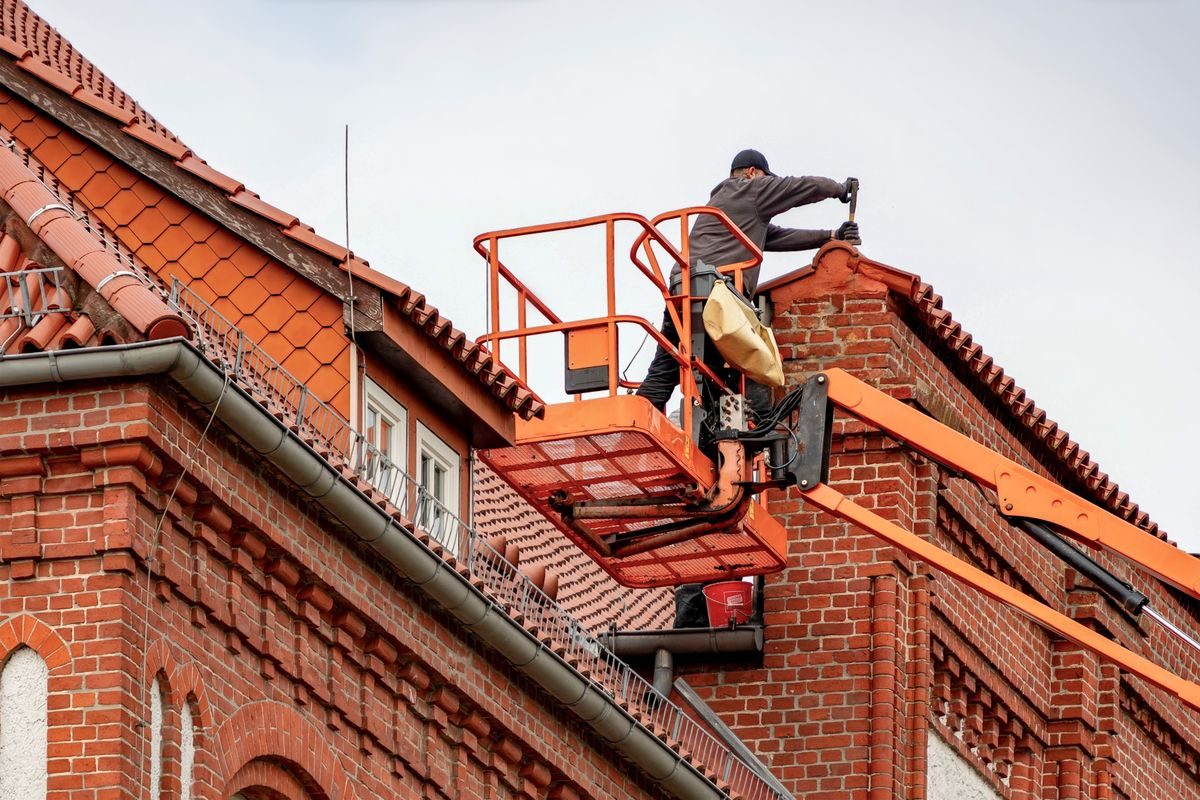
Start with a proper look at the roof. Not a glance from the garden, but someone on a ladder or a drone checking the ridge, the valleys, the chimney flashings and the loft from inside. A pre-sale roof inspection in Chester usually costs £150 to £350, and around two thirds of the older roofs we check turn up at least one item a buyer's surveyor would mention. If you'd like us to take a look before you put the house on the market, Chester Roofers & Contractors can inspect, photograph everything and give you a written quote you can keep on file.
That written quote matters as much as the inspection. It gives you a real number to argue with later, instead of a buyer's guess.
What a RICS Level 2 or Level 3 Survey Will Flag on a Chester Roof
Buyers' surveyors work to the RICS Home Survey Standard, which rates each part of the house 1, 2 or 3. A 3 means a defect that's serious or needs urgent repair, replacement or further investigation. A Level 2 survey looks at the roof from the ground and the loft hatch. A Level 3 goes further, and on a period house it's the one most Chester buyers choose - it costs them £600 to £1,200, so they tend to read every line of it.
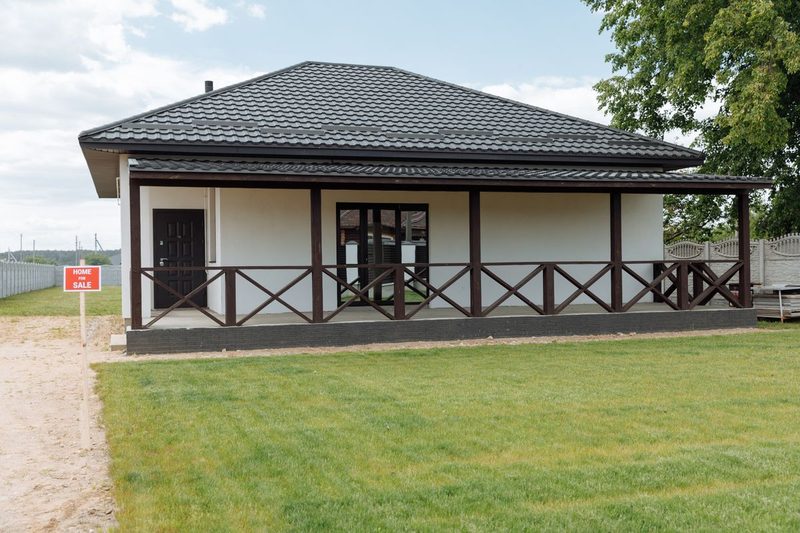
What gets flagged depends heavily on the type of house.
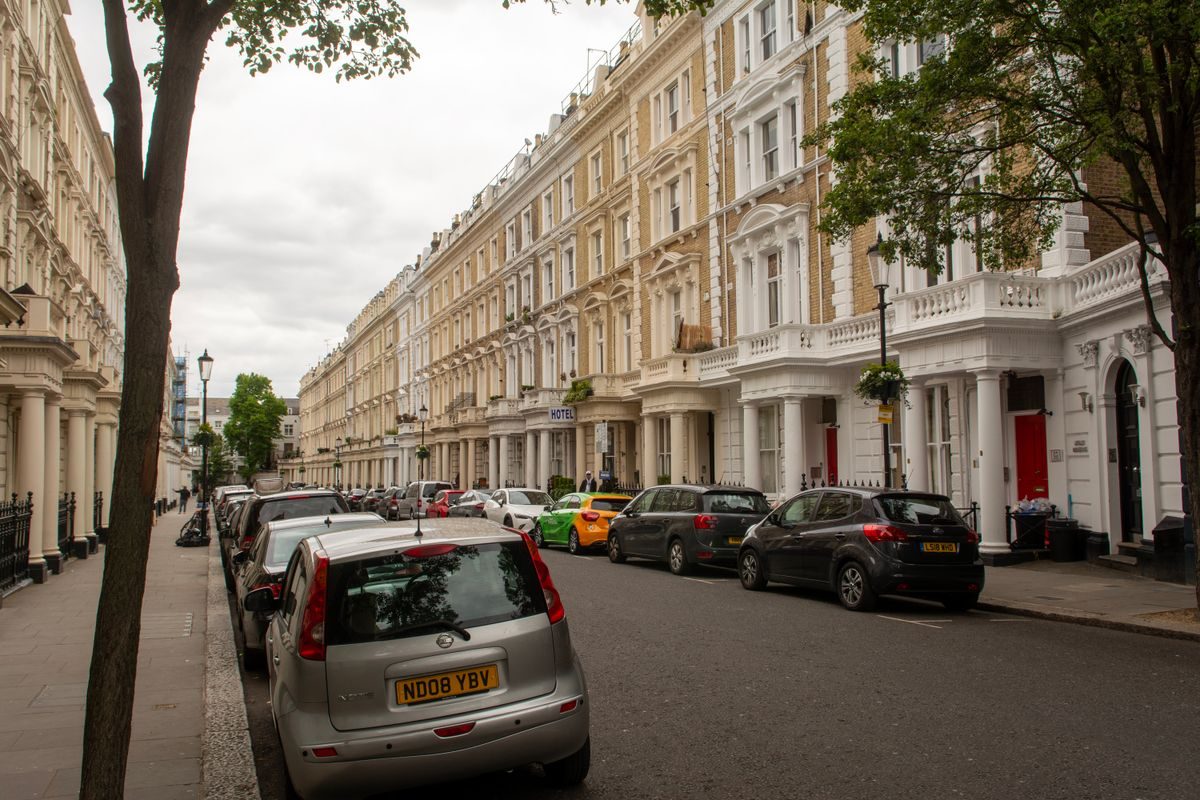
Victorian terraces in Hoole, Handbridge and Boughton
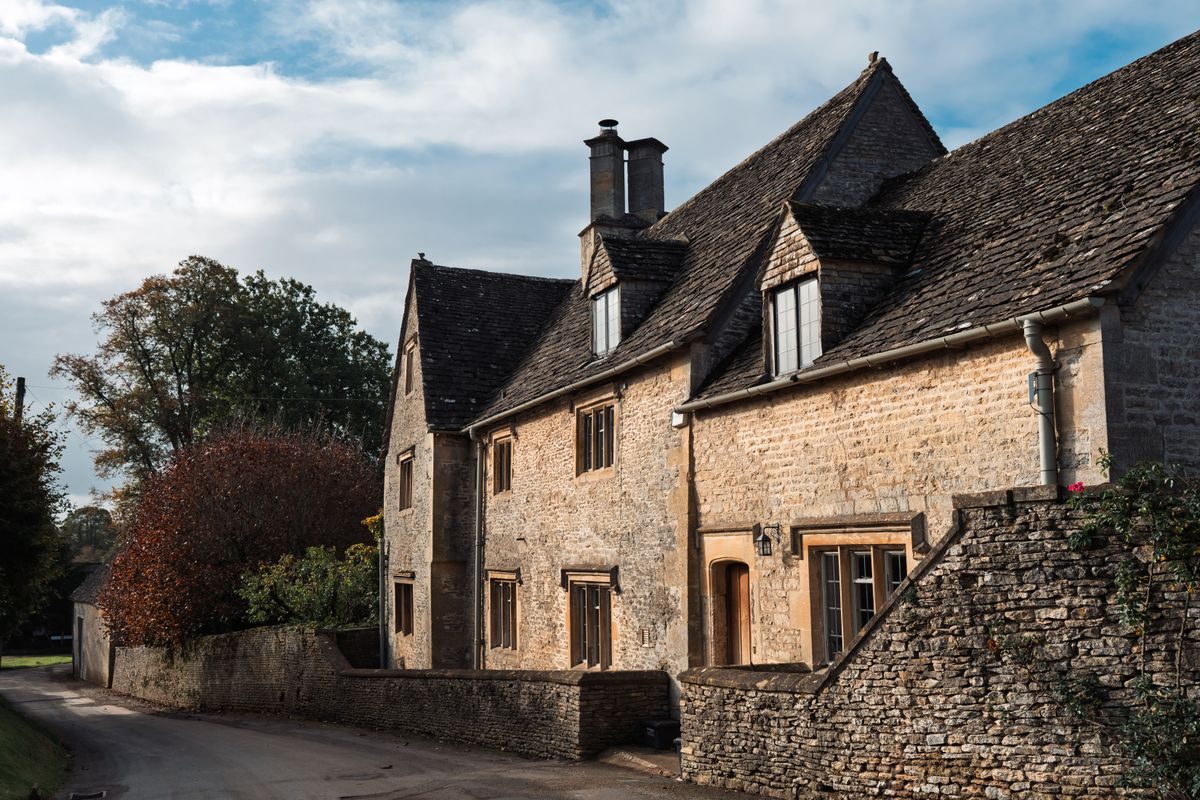
Welsh slate roofs from the 1880s to 1900s often suffer nail fatigue, where the iron nails rust through and slates start to slip. Surveyors also pick up on cracked lead in the back valley, failing parapet gutters and shared chimney stacks with eroded pointing. On a 1900s terrace, expect a survey to recommend "further investigation by a roofing contractor" for at least one of these in most cases.
1930s semis in Upton, Vicars Cross and Hoole Road
Interwar semis typically have clay or early concrete tiles laid with no underlay, or with bitumen felt that has gone brittle. Surveyors flag missing or perished underlay, mortar ridges that have cracked, and replacement concrete tiles that are heavier than the original rafters were designed for. Roughly half the 1930s roofs we see have never been re-roofed.
Student-let terraces near the university
Terraces around Garden Quarter, Newtown and the Parkgate Road side of the city often have 10 to 20 years of patch repairs on them. Mixed tiles, flat-roofed rear extensions on their third layer of felt, and blocked gutters are common. Surveyors notice when repairs have been done cheaply.
Period homes in the conservation areas
Near Grosvenor Park, Queens Park and inside the city walls, surveyors add a note that any roof work may need consent from Cheshire West and Chester Council. That alone makes some buyers nervous, because it adds time and cost to any repair they inherit.
Stage One: Fix, Quote or Leave It Before You List
Before the listing goes live, you have three options. Fix the problem, get it quoted and price the house with that in mind, or leave it and hope. The third one rarely works on a Chester period house. Here's what the most common pre-sale faults cost to put right in 2026:
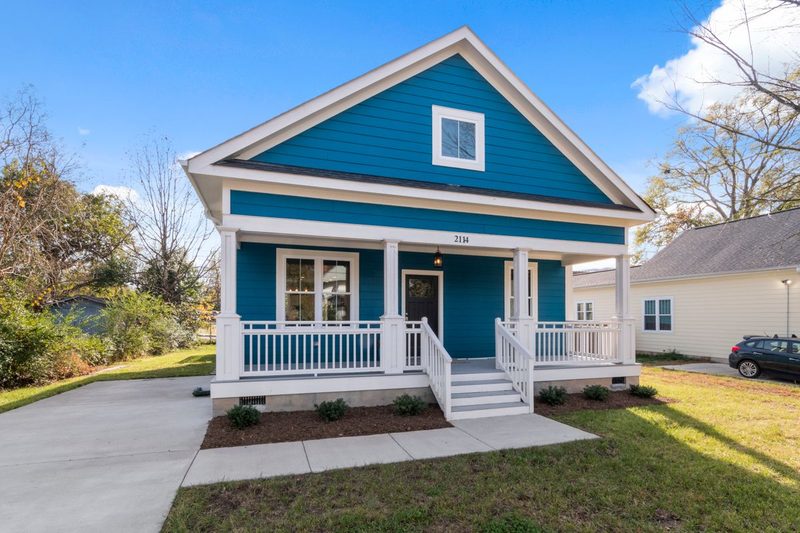
- Replacing 5 to 10 slipped slates or tiles: £200 to £450
- Re-bedding or dry-fixing a ridge on a terrace: £450 to £1,100
- New lead flashing round a chimney: £400 to £850
- Repointing a shared chimney stack (with scaffold): £700 to £1,500
- Re-leading a back valley: £900 to £2,200
- Replacing a flat roof over a rear extension in GRP or EPDM: £1,800 to £4,500
- Full re-roof on a two-up two-down terrace: £8,000 to £13,000
- Full re-roof on a 1930s semi: £9,500 to £15,000
As a rule of thumb, anything under about £2,500 is worth fixing before you list. Buyers tend to knock off 1.5 to 2 times the real repair cost when they're negotiating, because they're pricing in hassle and risk. A £1,000 valley repair can easily become a £2,000 reduction. Bigger jobs like a full re-roof are different. Often the smarter move is to get a written quote, keep it in your sale pack, and price the house accordingly.
Then there's timing. Roofers in Chester and west Cheshire are usually booked four to six weeks ahead through autumn, and scaffold firms are similar. If you want to list in spring, book roof work in January or February when diaries are lighter.
Stage Two: The TA6 Form and What You Have to Tell a Buyer
Once you accept an offer, your solicitor will send you the TA6 Property Information Form. It asks about building work, guarantees, flooding and other known problems. You have to answer it honestly. If you know the roof leaks and you write "not known", or leave it out, the buyer can bring a misrepresentation claim after completion - sometimes for the full repair cost plus legal fees.

Estate agents have their own duties too. Under consumer protection law they must give buyers "material information" that could affect a decision to buy, and the National Trading Standards Estate Agency Team oversees how agents meet that. A known, serious roof defect will often count. So you can't quietly hide it, and neither can your agent.
Owning up doesn't have to hurt you, though. A TA6 that says "valley re-leaded March 2026, 10-year guarantee attached" reads very differently from one that says "some roof leaks in the past". Paperwork turns a worry into a fact. Keep invoices, photos and any guarantee, and pass them over with the form.
Stage Three: When the Buyer's Survey Comes Back
This is where most roof problems actually surface. Plenty of agreed sales fall through before exchange, and a bad survey is near the top of the list of reasons. If the buyer's surveyor flags the roof, expect a phone call from your agent within a day or two asking what you want to do.
You have three realistic responses. First, offer to fix it before exchange, with a written quote and a guarantee. Second, agree a price reduction, ideally based on your own roofer's quote rather than the buyer's worst-case figure. Third, hold firm and risk losing the buyer. Of these, an independent quote is usually the strongest card. Buyers' quotes are often for full replacement when a repair would do, and we regularly see a £12,000 "new roof" demand drop to £2,000 once someone actually gets up there.
Mortgage retentions
Sometimes the buyer's lender makes the decision for both of you. If the mortgage valuer thinks the roof is a risk to their security, they can apply a retention - holding back part of the loan, often £3,000 to £10,000, until the work is done. That's awkward for a buyer, who has to find the gap from savings and can't carry out repairs on a house they don't own yet. In practice, a retention usually pushes the seller to do the work before completion so the lender releases the full amount. If you can see a retention coming, booking the repair early saves weeks.
Stage Four: Getting Roof Work Done Between Offer and Completion
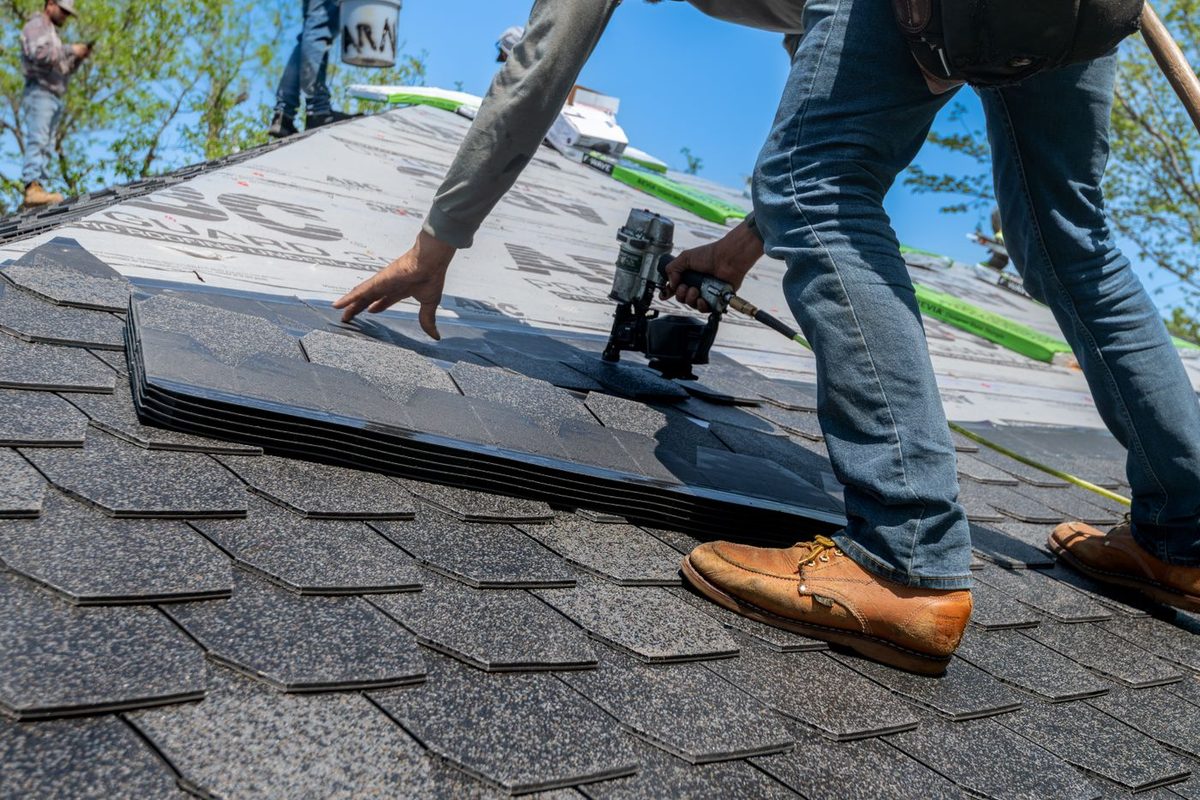
If you've agreed to fix the roof before completion, plan it carefully. Most small repairs take one to three days. A re-roof on a Chester terrace takes one to two weeks, plus a few days for scaffold. In late autumn and winter, rain and wind can stretch that further - the Dee estuary gives Chester more blustery days than inland Cheshire, and nobody should be stripping a roof in a gale.
Ask for three things on paper. A written scope of work, an invoice, and an insurance-backed or transferable guarantee in the buyer's name or one that passes on with the house. Your buyer's solicitor will ask for all three. On a listed building or in a conservation area, also get confirmation that no consent was needed, or a copy of the consent if it was.
Paying for the work during a sale
Cash flow can be tight while you're between homes. Some sellers pay for roof work from the proceeds on completion, but most roofers want staged payments. We've covered how to structure that safely in our guide to paying for a new roof in Chester, including deposits and staged payments, which is worth reading before you sign anything mid-sale.
Selling a House in Chester With a Roof Problem: Which Route Costs Least?
Small faults? Fix them early. Big ones? Get them quoted early. And don't hide anything. Here's how the maths tends to work on a typical Chester terrace with a failing valley and tired ridge:

- Fix before listing: about £1,800 spent, no price reduction, clean survey
- Reduce the price after the survey: often £3,500 to £5,000 off, plus a nervous buyer
- Say nothing and hope: possible collapsed sale, re-listing costs and a buyer who now knows about the problem anyway
Sellers who get ahead of the roof also tend to sell faster, because there's less to argue about in weeks 6 to 12 of the process. On a house worth £280,000, even a 2% reduction is £5,600 - far more than most roof repairs.
Frequently Asked Questions
Do I have to tell a buyer about a roof problem when selling in Chester?
Yes, if you know about it. The TA6 form asks about known problems and building work, and giving misleading answers can lead to a misrepresentation claim after completion. It's better to disclose with a repair invoice or quote attached.
Should I fix my roof before selling or reduce the price?
For repairs under about £2,500, fixing first usually works out cheaper, as buyers tend to ask for 1.5 to 2 times the real cost off the price. For a full re-roof, get a written quote and price the house with it in mind.
What is a mortgage retention on a roof?
It's when a lender holds back part of the buyer's mortgage, often £3,000 to £10,000, until roof repairs are completed. It often pushes the seller to do the work before completion.
How long does pre-sale roof work take in Chester?
Most repairs take one to three days. A full re-roof on a terrace takes about one to two weeks plus scaffold time, and roofers are often booked four to six weeks ahead in autumn.
Will a buyer's survey always flag an old roof?
Not always, but on Victorian terraces and 1930s semis in Chester it's likely. Original slates, missing underlay, worn valleys and chimney flashings are the usual items, and a Level 3 survey looks closer than a Level 2.
Ready to work with Chester Roofers & Contractors?
Let's connect! We’re here to help.
Send us a message and we’ll be in touch.
Or give us a call today at 01244 740253
Agency Contact Form
More Marketing Tips, Tricks & Tools
Chester Roofers & Contractors