Parapet and Box Gutters on Chester's Victorian Terraces: Why They Leak and What Repairs Cost
Chester gets around 800mm of rain across roughly 145 wet days a year, and a large share of the city's housing was built to throw all of it into a gutter you cannot see from the pavement. Walk through Hoole, Boughton, Handbridge or the Garden Quarter and you'll see terrace after terrace with a low brick parapet wall at roof level. Behind that wall sits a flat-bottomed, lead-lined channel running the length of the roof. It's called a parapet gutter or box gutter, it handles 100% of that roof's water, and when it fails the water goes inside the building rather than down the front. In our experience roughly a third of persistent leaks on Chester's pre-1910 terraces trace back to this one detail. Here's how they go wrong and what fixing them costs.
What a Parapet or Box Gutter Actually Is
On a modern house, rain runs off the tile edge into a plastic gutter bolted to the fascia. If that overflows, water lands in the garden. Annoying, harmless.

Victorian terraces in Chester were often built differently. To give the street a clean, uniform roofline, the builder carried the front wall up past the roof to form a parapet. The roof slope then drains backwards or sideways into a timber trough lined with lead, sitting between the parapet and the tiles. That trough runs to an outlet, through the wall or into a hopper, and down a cast iron or uPVC downpipe.
There are three common versions around Chester:
- Parapet gutter - between the outer wall and the roof slope, hidden behind the parapet
- Box gutter - a lead-lined trough running between two roof slopes, often between a main roof and a rear back-addition
- Secret or valley gutter - the concealed channel where two terraced properties meet, frequently shared between neighbours
All three share the same weakness. There is no safe overflow. When the water can't get out of the trough, it rises, finds the lowest weak point in the lining, and enters the roof structure. If you've noticed damp appearing where there's no obvious reason for it, a roofer who knows Chester's terraces will usually go straight up to the gutter before looking anywhere else.
Why They Fail: The Six Usual Culprits
Lead fatigue and splitting. Lead expands and contracts with temperature, quite substantially - a 3m length can move several millimetres between a frosty January morning and a July afternoon. If the original installer ran the lining in over-long sections without drips or expansion joints, that movement has nowhere to go and the sheet eventually splits, almost always along a fold. Most Chester parapet gutters were laid between 1870 and 1910, which puts the lead well past the 60 to 100 year life it was good for.
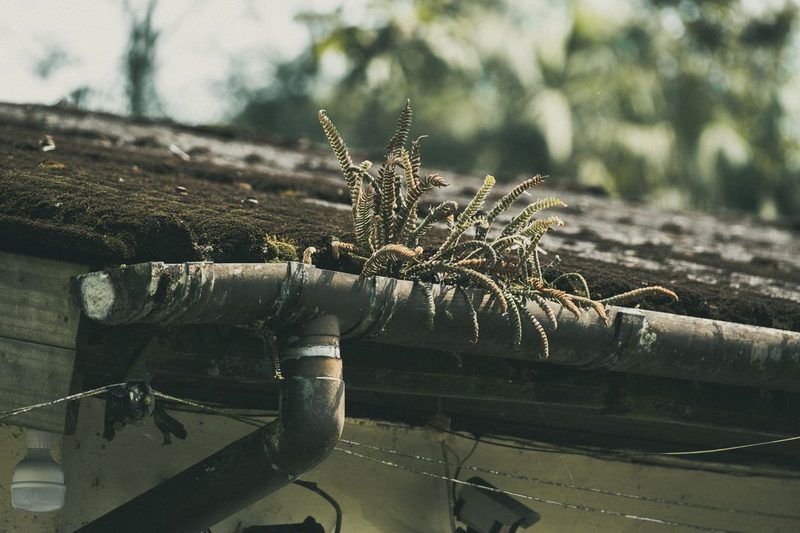
Blocked outlets. The outlet is often a 65mm to 100mm hole. Chester's mature street trees, particularly the limes and sycamores through Hoole and Curzon Park, drop enough leaf litter each October to block one in a fortnight.
Ponding and standing water. These gutters need a fall of at least 1:80 to drain properly. Timber sags over 130 years, and a gutter with a dip holds water permanently, which rots the boarding beneath.
Failed joints at the abutment. Where the lining turns up the parapet wall it should be tucked into a mortar joint and wedged. Chester's soft red sandstone and lime mortar weather fast, and once that chase opens up water runs behind the lead rather than over it.
Mortar and coping failure on the parapet itself. The stone or brick coping on top of the wall takes the full weather. Open joints let water soak into the wall core, and it comes out lower down as a damp patch that looks nothing like a roof leak.
Well-meant repairs. Bitumen paint, flashing tape, expanding foam and mastic in the outlet. All of these buy a season and make the eventual proper repair more expensive because the lead has to be cleaned or replaced rather than dressed.
Why the Damp Shows Up in the Wrong Room
Water leaving a box gutter rarely lands directly below the fault. It runs along a rafter, drops onto a ceiling joist, tracks across, and appears in a bedroom two rooms away or on a chimney breast. We've written about this at length in our guide to finding a roof leak in Chester and why water shows up far from the fault, which is worth reading before anyone starts cutting into ceilings.
The Chester Weather Pattern That Makes It Worse
Chester sits in a relatively sheltered spot compared with much of the North West, but the rainfall pattern here is hard on concealed gutters. According to Met Office climate averages, the wettest stretch runs October through January, with December and January routinely exceeding 80mm each. That's exactly the period when leaves have finished falling and outlets are at their most blocked.

Then there's the freeze-thaw cycle. Chester typically sees 40 to 50 air frost days a year. Water sitting in a ponding gutter freezes, expands, lifts the lead off the boards, and thaws. Repeat that fifteen times over a winter and a gutter that was merely tired in October is leaking by March.
The other local factor is the sheer density of shared roofs. In a terrace, a failed box gutter is rarely one household's problem. The channel usually straddles the party wall, which makes both the diagnosis and the invoice a conversation with the neighbours.
What a Proper Repair Involves
There are four levels of work, and a decent roofer will tell you honestly which one you need.

Clear and service - £120 to £250. Clearing outlets, removing debris, checking falls, resealing minor joints. This is maintenance, not repair, and on a Chester terrace it wants doing every autumn.
Localised patch repair - £300 to £700. Lead welding a split, replacing a short section, re-dressing the upstand into a raked-out chase and repointing. Only worth doing where the rest of the lining is sound.
Full reline in lead - £2,000 to £5,500 for a typical terrace run. Strip out, replace rotten boarding, correct the falls with firrings, and lay new Code 5 lead in properly sized bays with drips and expansion allowance. Done correctly this is a 60 to 80 year repair. The National Federation of Roofing Contractors publishes the technical standards good contractors work to, and it's a reasonable thing to ask a quoting roofer about.
Full reline in a single-ply or GRP membrane - £1,400 to £3,500. Cheaper, faster, and genuinely durable at 25 to 35 years. The catch is planning: on a listed building or in a conservation area you usually can't, and Chester has a lot of both.
Add scaffolding to any of the last three. On a two-storey terrace with front access that's typically £600 to £1,400 for a two-week hire. If the gutter is at the rear with no vehicle access, which is common in the Garden Quarter, expect more.
The Chester Planning Question
This is where Chester differs from most cities, and it catches people out.

Chester has several designated conservation areas covering large parts of the city, alongside more than 500 listed buildings. Within those areas, swapping a lead gutter lining for a modern membrane can count as an alteration affecting the building's character - even though nobody can see it from the street, because the detail it feeds, the hopper, the coping and the downpipe, usually can be.
Practical position:
- Listed building - like-for-like lead is generally accepted as repair. A change of material almost always needs listed building consent, and refusal is common.
- Conservation area, unlisted - the lining itself is often fine to change, but visible cast iron hoppers and downpipes should be replaced in cast iron or a convincing cast-aluminium match, not black uPVC.
- Outside both - your choice, though lead still outlasts everything else.
Check your property's status on the Cheshire West and Chester Council planning pages before you agree a specification. It takes five minutes and can save a very expensive argument.
Getting It Priced Properly
Ask any roofer quoting on a Chester box gutter for four specific things, and the quality of the answers will tell you more than the price:

- What lead code are you using, and in what bay lengths? Code 5 is the practical minimum for a gutter lining, in bays of no more than about 1.5m with proper drips between them. A quote that doesn't mention either is a warning sign.
- What are you doing about the falls? "Relining the existing" without correcting a sagged fall means you'll be doing it again.
- Are you replacing the boarding? After 130 years, usually some of it needs it.
- How are you finishing the upstand? Raked-out chase, wedged and repointed is right. Mastic over the top is not.
Get three quotes and expect them to differ by more than you think, because they'll be pricing different jobs. The cheapest is very often a patch described as a reline.
When to Look, and What to Look For
The best time to inspect a Chester parapet gutter is late September, before the leaves drop and before the wet season sets in. From a loft hatch on a bright day you can often see daylight through a split, and damp or dark staining on the rafter feet directly under the gutter line is a reliable early warning.

From ground level, look for: staining running down the render or brickwork below a hopper, vegetation growing out of the parapet, a downpipe that stays dry during heavy rain when it shouldn't, and water running down the face of the wall rather than out of the outlet. Any of those, and it's worth getting eyes on the gutter before winter.
Frequently Asked Questions
How much does it cost to reline a parapet gutter on a Chester terrace?
A full lead reline on a typical terrace run costs £2,000 to £5,500, plus £600 to £1,400 for scaffolding. A single-ply or GRP membrane reline is cheaper at £1,400 to £3,500 but is often not permitted on listed buildings or in Chester's conservation areas. Localised patch repairs run £300 to £700 where the rest of the lining is sound.

Who is responsible for a shared box gutter between two terraced houses in Chester?
If the gutter straddles the party wall, both owners typically share responsibility for its maintenance and repair. The exact position depends on your deeds. In practice, the sensible route is a joint inspection and a split invoice, because repairing only half a gutter rarely solves the leak for either property.
Can I replace a lead parapet gutter with a modern membrane in Chester?
Outside a conservation area and on an unlisted property, yes - GRP and single-ply membranes give 25 to 35 years for less money. On a listed building you will usually need listed building consent and it is frequently refused, with like-for-like lead expected instead. Always check with Cheshire West and Chester Council first.
How often should a Chester box gutter be cleared?
At least once a year, ideally in late autumn after leaf fall, and twice a year on properties with mature trees nearby. A clearance visit costs £120 to £250 and is the cheapest roof maintenance available, given that a blocked outlet is the most common single cause of a failed gutter.
Why is the damp patch nowhere near my box gutter?
Water leaving a failed gutter runs along rafters and joists before it drops, so staining commonly appears several metres from the actual fault, often on a chimney breast or in an adjacent room. This is why tracing the source properly, rather than repairing the nearest visible defect, matters so much on Victorian roofs.
```json { "@context": "https://schema.org", "@type": "FAQPage", "mainEntity": [ { "@type": "Question", "name": "How much does it cost to reline a parapet gutter on a Chester terrace?", "acceptedAnswer": { "@type": "Answer", "text": "A full lead reline on a typical terrace run costs £2,000 to £5,500, plus £600 to £1,400 for scaffolding. A single-ply or GRP membrane reline is cheaper at £1,400 to £3,500 but is often not permitted on listed buildings or in Chester's conservation areas. Localised patch repairs run £300 to £700 where the rest of the lining is sound." } }, { "@type": "Question", "name": "Who is responsible for a shared box gutter between two terraced houses in Chester?", "acceptedAnswer": { "@type": "Answer", "text": "If the gutter straddles the party wall, both owners typically share responsibility for its maintenance and repair. The exact position depends on your deeds. In practice the sensible route is a joint inspection and a split invoice, because repairing only half a gutter rarely solves the leak for either property." } }, { "@type": "Question", "name": "Can I replace a lead parapet gutter with a modern membrane in Chester?", "acceptedAnswer": { "@type": "Answer", "text": "Outside a conservation area and on an unlisted property, yes - GRP and single-ply membranes give 25 to 35 years for less money. On a listed building you will usually need listed building consent and it is frequently refused, with like-for-like lead expected instead. Always check with Cheshire West and Chester Council first." } }, { "@type": "Question", "name": "How often should a Chester box gutter be cleared?", "acceptedAnswer": { "@type": "Answer", "text": "At least once a year, ideally in late autumn after leaf fall, and twice a year on properties with mature trees nearby. A clearance visit costs £120 to £250 and is the cheapest roof maintenance available, given that a blocked outlet is the most common single cause of a failed gutter." } }, { "@type": "Question", "name": "Why is the damp patch nowhere near my box gutter?", "acceptedAnswer": { "@type": "Answer", "text": "Water leaving a failed gutter runs along rafters and joists before it drops, so staining commonly appears several metres from the actual fault, often on a chimney breast or in an adjacent room. This is why tracing the source properly, rather than repairing the nearest visible defect, matters so much on Victorian roofs." } } ] } ```
```json { "@context": "https://schema.org", "@type": "Article", "headline": "Parapet and Box Gutters on Chester's Victorian Terraces: Why They Leak and What Repairs Cost", "description": "Hidden box gutters and parapet gutters cause more leaks on Chester's Victorian terraces than any other roof detail. Here's how they fail, why the damp appears in the wrong room, and what relining costs in 2026.", "author": { "@type": "Organization", "name": "The Team" }, "datePublished": "2026-09-15", "dateModified": "2026-09-15", "articleSection": "Roof Repairs" } ```
Ready to work with Chester Roofers & Contractors?
Let's connect! We’re here to help.
Send us a message and we’ll be in touch.
Or give us a call today at 01244 740253
Agency Contact Form
More Marketing Tips, Tricks & Tools
Chester Roofers & Contractors