Autumn Roof Checks in Chester: The September Jobs That Prevent £2,000 Winter Repairs
There is a window every year, roughly mid-September to the end of October, when a Chester roof problem costs a few hundred pounds to fix. Miss it and the same problem costs a few thousand in February. That is not a sales line, it is just how water and freezing temperatures work. Chester sits under around 700 - 750mm of rain a year spread across 140-odd wet days, and the wet half of the year genuinely is half the year here - October through March delivers close to 60% of the annual total. Add an average of 40 to 50 air frosts a season and you have the two ingredients that turn a hairline crack into a collapsed ridge. Roughly 70% of the emergency call-outs local roofers take between December and February trace back to something that was visible and cheap to fix in autumn. Here is what to look at now.
Start With the Gutters, Because Everything Else Follows From Them
More winter roof damage in Chester starts in a blocked gutter than anywhere else, and it is the one thing homeowners consistently underestimate. A gutter full of leaf litter and moss does not simply overflow. It holds standing water against the fascia board, which rots the timber, which loosens the gutter brackets, which tilts the run, which puts water somewhere it was never meant to go - usually down the wall and into the cavity.
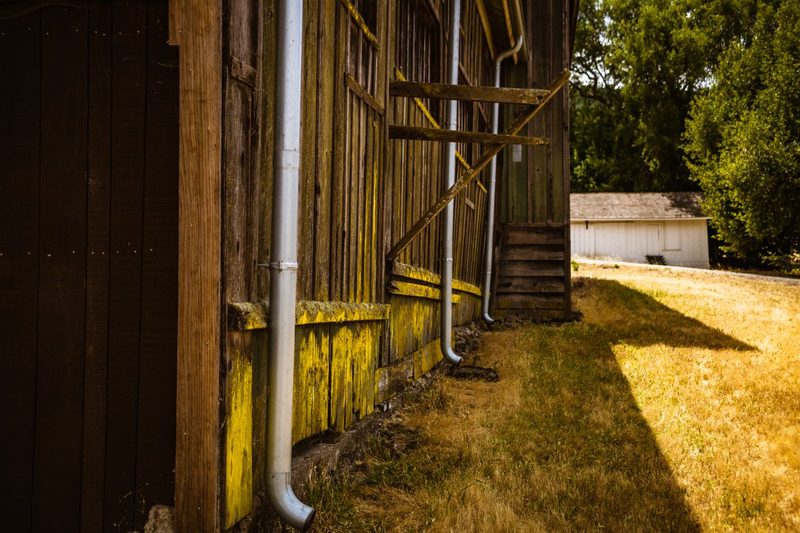
Chester's tree cover makes this worse than the regional average. The mature limes, planes and sycamores through Curzon Park, Hoole, Boughton and Handbridge drop heavily between late September and early November, and a gutter under a mature sycamore can go from clear to blocked in three weeks. If your property has trees within 10 metres, once a year is not enough - twice, late September and again in late November after the last of the leaves are down, is the realistic schedule.
Expect £80 - £180 for a standard semi or terrace clear in Chester, and £150 - £300 for a larger detached or anything needing more than a two-storey ladder. It is worth booking before the rush - once the first serious storm lands, every roofer in the city has a two-week backlog. If you would rather have someone look at the whole roofline rather than just clear the gutters, Chester Roofers & Contractors will usually combine the two into one visit, which is cheaper than paying for the access twice.
The Five-Minute Check You Can Do From the Ground
Walk the perimeter of the house during heavy rain. Every overflow point, every drip from a joint, every dark vertical stain on the render or brickwork below a gutter line is telling you something. Then repeat it on a dry day and look at the same walls - staining that stays dark after 48 hours of dry weather is saturated masonry, not surface water, and that is a fix-now problem rather than a spring problem.
Ridge and Hip Tiles: The Chester Special
If there is one fault that defines older Chester roofs, it is failing mortar on ridge and hip lines. An enormous share of the city's housing stock - the Victorian and Edwardian terraces through Hoole and Garden Quarter, the interwar semis along the Sealand and Saltney corridors - was built with ridge tiles bedded on sand and cement. That mortar has a service life of roughly 20 to 30 years. Plenty of it is now on its second or third decade past that.
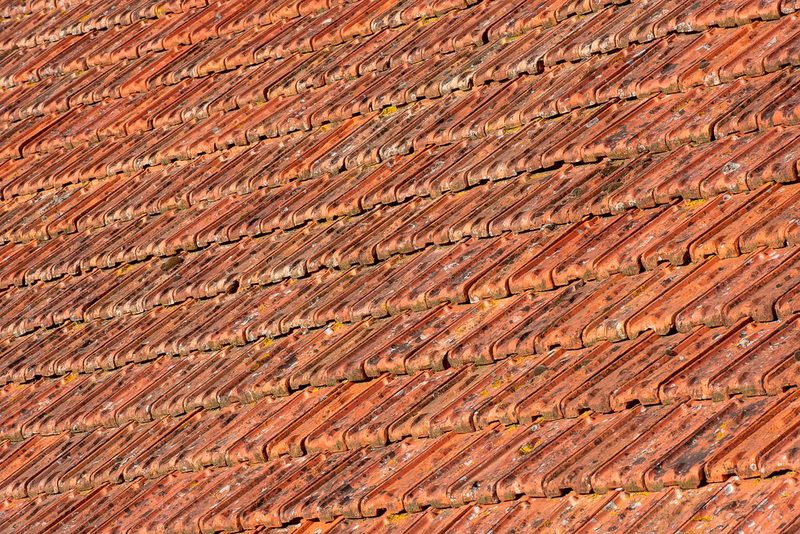
Failed ridge mortar is dangerous in a specific way: it does not leak gently, it fails suddenly. Water gets into the mortar bed, freezes, expands, and pops the bond. The tile is then sitting on nothing but its own weight, and the first 50mph gust takes it off the roof. Chester gets several named storms a season now, and gusts through the Dee estuary funnel can exceed 60mph even well inland.
The check is visual and you can do most of it with binoculars from the garden. Look for gaps in the mortar line, sections that have crumbled away, ridge tiles sitting visibly higher or lower than their neighbours, and any vegetation growing along the ridge - moss and grass rooting in the mortar joint is proof that the joint is already open and holding water.
Re-pointing a ridge line runs £25 - £45 per metre in Chester. A full re-bed, taking the tiles off and setting them fresh, is £45 - £80 per metre. A dry ridge system, which uses mechanical fixings and a ventilated seal instead of mortar, costs £55 - £95 per metre and carries a 10 to 15 year guarantee rather than needing repointing again in twenty. On a typical 10-metre terrace ridge that is £250 - £450 for repointing against £550 - £950 for dry ridge. The National Federation of Roofing Contractors publishes guidance on contractor standards that is worth reading before you accept a quote for either.
Slipped and Cracked Tiles: Find Them Now, Not in January
A single slipped tile is a £120 - £220 job in September. The same slipped tile discovered in January, after three months of water running onto the felt below, is usually £400 - £900 because the batten has rotted, the felt has perished, and sometimes a rafter end needs treating.
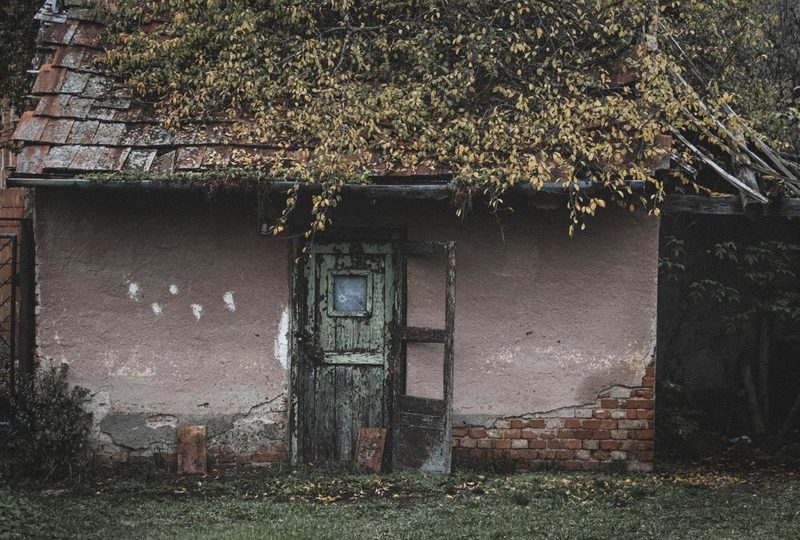
Look for tiles that sit proud of the line, tiles with a visible crack running edge to edge, and gaps where a tile has slipped far enough to expose the underfelt. On slate roofs, which you will find across a good share of central Chester's older stock, look for the tell-tale fine white line at the head of a slate where a fixing nail has corroded through - nail sickness. It is the single most common reason a Victorian Chester slate roof starts shedding slates all at once rather than one at a time.
What a Proper Autumn Inspection Should Cover
A roofer doing this properly is not standing in your garden with binoculars. They should get up, or get a drone up, and check the ridge and hip lines, the valleys, all lead flashings at abutments and chimneys, the verges, the condition of the underfelt visible at the eaves, and the state of the fascias and soffits. Expect £120 - £250 for a full inspection with a written report in Chester, and expect it to be waived or discounted if you go ahead with the work.
Anyone quoting without going up should be treated with caution. Roof work is high-risk and properly regulated - the HSE's guidance on roof work sets out what safe access actually looks like, and a contractor who cuts corners on access is cutting corners elsewhere too.
Chimney Stacks, Flashings and the Places Chester Water Gets In
Chester has a lot of chimneys, and a decent proportion of them are no longer used. An unused stack is worse than a used one - no warm flue gases drying it out, so it stays wet through the winter and the freeze-thaw cycle works on it undisturbed.

The things to look for: crumbling or missing pointing between the bricks, a cracked or missing flaunching (the mortar cap around the pot), lead flashing that has lifted, split or been patched with mastic by a previous owner, and any visible lean. A stack leaning more than about 25mm out of plumb is a structural concern rather than a maintenance one.
Costs run roughly: re-flaunching £180 - £350, repointing a stack £300 - £700 depending on height and access, new lead flashing around a stack £350 - £750, and a full rebuild from roof level £900 - £2,200. Scaffolding is often the largest single line on a chimney quote and is worth asking about separately.
A Note on Damp Showing Up in the Wrong Room
Water that enters at a chimney or a valley rarely appears directly below the fault. It runs along a rafter, drops onto a ceiling joist, tracks along that, and shows up as a stain three or four metres away. Homeowners regularly spend money chasing a stain on a bedroom ceiling when the actual fault is at a valley on the other side of the roof. We went into how this works in more detail in our guide to storm damage roof repairs in Chester and what insurance covers, which is useful if you are trying to work out whether a claim is worth making.
Moss, Damp and the Cheshire Plain Problem
Chester sits on the Cheshire Plain, low-lying, with high humidity through the winter and relatively mild temperatures. That combination is perfect for moss. North-facing roof slopes across the city routinely carry 20 - 40mm of moss growth, and on concrete interlocking tiles from the 1960s and 1970s it can be thicker.
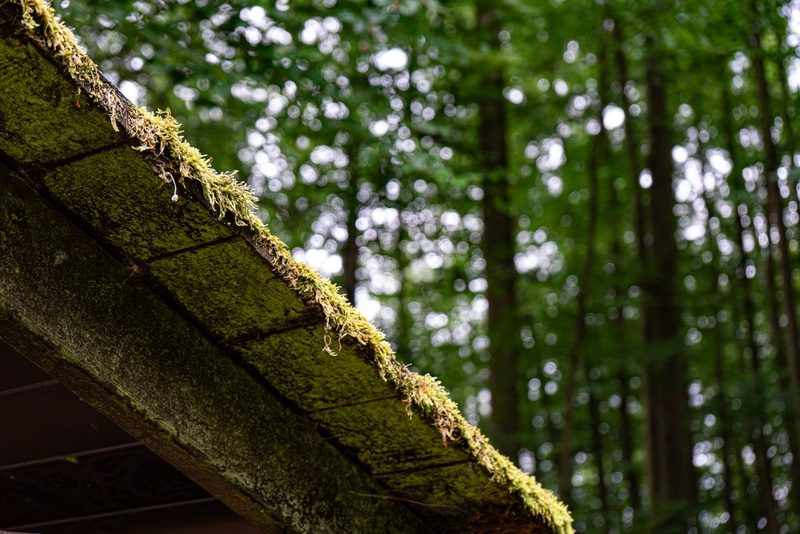
Moss itself does not destroy a roof, and anyone telling you it does is overselling. What it does is hold water against the tile surface, which accelerates freeze-thaw damage on porous concrete tiles, and it breaks off in clumps that block gutters and downpipes. The autumn issue is specifically the gutter-blocking one.
Manual removal by scraping, followed by gutter clearance, runs £250 - £500 for a typical Chester semi. Avoid anyone offering to jet-wash a tiled roof at high pressure - it strips the protective surface layer off concrete tiles and forces water under the laps. Low-pressure treatment with a biocide is the safer route at £350 - £700, and it works slowly over several months rather than looking dramatic on the day.
Why September and October Are the Cheapest Months to Get This Done
Roofing demand in Chester is seasonal in a way that works in your favour right now. Through July and August, roofers are booked on planned work - full re-roofs, extensions, loft conversions. From December through February they are on emergencies, charging call-out premiums, and quoting three weeks out. The gap in between is where the availability sits.

There is a practical reason too. Mortar needs temperatures above roughly 5°C to cure properly, and lead work and felt bonding are both easier and better done in dry, mild conditions. A ridge re-bedded in October cures properly. The same job attempted in a January cold snap either gets postponed or gets done badly.
The regional picture helps as well. Cheshire and North Wales have a reasonable supply of roofing contractors compared with parts of the South East, but the sector has an ageing workforce - the average UK roofer is now in their mid-forties, and apprenticeship starts have not kept pace with retirements. Booking ahead matters more than it used to. If you are planning anything that needs scaffolding or a road-space licence, Cheshire West and Chester Council's permit process adds time, and the council's own service pages are the place to start for anything affecting a pavement or highway.
Frequently Asked Questions
When is the best time of year to have a roof inspection in Chester? Mid-September to the end of October. Roofers have more availability between the summer planned-work season and the winter emergency season, mortar and lead work cure properly in mild dry conditions, and anything found can be fixed before the freeze-thaw cycle turns a small fault into a large one. Expect £120 - £250 for a full inspection with a written report, often discounted against any work carried out.

How often should gutters be cleared in Chester? Once a year as a minimum, and twice for any property with mature trees within about 10 metres - late September and again in late November once the leaves are down. Chester's tree cover through Hoole, Curzon Park, Boughton and Handbridge makes twice-yearly the realistic standard. Clearance runs £80 - £180 for a typical semi or terrace, £150 - £300 for larger detached properties.
How much does it cost to repair ridge tiles in Chester? Repointing a ridge line is £25 - £45 per metre, a full re-bed is £45 - £80 per metre, and a dry ridge system is £55 - £95 per metre. On a typical 10-metre terrace ridge that means roughly £250 - £450 for repointing against £550 - £950 for dry ridge. Dry ridge costs more up front but carries a 10 to 15 year guarantee and will not need repointing again in two decades.
Is moss on my roof actually a problem? Less than most people are told. Moss does not destroy tiles on its own. The real issues are that it holds moisture against porous concrete tiles, which speeds up frost damage, and that clumps break off and block gutters and downpipes. On the Cheshire Plain, with high winter humidity, 20 - 40mm of growth on north-facing slopes is normal. Manual removal plus gutter clearance runs £250 - £500. Never allow high-pressure jet washing on a tiled roof.
Why is my ceiling stain nowhere near the roof fault? Water entering at a chimney, valley or flashing runs along the underside of a rafter and then tracks along a ceiling joist before it drops. It commonly appears three to four metres from the actual entry point, sometimes in a different room entirely. This is why chasing the stain rarely finds the fault, and why a proper inspection looks at the whole roof rather than the area directly above the damp patch.
Ready to work with Chester Roofers & Contractors?
Let's connect! We’re here to help.
Send us a message and we’ll be in touch.
Or give us a call today at 01244 740253
Agency Contact Form
More Marketing Tips, Tricks & Tools
Chester Roofers & Contractors