Roof Repairs in Mold and Buckley: Common Problems, Costs and Who to Call
Mold and Buckley sit on the Flintshire side of the border, roughly 12 and 9 miles from Chester, and their roofs take a noticeably harder beating than the ones on the Cheshire plain. Both towns sit between 80 and 200 metres above sea level on ground that rises towards the Clwydian Range, and rainfall here runs around 850 to 1,000 mm a year against roughly 700 mm at Chester. Add prevailing south-westerlies funnelled up the Alyn valley and gust speeds that regularly exceed 55 mph in winter storms, and the result is a repair pattern dominated by wind lift and driven rain rather than simple wear. Roof repairs in the two towns typically run £180 to £1,400 depending on the fault. Here is what goes wrong and what it costs to put right.
What Roof Repairs Cost in Mold and Buckley in 2026
Small, access-from-a-ladder jobs sit at the bottom. Replacing three or four slipped tiles runs £180 to £320. Refixing a single loose ridge tile is £150 to £280. Clearing and resealing a blocked valley gutter costs £220 to £420.
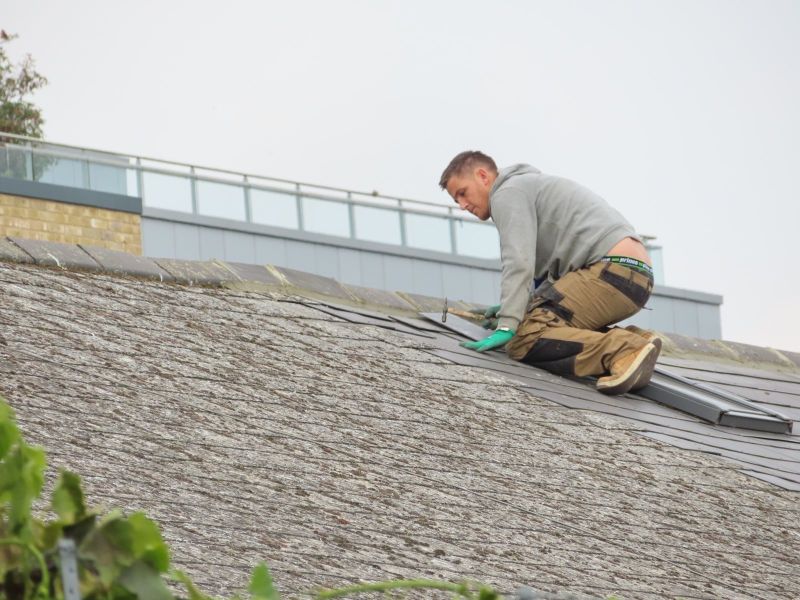
Middle-range work needs a tower or scaffold and moves the price. Repointing a full ridge line on a semi runs £550 to £1,100. Replacing lead flashing to a chimney is £450 to £900. Renewing a valley in lead or GRP costs £700 to £1,500 depending on length.
Larger repairs shade into partial replacement. Re-tiling one elevation of a three-bedroom semi typically lands £2,800 to £5,500. A full re-roof on the same property runs £7,500 to £13,000 in this area, with slate at the top of that range and concrete interlocking tiles at the bottom. Scaffolding is £600 to £1,400 of that on a standard house, more on a corner plot or where a highway licence is needed. For a fixed price on a specific fault, Chester Roofers & Contractors covers both towns and will put a figure on it after an inspection rather than over the phone.
Buckley's Clay Heritage and What It Left on the Roofs
Buckley was a brick and clay town for two centuries, and the local Buckley fireclay produced roof tiles and ridge that ended up on thousands of houses across Flintshire and into Cheshire. A lot of that material is still up there and it behaves differently from modern concrete.

Old hand-made clay tiles are thinner, lighter and more porous than concrete interlocking tiles. They tolerate movement well but they spall at the exposed edge once frost gets into a saturated surface, and after 90 or 100 years you start seeing delamination along the tail. A roof that looks intact from the ground can be losing 2 to 3mm of thickness per decade at the bottom course.
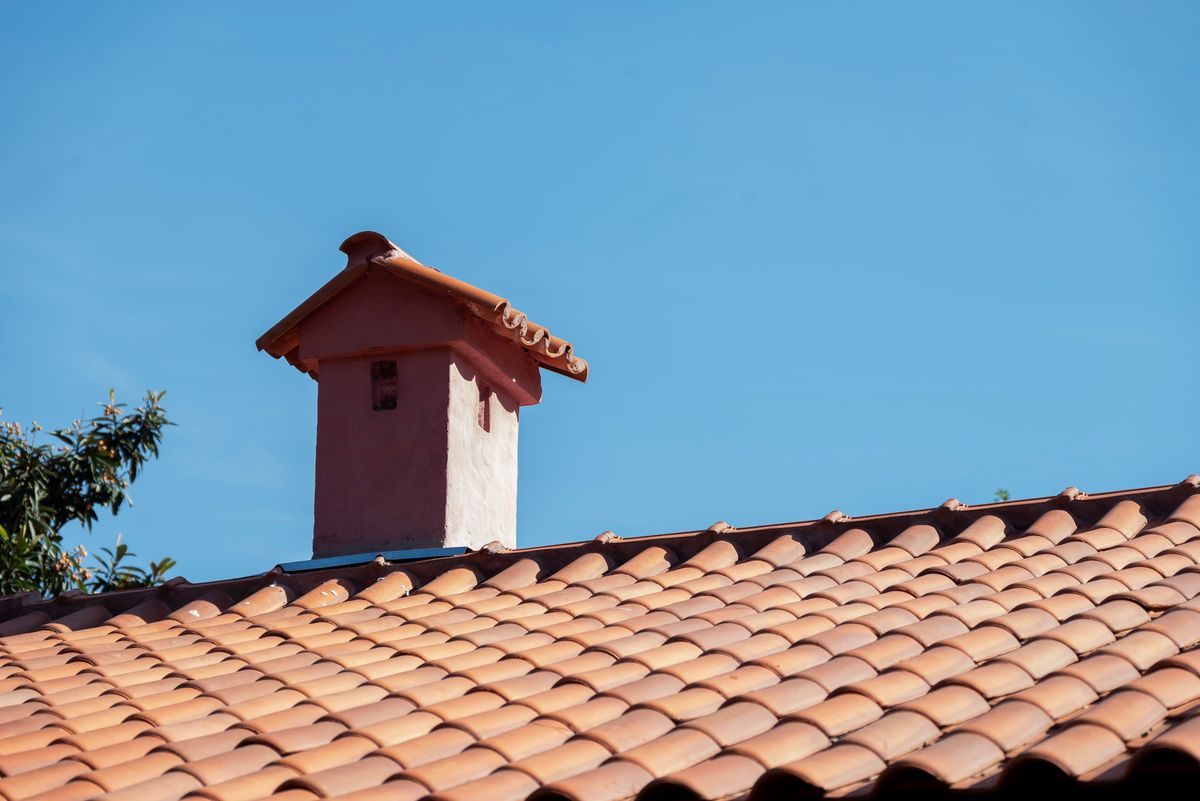
The practical problem is matching. Original Buckley clay is not made any more, so a repair means reclaimed tiles. Reclaimed clay plain tiles cost £1.10 to £2.60 each against 60p to £1.20 for new machine-made, and supply is inconsistent. A sensible roofer will lift sound tiles from a rear elevation to patch the front, then use new or reclaimed alternatives where they are less visible.
Why Nail Sickness Shows Up Here
On any roof over about 70 years old, the failure is usually the fixing rather than the tile. Iron nails corrode, the tile loses its hold, and the first big gust takes it. On Buckley's older terraces the whole roof can reach that point within a few years of itself, which is why a house can go from one slipped tile a year to eight in a single winter. Once you are patching more than about 15% of a slope annually, re-tiling that elevation usually costs less over five years than the repairs.
Mold's Exposure and the Wind Problem
Mold sits in the Alyn valley with open ground to the south-west, and the properties on the higher ground towards Gwernaffield, Pantymwyn and the Bailey Hill side catch wind that has not been slowed by anything much since Snowdonia.
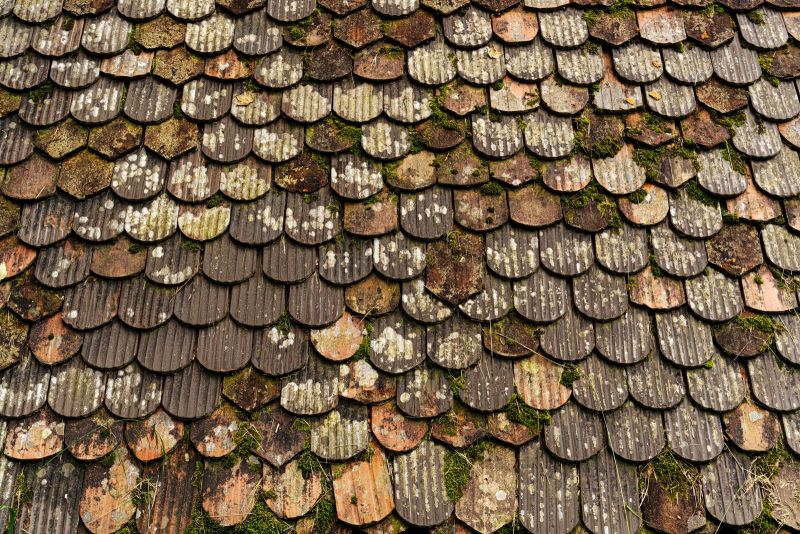
Wind damage on a pitched roof concentrates in three places: the ridge, the verge, and the leading edge of the eaves course. Mortar-bedded ridge and verge details are the most common casualty. Mortar has no tensile strength and no tolerance for movement, so once it cracks - typically at 15 to 25 years in this exposure - water gets behind and the freeze-thaw cycle does the rest.
This is why dry fix systems have become standard specification on exposed Flintshire sites. A dry ridge kit costs £45 to £70 per linear metre supplied and fitted against £30 to £50 for mortar repointing, but it is mechanically fixed, ventilated, and carries a manufacturer warranty of 10 to 15 years. On a 10-metre ridge that is a £200 to £250 premium for a detail that will not need touching for a decade and a half.
Storm Damage and What Insurance Actually Covers
Named storms have caused significant roof damage across North Wales and the border in recent winters, and Flintshire properties on high ground consistently report more claims than the Cheshire average.
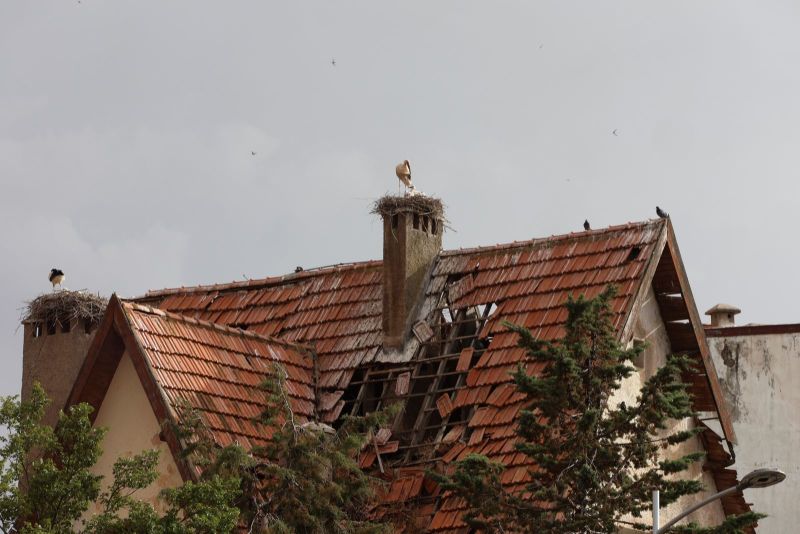
Buildings insurance normally covers storm damage where wind speeds exceeded a threshold, commonly 55 mph, and where the damage was sudden rather than the result of gradual deterioration. That distinction is where most claims fail. An insurer will decline a claim for a ridge that blew off if the mortar was visibly perished beforehand, on the basis that the roof was not in a maintained condition.
Practical steps if you get storm damage: photograph everything from the ground before any work, arrange a temporary make-safe rather than a permanent repair, and get a written report from a roofer stating the cause and the wind conditions. Keep the make-safe invoice separate - insurers usually pay it even when they query the main claim.
Emergency Work in the Meantime
A tarpaulin over an exposed area typically costs £180 to £400 in Mold and Buckley including a same-day call-out. That is money well spent: internal water damage from two days of rain through an open roof routinely runs into thousands, and a delay in making safe can also be used against you at claim stage.
Flat Roofs on Extensions and Garages
Both towns have a lot of 1960s to 1980s extensions with felt flat roofs that are well past their design life. Three-layer built-up felt lasts 12 to 20 years; a great many of the ones still in service in Flintshire are older than that.
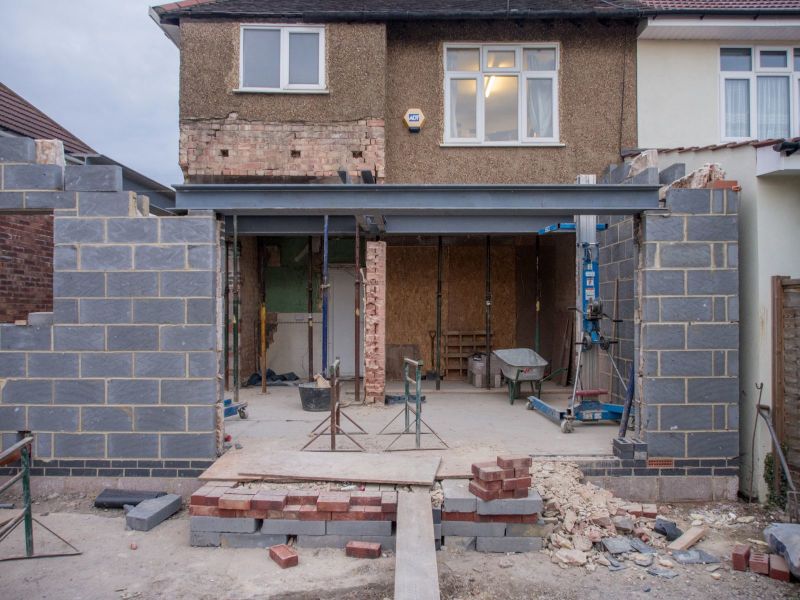
Replacement options and rough costs on a typical 15 square metre garage or extension roof: torch-on felt £1,100 to £1,800, EPDM rubber single-ply £1,400 to £2,200, and GRP fibreglass £1,600 to £2,600. EPDM has become the default for domestic work because it goes down in one sheet with no joints, handles thermal movement well, and typically carries a 20-year guarantee.
Falls matter more here than material choice. A flat roof needs a minimum fall of 1:80 designed, usually built to 1:40 to allow for deflection, and a great many older Flintshire extension roofs were built dead flat. Standing water accelerates every failure mode there is. Correcting the falls with tapered insulation adds £400 to £900 but roughly doubles the working life.
Choosing a Roofer for a Cross-Border Job
Mold and Buckley sit in Flintshire, so planning and building control go through Flintshire County Council rather than Cheshire West and Chester. For like-for-like repairs that makes no difference. It matters if you are re-roofing, because replacing more than 25% of a roof surface is notifiable building work and triggers a requirement to upgrade insulation where reasonably practicable, under the standards set out in the building regulations approved documents.
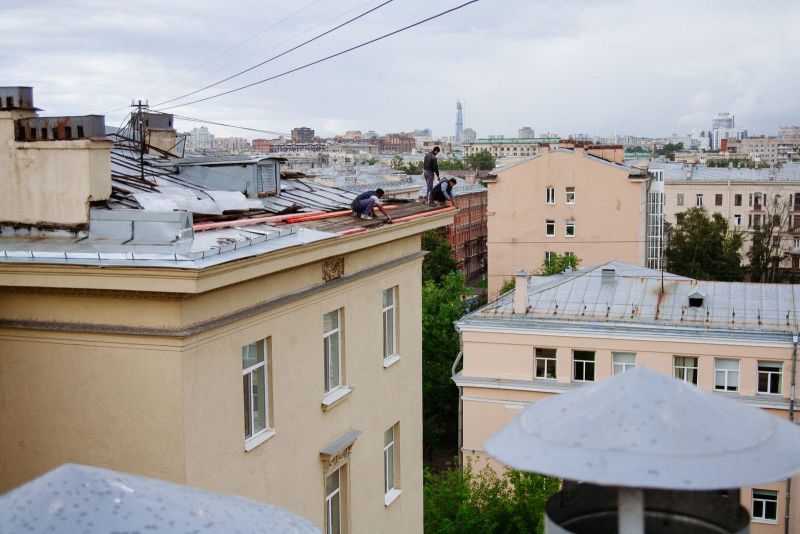
On contractor choice, the checks are the same either side of the border. Ask for the company's public liability cover - £2 million minimum, £5 million is common. Ask whether they are members of a trade body such as the National Federation of Roofing Contractors, whose members are vetted and audited. Ask for two local references from the last twelve months and actually call one.
We have written about the vetting process in more depth in our guide to roof repairs in Kelsall and Tattenhall, which covers the same rural-exposure issues on the Cheshire side of the boundary.
Frequently Asked Questions
How much does a roof repair cost in Mold or Buckley?
Small repairs such as replacing slipped tiles run £180 to £320, and refixing a ridge tile is £150 to £280. Mid-range work needing scaffold, such as repointing a full ridge line or renewing chimney flashing, costs £450 to £1,100. Re-tiling one elevation of a semi is typically £2,800 to £5,500.
Why do roofs in Flintshire fail faster than in Chester?
Mold and Buckley sit 80 to 200 metres up on rising ground towards the Clwydian Range, receive roughly 850 to 1,000 mm of rain a year against about 700 mm at Chester, and take the full force of south-westerlies up the Alyn valley. Mortar ridge and verge details in particular fail sooner in that exposure.
Can old Buckley clay tiles still be matched?
Not with new stock, since the original tiles have not been made for decades. Repairs use reclaimed clay plain tiles at roughly £1.10 to £2.60 each, and a common approach is to lift sound tiles from a rear elevation to patch the visible front, using modern alternatives where they show less.
Will insurance pay for storm damage to my roof?
Usually, if wind speeds exceeded the policy threshold, commonly around 55 mph, and the damage was sudden rather than gradual. Claims are most often declined where the roof was already in poor condition, for example perished ridge mortar. Photograph the damage, arrange a temporary make-safe, and get a written cause report from a roofer.
Ready to work with Chester Roofers & Contractors?
Let's connect! We’re here to help.
Send us a message and we’ll be in touch.
Or give us a call today at 01244 740253
Agency Contact Form
More Marketing Tips, Tricks & Tools
Chester Roofers & Contractors