Paying for a New Roof in Chester: Deposits, Staged Payments and How to Protect Your Money
A full re-roof is one of the largest single payments most homeowners ever make to a tradesperson, and unlike a kitchen or a bathroom, you cannot easily inspect what you have bought. A typical Chester semi comes in somewhere between £9,000 and £14,000 for a full strip and re-tile, a larger Victorian property with complex detailing and scaffold on three elevations can reach £20,000 or more, and roughly 60% of that figure is labour and access rather than materials. Which means the money is mostly buying workmanship you will never see up close. The Federation of Master Builders has consistently found payment disputes to be among the most common sources of complaint in home improvement work, and in roofing the pattern is nearly always the same: too much money handed over too early. Here's how to structure it properly.
What a Fair Deposit Actually Looks Like
There is no law setting a maximum deposit, but there is a well-established norm, and anything outside it should make you pause.

A reasonable deposit on a Chester re-roof is 10% to 25% of the contract value , and it exists for one specific reason: to cover the contractor's material order. On a £12,000 job, that is £1,200 to £3,000. Tiles, battens, membrane and leadwork are ordered in advance and are not returnable once cut to a specific roof, so the contractor is genuinely exposed before they start.
What that deposit should not be:
- Not 50%. A demand for half the money up front on a job that has not started is the single most common feature of roofing jobs that go wrong.
- Not "cash only for the deposit". Cash removes your paper trail and, if it also removes VAT from the equation, removes your consumer protection with it.
- Not paid before a written quote exists , itemised, on the contractor's letterhead, with a company name you can check on the Companies House register.
- Not paid on the day of the doorstep visit. Legitimate roofers in Chester are booked weeks out. Urgency is a sales technique.
Ask what the deposit is for and expect a specific answer - "the tile order from the merchant, £2,100, invoice to follow" is a good answer. "To secure the booking" is not. If you want a written, itemised quote you can actually compare before any money changes hands, that's the point at which to get us out to look at it.
Structuring Staged Payments on a Re-Roof
A re-roof has natural milestones, and payments should track them. The principle to hold onto is simple: at every point in the job, the value of work completed should be slightly ahead of the money you have paid.
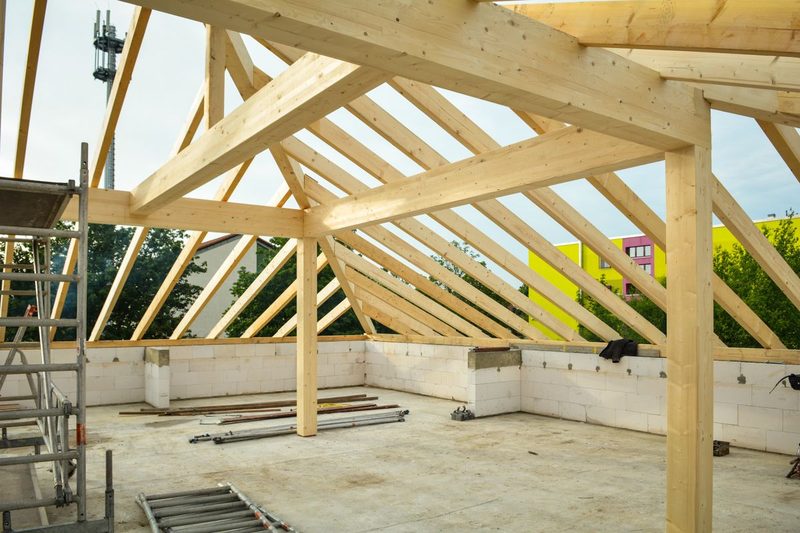
A sensible structure on a £12,000 Chester re-roof:
- Deposit, 15% (£1,800) - on signing, against the material order
- Stage one, 25% (£3,000) - scaffold erected, roof stripped, deck and timbers exposed and inspected
- Stage two, 30% (£3,600) - membrane, battens and tiling complete on the main elevations
- Stage three, 20% (£2,400) - ridge, verges, flashings, leadwork and guttering complete
- Final, 10% (£1,200) - on scaffold removal, site clear, snagging signed off and guarantee documents in hand
That final 10% is the most valuable part of the whole arrangement, and it is the one most often given away. It is the only real leverage you have to get a list of small defects finished. Do not release it because the scaffold has gone and the roof looks fine from the pavement.
The Strip-Out Variation
There is one honest reason a roofing price changes mid-job, and it happens on a meaningful share of older Chester properties: once the old covering is off, the timbers underneath turn out to be worse than anyone could see.
Rotten battens are near-universal on a Victorian roof and should already be priced in. Genuinely unexpected work is a failed purlin, a rafter foot rotted where it sits on the wall plate, or a deck that has been quietly leaking into the structure for a decade. A good quote handles this by stating a rate in advance - "rafter repairs charged at £X per metre if required, agreed in writing before proceeding" - rather than by leaving it open. We've covered what these hidden faults look like and what they cost in our guide to finding a roof leak in Chester and why water shows up far from the fault, which explains why the damage is so often not where the stain is.
How You Pay Changes Your Legal Protection
This is the part almost nobody thinks about until something has already gone wrong, and it is worth two minutes.
Credit card, over £100. Section 75 of the Consumer Credit Act makes the card provider jointly liable with the trader for breach of contract or misrepresentation. If a roofer takes your money and does not come back, or the work is badly defective, you can claim from the card company. This is the strongest protection available and it applies even if you only put the deposit on the card - as long as that single payment is over £100 and under £30,000, the whole contract is covered.
Debit card. No Section 75, but chargeback may be available through the card scheme. Weaker, discretionary, and usually time limited to 120 days.
Bank transfer. No automatic protection at all beyond the Consumer Rights Act itself. If the money is gone, recovering it means chasing the trader directly.
Cash. No paper trail, no protection, and a strong signal about how the business operates.
Your underlying rights come from the Consumer Rights Act 2015, which requires services to be performed with reasonable care and skill and gives you the right to have defective work put right. Those rights exist regardless of how you paid. The difference is how easy they are to enforce, and that is entirely about payment method.
Finance, Spreading the Cost and the Honest Maths
Not everyone has £12,000 available, and a failing roof does not wait. The realistic options, with the actual cost of each:
- Interest-free credit through the contractor (typically 12 to 24 months, 0% APR). Genuinely good value if you can meet the payments. The contractor pays a subsidy to the lender, so check the cash price is not inflated to cover it.
- Longer-term contractor finance (5 to 10 years, commonly 9.9% to 15.9% APR). £12,000 over 10 years at 12.9% costs roughly £178 a month and around £9,400 in total interest. That is a very expensive roof.
- Further advance on your mortgage. Usually the cheapest borrowing available - often 4% to 6%. £12,000 over 10 years at 5% is around £127 a month and £3,300 in interest. The catch is that it is secured on your home, and arrangement fees and a valuation may apply.
- Unsecured personal loan. Typically 6% to 11% for good credit. £12,000 over 5 years at 8% is around £243 a month and £2,600 interest. Not secured on the property, which matters.
- 0% purchase credit card. Workable for smaller jobs, and it brings Section 75 protection with it. Discipline required to clear it before the promotional rate ends.
Any firm offering credit must be authorised by the Financial Conduct Authority, and the authorisation number belongs on the paperwork. A roofer arranging finance informally, or "through a friend", is not a regulated credit arrangement and you have no protection under it.
Chester-Specific Costs That Belong in the Quote
Two local factors genuinely move the number on a Chester roof, and both should be itemised rather than absorbed into a single figure.
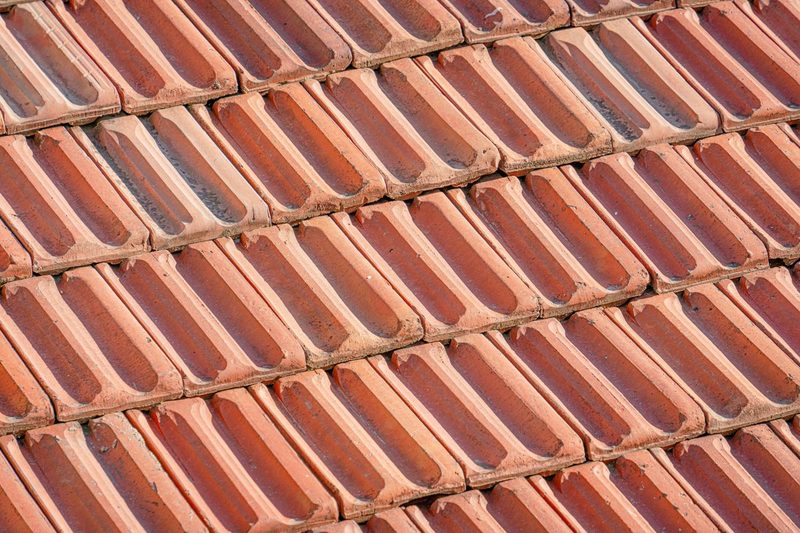
Conservation area and listed building requirements. Chester has an unusually large historic core, and conservation area designation covers a substantial part of the city as well as parts of surrounding villages. Where a roof is visible and the property is in a designated area, natural Welsh slate or specific clay tiles may be required rather than concrete. Natural slate runs roughly £45 to £75 per square metre supplied against £18 to £30 for concrete interlocking tile, so on a 90 square metre roof that single specification difference is £2,400 to £4,000. Listed building consent, where needed, adds time as well as cost.
Access and scaffold. Scaffolding on a straightforward semi is £800 to £1,400 for the typical two to three week hire. On a terrace with no side access, a property on a narrow street where a pavement licence is needed from the council, or anything requiring a tower over a public footway, that figure climbs to £2,000 to £3,500. Work at height is also where the legal duties sit - the HSE's guidance on roof work sets out what a contractor must have in place, and a roofer proposing to do a full re-roof off ladders is telling you something important about the rest of their operation.
Chester's climate justifies the spend. The city sits in the wetter western half of England with roughly 700mm to 800mm of annual rainfall spread across a long autumn and winter, and prevailing south-westerlies drive rain horizontally onto exposed elevations. That combination is why verge and flashing detailing, the elements most often skimped on, matter more here than the tile choice does.
Payment Red Flags Worth Walking Away From
Individually, some of these have innocent explanations. Two or more together is a pattern.
- A deposit above 30% , or any request for full payment before work starts
- Cash-only pricing , or a discount specifically for paying cash
- No written, itemised quote - a total on a scrap of paper is not a quote
- Payment to a personal account when you were quoted by a limited company
- Pressure on timing - a price that "expires today", or a claim that your roof is dangerous with no evidence offered
- No address, no landline, no VAT number on a business turning over enough to be VAT registered
- Asking for more money mid-job for work that was clearly foreseeable
- Unwillingness to hold back a final retention until snagging is done
- A guarantee with no backing - an insurance-backed guarantee is underwritten by a third party and comes with a policy document. A "20-year guarantee" that is just the contractor's word is worth exactly as much as the contractor's continued existence
One straightforward cross-check: ask whether the firm is registered with a scheme such as TrustMark, the government-endorsed quality scheme, or the National Federation of Roofing Contractors, and then verify it on the scheme's own website rather than accepting a logo on a van. Roughly one in five traders displaying accreditation logos on vehicles and leaflets is not actually a current member, and checking takes under a minute.
Frequently Asked Questions
How much deposit should I pay a roofer in Chester?
Between 10% and 25% of the contract value, and it should cover the material order rather than simply secure a booking. On a £12,000 re-roof that is £1,200 to £3,000. A request for 50% up front, or for cash, is a serious warning sign.
Should I pay a roofer by card or bank transfer?
Card, if you can. Paying at least £100 of the job by credit card brings Section 75 protection under the Consumer Credit Act, which makes the card provider jointly liable for the whole contract if the work is defective or never completed. Bank transfer gives you no equivalent protection.
How much does a new roof cost in Chester?
As a 2026 guide, £9,000 to £14,000 for a typical semi with concrete interlocking tiles, rising to £20,000 or more for a larger Victorian property or where natural slate is required in a conservation area. Scaffold is £800 to £3,500 of that depending on access.
Is roofing finance worth taking?
Interest-free credit over 12 to 24 months is usually good value, provided the cash price has not been inflated. Longer-term contractor finance at 10% to 16% APR can add several thousand pounds to the cost of the roof, and a mortgage further advance or a personal loan is normally significantly cheaper. Any firm offering credit must be FCA authorised.
Can a roofer increase the price once work has started?
Only for genuinely unforeseeable work, and only with your written agreement. Rotten battens on an old roof are foreseeable and should be priced in. A failed purlin discovered after strip-out is not. A good quote states in advance what extra work would be charged at, so there is nothing to argue about later.
```json { "@context": "https://schema.org", "@type": "FAQPage", "mainEntity": [ { "@type": "Question", "name": "How much deposit should I pay a roofer in Chester?", "acceptedAnswer": { "@type": "Answer", "text": "Between 10% and 25% of the contract value, and it should cover the material order rather than simply secure a booking. On a 12,000 pound re-roof that is 1,200 to 3,000 pounds. A request for 50% up front, or for cash, is a serious warning sign." } }, { "@type": "Question", "name": "Should I pay a roofer by card or bank transfer?", "acceptedAnswer": { "@type": "Answer", "text": "Card, if you can. Paying at least 100 pounds of the job by credit card brings Section 75 protection under the Consumer Credit Act, which makes the card provider jointly liable for the whole contract if the work is defective or never completed. Bank transfer gives you no equivalent protection." } }, { "@type": "Question", "name": "How much does a new roof cost in Chester?", "acceptedAnswer": { "@type": "Answer", "text": "As a 2026 guide, 9,000 to 14,000 pounds for a typical semi with concrete interlocking tiles, rising to 20,000 pounds or more for a larger Victorian property or where natural slate is required in a conservation area. Scaffold is 800 to 3,500 pounds of that depending on access." } }, { "@type": "Question", "name": "Is roofing finance worth taking?", "acceptedAnswer": { "@type": "Answer", "text": "Interest-free credit over 12 to 24 months is usually good value, provided the cash price has not been inflated. Longer-term contractor finance at 10% to 16% APR can add several thousand pounds to the cost of the roof, and a mortgage further advance or a personal loan is normally significantly cheaper. Any firm offering credit must be FCA authorised." } }, { "@type": "Question", "name": "Can a roofer increase the price once work has started?", "acceptedAnswer": { "@type": "Answer", "text": "Only for genuinely unforeseeable work, and only with your written agreement. Rotten battens on an old roof are foreseeable and should be priced in. A failed purlin discovered after strip-out is not. A good quote states in advance what extra work would be charged at, so there is nothing to argue about later." } } ] } ```
```json { "@context": "https://schema.org", "@type": "Article", "headline": "Paying for a New Roof in Chester: Deposits, Staged Payments and How to Protect Your Money", "description": "A new roof in Chester runs £9,000 to £20,000, and how you pay matters almost as much as who you hire. Here's what a fair deposit looks like, how staged payments should be structured, which finance options are worth it, and the payment red flags that precede most roofing disputes.", "author": { "@type": "Organization", "name": "The Team" }, "datePublished": "2026-09-22", "dateModified": "2026-09-22", "articleSection": "Roofing" } ```
Ready to work with Chester Roofers & Contractors?
Let's connect! We’re here to help.
Send us a message and we’ll be in touch.
Or give us a call today at 01244 740253
Agency Contact Form
More Marketing Tips, Tricks & Tools
Chester Roofers & Contractors