How Long Does a Roof Last in Chester? Lifespan by Material and House Age
Ask how long a roof lasts and you'll usually be told a single number: 100 years for slate, 60 for clay, 40 to 50 for concrete tiles. Those figures describe the tiles and slates, and hardly any Chester roof is replaced because its tiles wore out. It gets replaced because the iron nails holding the slates have rusted through, the felt underneath has gone brittle, or the timber battens have softened. Those parts typically last 40 to 60 years. So a Hoole terrace can sit under slates that are in decent shape after 120 years while being held on by fixings that expired around 1970. Chester doesn't get much rain by North West standards, roughly 750mm a year against a UK average nearer 1,150mm, but the Dee valley is damp, misty and slow to dry out through the winter. Here's the real lifespan of each layer, by era of Chester housing, and how to judge what yours has left.
Chester Roof Lifespans by Material: The Guide Figures
A pitched roof is five or six layers with different life expectancies. As a working guide, these are the figures we plan around:
- Natural Welsh slate: 80 to 120 years or more for the slate itself
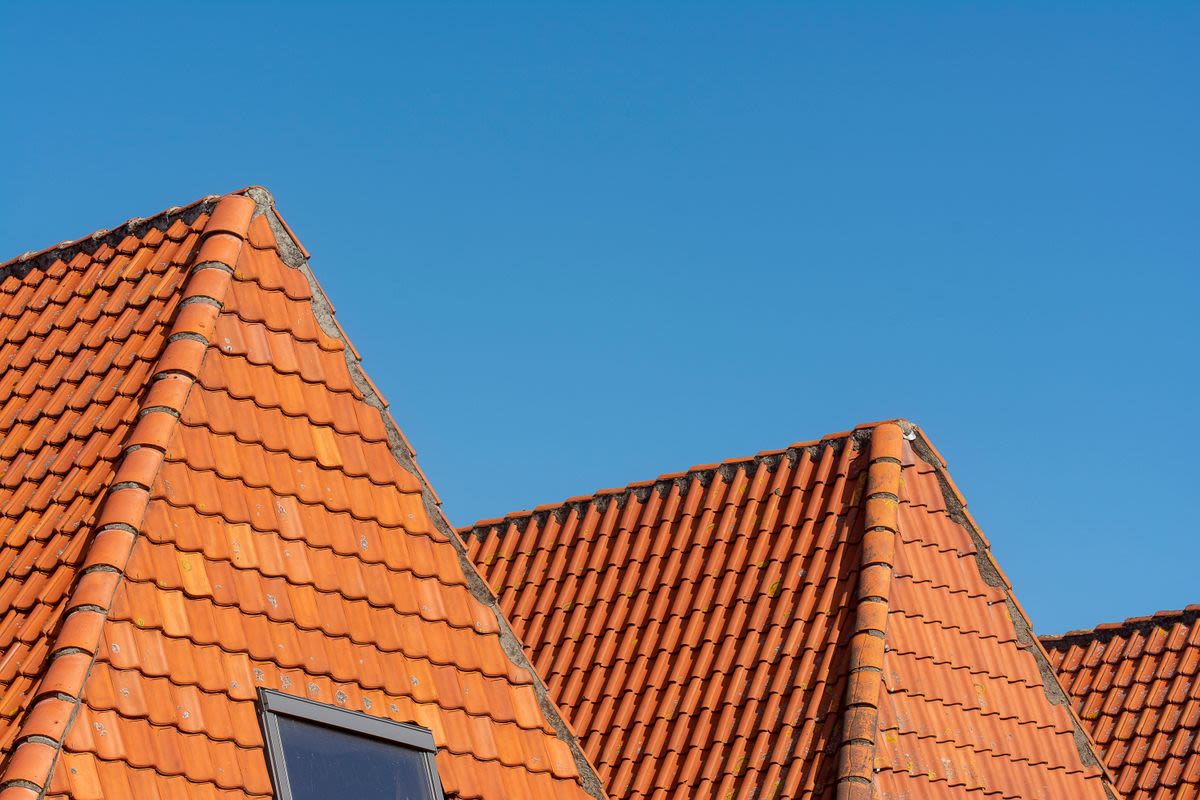
- Handmade or machine-made clay plain tiles: 60 to 90 years
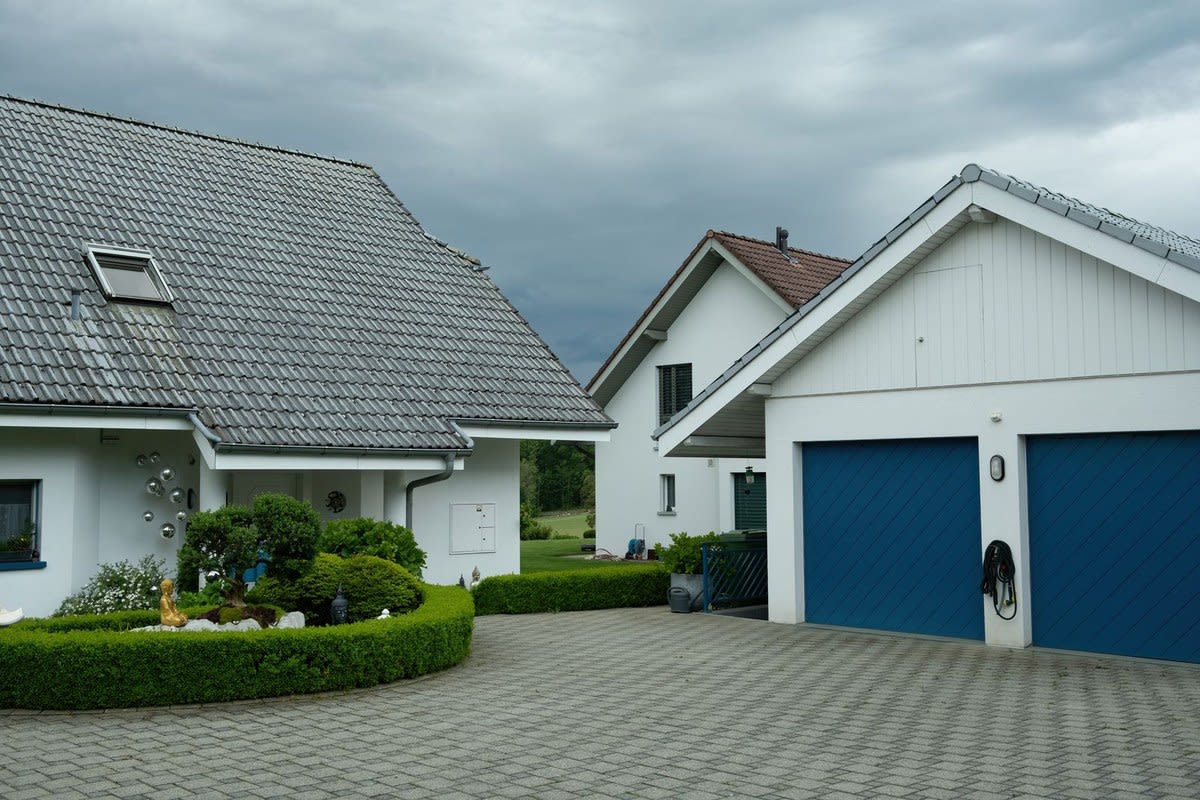
- Concrete interlocking tiles: 40 to 60 years before the surface erodes and they start taking on water
- Fibre cement "artificial" slates: 25 to 35 years
- Iron slate nails: 40 to 60 years, fewer where the loft stays damp
- Bitumen felt underlay (the black stuff in most pre-1990s lofts): 30 to 40 years
- Timber battens: 40 to 60 years, depending on treatment and ventilation
- Mortar-bedded ridges and verges: 20 to 30 years before repointing or rebedding is due
- Code 4 lead flashings: 60 years plus if they were dressed properly
Read down that list and you can see the catch. The part you can see from the street is often the longest-lived thing on the roof, and the two or three parts you can't see give up first. If you're not sure which of these layers your own house has, Chester Roofers & Contractors can look over it and tell you which one is likely to go first.
Why Chester's Damp Winters Wear Out Fixings Before Tiles
Chester sits in the rain shadow of the Welsh hills, which keeps the annual total down. The rain it does get comes little and often: it falls on something like 130 days a year, the river brings fog and mist through the colder months, and from November to February there's rarely enough sun or wind for a north-facing roof slope to dry out properly. The Met Office climate averages for nearby Hawarden show that pattern clearly: relatively low totals, high humidity, and long stretches of mild, grey, wet weather.
That matters more to metal and timber than it does to slate. A slate that's wet for four months doesn't care. An iron nail that's wet for four months, every year for 60 years, rusts at the neck where it passes through the slate. Once enough go, slates slip one by one: nail sickness. The same damp keeps battens wet enough for rot, especially at the eaves where condensation collects.
Welsh Slate Roofs on Victorian Terraces in Hoole and Handbridge
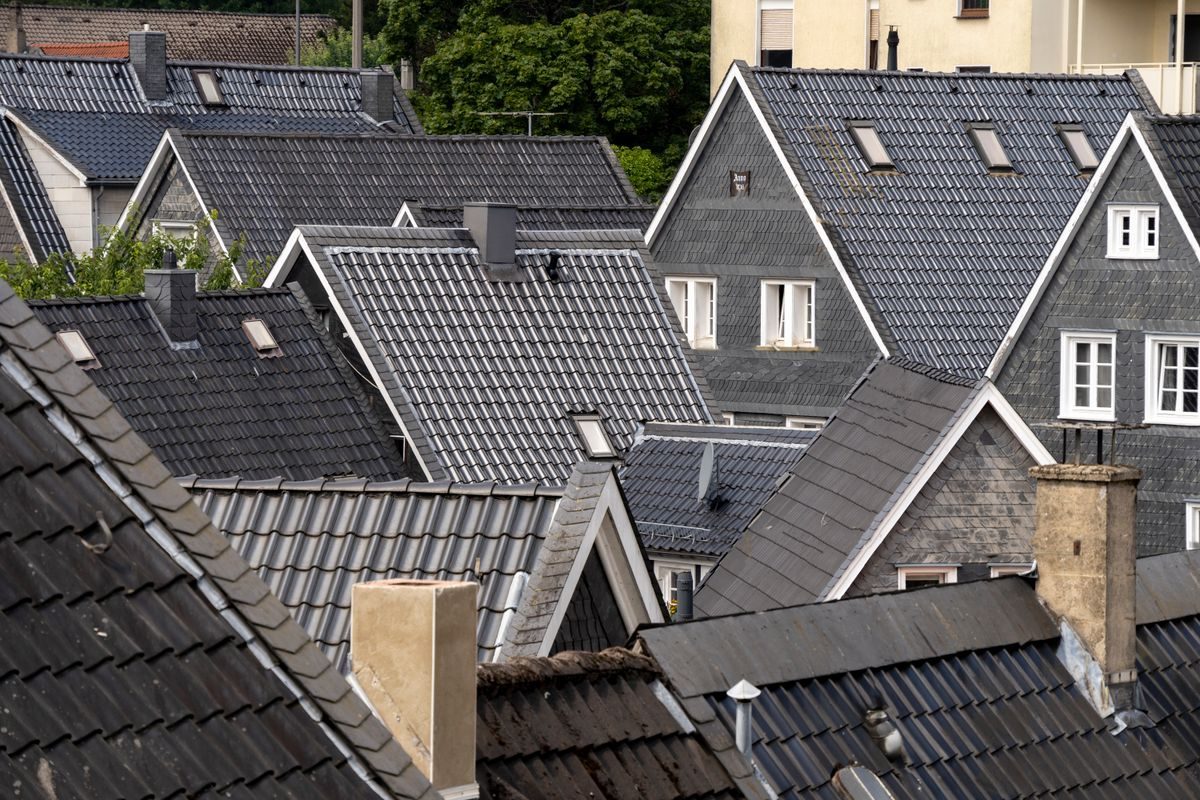
Most of the late Victorian and Edwardian terraces in Hoole, Handbridge, Boughton and the larger villas around Curzon Park were roofed in Welsh slate, brought in from the Gwynedd quarries less than 80 miles away. Plenty are still serviceable. Tap a good one and it rings. Ones that have delaminated, flaked at the edges or gone soft and chalky sound dull, and on a typical terrace we'd expect somewhere between 10% and 30% of them to fail that test.
The original roofs had no underlay at all. Slates sat on battens, and the underside was often "torched" with lime mortar to stop wind-driven rain. Many were stripped and re-fixed once, usually in the 1960s to 1980s, with bitumen felt added at the same time. That felt is now 40 to 60 years old, exactly when it goes brittle and tears at the eaves.
Re-slating rather than replacing
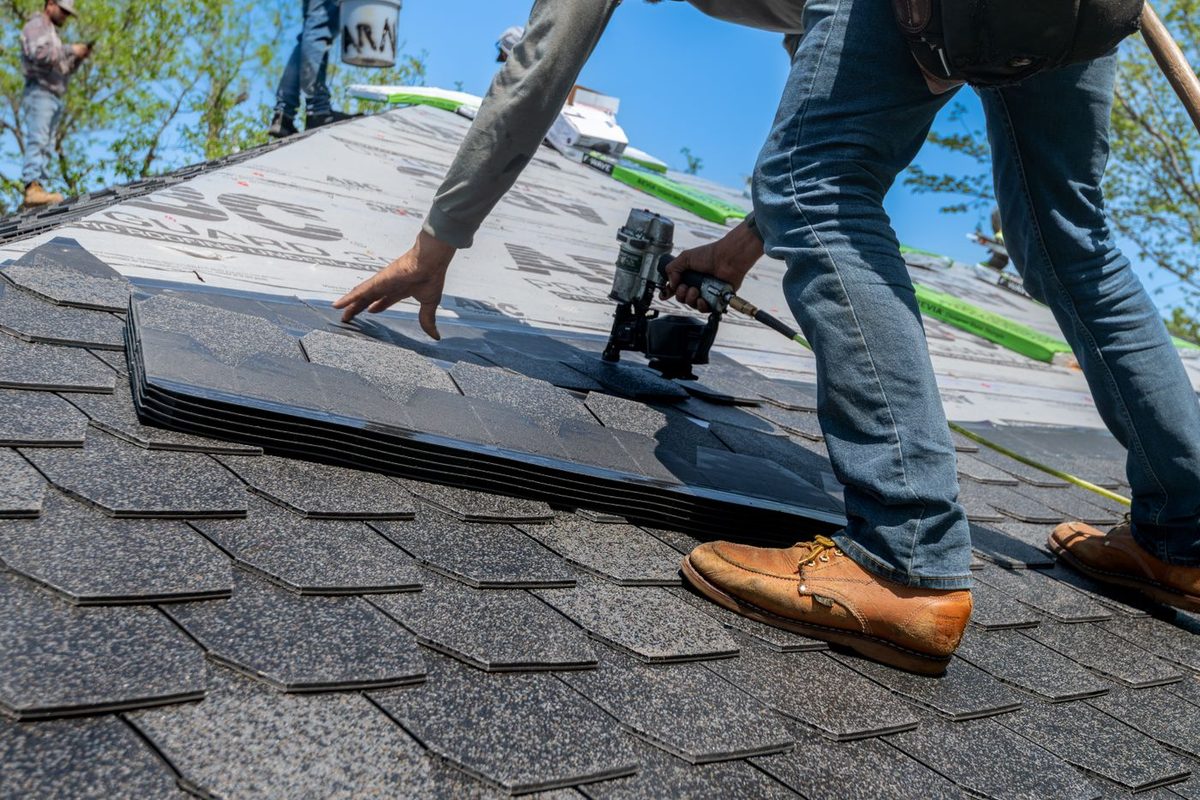
That's why the usual answer on a Chester slate roof isn't new slate. It's a strip and re-slate: take the slates off, sort the sound ones, fit a breathable membrane and treated battens, and re-hang the good slates on copper nails, making up the shortfall with reclaimed or new Welsh slate to match. Done properly, that resets the clock on the fixings for another 60 years or more. If your house is in one of the city's conservation areas, check with Cheshire West and Chester Council before swapping slate for anything else. The Planning Portal's guidance on roofs explains when re-roofing needs permission.
Clay and Concrete Tiles on 1930s Semis in Newton and Upton
The interwar semis across Newton, Upton and the edges of Hoole were mostly built with small clay plain tiles, hung on nibs over battens. A good clay tile can see out 80 years or more, and some of these roofs are original at around 90. The weak points are the nibs, which snap as the tile ages, and the battens they hang on, which are almost always untreated timber from the 1930s.
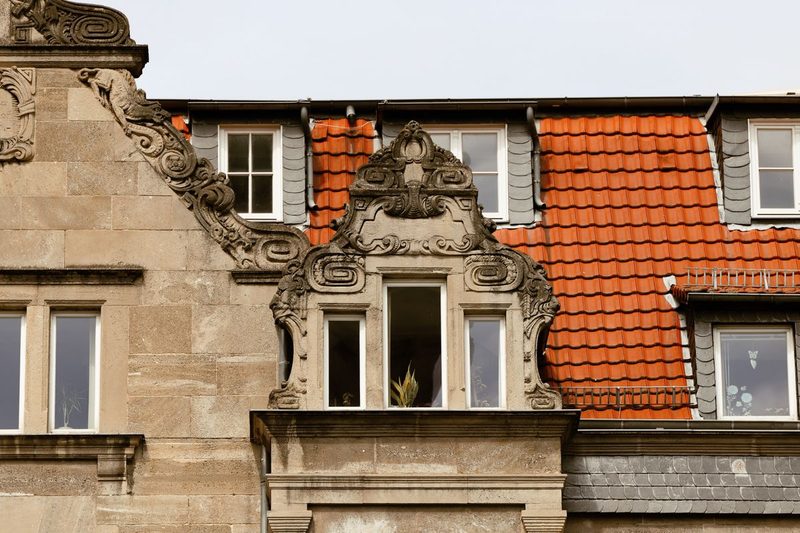
Many of these houses were re-covered in concrete interlocking tiles somewhere between 1965 and 1990, because it was cheaper and quicker. Those concrete roofs are now 35 to 60 years old. From the ground they look sandy and grey with the colour worn off, and moss clings to the rough surface. At that stage they soak up more water and frost starts to spall the edges.
Postwar Estate Roofs in Blacon: Concrete Tiles at 60 Years
Blacon was largely built from the 1950s onwards, and most of its houses went up with concrete interlocking tiles and, later, bitumen felt. Where the original covering is still on, those roofs are at or past the upper end of their expected life. Where they were re-roofed in the 1980s or 1990s, they're roughly halfway through.
Newer estates around the city's southern edge have the opposite problem, if you can call it one. A roof from 2000 onwards generally has a breathable membrane, treated battens and dry-fix ridges and verges. The tiles have decades left, and the jobs there are mechanical: cracked dry verge caps, loose ridge clips, the odd tile lifted by a south-westerly gale.
Signs Your Chester Roof Is Near the End
Judging remaining life is mostly about finding which layer is failing and how widely. One slipped slate is a repair. Twenty slipped slates spread across both slopes means the nails are going everywhere at once.
From the loft
Go up on a dry day with a torch. Look for daylight around the slates, felt that crumbles when you touch it or hangs in torn loops at the eaves, dark stains on rafters, and battens that dent when you press a screwdriver into them. Rusty nail tips poking through the underside are a strong clue on a slate roof.
From the street
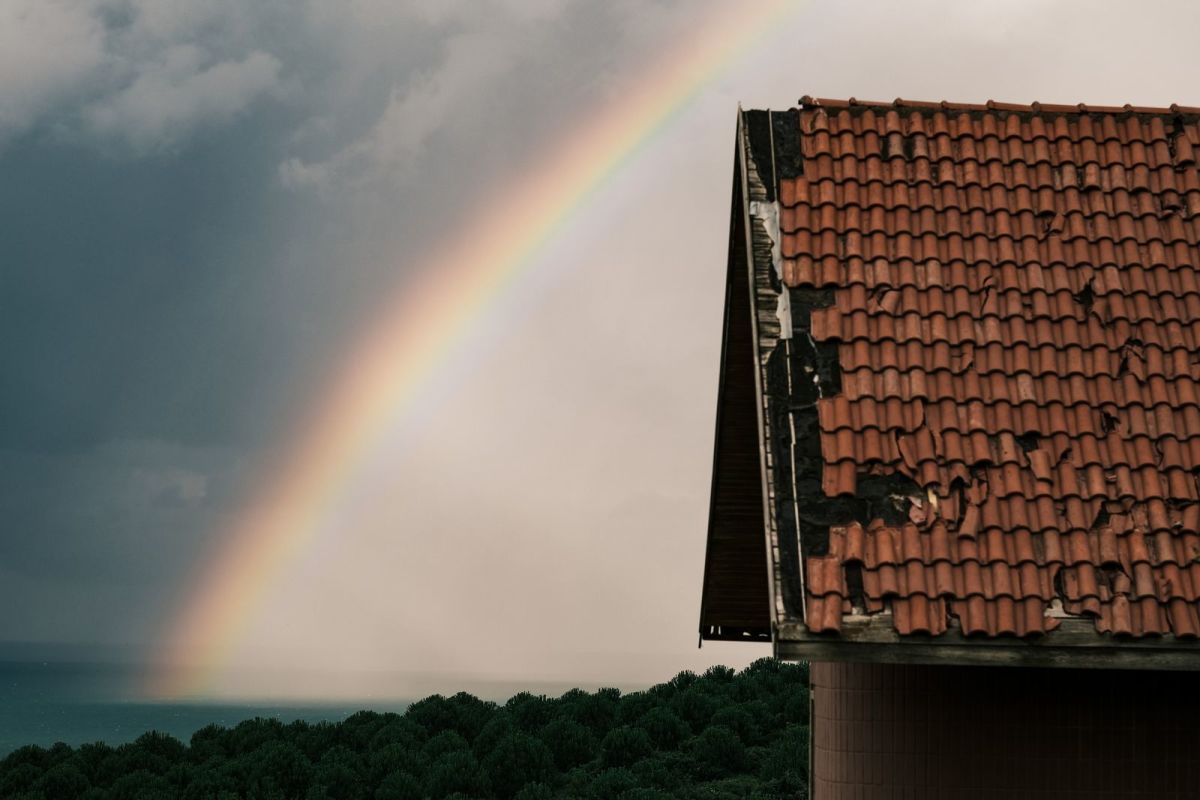
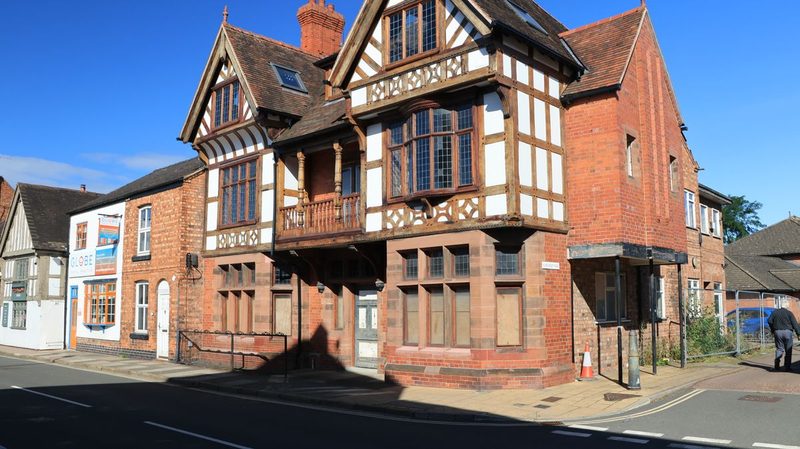
Look for slipped or missing slates in more than one place, rows that no longer run straight, concrete tiles with the colour worn away, ridges with gaps in the mortar, and a sagging line along the roof. A dip in the ridge usually means a structural problem, not an age one, and needs checking before anyone quotes for recovering.
If three or four of these show up together, the roof probably has less than five years before patch repairs stop being good value. We covered the seasonal version of these checks in our autumn roof checks for Chester homeowners.
Repair or Replace: Working Out the Cost per Year
The simplest way to decide is to think in cost per year of roof. As a 2026 guide, a full re-roof on a typical Chester semi is £9,000 to £14,000. If the new roof lasts 50 years, that's roughly £180 to £280 a year. A £500 repair that buys three dry winters is about £170 a year, which is fair. A £500 repair every year on a roof with failing felt and nails costs more than a new roof and still leaves you with the problem.

A rough rule we use: if the repairs you can reasonably expect over the next five years add up to more than about a quarter of the replacement price, replace. On slate roofs the maths often favours re-slating over new slate, since reusing 70% to 80% of the original slates can save £3,000 or more against a full new covering. Whoever you use, check they belong to a trade body such as the National Federation of Roofing Contractors, and ask which layer has failed and how they know.
Common Questions About Roof Lifespan in Chester
How long does a slate roof last in Chester?
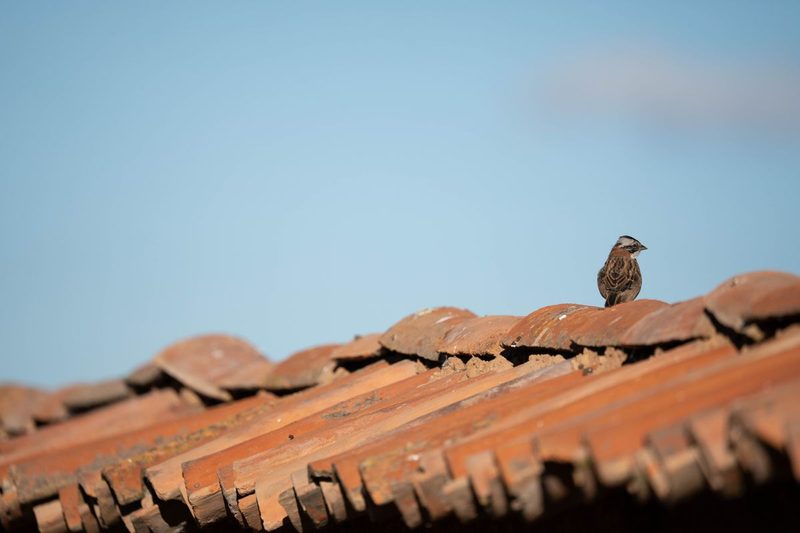
The slate itself commonly lasts 80 to 120 years. The iron nails and felt underneath last 40 to 60, and they are what usually fails.
How long do concrete roof tiles last?
Typically 40 to 60 years, after which they absorb water and frost damage starts. Many 1960s to 1980s concrete roofs in Chester are now at that point.
What is nail sickness?
The nails holding the slates rust through where they pass through the slate, so slates start slipping one after another. Damp lofts speed it up.
Can I reuse my old slates when I re-roof?
Often, yes. On a typical Victorian terrace 70% to 80% of the Welsh slates can be re-hung on copper nails over new membrane and battens, topped up with matching slate.
Do I need planning permission to replace my roof in Chester?
Usually not for like-for-like work. If the house is listed, in a conservation area, or you want to change material, check with Cheshire West and Chester Council first.
Ready to work with Chester Roofers & Contractors?
Let's connect! We’re here to help.
Send us a message and we’ll be in touch.
Or give us a call today at 01244 740253
Agency Contact Form
More Marketing Tips, Tricks & Tools
Chester Roofers & Contractors