Comparing Roofing Quotes in Chester: What a Proper Quote Should Itemise
Comparing roofing quotes in Chester can feel like comparing three different jobs. One roofer hands you a single line - "re-roof, £9,500" - and the next sends four pages that come to £13,800. It's normal for three quotes on the same Chester roof to sit 40% or more apart, and the cheapest one is often the vaguest. Chester gets roughly 750-800mm of rain a year, a bit under the UK average of about 1,150mm but spread over plenty of grey, damp days blowing in off the Irish Sea, so a roof that's done badly here shows it within a couple of winters. A big share of the city's homes went up before 1919, and the Victorian terraces in Hoole, Handbridge and Boughton hide rotten battens that nobody can price until the slates come off. This guide walks through what a proper quote should list, line by line, and the warning signs that should make you put the phone down.
Comparing Roofing Quotes in Chester: Why the Prices Differ So Much
Three honest roofers can look at the same roof and still come up with different numbers. One plans to reuse sound slates, another prices all-new natural slate, and a third allows for a full scaffold wrap rather than a single elevation. On a typical two-up two-down terrace, those choices alone can move the price by £3,000 to £5,000.

Then there's the dishonest end of the market. A quote that's 30% below the others usually has something missing - often the scaffold, the skip, VAT or any allowance for timber repairs. Those costs don't vanish. They reappear as extras once your roof is open and you've got no real choice but to pay. If you'd like a quote that spells all of this out from the start, Chester Roofers & Contractors can survey the roof and give you a written, itemised price.
Demand plays a part too. Cheshire West has a steady shortage of experienced slaters, and good firms in Chester are often booked four to eight weeks ahead from September to February. A roofer who can start "tomorrow" in November is worth asking a few questions about.
The Anatomy of a Good Roofing Quote
A proper quote should let you see where every pound goes. Here's how a vague quote and a decent one compare, line by line, on the same job - a full re-roof on a Victorian terrace:
- Scaffold: the vague quote says "access included". The proper one says front and rear elevations, edge protection, 6-8 weeks' hire, £1,400
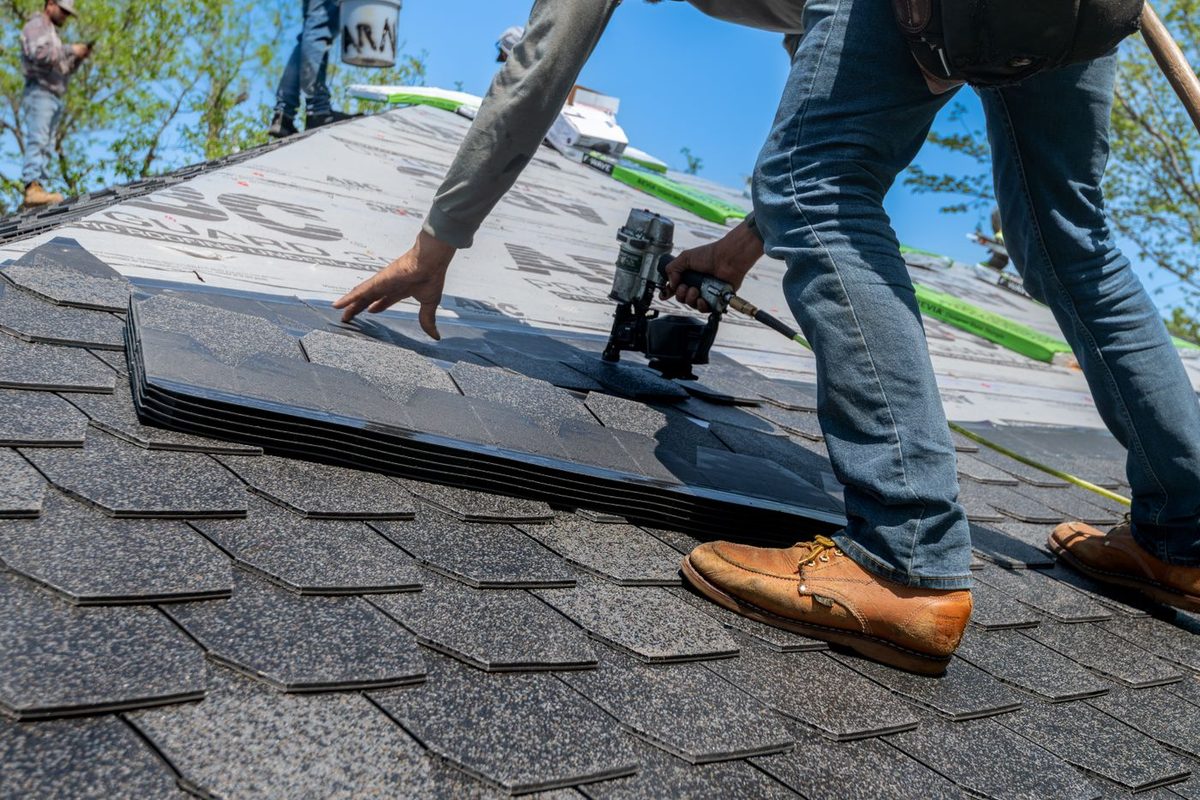
- Roof covering: "new slates" versus 500 x 250mm Spanish natural slate, copper nails, 100mm headlap, £3,900
- Underlay: not mentioned versus a breathable membrane to BS 5534, £450
- Battens: not mentioned versus 25 x 50mm treated graded battens, £550
- Leadwork: "lead where needed" versus Code 4 lead to the chimney and Code 5 to the back valley, £1,100
- Labour: not split out versus two roofers for 8-10 working days, £3,600
- Waste: not mentioned versus an 8-yard skip plus a permit if it sits on the road, £420
- VAT: unclear versus 20% shown separately, with a VAT number on the letterhead
- Guarantee: "fully guaranteed" versus a 15-year workmanship guarantee, with an insurance-backed option listed
"Fully guaranteed" means nothing unless it says for how long, what it covers and who backs it if the firm closes.
Materials spec
The roof covering line matters more than any other because it's the biggest material cost. "Slate" can mean a £1.20 Chinese slate or a £4 Welsh one, and natural slate from different quarries can last anywhere from 60 to over 100 years. A good quote names the slate or tile, its size and how it's fixed. It's also fair to ask which British Standard the fixings follow. The answer should be BS 5534, which sets the minimum fixings for wind uplift.
Lead codes
Lead is graded by thickness. Code 4 is fine for most flashings, while Code 5 or 6 suits valleys and gutters that carry more water. A quote that just says "lead" leaves room to fit thinner, cheaper sheet - a saving of maybe £150 to the roofer and a much shorter life for you.
Provisional Sums: Pricing What Nobody Can See Yet
On older Chester roofs, the biggest unknown sits under the slates. Battens and rafter ends on a 120-year-old terrace are often soft from decades of damp, and you can't tell how bad until the covering comes off. A provisional sum is a figure set aside for that hidden work.
A fair quote will put a number on it and explain how it's charged. Something like "provisional sum of £600 for replacement of defective timbers, charged at £45 per linear metre, to be agreed with the client on site before work proceeds". On the Victorian terraces we strip, roughly 6 in 10 need some timber replacing, though usually only 10-15% of the battens.
Contingencies and exclusions
Exclusions are just as telling. A good quote lists what's not included - chimney rebuilding, gutter replacement, asbestos removal, internal making-good. If one quote excludes the chimney and another includes £850 for repointing it, you're not comparing like with like. Mark the differences on each quote with a pen before you look at the totals.
Red Flags on the Doorstep and on Paper
Home repairs are one of the most common doorstep scams in the UK, and roofing comes up again and again. The classic approach is a cold caller who "noticed a few slipped tiles while working nearby" and offers to fix them today for cash. Nothing good comes of this. Proper roofers rarely need to knock on doors in a city where they're already booked weeks ahead.
On paper, watch for these warning signs:
- No landline, no business address, only a mobile number
- A price that drops sharply the moment you hesitate
- Pressure to sign today because "materials go up on Monday"
- No mention of underlay, scaffold or waste disposal
- A demand for more than 25-30% up front before any materials arrive
- Refusal to put a guarantee in writing
If you've been pressured into signing something at your door, you usually have a 14-day cooling-off period, and you can report a rogue trader to Trading Standards through Citizens Advice. Trading Standards teams across the country tend to see roofing complaints rise every autumn, once the first storms hit.
Checking VAT Registration and Credentials
Any business turning over more than £90,000 a year must be VAT registered, and most established roofing firms are. If a quote adds 20% VAT, the firm must show a VAT number. You can check a UK VAT number on GOV.UK in under a minute, and the name it returns should match the business on the quote. If it doesn't, ask why.
Beyond VAT, look for membership of a trade body. The National Federation of Roofing Contractors vets members on workmanship and insurance, and its members can offer insurance-backed guarantees. Ask for proof of public liability insurance too - £2 million to £5 million is typical - and check the dates on the certificate.
Be wary of a £10,000 quote with no VAT line at all. If the firm is under the threshold, fine, but an offer of cash "to save the VAT" usually means no paperwork and no comeback.
How Chester's Weather and Housing Stock Shape a Quote
Chester's climate is milder than the Pennines but wetter than it looks. The wettest months run from October to January, with around 12-14 rain days a month, and westerly winds funnelling up the Dee estuary test ridge tiles and verges. A quote here should show the roofer has thought about that - mechanically fixed ridges and verges rather than mortar alone, and enough headlap on slates for wind-driven rain.
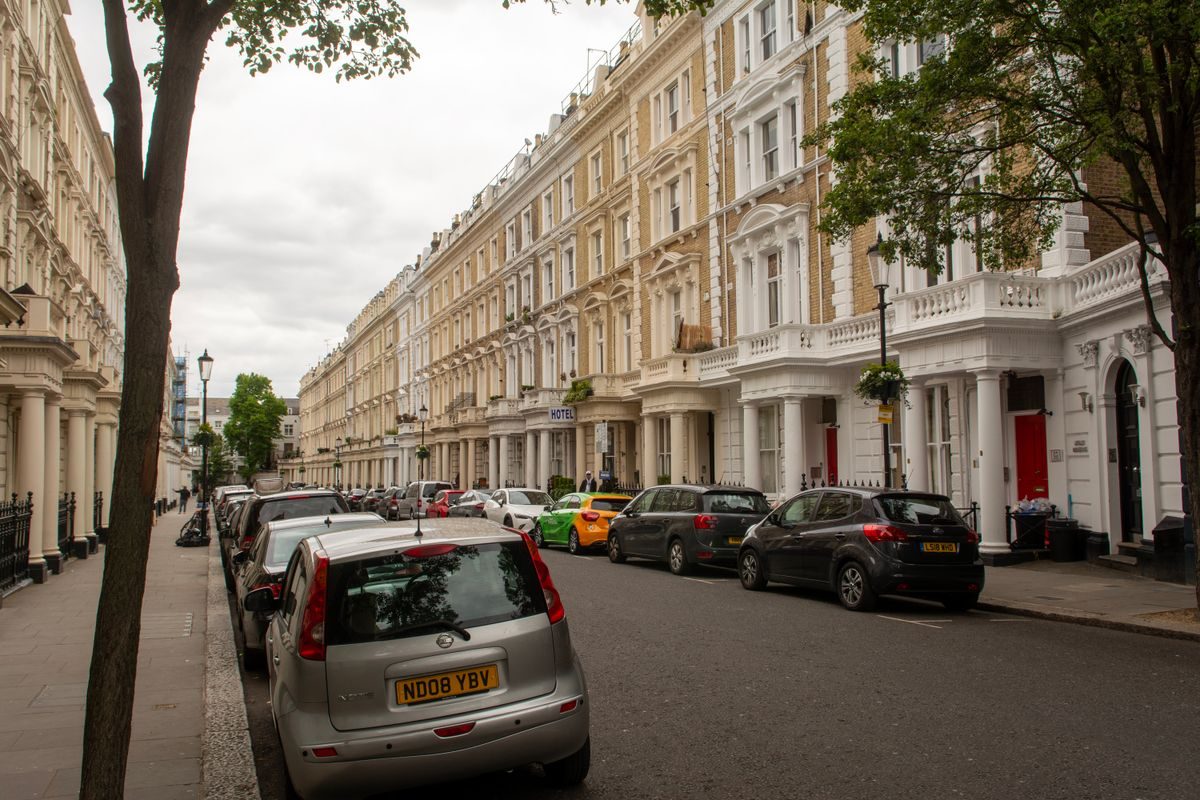
Housing type matters as much. Victorian and Edwardian terraces make up a big share of inner Chester, many with shared chimney stacks and back valleys between neighbours. Those need extra leadwork, and they belong on the quote, not in a surprise invoice later. Interwar semis in Upton and Vicars Cross tend to need fewer timber repairs but often have no underlay at all.
Planning and conservation areas
Chester has a large number of conservation areas, especially in and around the city centre. Swapping slate for concrete tile on a house there may need consent from Cheshire West and Chester Council. A good quote flags this. A vague one leaves you to find out when a neighbour complains.
Paying for the Work Once You've Chosen
Once you've picked a quote, the payment terms matter almost as much as the price. Most reputable firms ask for a modest deposit for materials and then stage the rest against clear milestones. We've gone through this properly in our guide to paying for a new roof in Chester, including deposits and staged payments, which is worth reading before you sign.
One practical tip: when you accept a quote, ask for it to be turned into a short written contract with the start date, the expected duration and the payment schedule on it. A lot of roofing disputes come down to "that wasn't in the price", and a signed, itemised quote shuts that argument down quickly.
Frequently Asked Questions
How many roofing quotes should I get in Chester?
Three is usually right. Fewer gives you nothing to compare, and more than four tends to waste everyone's time. Make sure all three are pricing the same scope, materials and scaffold.
Why are roofing quotes in Chester so different?
Differences in materials, scaffold, timber allowances and what's excluded explain most of it. A gap of 40% or more is common, and the cheapest quote is often the one leaving costs out.
What is a provisional sum on a roofing quote?
It's money set aside for work nobody can see yet, usually rotten battens or rafter ends under old slates. A fair quote shows the amount, the rate it's charged at and that you'll agree it on site first.
Should a roofing quote include VAT?
If the firm is VAT registered, yes, shown separately with a VAT number. You can check the number on GOV.UK. Be wary of anyone offering to "skip the VAT" for cash.
Ready to work with Chester Roofers & Contractors?
Let's connect! We’re here to help.
Send us a message and we’ll be in touch.
Or give us a call today at 01244 740253
Agency Contact Form
More Marketing Tips, Tricks & Tools
Chester Roofers & Contractors