Birds and Pests in Chester Roofs: Gulls, Pigeons, Jackdaws, Squirrels and 2026 Proofing Costs
Birds and pests cause more roof damage in Chester than most homeowners expect, and most of it goes unnoticed until water comes through a ceiling. Chester sits less than 10 miles from the open water of the Dee estuary, so herring and lesser black-backed gulls have spread inland onto the flat roofs and parapets of the city centre, where a single pair can strip moss, block a box gutter and leave 2 to 3 kilos of nest material behind in one season. Feral pigeons roost under solar panels and on ledges, jackdaws drop sticks down roughly one in five unused chimneys we look at on older houses, and grey squirrels can chew through a soffit board in a weekend. Chester only gets around 750mm of rain a year, well under the UK average of about 1,150mm, but it falls over 140-odd wet days. So a gutter blocked in May is still full when the autumn rain arrives. The good news is that most bird and pest proofing on a Chester roof costs between £150 and £800 if it's done properly first time.
Birds and Pests in Chester Roofs: Why the City Gets More Than Its Share
Chester has three things birds and squirrels like. There's a lot of flat and low-pitched roof in the city centre, with parapets that hide nests from the street. There's a huge stock of Victorian and Edwardian terraces in Hoole, Boughton and Handbridge, many with chimneys that haven't seen a fire in 40 years. And there are mature trees right up against houses in Curzon Park, Queens Park and along the river, which give squirrels a free bridge onto the roof.
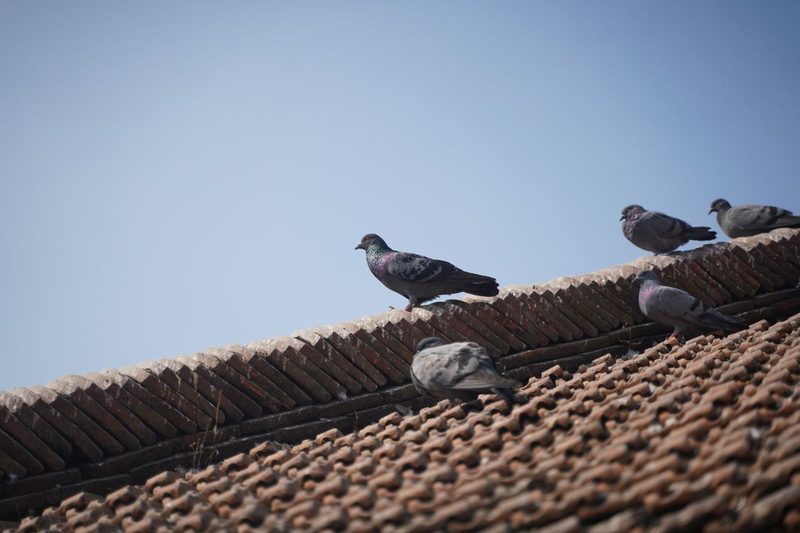
The mild climate helps too. Winters on the Cheshire Plain are a degree or so warmer than the Pennines just to the east, with fewer hard frosts, so pigeons breed almost all year and gulls return to the same roof every spring. Gulls in particular go back to the same nest site year after year, so a roof that's had one nest will very likely get another next spring.
If you've got birds or something scratching in the loft and you're not sure what it is, Chester Roofers & Contractors can get up on the roof, tell you exactly what's living there and quote for proofing it. Most inspections take under an hour.
The Usual Suspects: Which Birds and Pests Get Into Chester Roofs
Each one causes a different kind of damage, and each needs a different fix. So it pays to know what you're dealing with before anyone quotes.
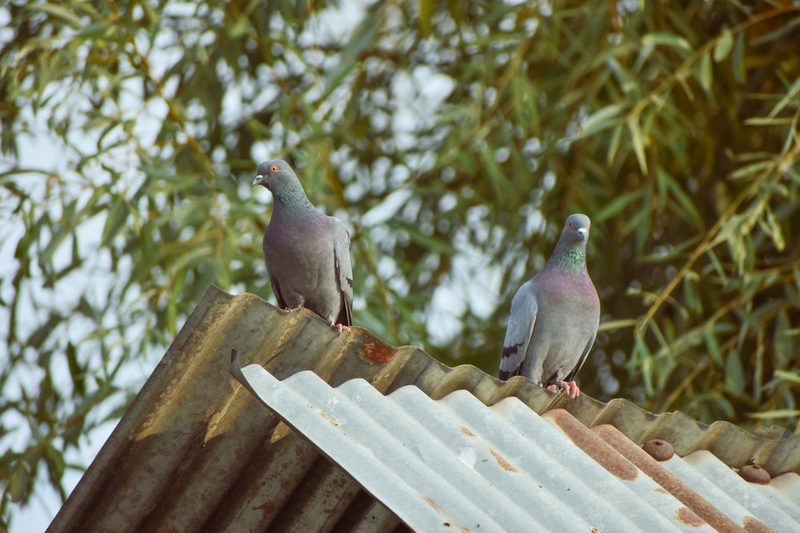
Gulls on flat roofs and parapets
Herring gulls and lesser black-backed gulls nest from late April and are aggressive about it, especially once chicks hatch in June. They favour flat roofs, valley gutters and the space behind parapet walls, and a pair defending a nest will dive at anyone going near, which makes repair work during June and July slow and occasionally dangerous. Nests are big, made of grass, moss and rubbish, and they sit right where your water needs to drain.
Pigeons under solar panels and on ledges
Feral pigeons are the biggest single complaint we hear about in Chester city centre and the closer-in suburbs. The gap under a solar array is perfect for them - dry, sheltered and warm - and a colony of 10 to 15 birds can build up under a typical 4kW system within a year or two. They also roost on ridges, dormer cheeks and window ledges, and their droppings are the real problem.
Jackdaws in chimneys
Jackdaws drop sticks into chimney pots until enough of them jam to make a platform, then build on top. We've pulled out nests over a metre deep. On a working fireplace or a gas fire with an open flue, that's a carbon monoxide risk, not just a nuisance.
Squirrels and wasps in the loft
Grey squirrels get in through gaps at the eaves, rotten fascias, and lifted tiles near the verge, then chew insulation, roofing felt and, worryingly, cables. Wasps are less destructive but use the same gaps, and a nest in a loft can hold several thousand insects by August. Both are signs of an opening that also lets in wind-driven rain.
What Bird and Pest Damage Actually Looks Like on a Chester Roof
The animals rarely break much themselves. The expensive part is what they leave behind.
Blocked gutters, outlets and flues
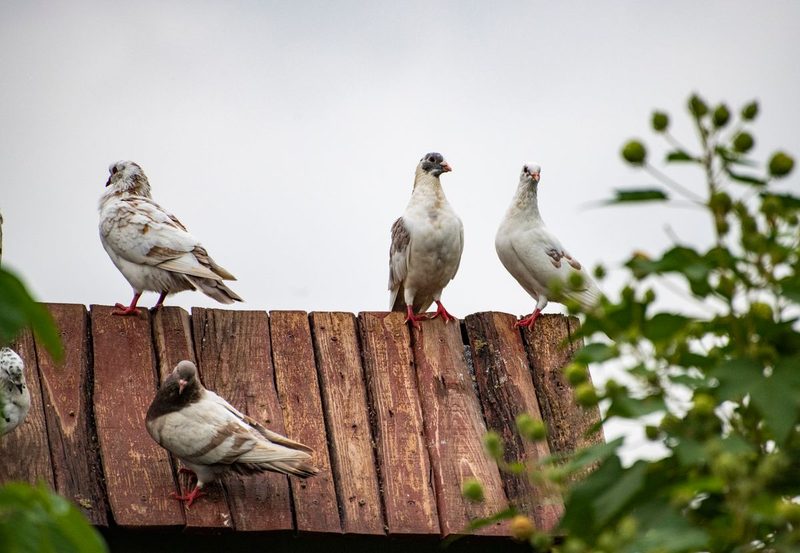
A gull nest in a box gutter or flat-roof outlet can stop water draining completely. Water then backs up to the height of the upstand and over it, usually into the ceiling below. A 25mm downpour on a 30 square metre flat roof sends roughly 750 litres of water toward that one outlet. In chimneys, jackdaw nests block flues and stop condensation escaping, which shows up as damp patches on the chimney breast.
We've covered how parapet and box gutters on Chester's Victorian terraces leak and what repairs cost in more detail elsewhere, and a good share of the blockages in those gutters start with nesting material.
Lifted tiles and torn felt
Gulls and crows pull moss off tiles to line nests, and in doing so they can lift and dislodge tiles, especially on older roofs where the nails have rusted. Squirrels chew through the underlay to get into the loft. Torn felt near the eaves is one of the most common things we find on Hoole terraces with squirrel problems, and it lets water onto the rafter feet and wall plate.
Guano on lead and stone
Pigeon and gull droppings are acidic, with a pH that can fall to around 3.5 to 4.5 when wet. Left on lead flashings and lead valleys for years, they speed up corrosion and leave white staining that's hard to shift. On sandstone, which is common on older Chester properties, the acid etches the surface and holds moisture against the stone. Droppings also carry diseases such as psittacosis and histoplasmosis, so a heavy build-up in a loft needs clearing by someone with the right protective kit, not a householder with a dustpan.
What the Law Says Before Anyone Touches a Nest
This is where a lot of people get caught out. Under the Wildlife and Countryside Act 1981, all wild birds, their eggs and active nests are protected. That means it's an offence to deliberately damage or remove a nest while it's being built or used, and the fine is unlimited. The government's guidance on wild bird protection and licences sets out exactly what's allowed.
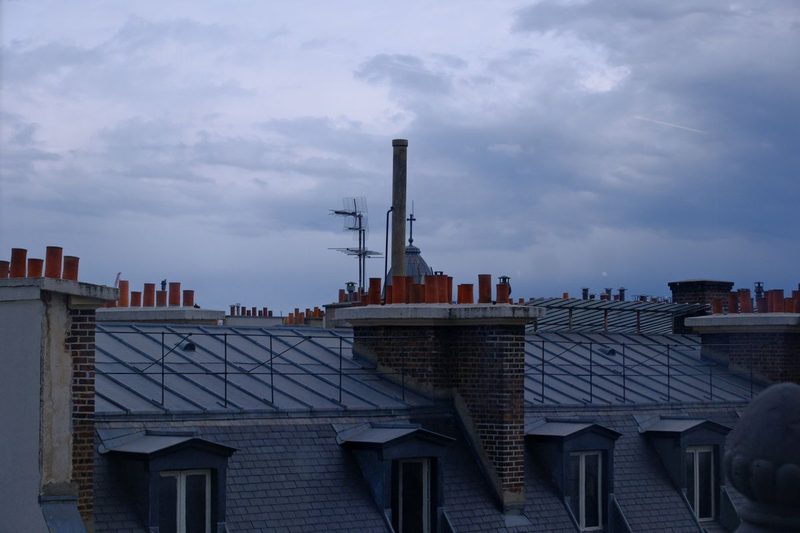
In practice, the main nesting season runs from roughly March to August, with gulls and jackdaws peaking from April to July. Outside that window, an empty nest can be removed and the roof proofed so the birds can't come back. Inside it, the nest generally has to stay until the chicks have fledged.
General licences and the gull problem
Natural England issues general licences for wildlife management that allow some birds to be controlled for specific reasons, such as public health or safety. Feral pigeons and jackdaws are covered by some of these in some circumstances, but the rules are tight and you have to meet the conditions of the licence. Herring gulls are a red-listed species and are not covered by the general licences, so a nest generally can't be touched without a specific licence. If a gull nest is blocking an outlet in May, the usual answer is temporary protection of the ceiling below and proofing once the birds have gone.
Bats in older Chester roofs
Bats are a separate legal issue and worth knowing about given how many old buildings Chester has. All UK bat species and their roosts are protected, whether bats are present at the time or not. If you think you've got bats, stop work and get advice. The Bat Conservation Trust's guide to bats and the law explains what to do, and it runs a free helpline for homeowners. Roof work on a property with bats usually needs a survey, and sometimes a licence, before it starts.
Squirrels and wasps aren't protected in the same way. Grey squirrels are an invasive species, and once trapped they can't legally be released back into the wild.
Bird and Pest Proofing Costs in Chester for 2026
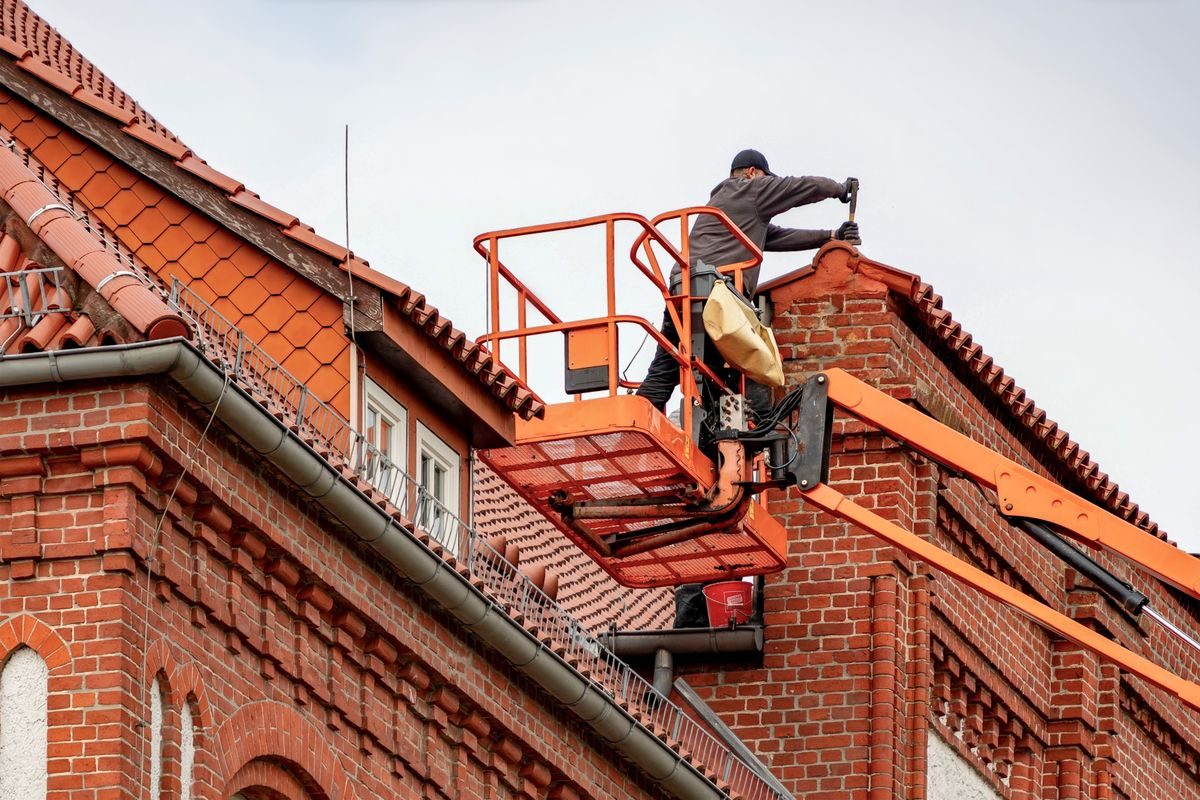
These are typical supply-and-fit prices for a standard Chester house with ladder or roof ladder access. Add scaffolding (around £600 to £1,200 for a typical semi or terrace) or a cherry picker (around £250 to £400 a day) if the job can't be reached safely otherwise.
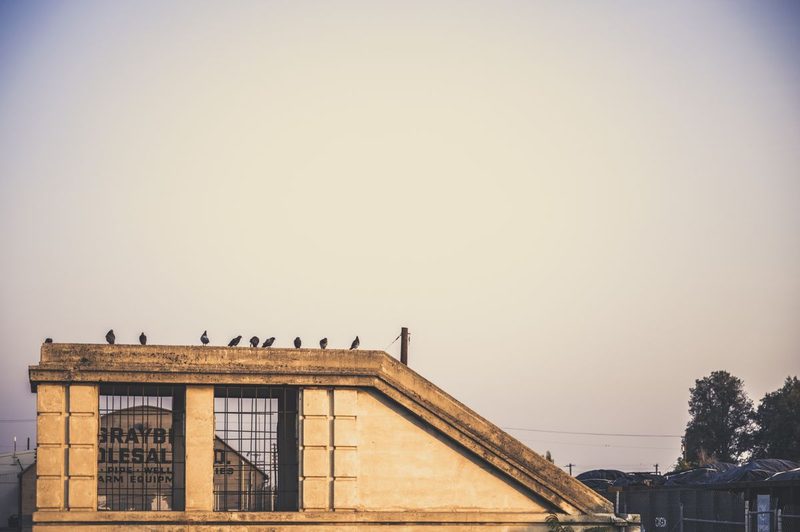
- Bird spikes on ridges, ledges or parapets: £15 to £30 per metre, usually £150 to £450 for a typical run
- Gull netting over a flat roof or light well: £20 to £40 per square metre, typically £600 to £2,500 depending on size and fixings
- Chimney cowl or bird guard: £80 to £150 per pot from a ladder, £150 to £350 if a roof ladder or crawl boards are needed
- Removal of a jackdaw nest from a flue, plus sweep (outside nesting season): £100 to £250
- Solar panel bird mesh: £400 to £800 for a 10 to 16 panel array, including clearing out existing nests
- Eaves combs or bird combs on the eaves course: £8 to £15 per metre fitted, often £150 to £400 for a terrace frontage
- Sealing loft entry points against squirrels (mesh, new soffit sections, repairs): £200 to £600, with pest control on top at £150 to £300
- Wasp nest treatment: £60 to £100 per visit
- Guano clean-up from a roof or loft: £150 to £500 depending on volume and access
What's worth paying for first
If you've got a flue in use, a cowl comes first. It's the cheapest item on the list and it removes a safety risk. After that, deal with whatever is blocking water: gull netting or spikes on flat roofs, then solar mesh, then everything else. Spikes on a decorative ridge are often the last thing worth doing.
Timing Proofing Work Around Chester's Nesting Season
The best months for bird proofing in Chester are September to February. Nests are empty, the law is on your side, and the work also lines up with autumn gutter clearing, so you only pay for access once. A roofer can clear a nest, fit a cowl and mesh a solar array in a single visit.
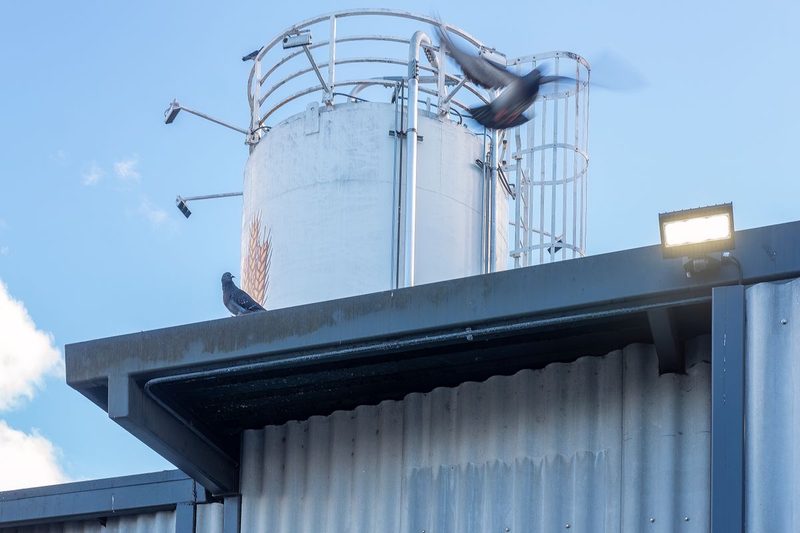
Trying to proof a roof in May or June usually means waiting. Around 70% of the gull and jackdaw calls we get come between April and July, when the nests are already active and nothing can be removed. The best you can do then is protect the inside of the house, book the proofing in for late summer, and keep the outlets around the nest clear if that's possible without disturbing it.
Squirrels and wasps don't follow the same calendar. Squirrels can be dealt with any time once the loft is checked for young, and wasp nests are easiest to treat from June to August when you can see the flight path.
Proofing Older and Listed Roofs in Chester
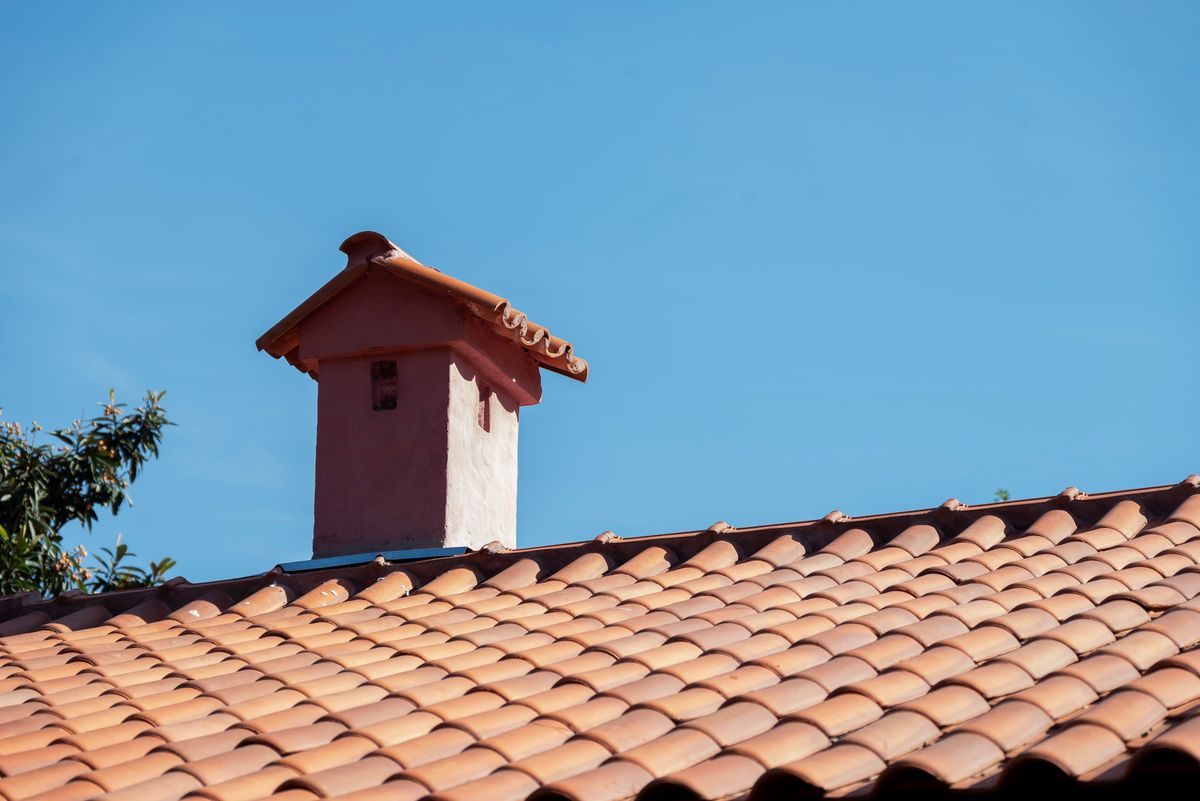
Chester has hundreds of listed buildings and a large city centre conservation area, and bird proofing on these properties needs a bit more thought. Netting and spikes are usually fine on rear and hidden roof slopes, but anything visible from the street on a listed building may need listed building consent from Cheshire West and Chester Council. Clear or grey netting, low-profile spikes and traditional terracotta chimney cowls tend to be accepted where shiny steel fittings aren't.
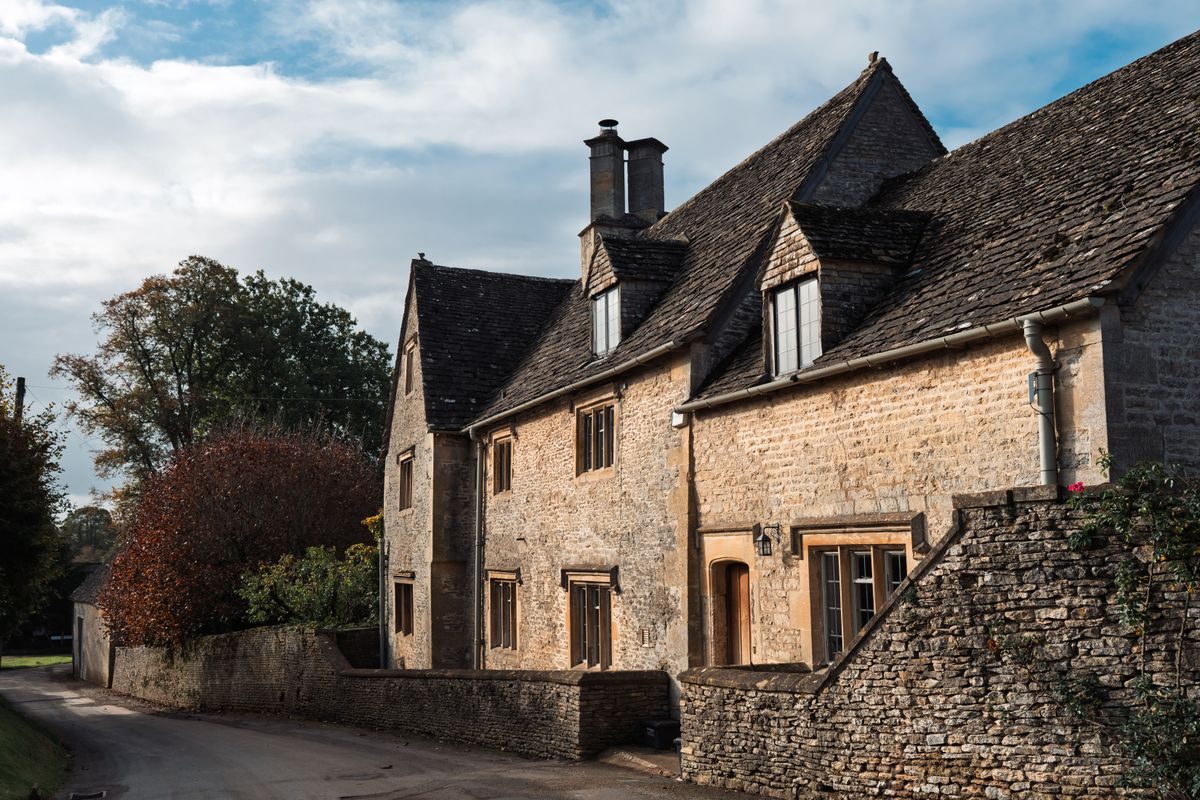
Fixings matter on old roofs too. Drilling into soft sandstone or historic lead creates new leak points. Good installers use clamps, adhesive bases or wire tensioned between existing fixings instead. On a Georgian terrace in the city walls, it's common to spend 20% to 30% more on proofing just because the access is awkward and the fixings have to be gentler.
Who to Call: a Roofer, Pest Controller or Both?
Pest controllers deal with the animals. Roofers deal with how they got in and the damage they left. For most Chester jobs, you need the roofer first, because the proofing is roof work: spikes, mesh, cowls, combs and sealed eaves all sit on or under the roof covering. A pest controller is the right first call for wasps, live squirrels in the loft, or a heavy guano build-up that needs specialist cleaning.
There's a real shortage of roofers in Cheshire who want to do small proofing jobs. Many are booked 4 to 6 weeks ahead on bigger work through the autumn, so book bird proofing early in the window rather than leaving it until February. Whoever you use, ask whether they'll check for bats, whether the nest is active, and whether the price includes access and clearing old nesting material.
Common Questions About Birds and Pests in Chester Roofs
Can I remove a bird's nest from my roof in Chester?
Only if it's not in use. Active nests are protected under the Wildlife and Countryside Act 1981, so the safe window is roughly September to February. Gull nests in particular generally need a specific licence to remove during the season.
How much does it cost to bird-proof solar panels in Chester?
Usually £400 to £800 for a 10 to 16 panel array, including clearing out any old nests. Larger arrays or awkward roofs with scaffolding costs can push it over £1,000.
Do pigeon droppings damage roofs?
Yes. Droppings are acidic and speed up corrosion on lead flashings and etch sandstone. They also block gutters and outlets and carry diseases, so heavy deposits should be cleared with protective equipment.
How do I stop jackdaws nesting in my chimney?
Fit a chimney cowl or bird guard to each pot. It costs about £80 to £150 per pot from a ladder, and it's best done between September and February once any nest has been cleared and the flue swept.
What should I do if I think there are bats in my roof?
Stop any work and get advice. All UK bats and their roosts are protected, and roof work may need a bat survey or licence first. The Bat Conservation Trust runs a free helpline.
Ready to work with Chester Roofers & Contractors?
Let's connect! We’re here to help.
Send us a message and we’ll be in touch.
Or give us a call today at 01244 740253
Agency Contact Form
More Marketing Tips, Tricks & Tools
Chester Roofers & Contractors