Finding a Roof Leak in Chester: Why Water Shows Up Far From the Fault
A damp patch on the ceiling feels like it should be simple: the hole must be directly above it. On most Chester roofs, it is not. Water that gets past a slate or a failed piece of flashing lands on felt, battens or rafters and then travels - often 2 to 4 metres sideways along a timber or a fold in the felt - before it finds a low point and drips through. That is why so many homeowners pay twice: once for a repair in the wrong place, then again for the real one. Chester's housing makes this worse than average, because the city's big stock of Victorian and Edwardian terraces carries Welsh slate roofs with little or no underfelt, complex junctions and plenty of chimneys. Add around 900mm of rain a year and you get leaks that appear, vanish for a fortnight, then return with the next westerly. This guide explains how water actually moves through a roof, and how to find the fault properly - once.
Why the Stain Is Rarely Under the Hole
Roofs are built as layers of slopes, and every layer gives water somewhere to go other than straight down. Rain that slips past a cracked slate hits the underfelt and runs down the felt's slope toward the eaves. If the felt is sound, the water may travel the full height of the roof and discharge into the gutter without you ever knowing. If the felt has a tear, a nail hole or a sag, the water escapes at that point - which can be several metres downhill and sideways from where it got in.
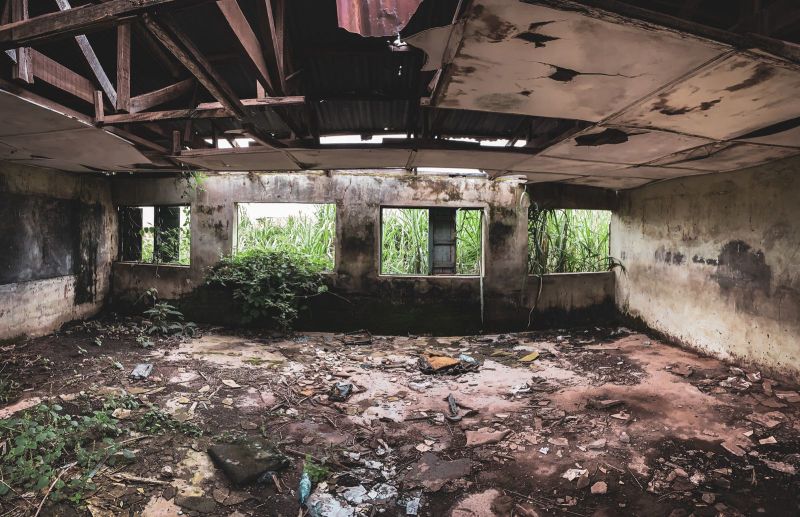
Once through the felt, water follows timber. Rafters and battens act as channels, carrying drips along their length until a joint, a knot or a sag lets the water go. Only then does it hit the plasterboard, spread into a circle, and appear as the stain you see. Three or four redirections between entry and stain are normal, and each can add a metre or more of offset. This is why prodding the tile above the stain wastes money more often than it saves it. If you would rather have the fault traced properly first time, Chester Roofers & Contractors diagnoses leaks across Chester before quoting the repair, not after.
The practical rule: treat the stain as the end of the trail, not the start. The real question is always what is uphill of it.
How Water Travels Through Chester's Slate Terraces
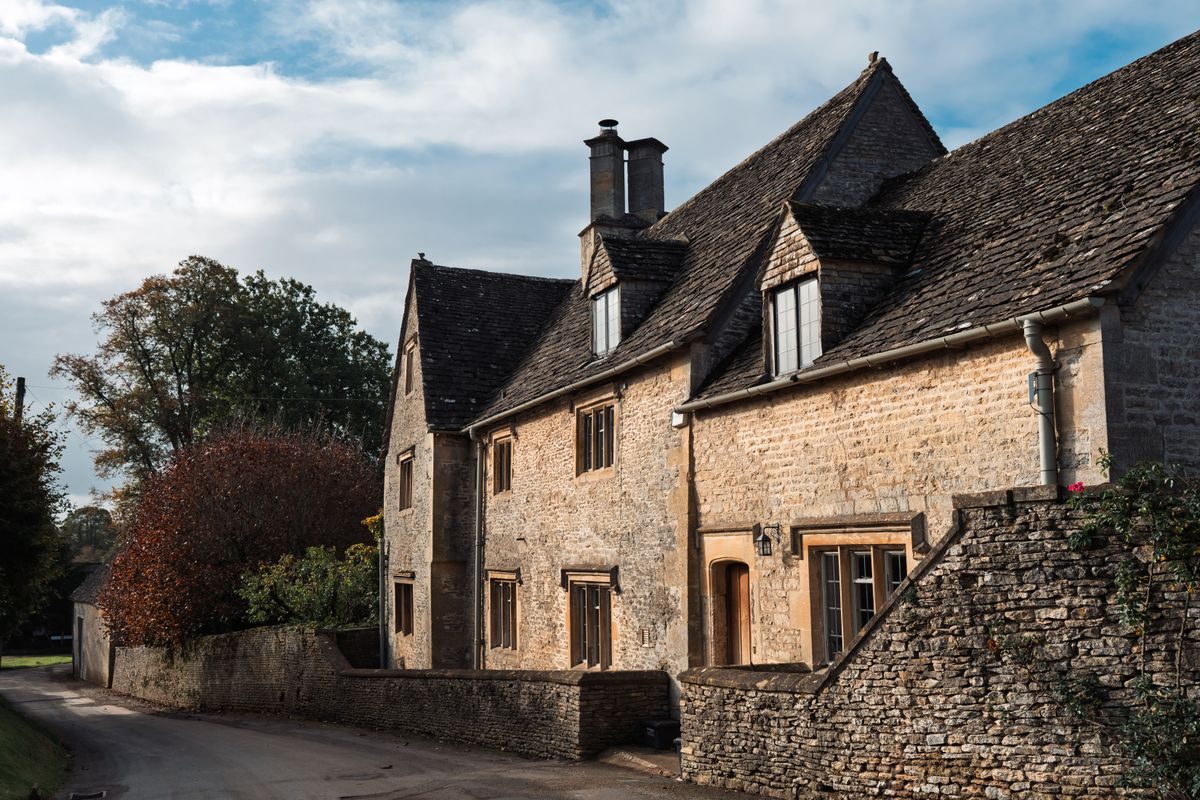
Chester's older streets - the Victorian and Edwardian terraces that make up a large share of the city's housing - are mostly roofed in Welsh slate, and slate roofs move water differently from modern tile. Each slate overlaps two courses below it, and the roof relies on those laps plus the steep pitch, typically 30 to 40 degrees, to throw water off fast. There is often no underfelt at all on unrestored roofs: miss a slate and the water is straight onto the timbers with no second line of defence.
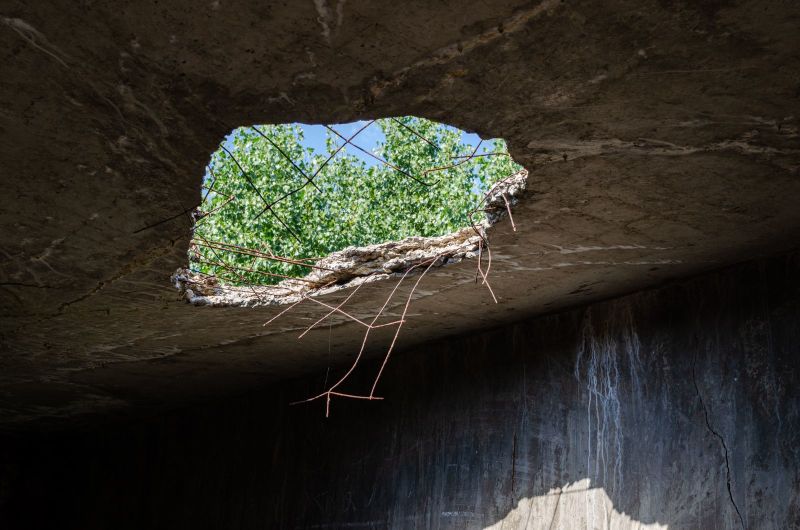
That changes the detective work. On a felted modern roof, the felt catches and redirects water, so entry point and drip point can be far apart. On an unfelted slate roof, the offset comes from the timbers instead - water tracks along a rafter or the top edge of a ceiling joist, sometimes crossing the width of a whole room before it drops. Terraces add one more twist: party walls. Water can enter above one house and show up next door, and roughly 1 in 10 terrace leak calls end with the fault found on the neighbour's slope or the shared chimney stack.
Wind-driven rain behaves differently again
A leak that only appears in storms, and never in steady rain, is usually not a hole at all. Wind pushes rain uphill and sideways, forcing it under laps, through ventilation gaps and past flashings that cope fine in vertical rain. These leaks are the hardest to trace because the roof is watertight 90% of the time, and they are a Chester speciality - the city's weather arrives mostly on south-westerlies with open ground behind them.
Leak or Condensation? Rule This Out First
A surprising share of winter "leaks" in Chester homes - a third is a fair working estimate - involve no rainwater at all. Warm, moist air from the house rises into a cold loft, condenses on the underside of the felt or the slates, and drips back onto the insulation and ceilings. The result looks exactly like a leak: damp patches, drips, even localised staining.
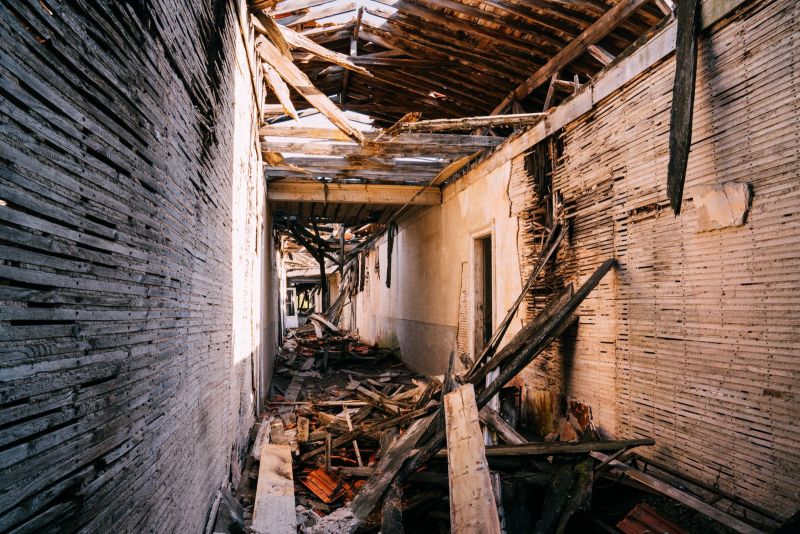
The tell is timing and weather. Condensation is worst on cold, still mornings after the heating has been on, and it often affects several spots at once rather than one repeating stain. A genuine leak tracks rainfall - if the patch grows during or shortly after wet weather and stays dry through cold snaps, it is rain getting in. Checking the loft with a torch during heavy rain settles it quickly: falling drips mean a leak, a fine mist of droplets on the felt's underside means condensation. We have covered why Chester lofts get condensation and how ventilation fixes it separately, because the cure is airflow, not a roofer on the tiles.
Getting this wrong is expensive in both directions. Paying £400 for roof work that cannot fix a ventilation problem stings; so does fitting vents while a real leak rots a rafter.
Where Chester Leaks Actually Start
Decades of callouts produce a consistent league table, and holes in the open roof surface sit surprisingly far down it. Junctions leak first. Lead flashing around chimneys, at wall abutments and in valleys accounts for the biggest single share of genuine leaks in Chester's older housing - somewhere near 4 in 10 is a reasonable estimate - because lead fatigues, splits along folds, and pulls out of mortar joints as buildings move.
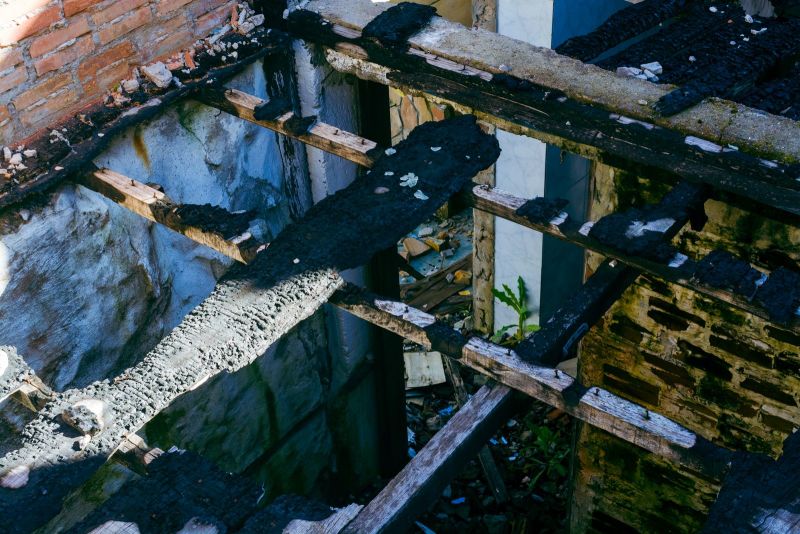
Chimneys deserve their own line. A typical terrace stack presents four faces of brickwork, a mortar cap, and metres of flashing, all standing in the weather doing nothing since the fires were blocked up. Porous bricks and failed pointing let water soak through the stack itself and emerge as damp on chimney breasts a full storey below the roof - a leak with no hole anywhere.
After junctions come the predictable rest: slipped or cracked slates and tiles, ridge and verge mortar that has washed out, blocked or overflowing gutters pushing water back under the eaves, and on newer homes, failed seals around rooflights and vent pipes. Each has a different fix at a different price, which is exactly why the diagnosis matters more than the repair.
How Roofers Trace a Leak - and What a Visit Costs
Proper leak detection is a process of elimination, worked from the inside out. A good roofer starts in the loft, tracing stain trails and water marks uphill along the timbers to find where they start, then inspects the corresponding area outside. In 2026 a straightforward inspect-and-trace visit in Chester runs £120 to £250, and many firms will offset it against the repair if you go ahead.
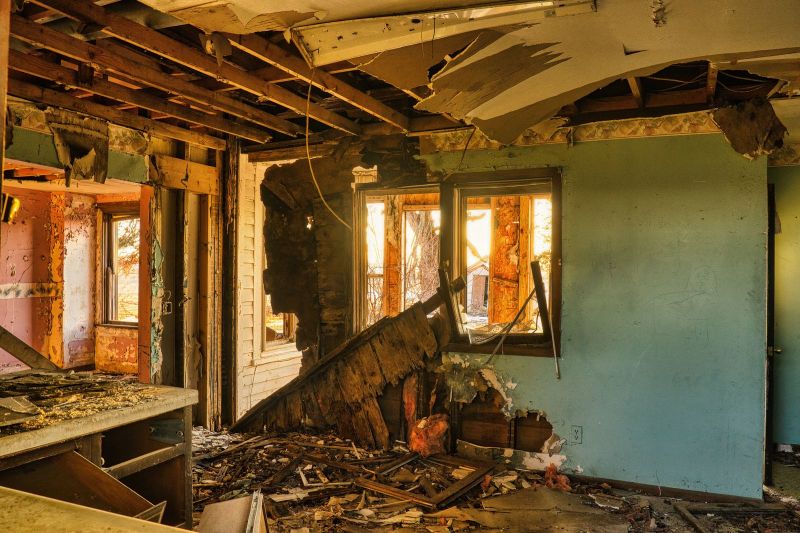
Stubborn leaks justify better tools. A hose test - one person flooding the suspect area section by section while another watches inside - takes an hour or two and typically adds £80 to £150. Drone surveys, £150 to £300, put a camera over chimneys and valleys that would otherwise need scaffold just to look at, which is why they have become the standard first step on taller Chester terraces. Thermal imaging, £200 to £400, shows cold, wet insulation and damp masonry invisible to the eye, and an electronic moisture meter maps how far the water has spread behind plaster.
Why paying for diagnosis beats free guesses
A £150 trace visit that finds a split flashing saves the £400 you would have spent re-fixing innocent slates above the stain. Free roadside diagnoses tend to cost the most in the end - the fix gets aimed at the most visible fault, not the actual one, and the leak returns with the next storm. Ask any firm quoting a repair one question: what did you find, and how do you know that caused this stain? A roofer who cannot answer has not found your leak.
Chasing a Leak in Wet Weather: Why Timing Matters
Chester's climate gives leak-tracing a rhythm of its own. With around 900mm of rain a year and wet days running at roughly one in three, an active leak is rarely far from its next demonstration - useful for diagnosis, unhelpful for repairs. Lead work, mortar and most sealants need dry surfaces, so the practical pattern is: confirm the leak during rain, fix it in the dry window that follows, and get inside protection - a bucket in the loft above the stain beats one on the carpet - in between.
The trend is running the wrong way for procrastinators. The Met Office's overview of how climate change is affecting the UK points to warmer, wetter winters and more intense rain events, which means shorter dry windows and harder tests of every marginal flashing and lap. A leak that shows once a winter now may show monthly within a few years, and each soaking spreads a little further into timber and plaster.
There is one thing worth doing immediately whatever the forecast: if water is coming through a light fitting or near wiring, stop using that circuit and get an electrician's check alongside the roofer. Water and old terrace wiring is the one combination here that cannot wait for a dry spell.
What the Fix Costs Once the Leak Is Found
The repair is usually the cheap part once the fault is identified. Typical 2026 figures for Chester: re-fixing slipped slates £180 to £450, resealing or re-dressing a run of flashing £200 to £500, a full chimney re-flash £450 to £1,000, repointing a chimney stack £300 to £700, a valley re-line £400 to £900, and clearing and re-aligning gutters £80 to £200. Tracing plus fixing a single persistent ceiling leak, taken together, most commonly lands between £280 and £700.
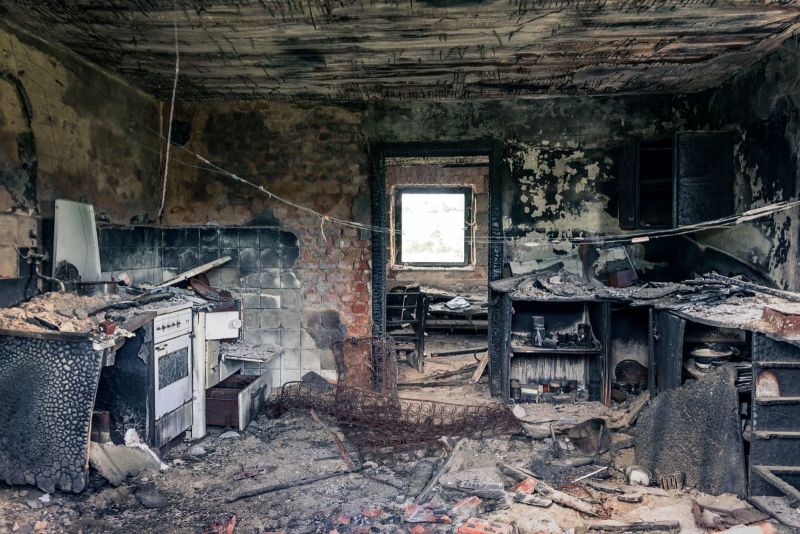
Ceiling and decoration repairs come on top, and they scale with delay. A stain caught early dries out and takes a coat of stain-block and paint, £100 to £200. Sagging plasterboard, soaked insulation and a re-skim run £400 to £900. Rot in structural timbers - the true cost of a leak ignored across seasons - starts around £1,000 and climbs steeply, which is why a same-month response to a new stain is the cheapest roofing decision a Chester homeowner ever makes.
The repeat-leak trap
If the same stain has now been "fixed" twice and returned, stop paying for repairs and pay for diagnosis instead. Two failed fixes almost always mean the water is entering somewhere nobody has looked - a neighbour's slope, a porous chimney, a felt tear metres uphill. Insist on a traced cause, in writing, before a third repair.
Getting the Right Person on the Roof
Leak-tracing rewards experience more than almost any other roofing job, so pick for diagnostic skill, not just price. Chester's roofing trade is well supplied - the city and its villages support dozens of established firms, so nobody needs to hire the first person who answers the phone. Ask how the firm traces leaks before repairing them, whether the trace fee comes off the repair, and what happens if the leak returns - a written recall period of 6 or 12 months on the specific fault is a reasonable ask.
Credentials are quick to check and worth the five minutes. The National Federation of Roofing Contractors runs a find a member directory covering vetted firms, and TrustMark's homeowner guidance explains what government-endorsed standards actually cover before you commit. Pair either with proof of public liability insurance of at least £2 million and a written, itemised quote naming the diagnosed fault.
And keep the evidence. Photograph stains with dates, note the weather each time the leak shows, and mark the drip point in the loft. Ten minutes of your notes can cut an hour off the trace - and it is your money the trace is spending.
---
FAQ
Q: Why is the damp patch on my ceiling not under the actual leak?
A: Because water travels before it drops. Rain that gets past a slate or flashing lands on underfelt, rafters or battens and runs along them - often 2 to 4 metres sideways and downhill - until it finds a tear, joint or low point to escape through. Only then does it reach the plasterboard and form a stain. On Chester's older slate terraces with little or no underfelt, water tracks along the timbers instead, and can even enter above a neighbouring house and show up through a shared party wall or chimney.
Q: How much does roof leak detection cost in Chester?
A: In 2026, a standard inspect-and-trace visit runs £120 to £250, and many firms deduct it from the repair if you proceed. A hose test adds £80 to £150, a drone survey of chimneys and valleys costs £150 to £300, and thermal imaging runs £200 to £400. Taken together, tracing and fixing a single persistent ceiling leak most commonly lands between £280 and £700 - usually far less than repeated guess-based repairs in the wrong place.
Q: How do I tell a roof leak from condensation?
A: Watch the timing. A genuine leak tracks rainfall - the patch appears or grows during and just after wet weather. Condensation is worst on cold, still mornings, often shows in several places at once, and happens with no rain at all. Checking the loft with a torch during heavy rain settles it: falling drips mean a leak, while a fine mist of droplets on the underside of the felt means condensation, which is fixed with ventilation rather than roof repairs. Around a third of winter "leak" callouts in Chester turn out to be condensation.
Q: What are the most common sources of roof leaks in Chester homes?
A: Junctions, not holes. Failed lead flashing around chimneys, wall abutments and valleys accounts for the largest share - roughly 4 in 10 genuine leaks in the city's older housing. Porous chimney stacks with failed pointing come next, letting water soak through the brickwork itself with no hole anywhere. After that come slipped or cracked slates, washed-out ridge and verge mortar, blocked gutters pushing water back under the eaves, and failed seals around rooflights on newer homes.
---
Ready to work with Chester Roofers & Contractors?
Let's connect! We’re here to help.
Send us a message and we’ll be in touch.
Or give us a call today at 01244 740253
Agency Contact Form
More Marketing Tips, Tricks & Tools
Chester Roofers & Contractors