Roof Repairs in Kelsall and Tattenhall: Village Roofs, Common Problems, and Costs
Kelsall and Tattenhall sit either side of the countryside between Chester and Tarporley, and although they are only a few miles apart their roofs live very different lives. Kelsall climbs the Mid Cheshire sandstone ridge on the edge of Delamere Forest, so its houses sit noticeably higher than the plain they look over and take the weather first. Tattenhall spreads across the flatter farmland to the south, a large village of brick cottages, Victorian farmhouses and newer estates with the Peckforton hills on its horizon. Both share the wet North West climate - around 900mm of rain a year, falling on roughly one day in three - and both mix period buildings with modern infill, which is exactly the combination that keeps roofers busy. A few slipped tiles here typically costs £160 to £380 to put right, but leave them through a winter and the bill multiplies. This guide covers what actually goes wrong, what it costs in 2026, and who to call.
Two Villages, Two Kinds of Roof
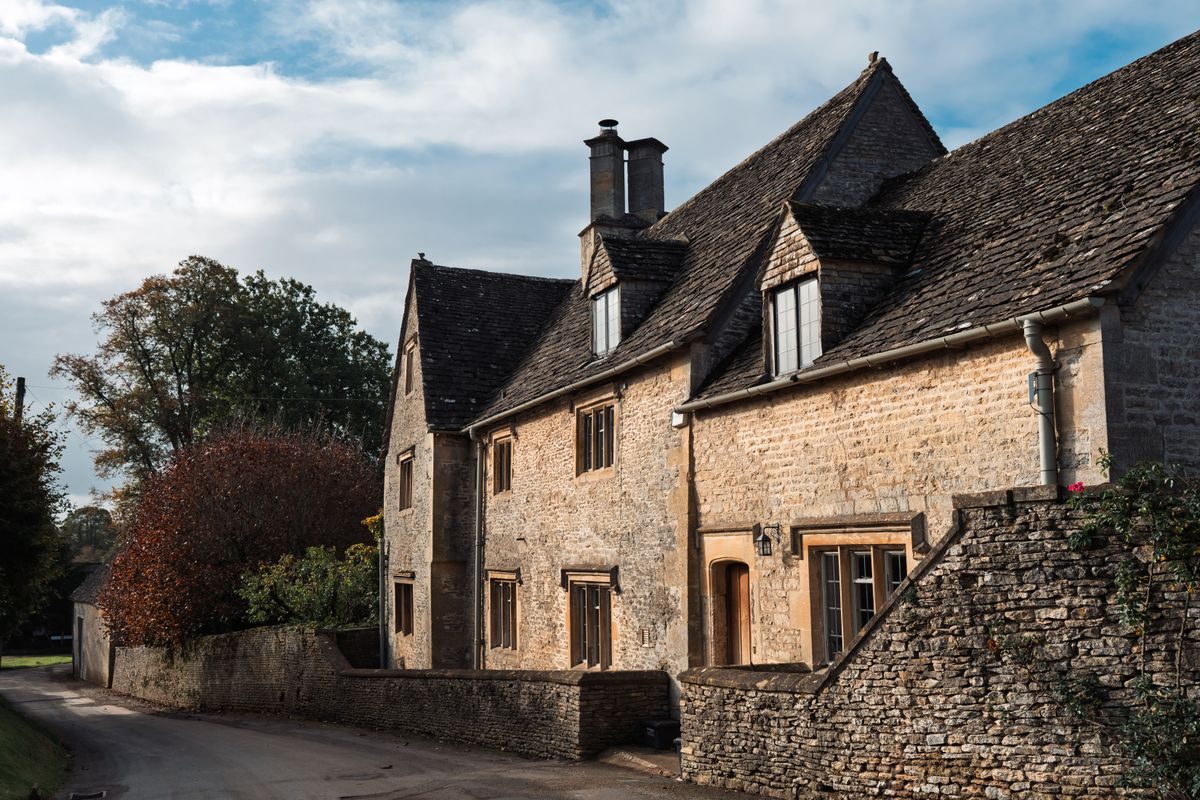
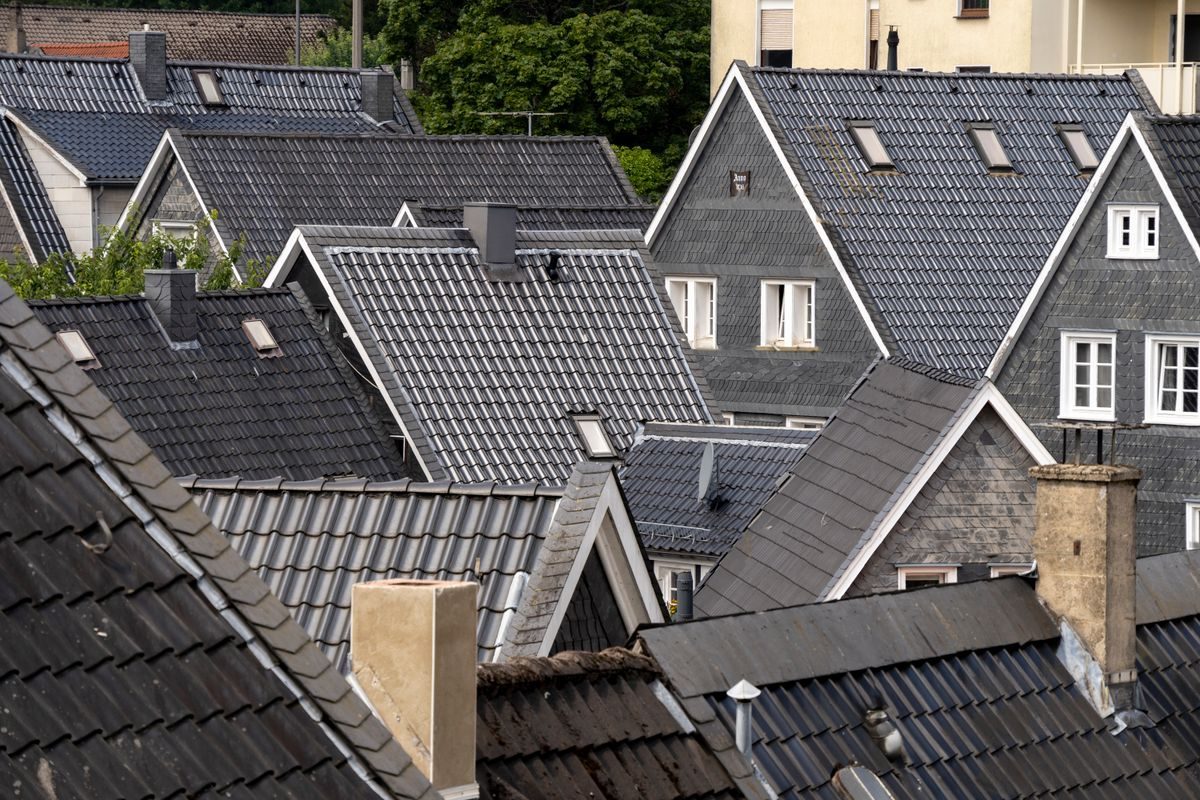
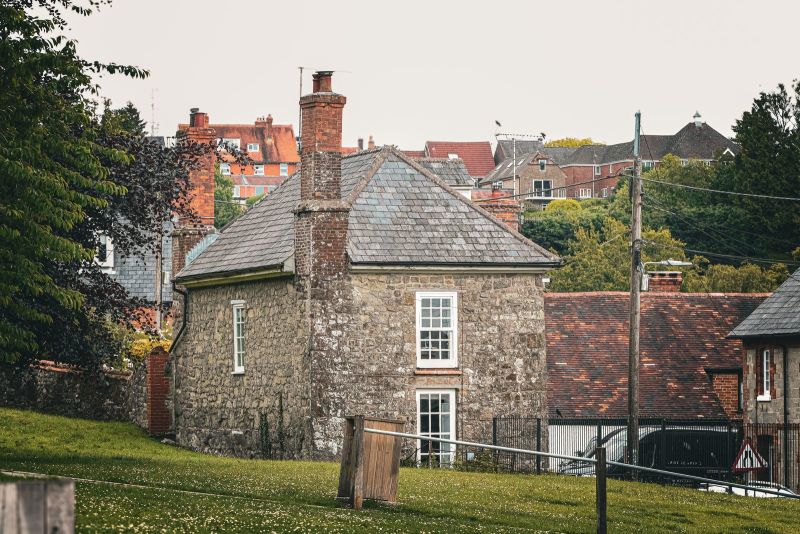
Walk through either village and you will see the same split. The older core - sandstone and brick cottages, Victorian farmhouses, the odd converted barn - carries natural slate, clay tile and plenty of chimneys. Wrapped around that core is several decades of infill: bungalows, 1970s and 1980s estates, and the newer developments both villages have gained as Chester commuter demand pushed outward. Those roofs are almost all concrete tile with a working life of 50 to 60 years, which puts a fair chunk of the earlier estates due for attention right about now.
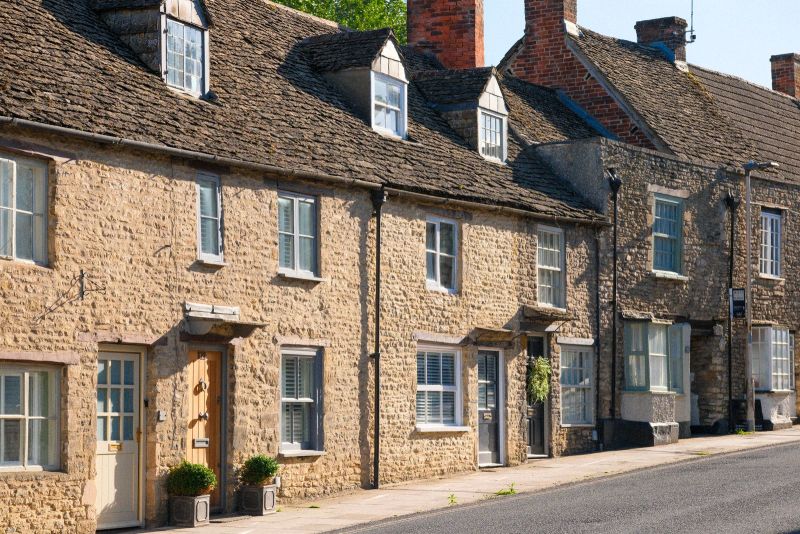
The two types fail differently. Old roofs lose slates when century-old nails rust through; newer roofs lose mortar from ridges and verges and shed the odd cracked tile. A roofer who quotes the same fix for both is not looking hard enough. If you want a straight answer on which category your roof falls into and what it genuinely needs, Chester Roofers & Contractors covers Kelsall and Tattenhall and works on both types week in, week out.
The practical point for homeowners: know which roof you own before you compare quotes. A £300 repair on a concrete-tile semi and a £300 repair on a slate farmhouse are not the same job, and the right questions to ask are different for each.
Life on the Ridge: How Kelsall's Height Works Its Roofs
Kelsall's position is its charm and its roofing problem in one. Sitting up on the sandstone ridge, the village catches wind that has crossed the whole Cheshire Plain without interruption, and the western slopes get the worst of every Atlantic front. Wind speed rises with height, and even a modest rise in average wind speed means a big rise in the peak gusts that actually strip roofs - it is the gusts, not the averages, that lift tiles.
In practice that means Kelsall roofs lose ridge mortar, verge pointing and leading-edge tiles noticeably sooner than the same roof would down on the plain. Mortar bedding up here has a realistic life of 15 to 20 years before it cracks and washes out, and once a ridge tile can rock, wind-driven rain goes straight under it. Re-bedding a ridge runs £260 to £720, and on the more exposed slopes it is worth paying the extra £150 to £300 for a mechanically fixed dry-ridge system that screws down instead of relying on mortar the next storm will crack.
Tattenhall is calmer, but not exempt
Tattenhall sits lower and more sheltered, but the plain around it is open farmland, so south-westerlies still arrive with a run-up. The difference is degree, not kind - Tattenhall roofs get perhaps another five years out of the same mortar and fixings, which is worth having but no reason to skip the checks after a named storm.
Trees, Shade and Moss: The Quiet Cost of a Leafy Village
Both villages are green, and Kelsall in particular sits hard against Delamere Forest. Trees are kind to a street and unkind to a roof. Shaded slopes dry slowly after rain - and in a climate with 900mm a year, a north-facing slope under trees may barely dry at all between October and March. Damp surfaces grow moss, and moss holds water against tiles like a wet sponge, feeding frost damage in winter and blocking the gaps tiles need to drain.
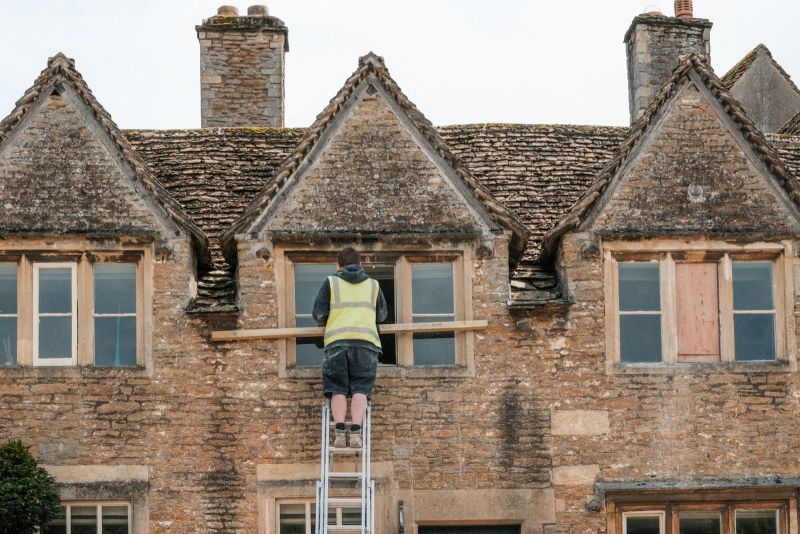
Leaf fall is the other half of it. Gutters below overhanging trees can fill in a single autumn, and a blocked gutter overflows down the wall, soaking brickwork and rotting fascia boards. Clearing gutters costs £80 to £150 for an average house, a soft moss removal by hand or low-pressure wash runs £150 to £400, and replacing a rotted fascia and gutter run costs £600 to £1,500 depending on length and access. Skipping the £100 job is how people end up paying for the £1,000 one.
One warning about pressure washing
Do not let anyone blast a slate or older tile roof with a high-pressure washer. It strips the weathered surface, drives water under the laps, and can shorten the roof's remaining life by years. Moss on old roofs comes off by hand, with a scraper and a biocide wash - slower, cheaper on the roof, and the way any reputable firm will quote it.
Slipped Slates and Tiles on the Older Cottages and Farmhouses
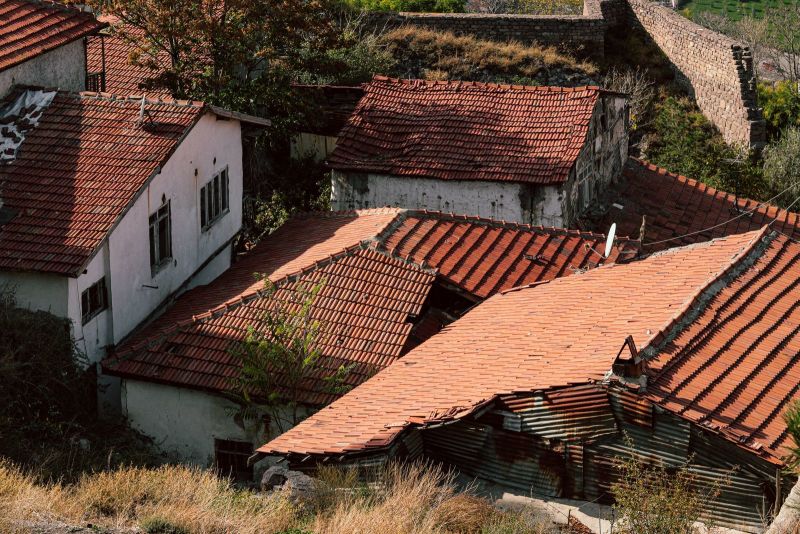
The period buildings in both villages - the sandstone cottages, the brick farmhouses, the barn conversions out on the lanes - mostly carry natural slate or clay tile, and the classic failure is nail sickness: the iron nails holding each slate corrode over 80 to 100 years until slates start sliding after windy nights. It rarely stops at one, because every nail on that slope is the same age.
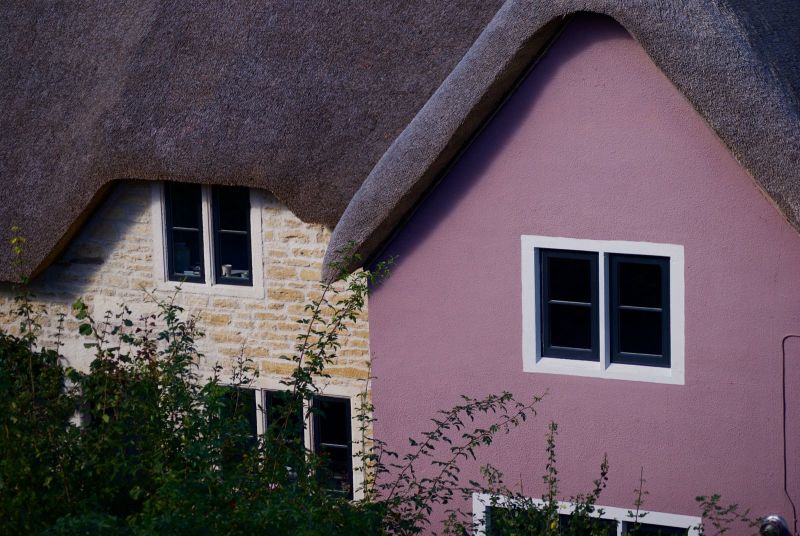
Re-fixing a handful of slipped slates costs £200 to £480, a little above the concrete-tile equivalent because slates need re-hooking with copper tingles rather than simply nailing back, and because a decent roofer will hunt down reclaimed slates that match the weathered originals in colour and thickness. On a farmhouse visible across open fields, a patch of bright new slate stands out for decades, so matching is not vanity - it protects the look and the value of the house. Clay tiles on the older cottages bring the same matching question; some profiles have been out of production for 50 years, and salvage yards are the usual answer.
Why speed matters more on an old roof
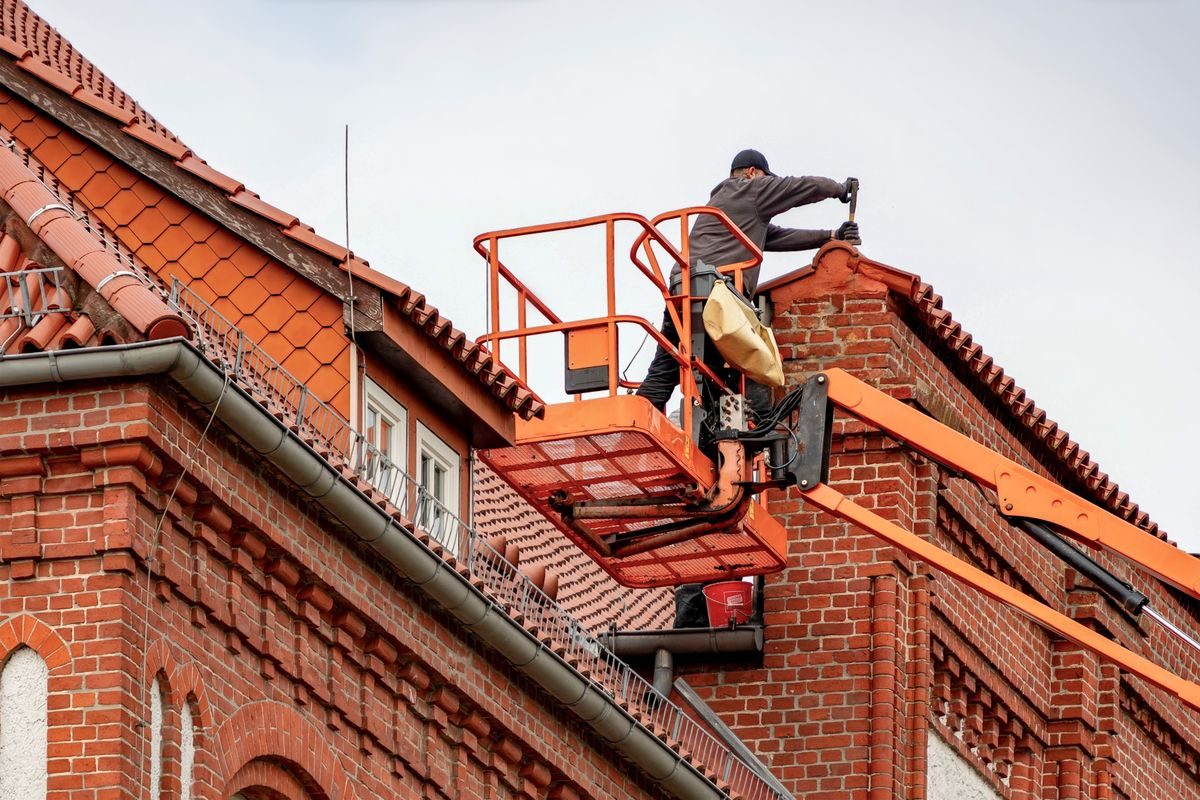
Under old slates there is often no underfelt at all, or a brittle bitumen felt that tears like paper. A gap that a modern roof would shrug off for months lets rain straight onto original timbers in an older one. A £250 slate repair caught early beats the £900 to £1,800 job that follows a winter of soaked battens and stained ceilings. Deciding whether a tired slope justifies patching again or is ready for bigger work is its own judgement call - our guide to weighing up roof repair against replacement walks through the maths in more detail.
Chimneys, Flashing and the Farmhouse Problem
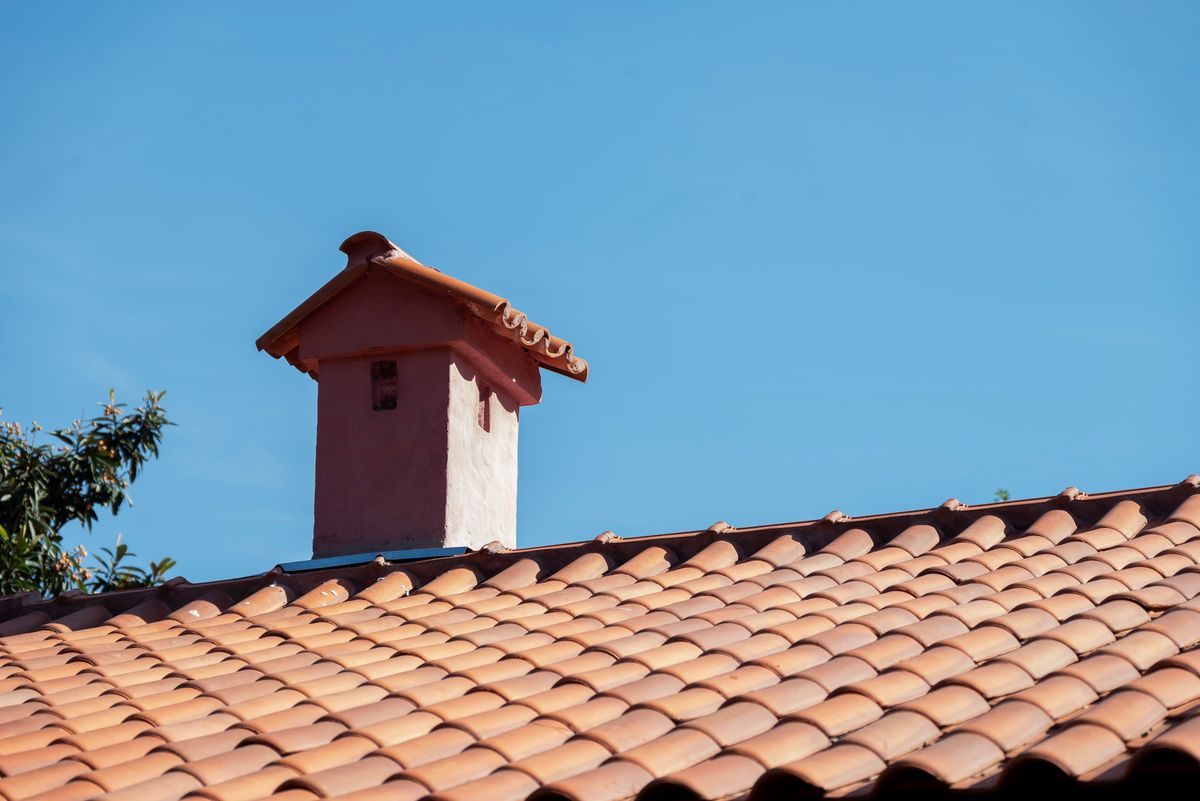
Farmhouses and older village houses carry more chimneys than modern homes, often two or three stacks, and many are now redundant - unused, unheated, and slowly weathering. A redundant stack still needs sound flashing and pointing, and it is one of the most common leak sources in rural Cheshire homes because nobody looks at it until the bedroom ceiling stains.
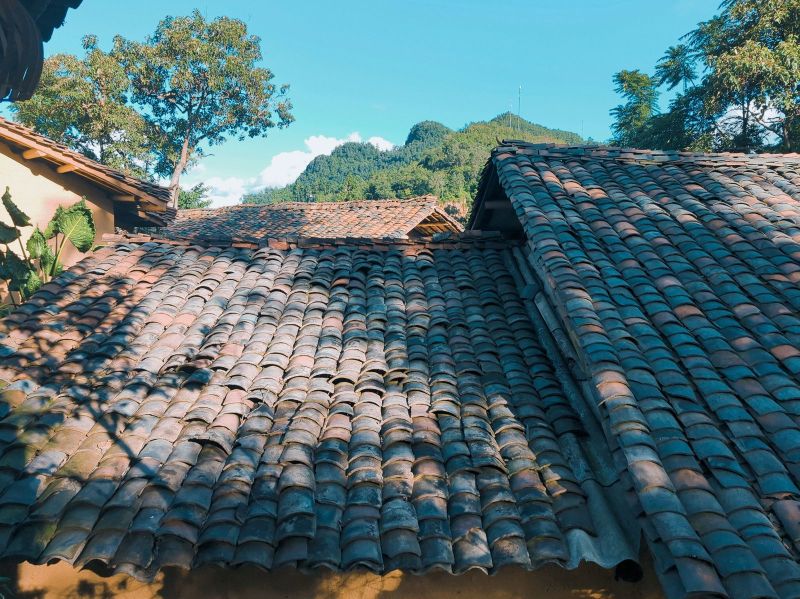
Resealing or re-dressing a run of lead flashing costs £220 to £520. A full chimney re-flash in new lead runs £450 to £950, and if the stack needs repointing while the scaffold is up, budget another £300 to £600 - doing both in one scaffold hire is far cheaper than two separate visits. On a stack that serves no purpose and leaks repeatedly, taking it down below the roofline and tiling over, typically £900 to £1,800, can be the honest recommendation rather than flashing it for the third time.
Valleys deserve a mention on the larger farmhouses and barn conversions, where complicated roof shapes meet. Debris off surrounding trees collects in them, old lead splits along its folds, and a valley re-line runs £350 to £800.
Barn Conversions and Modern Estates: The Newer Failures
Not everything here is a period problem. Barn conversions, mostly done from the 1980s onward, have their own pattern: big open roof slopes, rooflights, and junctions between old walls and new roof structure. Rooflight seals give up after 15 to 25 years, and resealing or re-flashing one costs £150 to £400 - a small job that gets blamed on the whole roof more often than it should.
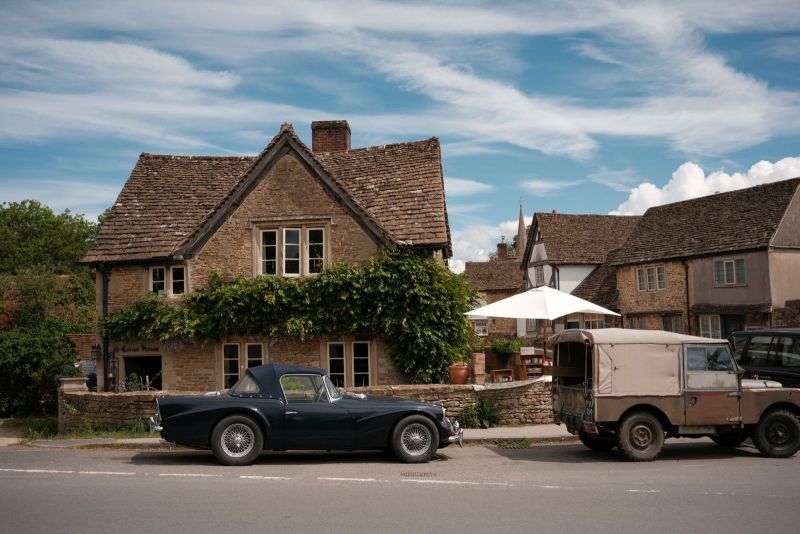
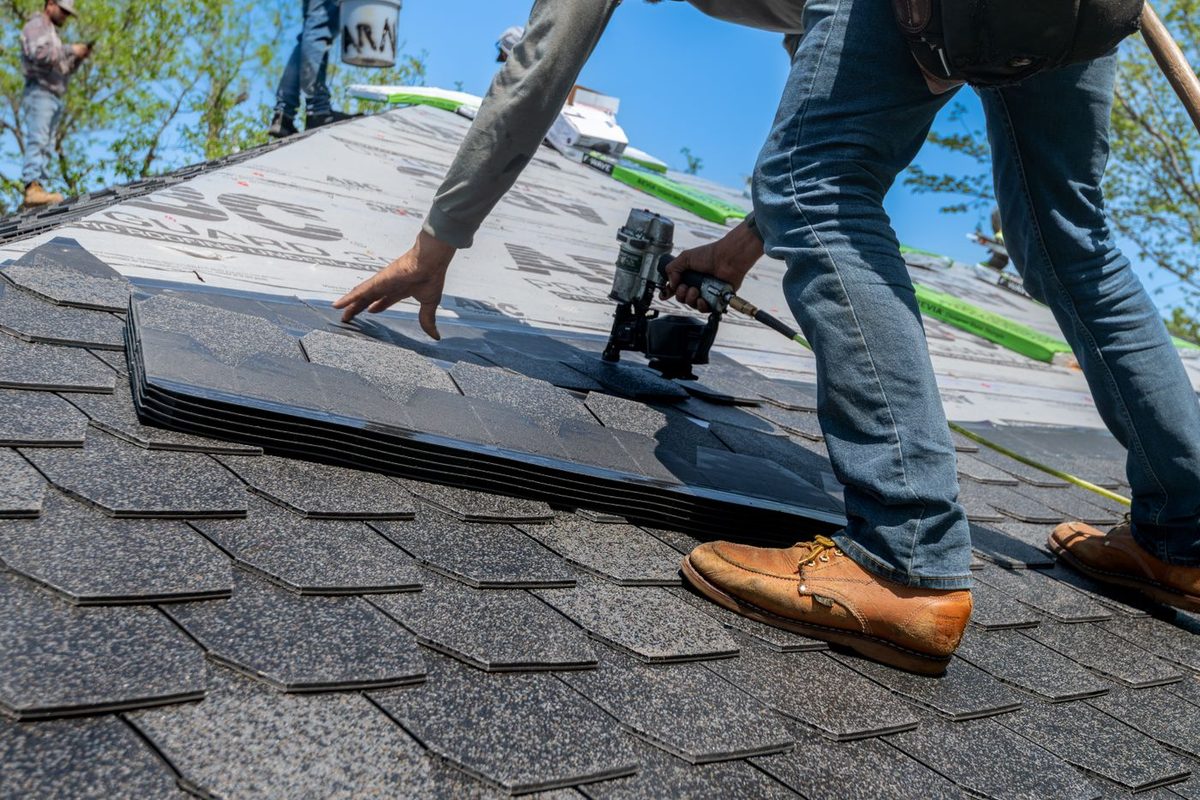
The estate housing in both villages fails at the edges rather than the middle. Mortar verges crack, ridge lines loosen, and the first generation of plastic fascias and gutters from the 1980s and 1990s becomes brittle and starts leaking at the joints. Individual cracked concrete tiles cost £160 to £380 to swap in small numbers. Upgrading crumbling mortar verges to a dry-verge system runs £700 to £1,400 for a typical semi and removes the maintenance cycle entirely, which on an exposed Kelsall slope is usually money well spent.
Flat roofs on garages and rear extensions round out the list. Felt lasts 15 to 20 years in this climate; patching costs £150 to £420, and recovering a garage in EPDM rubber runs £1,100 to £2,600 and outlasts felt roughly two to one.
What Roof Repairs Cost in Kelsall and Tattenhall in 2026
Here is the realistic 2026 spread for the two villages. Slipped or cracked concrete tiles: £160 to £380. Slipped slates re-hooked: £200 to £480. Lead flashing reseal: £220 to £520. Full chimney re-flash: £450 to £950. Ridge re-bed: £260 to £720. Dry-ridge upgrade: £400 to £1,000. Valley re-line: £350 to £800. Moss removal by hand: £150 to £400. Gutter clear: £80 to £150. Flat-roof felt patch: £150 to £420. Tracing and fixing a single ceiling leak: £260 to £650.

Two things move these numbers. The first is access: anything needing scaffold - two-storey farmhouses, tall stacks, steep slate - adds £600 to £1,300, and rural properties with soft ground or narrow lanes can add more because the scaffold lorry simply cannot get close. The second is the weather trend: the Met Office's summary of how the UK's climate is changing points to wetter winters and more intense rainfall, which shortens the forgiveness window on every small fault. A loose tile that would once have waited until spring now often will not.
The 30 to 40% rule
If repair bills over a couple of years are heading past 30 to 40% of what a re-roof would cost, stop patching and price the bigger job. A full re-roof on an estate semi here runs £6,500 to £9,500 in concrete tile; a slate farmhouse can run £10,000 to £17,000 or beyond. Against those figures, one £400 repair is obviously sensible - a fifth one is not.
Hiring a Roofer in the Villages
Rural villages have a particular exposure: after storms, door-knocking "roofers" work the lanes precisely because older properties and older owners are easier to alarm. Nobody reputable diagnoses a roof from your doorstep. If someone tells you they "noticed a problem while working nearby", thank them and close the door.
Cheshire's genuine trade base is strong - the county has no shortage of established roofing firms within half an hour of either village - so use the filters that exist. Check membership through the National Federation of Roofing Contractors' find a member directory, and read TrustMark's advice for homeowners on using approved tradespeople before you sign anything. Ask for proof of public liability insurance of £2 million or more, a written itemised quote, and - on the period buildings - examples of slate and lead work they have actually done. For anything on a listed farmhouse or cottage, confirm early whether consent applies before materials are ordered.
Three quotes, in writing, with time to think. Any roofer worth hiring will be comfortable with all three.
---
FAQ
Q: How much do roof repairs cost in Kelsall and Tattenhall?
A: In 2026, most jobs land between £160 and £950. Slipped concrete tiles cost £160 to £380, re-hooked slates £200 to £480, a lead flashing reseal £220 to £520, a full chimney re-flash £450 to £950, and a ridge re-bed £260 to £720. Moss removal by hand runs £150 to £400 and a gutter clear £80 to £150. If scaffolding is needed for a two-storey farmhouse or tall chimney, add £600 to £1,300, and awkward rural access can push that higher.
Q: Why do Kelsall roofs seem to need repairs more often than roofs in nearby villages?
A: Kelsall sits up on the Mid Cheshire sandstone ridge, so its roofs take wind that has crossed the open plain without interruption, and gusts are what lift tiles and crack ridge mortar. Mortar bedding that might last 20 years or more in a sheltered spot realistically lasts 15 to 20 up on the ridge. Tree cover near Delamere Forest adds a second factor: shaded slopes stay damp, grow moss, and fill gutters with leaves every autumn.
Q: Is moss on my roof actually a problem or just cosmetic?
A: On the older slate and clay roofs common in both villages, it is a real problem. Moss holds water against the roof surface, feeds frost damage in winter, and blocks the drainage gaps between tiles. Removal by hand with a biocide wash costs £150 to £400. What you should never do is have an old roof pressure washed - it strips the weathered surface and can shorten the roof's life by years.
Q: Should I keep repairing an old farmhouse roof or replace it?
A: Use the 30 to 40% rule: once repair spending over a couple of years approaches a third or more of the re-roof cost, replacement is usually better value. A slate farmhouse re-roof runs £10,000 to £17,000 or more, so well-matched repairs on a fundamentally sound roof are worth it - but a roof needing callouts every winter is telling you something. An honest roofer will show you which side of the line you are on.
---
Ready to work with Chester Roofers & Contractors?
Let's connect! We’re here to help.
Send us a message and we’ll be in touch.
Or give us a call today at 01244 740253
Agency Contact Form
More Marketing Tips, Tricks & Tools
Chester Roofers & Contractors