Roof Ventilation and Condensation Problems in Chester Lofts: Causes and Fixes
Around a third of the loft inspections we carry out in Chester turn up condensation damage with no leak anywhere near it. The homeowner assumes water's getting in from outside, but the actual problem is moisture from inside the house getting trapped under the roof with nowhere to go. It shows up as black mould on the underside of the roof felt, damp timber, or a musty smell that won't shift, and it's quietly become more common as homes get better insulated and draughtier old extractor fans get replaced with sealed double glazing. This guide covers why it happens and what actually fixes it.
Why Modern Homes Are More Prone to This
If you're dealing with condensation in your loft, it's worth getting Chester Roofers & Contractors out to take a look before assuming it's a roofing fault, since the fix is often about airflow rather than the roof covering itself.
Warm, moist air from kitchens, bathrooms, and even just from people breathing rises through the house and into the loft space. In an older, draughtier house, that air had plenty of places to escape. Modern insulation upgrades, double glazing, and draught-proofing have made homes more airtight, which is great for heating bills but means moisture that used to escape now has fewer routes out. When that warm air hits the cold underside of the roof, it condenses, and over time that moisture soaks into timber and insulation.
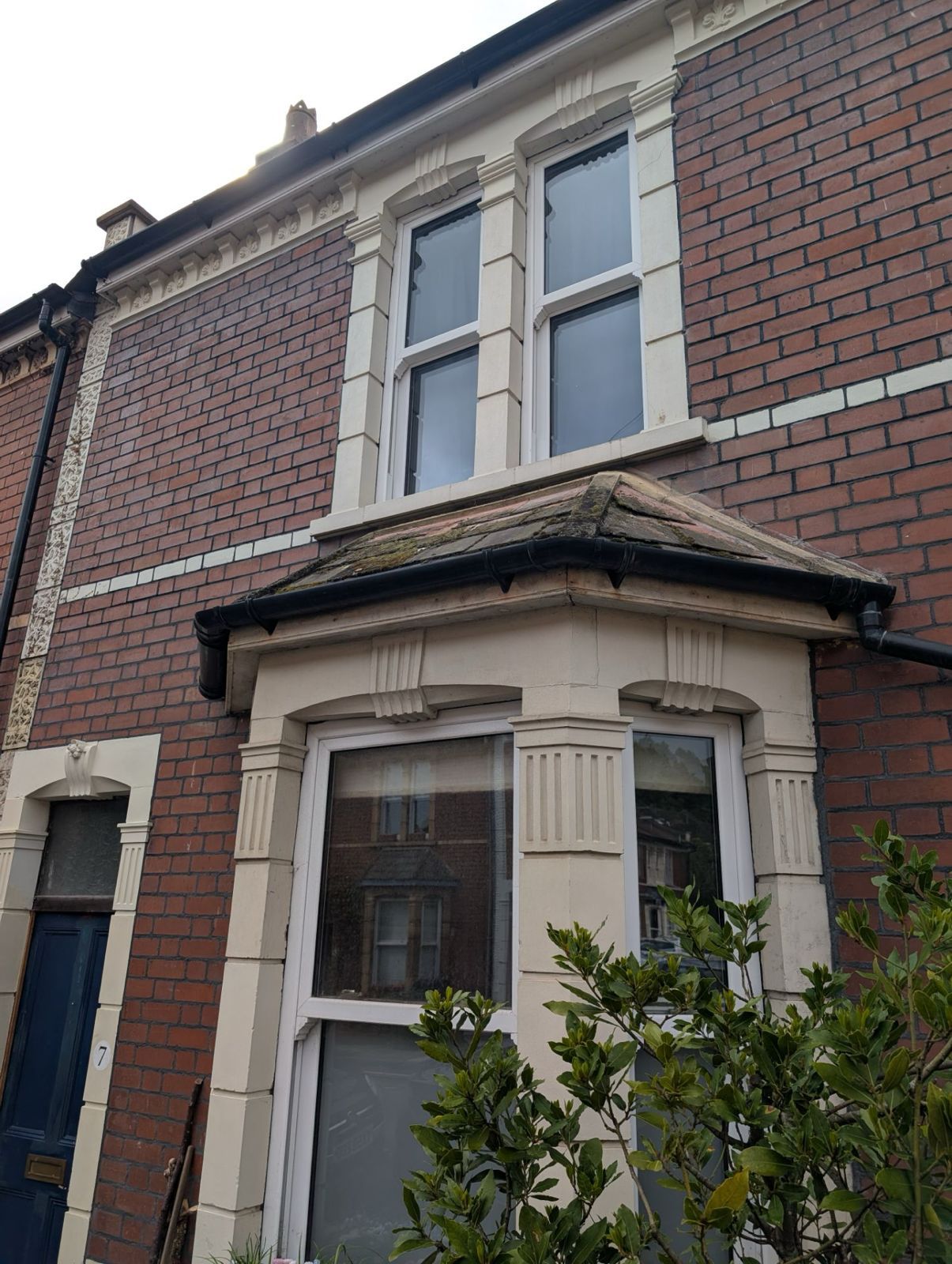
Chester's older housing stock, a lot of it Victorian and Edwardian terraces and semis, often has roof spaces that were never designed with modern ventilation requirements in mind. Retrofitted insulation between the rafters, without matching ventilation upgrades, is one of the most common causes we see.
How to Spot It Early
The early signs are easy to miss because they don't look like a typical "roof problem." Look for dark staining on the underside of roof felt or sarking boards, particularly near the ridge where warm air collects. A musty smell in the loft that's noticeably worse than the rest of the house is another sign, as is condensation visible on the inside of roof tiles or felt on cold mornings, which can look like frost but doesn't disappear once the loft warms up.
What Happens If It's Left
Left unaddressed, condensation in a loft space causes a few problems that compound over time. Roof timbers can develop rot, which is a structural issue rather than a cosmetic one. Insulation that gets damp loses much of its effectiveness, meaning the energy-saving upgrade that may have contributed to the problem stops doing its job properly. And persistent damp can encourage mould growth that, in enclosed loft spaces, sometimes goes unnoticed for years.
We've written before about how ignoring small roof issues in Chester tends to escalate, and condensation is a good example of a problem that starts small and stays hidden, right up until the timber underneath needs replacing rather than just drying out.
What Actually Fixes It
The fix depends on what's causing the airflow problem, but a few things come up repeatedly. Eaves ventilation, gaps at the lowest edge of the roof that let air into the loft space, can become blocked by insulation that's been pushed too far into the eaves during a loft insulation upgrade. Pulling insulation back from the eaves by the recommended gap (usually around 50mm) restores airflow without significantly affecting the insulation's performance.
Ridge or tile vents can be added to give warm, moist air a route out at the top of the roof, working alongside eaves ventilation to create airflow through the loft space rather than letting air stagnate. For roofs with sarking felt that's non-breathable (common on older re-roofs), this matters more, since the felt itself doesn't allow any moisture transfer.
Bathroom and kitchen extractor fans that vent into the loft space rather than outside are a less obvious but surprisingly common contributor. If your extractor fan just blows moist air into the loft instead of through an external vent, that's adding to the exact problem described above, and it's worth checking even if the roof ventilation itself is fine.
FAQ
Q: How do I know if my loft has a condensation problem rather than a leak? A: Condensation tends to show up as widespread staining or mould on the underside of the roof, often worse near the ridge, rather than a localised wet patch. It's also more noticeable in cold weather and doesn't necessarily correlate with rainfall, unlike a leak.
Q: Can adding more loft insulation cause condensation problems? A: It can, if the insulation blocks eaves ventilation in the process. Insulation should stop short of the eaves by around 50mm to maintain airflow, which is sometimes missed during DIY or rushed installations.
Q: Do I need ridge vents if my loft already has eaves vents? A: Not always, but having ventilation at both the eaves and the ridge creates better airflow through the loft space, especially on roofs with non-breathable felt where moisture can't escape through the roof covering itself.
Q: Can a bathroom extractor fan cause loft condensation? A: Yes, if it vents into the loft space rather than outside the building. This adds moisture directly to the area where condensation problems occur and is worth checking as part of any condensation investigation.
Ready to work with Chester Roofers & Contractors?
Let's connect! We’re here to help.
Send us a message and we’ll be in touch.
Or give us a call today at 01244 740253
Agency Contact Form
More Marketing Tips, Tricks & Tools
Chester Roofers & Contractors