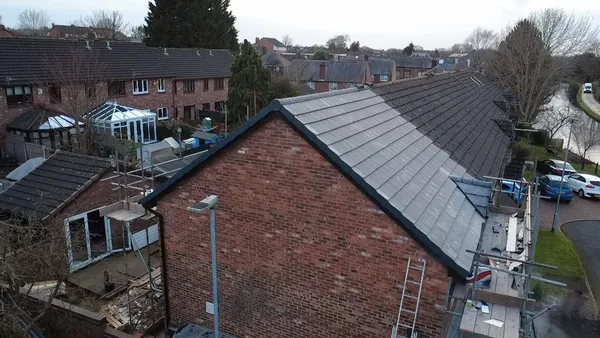
East of the city, the A51 and the Shropshire Union Canal run out through three places that look like one suburb from a car window but were built a century apart. In 1857 Great Boughton had twelve market gardeners, and by 1892 it had twenty-two, working cherry groves and orchards that are now remembered mainly in street names like Cherry Road and Cherry Grove Road. Vicars Cross, home to roughly 9,000 people at the 2011 census, was mostly fields until the estates arrived from the 1960s. Christleton kept its village core, with an Old Hall built in 1605 and a conservation area around the church and green. So roof repairs in Great Boughton, Vicars Cross and Christleton depend heavily on which of those three eras your house belongs to. In 2026 most small repairs here cost £150 to £600, scaffolding usually adds £500 to £1,500, and Cheshire West and Chester Council is the planning authority for all three.
Roof Repairs in Great Boughton, Vicars Cross and Christleton: Date the House First
Before anyone climbs a ladder, it pays to know roughly when your house went up, because the age of the roof predicts the fault better than the postcode does. East Chester splits into three broad groups, and most houses fall cleanly into one of them.
- Before 1914: the original village of Great Boughton around Filkins Lane, Chapel Lane and Christleton Road, the older stretches of Vicars Cross Road, and the centre of Christleton. Expect slate, lead and chimneys.
- The 1960s and 1970s: most of the housing across Great Boughton parish, which spread outwards from the older roads once the estates started. Think concrete tiles, felt underlay and a flat-roofed garage or extension.
- Later closes: the Caldy Valley development, a spine road with closes of mostly small detached houses on tight plots. Trussed-rafter roofs, younger tiles and a different set of problems.
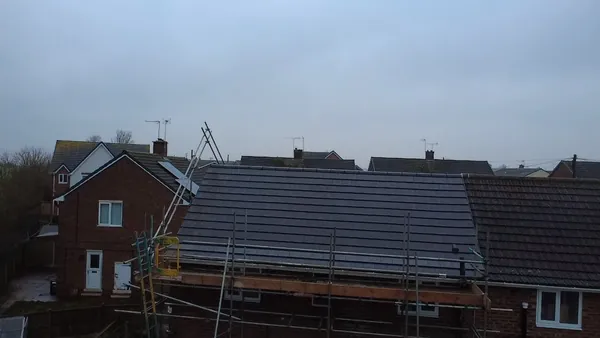
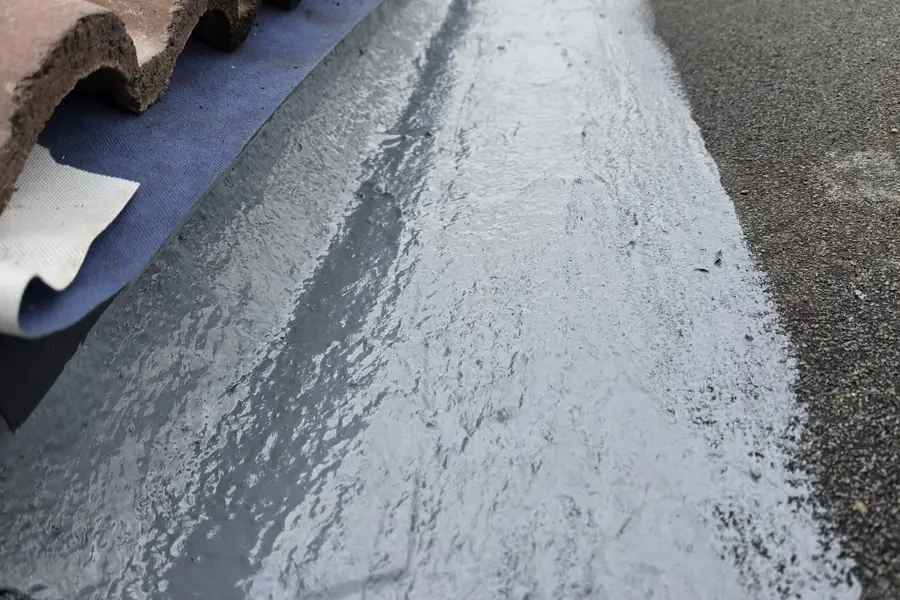
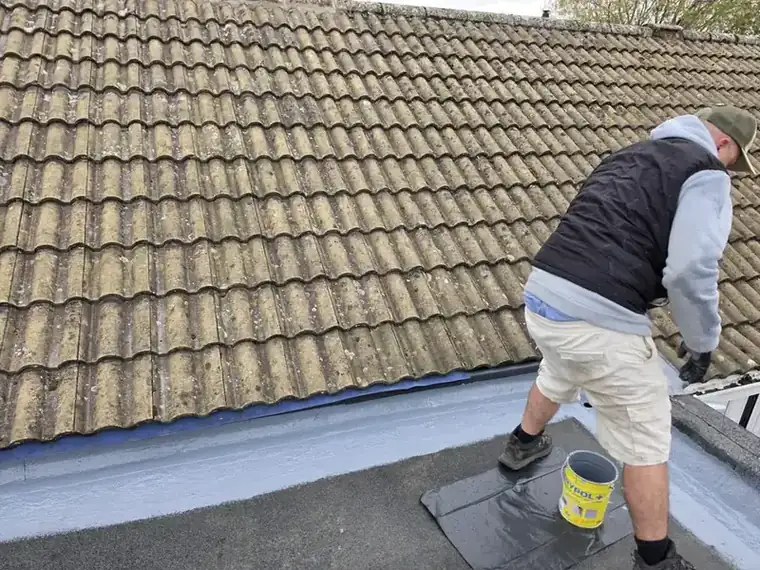
The photo above shows the sort of junction that keeps the middle group busy: a flat roof running into the bottom of a tiled slope, where two materials meet and water sits. We carry out roof repairs across Chester on all three types. What tends to fail on each is below.
Slate and Lead in the Old Cores
The Boughton Hall conservation area preserves what is left of the old village. The council's characterisation study describes Victorian workers' cottages in short terraces along Chapel Lane, two storeys high under pitched slate roofs, some with hexagonal bays that carry their own small slate roofs. Chapel Terrace dates from about 1870. Opposite them sit older rendered houses, the Manor House and Boughton Lodge, both Grade II listed.

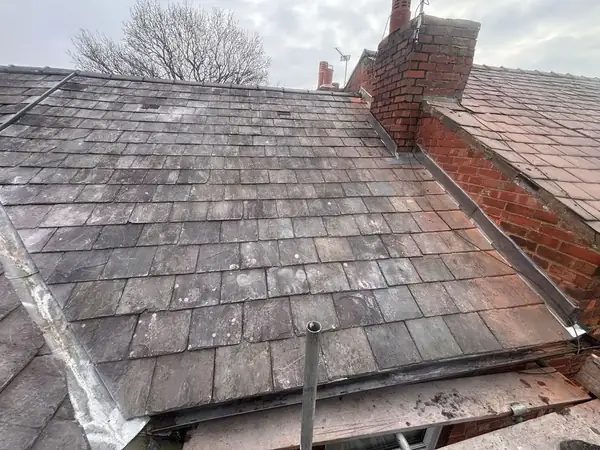
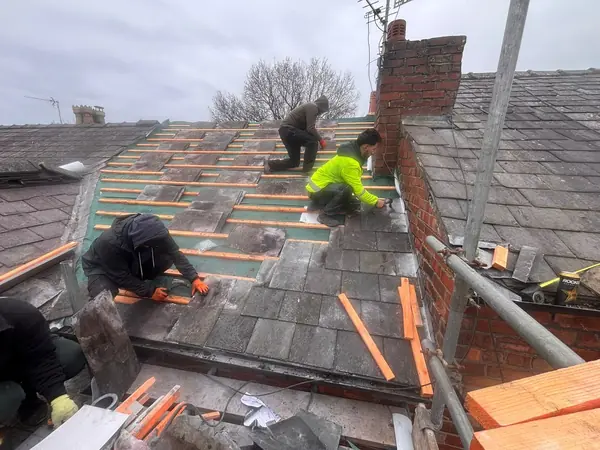
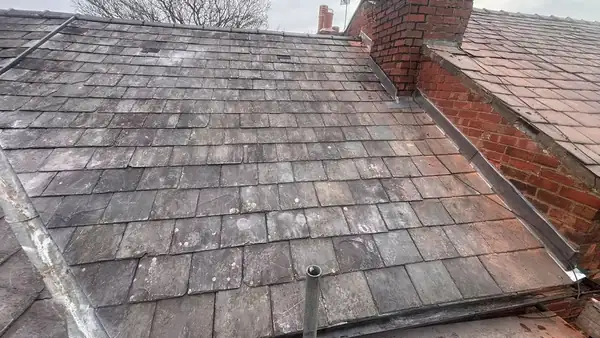
On roofs of that age the slate itself often has decades left in it. The nails holding it don't. Iron nails rust through at the head, and slates begin to slide out one or two at a time, usually after a windy night. A few slipped slates can be refixed with copper or stainless tingles. When they keep going across a whole slope, the honest answer is to strip it, set aside the sound slates and relay them on new battens and membrane. Our slate roofs page explains how that work is done.
The hexagonal bays deserve their own check. Each one is a small roof with several hips, a lead or mortar joint against the front wall and very little fall, and it gets far less attention than the main roof because nobody sees it from the street. If you find a damp patch at the top of a bay window inside, look at that abutment before anything else.
Vicars Cross and the 1960s Estates: From Orchard to Close
Fruit growing was the long-standing trade around Vicars Cross before the houses came. The Victoria County History notes that private building went ahead north of Vicars Cross Road around Green Lane and Queens Road, while council housing was limited to a small pocket off Vicars Cross Road at Melrose Avenue. Great Boughton Parish Council puts most of the parish's present buildings down to a string of estates built from the 1960s onwards.
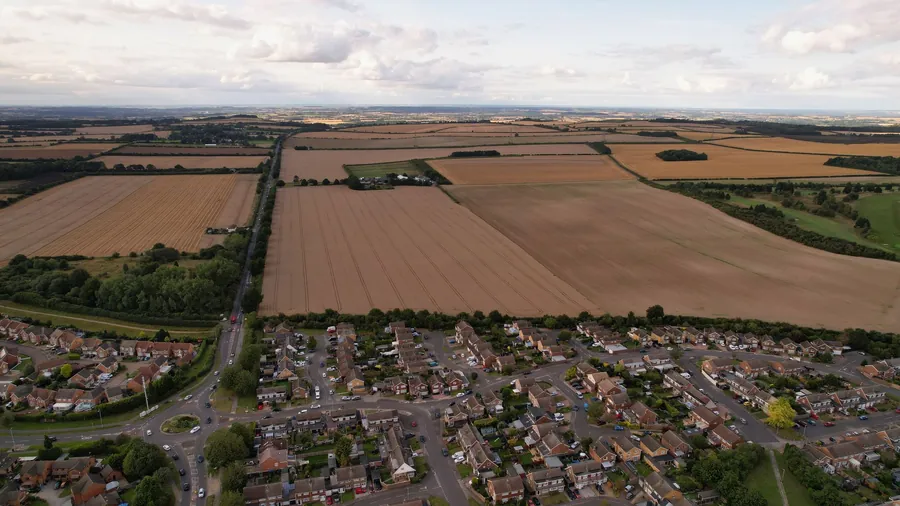
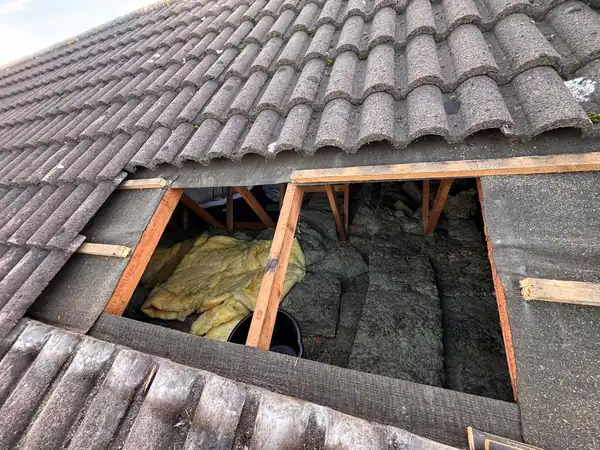
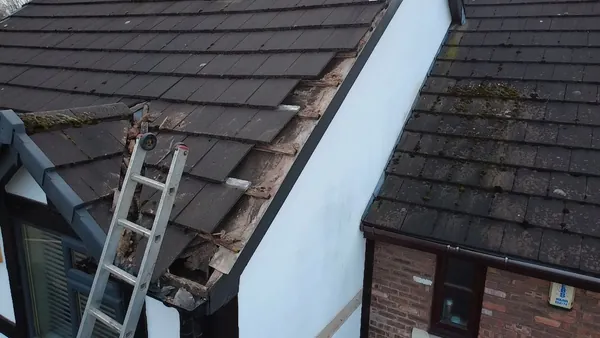
Houses from those decades were mostly roofed in concrete interlocking tiles over bitumen felt. Sixty years on, the tiles are usually still sound. The felt is a different story. It goes brittle at the eaves and tears where it laps into the gutter, so rain that ought to run off the roof ends up soaking the fascia board. Mortar-bedded ridges and verges loosen in the same period, and on L-shaped plans a mortared valley can crack along its length.
Then there are the add-ons. A lot of these houses have a flat-roofed garage, porch or kitchen extension, and the weakest point is where a flat roof meets a tiled slope or a wall. That's the junction in the opening photo. Getting the flashing and upstand right there matters more than which membrane goes on the flat part, and our flat roofs page goes into felt, EPDM and GRP options.
Caldy Valley's Younger Roofs: Tight Gaps and Hidden Damp
The Caldy Valley development came later. The Victoria County History describes a spine road, Caldy Valley Road, laid out to serve separate closes of mainly small detached houses on cramped plots. The roofs are younger and simpler. They still have their quirks.
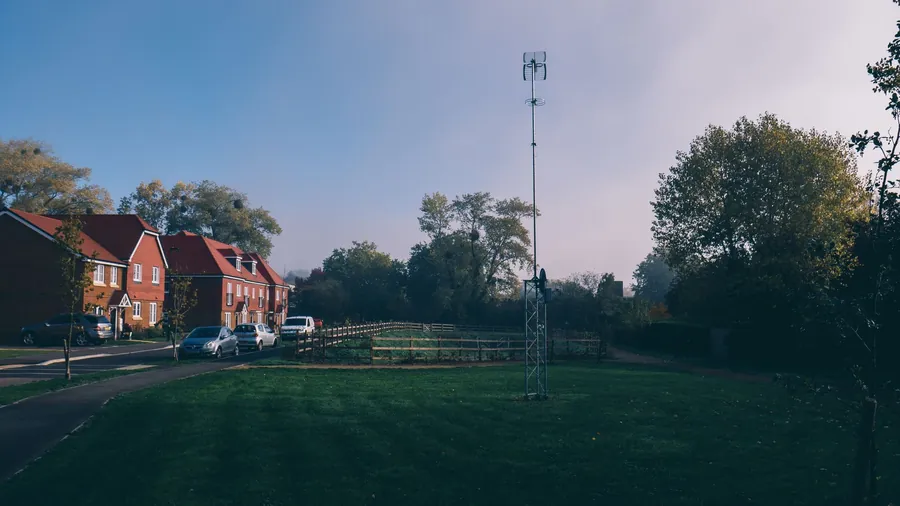
Access is the obvious one. A narrow gap between two detached houses leaves no room for a standard scaffold run, and a conservatory or garage at the back can block the obvious spot for a ladder. Expect the roofer to ask about access before giving a price, and expect the price to reflect it.
Condensation is the less obvious one. Houses of this era have trussed-rafter roofs and, often, loft insulation that has been topped up over the years until it blocks the vents at the eaves. Warm, damp air from the house then condenses on the cold underside of the felt. People mistake the drips for a leak, but nothing is wrong with the tiles. If you're not sure which you've got, our post on roof ventilation and condensation in Chester lofts goes through the signs. One smaller thing: early plastic dry verge caps from this period can crack and blow off. Cheap to replace, easy to miss.
Working on a Roof in Christleton's Conservation Area
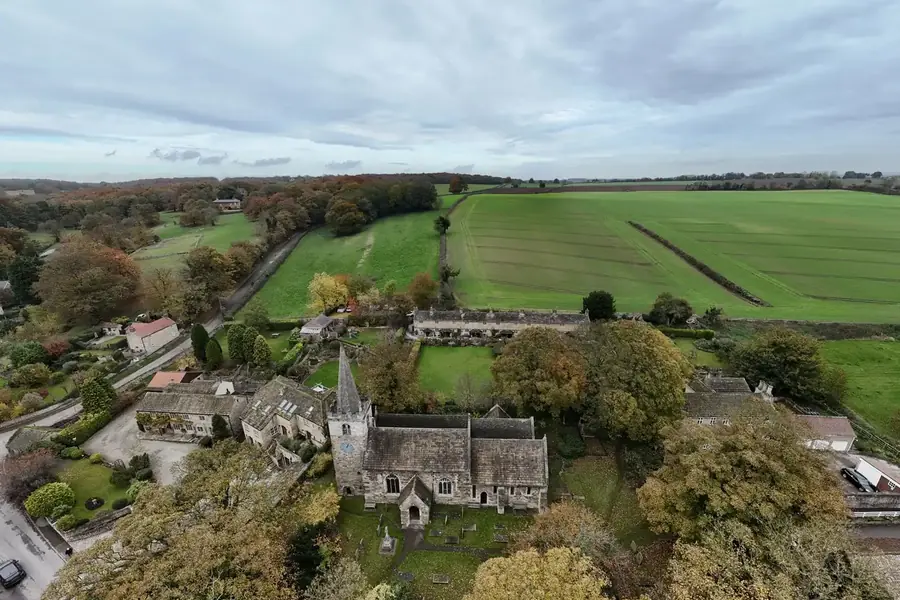
Christleton is a separate parish of about 2,000 people with its own character. Its conservation area centres on the village green and St James' Church, rebuilt by William Butterfield in the 1870s around a fifteenth-century tower, and takes in the buildings along Village Road, Pepper Street and Birch Heath Lane. Christleton Old Hall, from 1605, is Grade II* listed. Where the Shropshire Union Canal passes through, from the A55 bridge to Rowton Bridge, the canal also lies within the Christleton conservation area.
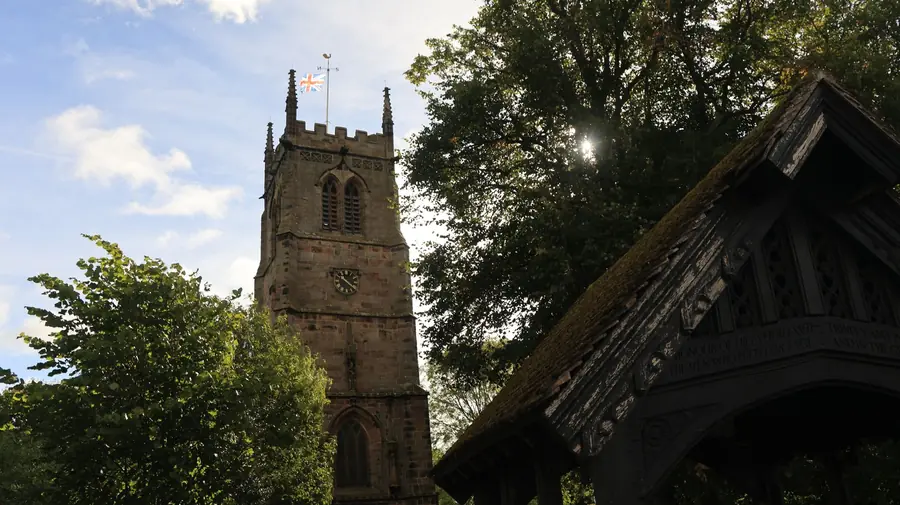
What does that mean for a repair? For most houses, not much paperwork. Replacing slipped slates or tiles, re-bedding a ridge or renewing lead in the same materials normally needs no planning application, as the Planning Portal's guidance on roof work explains for work that doesn't change how the roof looks. Swapping slate for concrete tiles, adding roof windows to a slope that faces the road or taking down a chimney is different, so check first. Listed buildings are stricter again: almost any change to the roof covering needs listed building consent.
Cheshire West and Chester Council's list of conservation areas and appraisals includes Christleton, Boughton Hall and Boughton Canalside, though Christleton has no appraisal posted there yet. The parishes of Christleton and Littleton have also been working on a Christleton and Littleton Neighbourhood Plan, which is worth a look if you're planning bigger changes. For the wider rules on period homes, see our guide to roofing on listed and conservation area homes in Chester.
What Roof Repairs Cost in East Chester in 2026
These are rough 2026 prices for houses in Great Boughton, Vicars Cross and Christleton. Access changes them more than anything else: a semi on an open road is cheaper to scaffold than a detached house wedged into a close, and a cottage on a busy village street may need a licence for scaffolding on the pavement.
- Refixing a few slipped slates or replacing cracked concrete tiles: about £150 to £350
- Re-covering or re-leading a small bay window roof: about £400 to £950
- Re-bedding a ridge in mortar: about £300 to £750, or £450 to £900 as a dry-fix ridge
- Replacing a cracked mortar valley with a dry or GRP valley: about £400 to £900
- Renewing rotten eaves felt and fitting eaves trays along one side: about £250 to £600
- Re-flashing the joint where a flat roof meets a tiled slope or wall: about £250 to £650
- Re-covering a single flat garage roof: about £900 to £2,000
- Stripping and relaying one slope of a slate cottage, reusing sound slates: about £2,500 to £5,500
- Scaffolding: about £500 to £1,000 for a typical semi, £800 to £1,500 for a detached house with awkward access
Listed buildings cost more on top of these figures. Matching reclaimed slate, handmade tiles or traditional lead details takes time and costs more in materials, and the consent process can add weeks.
Getting a Quote That Fits the House
From the calls we take across Chester, the quotes that cause trouble later are the vague ones. "Roof repairs, £850" says nothing about what's being fixed. A useful quote for an east Chester house names the part of the roof, the materials, how the roofer is getting up there and whether scaffolding is included.
The details to ask about depend on the house. On a slate cottage, ask where replacement slates will come from and whether sound ones will be reused. On a 1960s semi, ask whether the eaves felt is being renewed or just patched over. On a Caldy Valley house, ask whether the roofer has looked in the loft for condensation before quoting for a "leak". In or near the conservation area, ask how they'll match what's already there. If the answers come back vague, get another quote. Our checklist on what a proper roofing quote should itemise covers the rest.
Housing on the west side of the city has a different mix, mostly postwar council and ex-council semis. Our guide to roof repairs in Blacon, Lache and Westminster Park covers those, if you're comparing.
Christleton, Great Boughton and Vicars Cross Roof Questions
Is my house in Great Boughton in a conservation area?
Probably not, unless you live in the old village core. The Boughton Hall conservation area covers Boughton Hall and its grounds plus Filkins Lane and Chapel Lane north of Christleton Road. The Boughton Canalside conservation area follows the canal. Most of the 1960s and later estates in Great Boughton and Vicars Cross are outside both. Cheshire West and Chester Council can confirm your address.
Do I need permission to repair the roof on a house in Christleton?
Like-for-like repairs, such as replacing slipped slates or re-bedding a ridge in matching materials, normally need no planning application, even in the Christleton conservation area. Changing the roof covering, adding roof windows on a slope facing the street or removing a chimney may need permission. Any change to the roof of a listed building usually needs listed building consent.
Why does water come in where my flat-roofed garage meets the house?
That junction is where two different roofs meet, and it relies on a flashing or upstand to keep water out. On many 1960s and 1970s houses in east Chester the original flashing has cracked or the flat roof covering has shrunk away from the wall. Re-flashing the joint usually costs about £250 to £650 in 2026.
How much does a typical roof repair cost in Vicars Cross?
Most small repairs on Vicars Cross houses cost £150 to £600 in 2026, covering jobs like replacing tiles, renewing eaves felt or fixing a verge. Ridge work runs about £300 to £900. If scaffolding is needed, add roughly £500 to £1,500 depending on the house and access.
Book a roof repair quote in Great Boughton, Vicars Cross or Christleton