Stand on Boundary Lane in Saltney and the house on one side of the road is in England while the house opposite is in Wales. The border runs down the middle of the street. That one quirk explains why roof repairs in Saltney, Broughton and Hawarden need a slightly different conversation from the same jobs in Chester. The roofs themselves are much the same as the ones a couple of miles east, but the rules around them are written in Cardiff, and the council you deal with is Flintshire, not Cheshire West and Chester. Between them the three places hold a fair number of homes: Saltney had around 5,100 residents at the 2011 census, Broughton and Bretton counted 6,535 people in 2021, and Hawarden village itself has roughly a thousand dwellings. Most repairs we price here land between £150 and £1,500. Below is what tends to fail, what it costs, and where the Welsh rules change the answer.
Roof Repairs in Saltney, Broughton and Hawarden Start With the Border
For a straightforward repair, the border makes no practical difference. A slipped tile is a slipped tile, and nobody needs to be told before it goes back on. Our general roof repair service across Deeside covers the same kind of work in Shotton, Queensferry and Connah's Quay, and the trade skills are identical on both sides of the line.
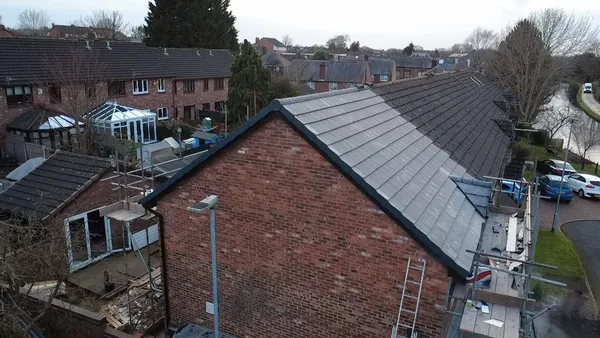
Where it starts to matter is anything bigger than a patch. Building regulations in Wales have been set by the Welsh Government since 2011, with their own approved documents. Planning rules for householders are Welsh too. So a re-roof, a new rooflight or a chimney coming down follows a different rulebook from the one that applies on the Chester side, and a roofer who only ever works in Cheshire may quote you the wrong process without meaning to.
Three Places, Three Kinds of Roof
They sit within three miles of each other, yet a roofer walking from Saltney to Hawarden passes through very different housing, and each place has its own usual faults.
Saltney
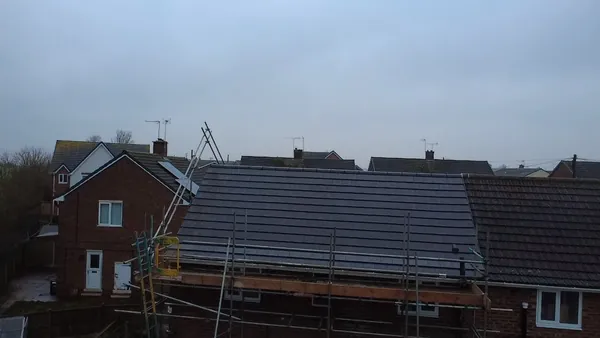
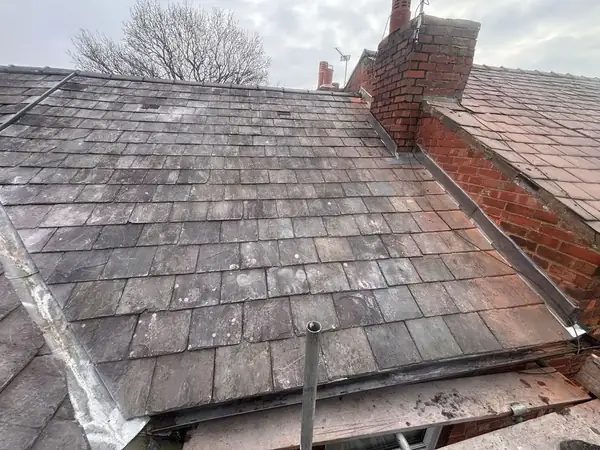
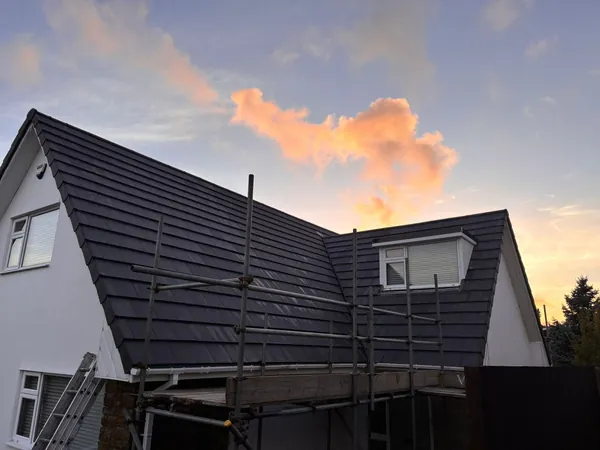
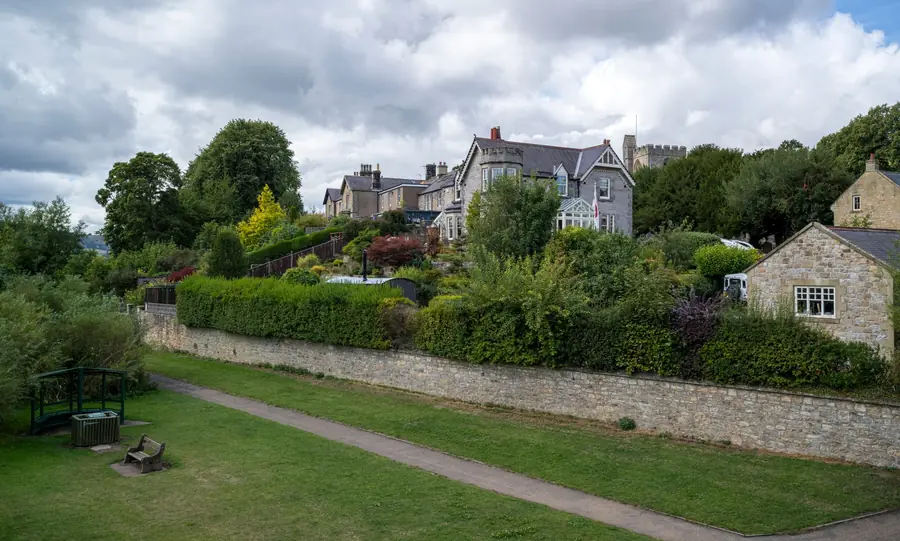
Flintshire's own planning team describes Saltney as visually part of Chester once you ignore the council boundary, and that's how it feels on the ground. It grew as an industrial suburb on the west bank of the Dee. The first engineering works opened there in 1847, the railway arrived around the same time, and the town later built chains and anchors. The older streets carry the brick houses of that period, many still under slate, while the 20th-century estates further out are mostly roofed in concrete interlocking tiles.
Broughton
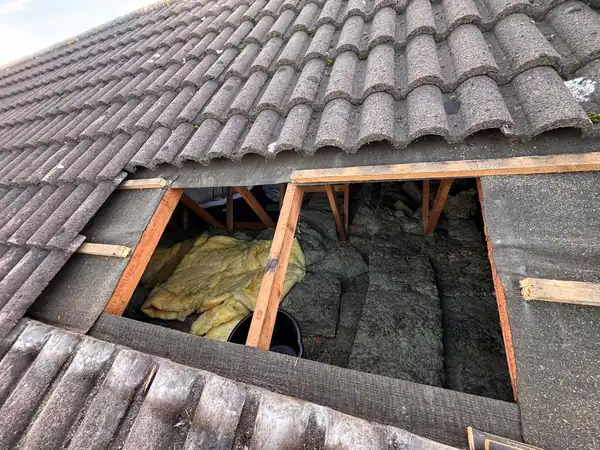
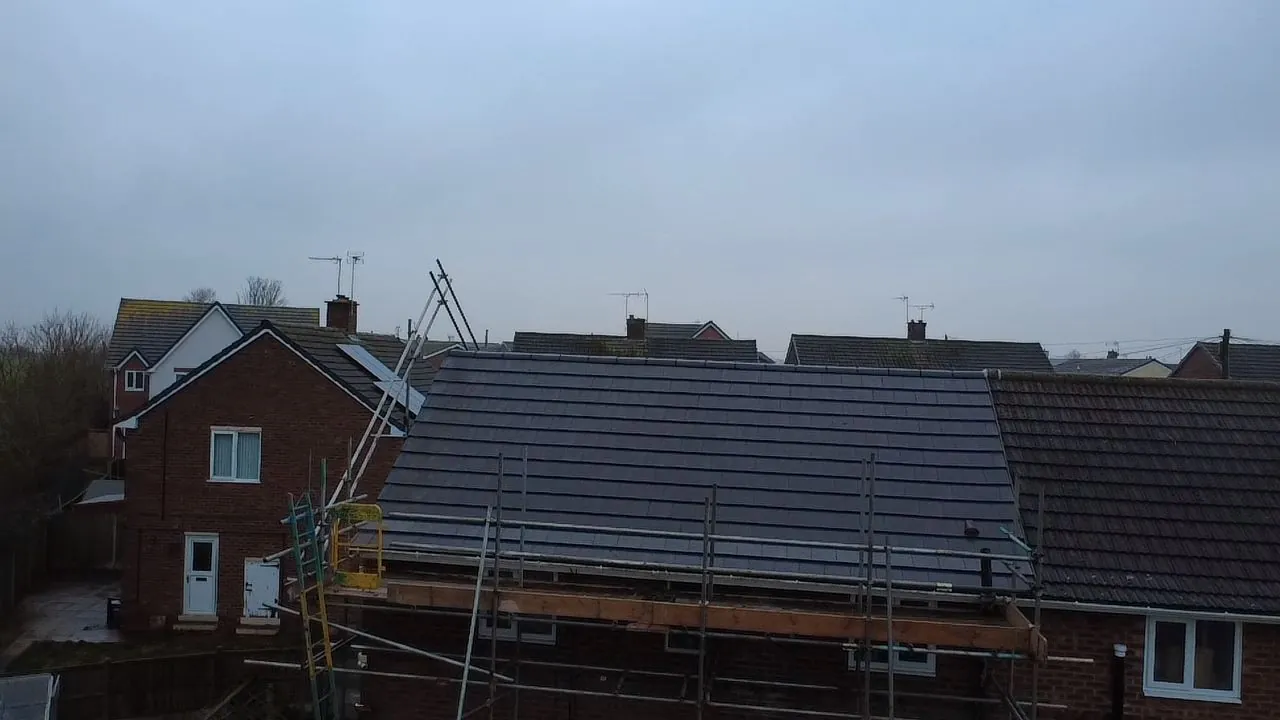
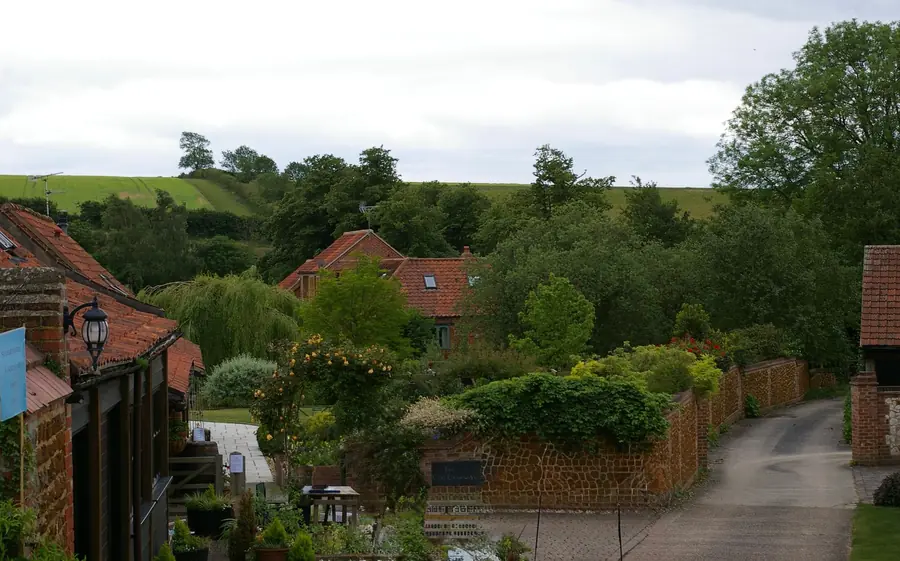
Broughton's story is the aircraft factory. Vickers-Armstrongs finished it in 1939 and built 5,786 Wellington bombers there during the war, and today it makes Airbus wings. Housing grew around it in stages, and the estate on Forest Drive went up after Broughton Hall was demolished in the 1970s. Expect plenty of concrete tiles, trussed rafter roofs and flat-roofed garages and extensions.
Hawarden
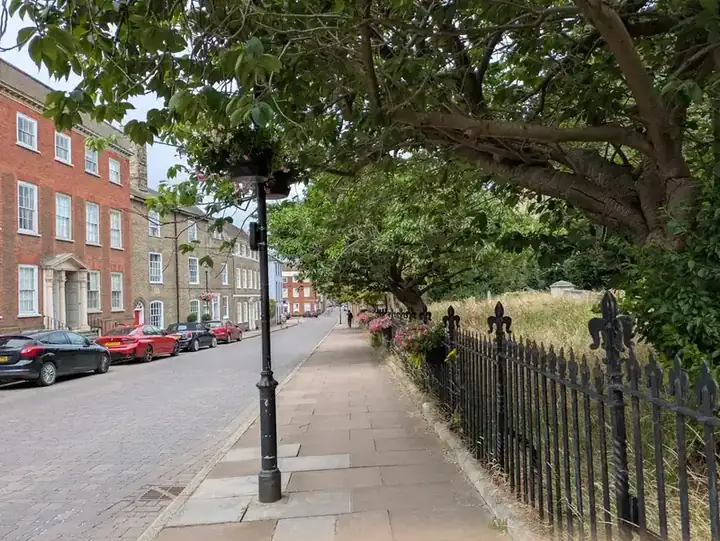
Hawarden sits higher, on ground that falls away north towards the Dee and east towards the airfield. The village centre is a conservation area with numerous listed buildings, and the older properties along The Highway are more likely to have lead detailing, tall stacks and original slate. That height is also why Hawarden roofs catch more weather than the flat land below them.
The Faults That Bring Us to These Roofs
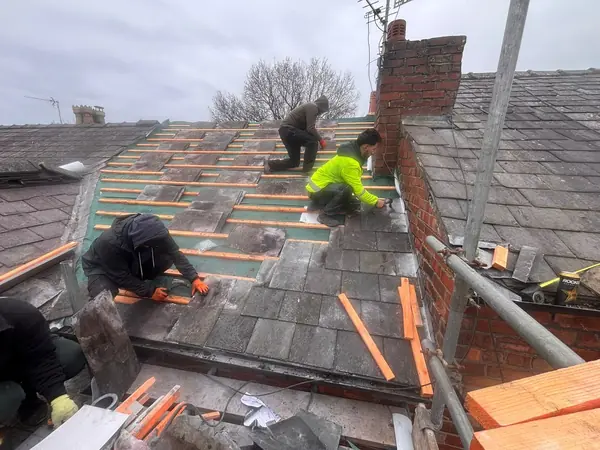
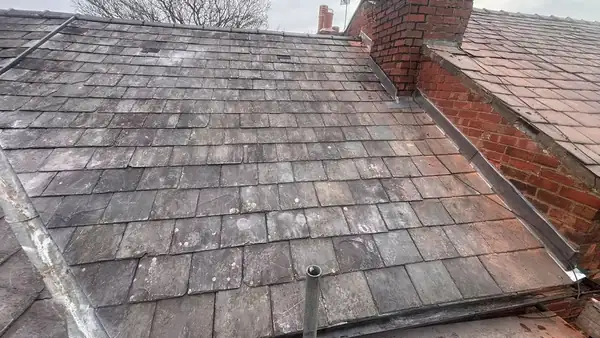
The pattern of call-outs follows the housing. On the older slate roofs in Saltney, the usual culprit is the nails. Iron nails rust through after a century and slates start to creep down the slope, first one, then a scattering. Each can be secured with a copper or stainless clip, which is cheap, but once a large share of a slope is moving, refixing slate by slate stops making sense.
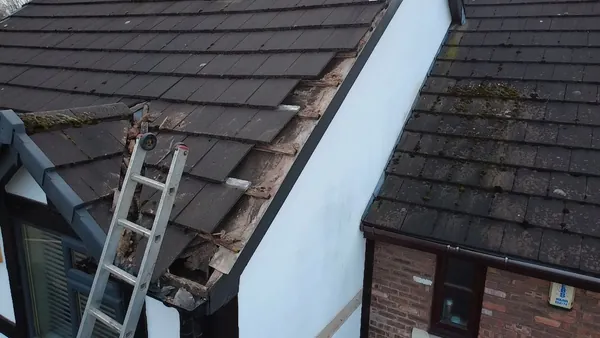
On postwar and 1970s concrete tile roofs, look at the edges. Ridge, hip and verge tiles were bedded in mortar, and after 50 years that mortar shrinks, cracks and lets the tiles rock. A gale finishes the job. We re-bed them or swap to a mechanically fixed dry ridge and dry verge, which stops the problem coming back.
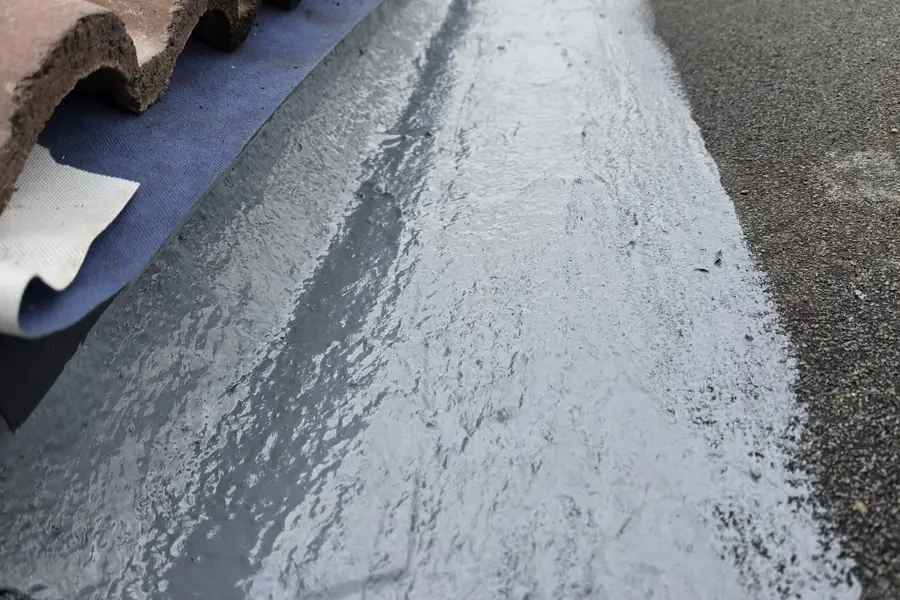
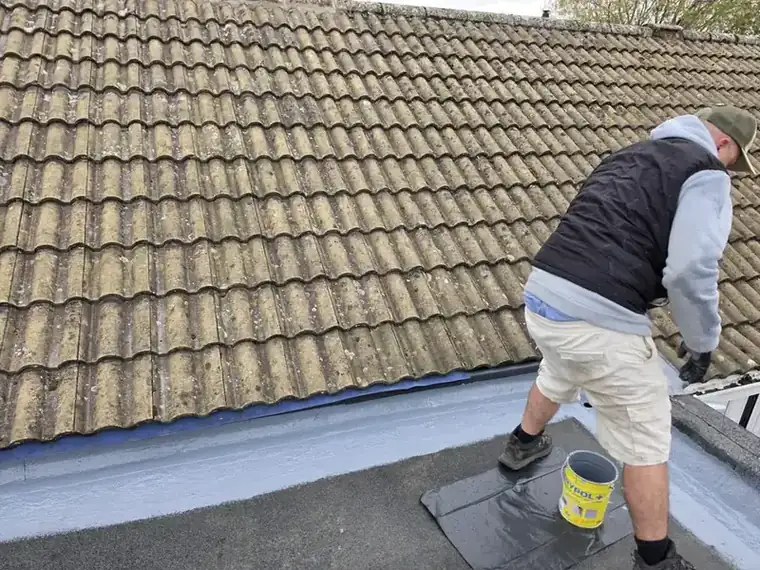
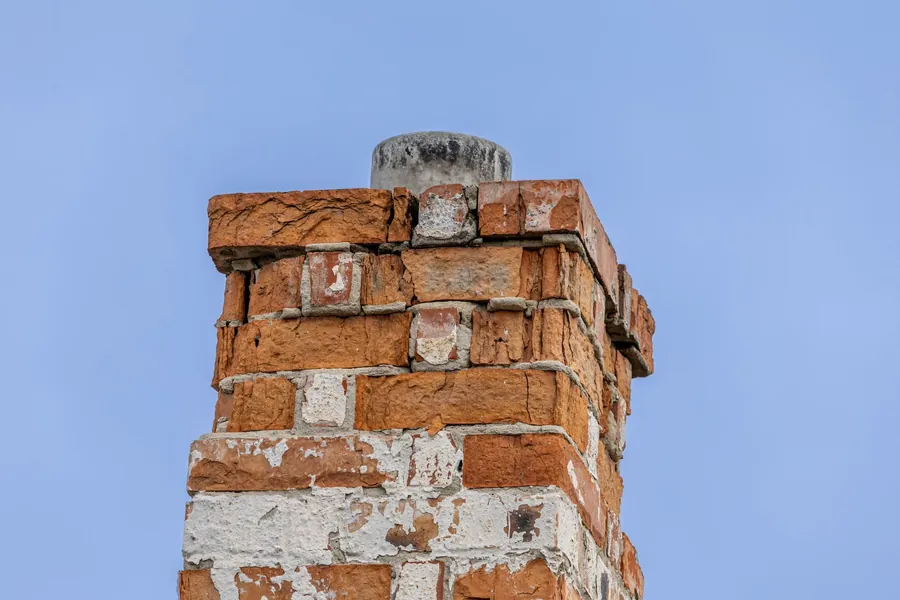
Chimneys are the third big one. The cement flaunching on top of the stack cracks, the lead where the stack meets the roof lifts, and water gets in behind both. Then there are the flat roofs. Felt on a garage or a back extension lasts perhaps 15 to 20 years before it blisters and splits, and the joint where an extension meets the house wall is a common leak point all of its own.
What Roof Repairs Cost in Saltney, Broughton and Hawarden in 2026
These are typical 2026 prices for a semi or terrace, including VAT, for work that can be reached with ladders or a tower. Scaffolding is extra where it's needed.
| Repair | Typical 2026 price |
|---|---|
| Refixing a handful of slipped slates or tiles | £160 - £380 |
| Re-bedding a run of loose ridge or hip tiles | £320 - £750 |
| Converting ridge and verges to a dry-fix system | £450 - £950 |
| New lead flashing around a chimney | £380 - £850 |
| Re-flaunching and repointing a chimney stack | £300 - £700 |
| Relining a leaking valley | £550 - £1,200 |
| Patching a blistered or split felt flat roof | £180 - £450 |
| Re-covering a single garage roof in EPDM rubber | £1,250 - £2,100 |
| Scaffold to one elevation of a semi | £550 - £1,100 |
Two things push a quote up here. The first is height and access: a tall period house in Hawarden village costs more to reach than a bungalow in Broughton. The second is materials. Matching old slate on a Saltney terrace often means sourcing reclaimed stock, while concrete tiles for a 1970s roof are usually still made. Our inspection is free either way, and you get photos of the fault before you decide anything.
Planning in Flintshire: When a Roof Job Needs Permission
Flintshire County Council is the planning authority for all three places. The Welsh Government's guidance on householder planning rules for roofs in Wales says you don't normally need permission to re-roof or to add rooflights, provided nothing projects more than 150mm from the roof plane, nothing rises above the highest part of the roof and the new materials look like the old ones.
The exception that catches people out is the conservation area. Under the Welsh rules, rooflights are not permitted development in a conservation area, so a new rooflight on a house inside Hawarden's conservation area needs a planning application. The same guidance notes that some streets have Article 4 directions removing other permitted development rights, so it's worth asking the council before you order anything that changes how the roof looks.
Listed buildings are stricter again. On a listed house, swapping slate for another material, taking down a chimney or altering the lead details can all need listed building consent. Like-for-like repair with matching materials is a different matter, but get it confirmed in writing first.
Welsh Building Regulations and the July 2026 Changes
Building control in Saltney, Broughton and Hawarden is handled by Flintshire County Council's building control team. For a repair, you'll rarely need them. The Welsh Government's building regulations guidance on roofs says repairs to, or re-covering of, less than 25 per cent of a pitched or flat roof don't usually need an application.
Go past that quarter and the job becomes notifiable, and the roof's insulation has to be brought up to a better standard as part of the work. The same applies if you change to a covering that behaves differently in a fire, or if the structure is altered. The work then goes through building control, or through a roofer registered with a competent person scheme that can self-certify it.
Something else changed this year. Since 1 July 2026, Wales has had a dutyholder regime that applies to all building work, homeowners included. In plain terms, whoever commissions notifiable work has to appoint designers and contractors who are competent to do it, and councils now have stronger powers to stop or correct work that doesn't comply. For a full re-roof, ask your roofer how they handle that before the scaffold goes up.
Bats, Scaffold and the Practical Details
Old roofs near the river and the Hawarden parkland can hold bats. Every bat species is protected, and if work would disturb a roost, the licence comes from Natural Resources Wales rather than Natural England. If a roofer finds bats once the slates are off, work on that part stops until an ecologist has looked.
Scaffolding is the other cost to plan for. On a terrace where the front wall meets the pavement, the scaffold needs a licence from Flintshire as the highway authority, and the scaffolding firm normally applies for it. On the English side of Boundary Lane the licence comes from Cheshire West and Chester instead, which we explained in our guide to roof repairs in Handbridge, Curzon Park and Queen's Park.
If the roof is open, we fit a temporary cover on the first visit, photograph the damage for your insurer and come back for the proper repair once materials are in.
Roof Repairs in Saltney, Broughton and Hawarden: Questions We Get Asked
Do I need to tell Flintshire County Council about a roof repair?
Usually not. Repairs or re-covering of less than 25 per cent of the roof don't normally need a building regulations application in Wales. Re-covering more than that does, and it brings a requirement to improve the roof's insulation. Planning permission rarely comes into it unless the work changes how the roof looks, adds a rooflight in a conservation area or affects a listed building.
Can I add a rooflight to a house in Hawarden's conservation area without permission?
No. Under the Welsh permitted development rules, rooflights are not permitted development in a conservation area, so you need to apply to Flintshire County Council for planning permission first. If the house is also listed, you will need listed building consent as well.
Which council covers my roof if I live on Boundary Lane in Saltney?
It depends on which side of the street you're on. Houses on the west side are in Flintshire and follow Welsh planning and building rules. Houses on the east side are in Cheshire West and Chester and follow the English rules.
How much does a typical roof repair cost in Saltney, Broughton or Hawarden?
In 2026 most repairs fall between £150 and £1,500. Refixing a few slipped slates or tiles costs around £160 to £380, re-bedding a ridge £320 to £750 and new chimney flashing £380 to £850. Scaffolding, where it's needed, adds roughly £550 to £1,100.
Book a free roof inspection in Saltney, Broughton or Hawarden