Roof Repairs in Frodsham and Helsby: Common Problems, Costs, and Who to Call
Frodsham and Helsby share a geography that quietly shapes their roofs. Both villages sit under the same sandstone escarpment - Frodsham Hill and Helsby Hill rising steeply behind them - while the land in front drops away to the flat Mersey estuary and the marshes below. That means two very different bits of weather in one postcode: sheltered pockets tucked against the hill, and streets fully open to the wind and salt coming off the estuary a mile or two north. Most homes here are 20th-century commuter stock, built as the railway turned both villages into a comfortable hop to Liverpool, Chester and Manchester, mixed with older Victorian and Edwardian terraces in Frodsham town centre. Around 850 to 900mm of rain falls a year, and it rarely gets a long dry spell to dry out. Most repairs stay small - a few slipped tiles run £150 to £350 - but exposure means faults here spread faster than they should. This guide covers the roof repairs in Frodsham and Helsby that actually come up, what they cost in 2026, and how to hire the right person.
The Roof Problems That Hit Frodsham and Helsby Hardest
The single biggest cause of callouts across both villages is wind uplift. With the estuary open to the north and the hills funnelling gusts round their flanks, streets on the exposed side get wind that a sheltered inland village would never feel. Gusts find the leading edge of a tile or slate, lift it, and once one has gone the next is easier. Roofs that have lost their nail fixings or mortar bedding to age are the ones that suffer most.
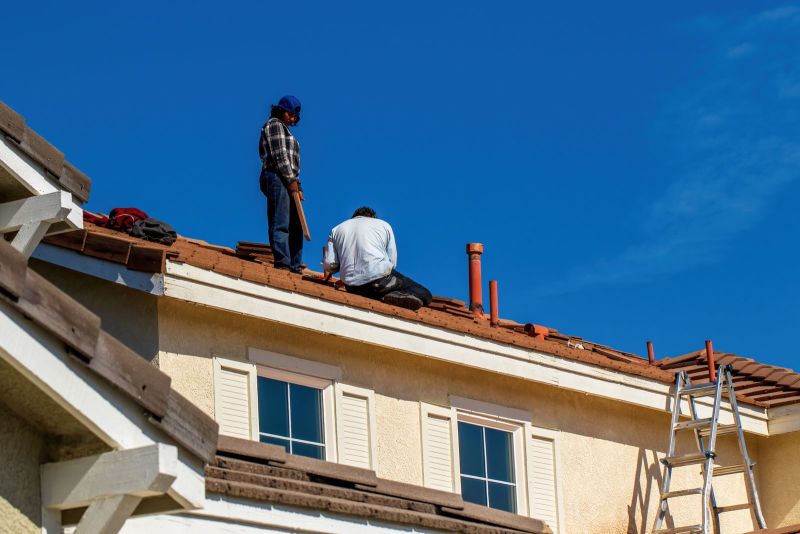
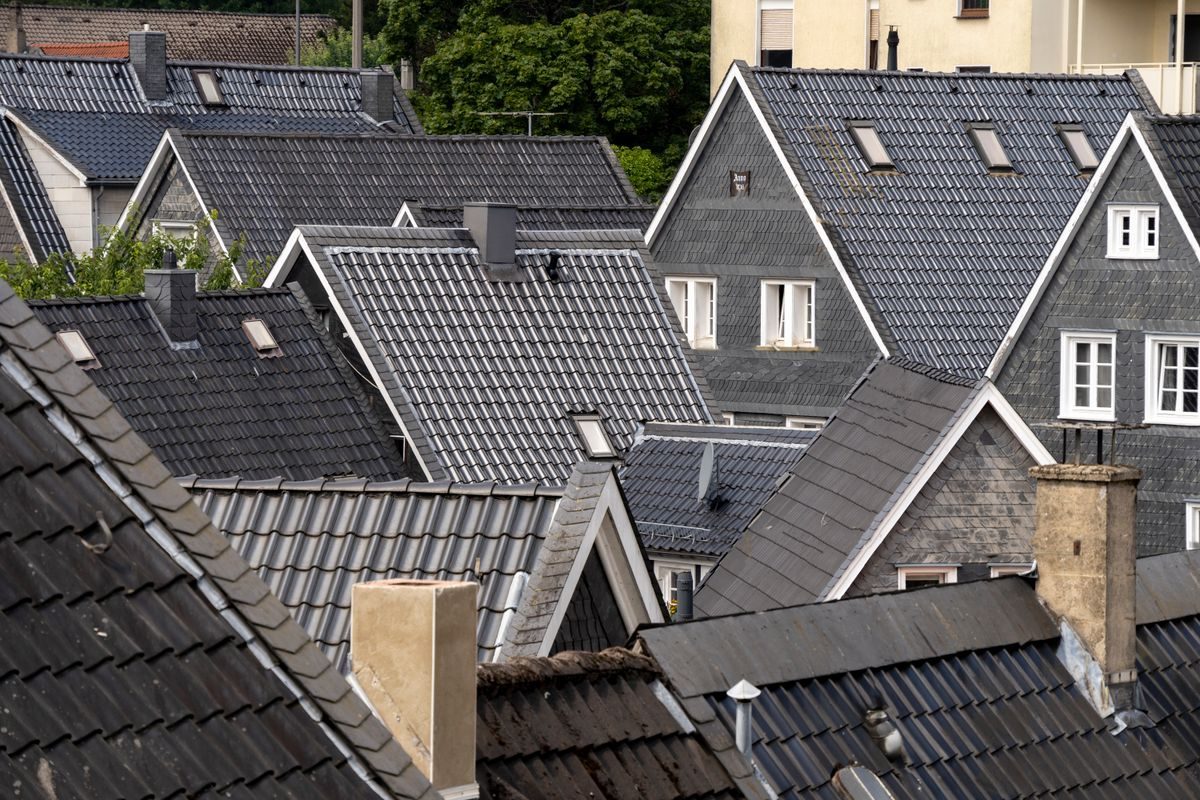
Age is the second factor, and it splits by area. Frodsham town centre has genuine Victorian and Edwardian terraces, many roofed in natural Welsh slate that has already done a hundred years. The wider commuter housing across both villages - the 1930s semis, the postwar and later estates climbing the lower slopes - is mostly concrete tile with a design life of 50 to 60 years, and plenty of it is now at or past that mark. If you want an honest read on whether a roof needs a repair or is heading for replacement, Chester Roofers & Contractors covers Frodsham and Helsby and will tell you which it actually is rather than reaching for the bigger job.
Damp and condensation come third. Many of the older lofts here are cold and poorly ventilated, and the estuary climate keeps humidity high, so warm damp air condenses on cold roof timbers and gets mistaken for a leak. Telling the two apart is worth doing before anyone lifts a single tile.
Wind and Estuary Exposure: Why Fixings Fail Early Here
The exposure that makes Frodsham and Helsby pleasant to look out from also works away at every fixing on the roof. Salt-laden air off the Mersey estuary corrodes nails, screws and the steel components in older roofs faster than clean inland air does. A nail that might last 80 years in a sheltered town can rust through in 50 out on the exposed side, and once the fixing fails the tile is only held by gravity and luck.
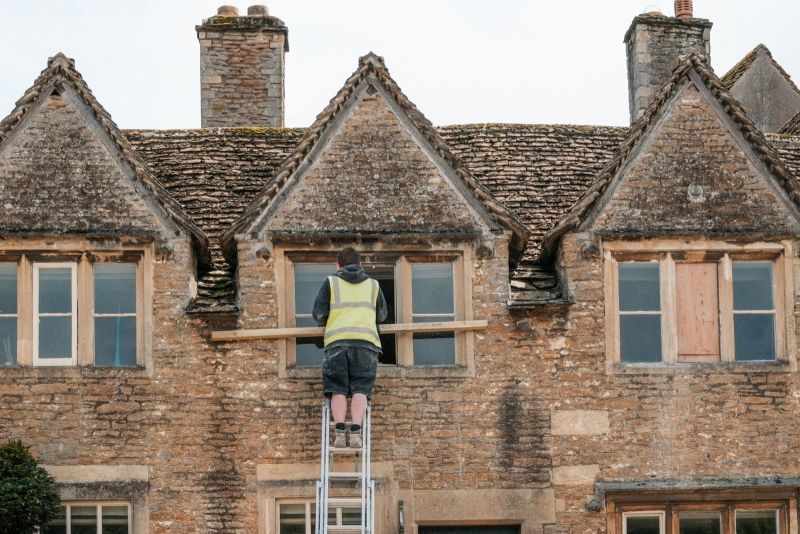
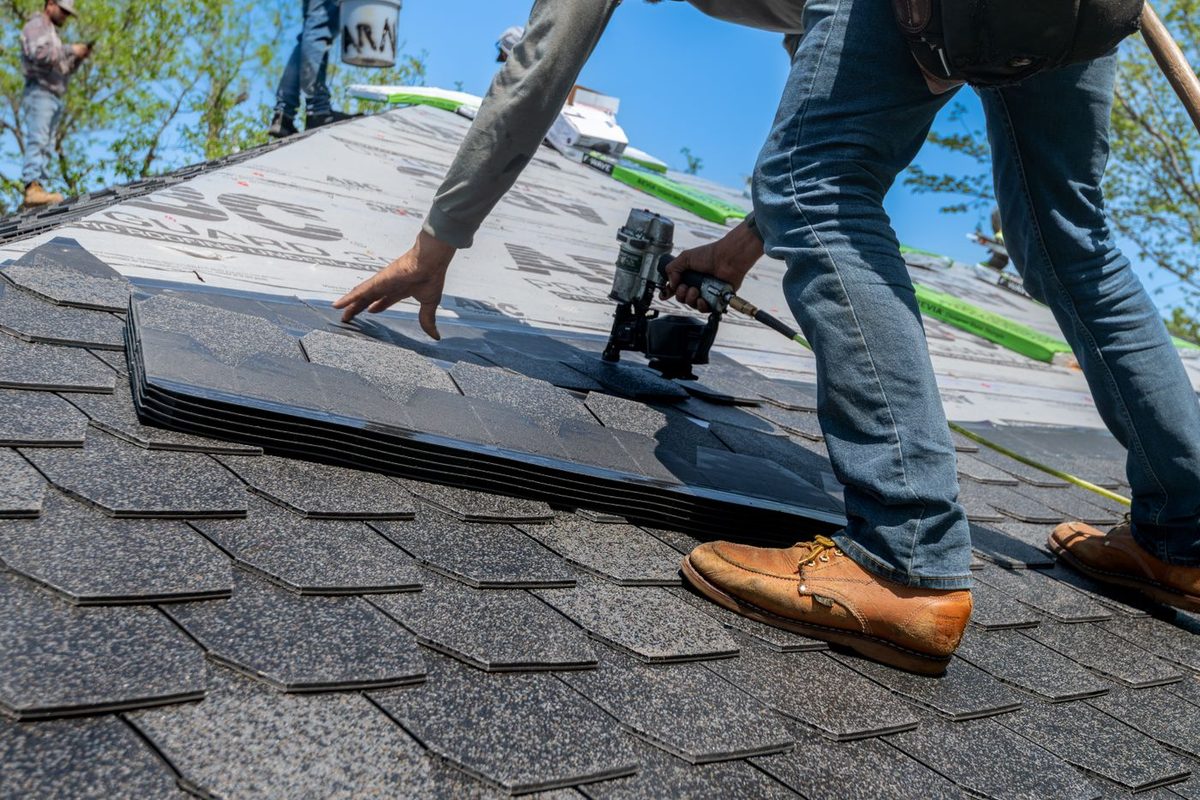
This is why so many repairs here are refixing jobs rather than replacing broken material - the tile itself is often fine, it has just lost its grip. Re-securing a small run of slipped tiles or slates usually costs £150 to £400, depending on access and how many have moved. On the most exposed roofs, a roofer worth their money will suggest upgrading vulnerable areas to mechanical fixings or dry-fix systems rather than re-bedding in mortar that the next gale will crack again.
Ridges and verges take the worst of it
The ridge line and the gable verges are where wind pressure is highest, and on older Frodsham and Helsby roofs they are usually mortar-bedded - a material that shrinks, cracks and washes out over 15 to 20 years. Once the mortar goes, ridge tiles rock loose and rain drives straight in. Re-bedding a ridge runs roughly £250 to £700, while a modern dry-ridge system that bolts down mechanically costs a little more up front but shrugs off exactly the wind these villages get.
Slipped Tiles and Slates: The Everyday Repair
Slipped or cracked tiles are the bread-and-butter roof repair across both villages, and after a wet, blustery Cheshire winter most callouts start here. A tile moves because the nail rusted through or the mortar crumbled, and on the exposed streets it usually does not stop at one.
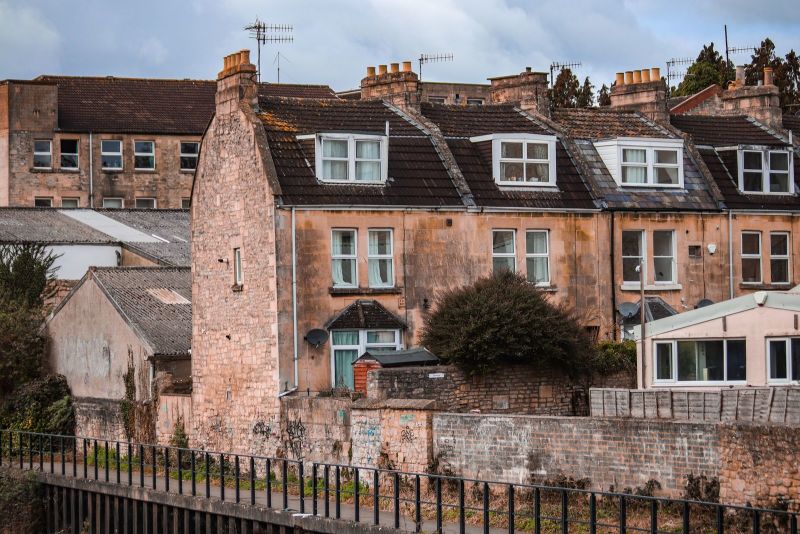
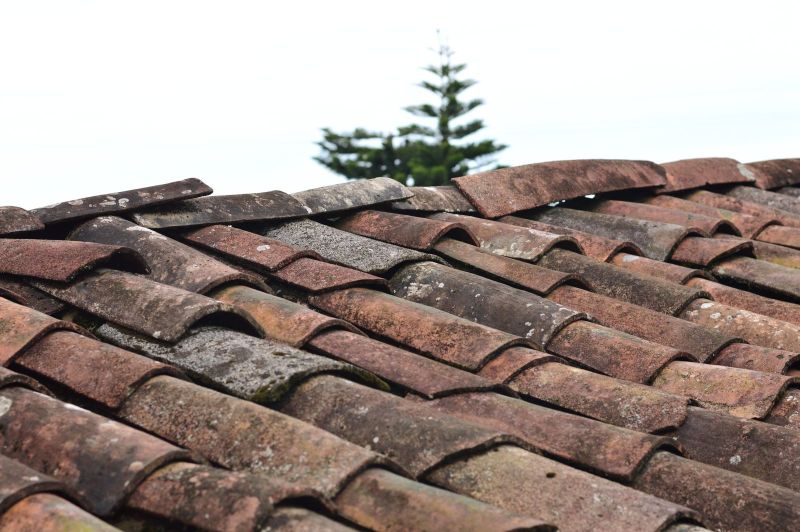
Refixing or swapping a handful of tiles typically costs £150 to £350. Matching matters on the commuter estates - a 1960s or 1970s concrete tile is often out of production, so a decent roofer sources a reclaimed match or lifts salvage tiles from a hidden slope rather than bolting bright new ones onto a weathered roof. On Frodsham's older slate terraces a slipped slate needs re-hooking with a tingle or a rivet rather than a nail, a slightly different job at a similar price. We have covered the signs a slipped tile is turning into a bigger problem in more detail if you want to know what to watch for.
Why one slipped tile is worth fixing fast
A single gap looks harmless, but it lets wind-driven rain onto the felt and battens underneath, and on an older roof here that felt is often brittle bitumen that tears at a touch. Left through one wet winter, a £200 tile repair can turn into a rotted batten, damp insulation and a stained ceiling costing £800 to £1,500. Fixing the small thing early is the cheapest roofing you will ever buy.
Flashing, Chimneys and Valleys
Where a roof meets a chimney, a wall or a valley, the waterproofing is usually lead flashing, and failed flashing is behind a large share of the genuine leaks in Frodsham and Helsby homes - as opposed to condensation that only looks like one. Wind and temperature swings work the lead loose and crack the mortar it beds into.
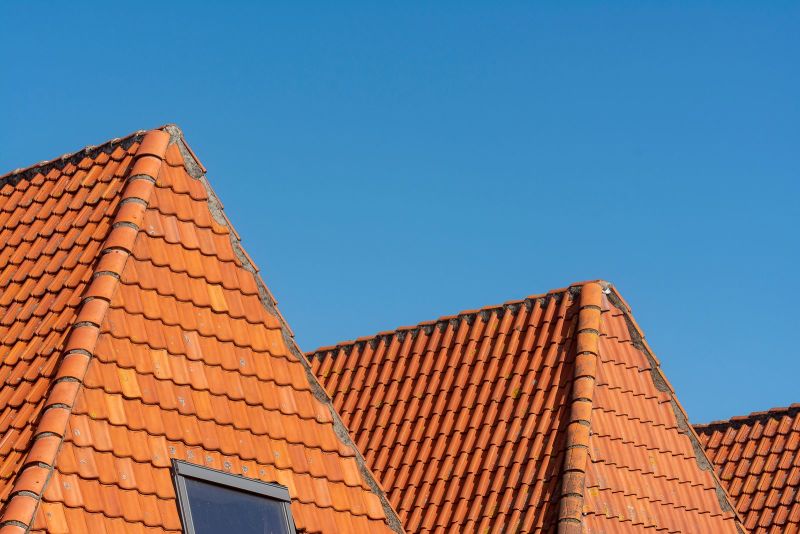
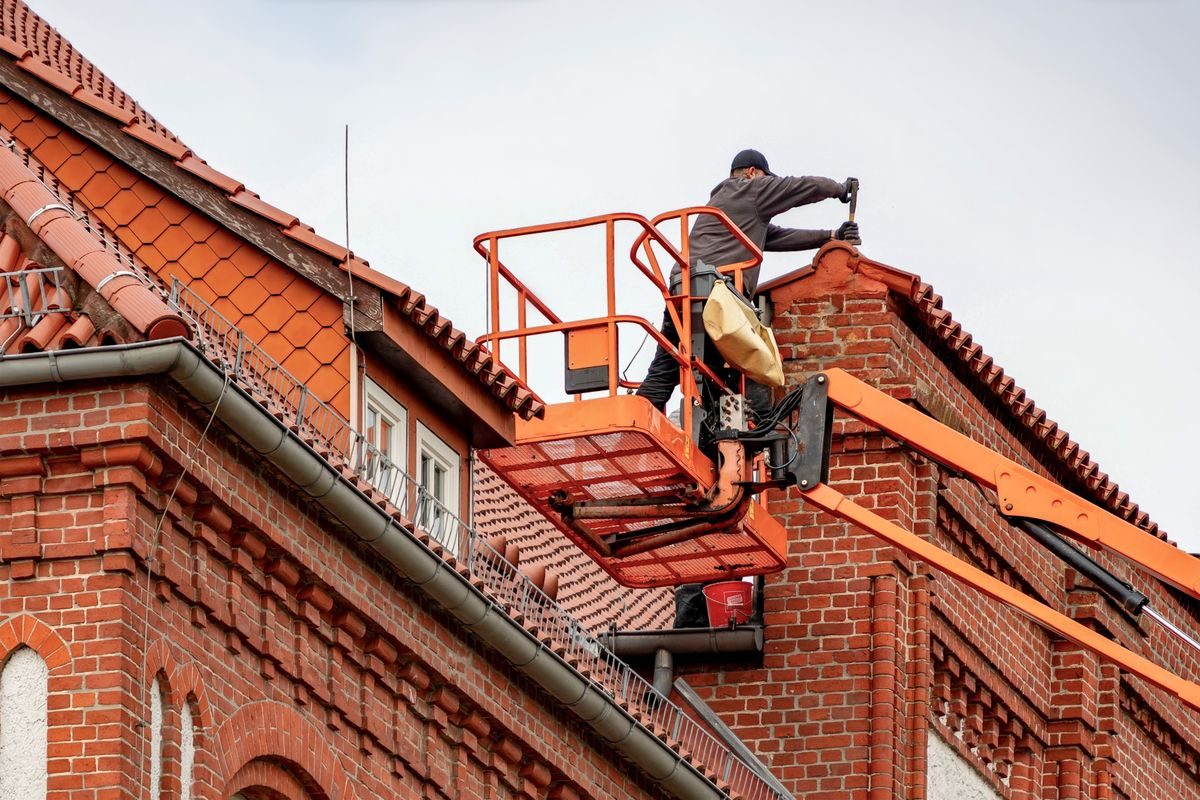
Re-dressing or resealing a run of lead flashing typically costs £200 to £450. A full chimney re-flash with new lead runs £400 to £900, more if the brickwork needs repointing while the scaffold is up. The older Frodsham terraces carry a lot of chimneys, many now redundant, and a redundant stack that leaks every winter is often cheaper taken down to the roofline than re-flashed again and again. Valleys are the other weak spot on the larger commuter houses - where two roof slopes meet, debris collects and old lead or felt-lined valleys eventually split, and a valley re-line runs £300 to £700.
Flat Roofs on Extensions, Dormers and Garages
Both villages have plenty of flat roofs - rear extensions, dormers, garages and porches. Older ones are felt, and felt has a hard life in this climate. Summer UV bakes it brittle, winter damp keeps it soft, and once it cracks or blisters the water gets straight in because a flat roof has nowhere to shed to.
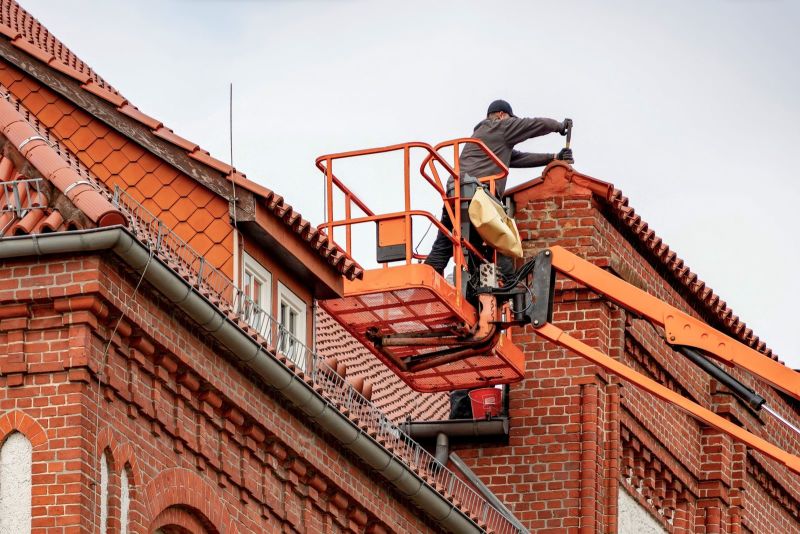
Patching a small area of failed felt costs £150 to £400. Recovering a whole garage or small extension in modern EPDM rubber, which comfortably outlasts felt, runs £1,000 to £2,500 depending on size. Ponding is the local giveaway - if water sits in a puddle for days rather than draining, the deck has sagged or the falls were wrong from the start. On the flatter ground toward the estuary, poor drainage is a recurring theme, and patching over standing water just buys a few months before the next leak.
What Roof Repairs Cost in Frodsham and Helsby in 2026
Pulling the figures together, here is the rough 2026 spread for common repairs across both villages. Slipped or broken tiles: £150 to £350. Re-hooking slipped slates: £180 to £400. Lead flashing reseal: £200 to £450. Full chimney re-flash: £400 to £900. Re-bedding a ridge: £250 to £700. Valley re-line: £300 to £700. Small flat-roof felt patch: £150 to £400. A single ceiling leak traced and fixed: £250 to £600.
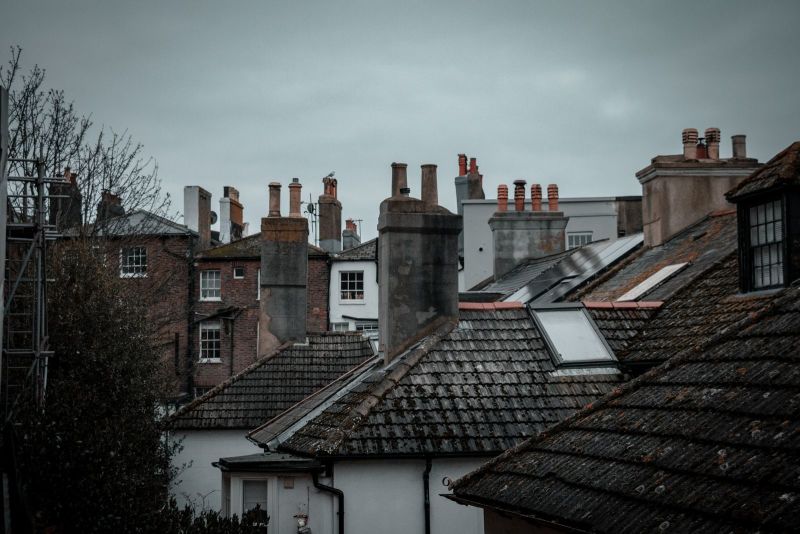
Access drives a big chunk of any quote. Anything reachable from a ladder is cheap. The moment scaffolding is needed - a two-storey slope, a chimney, or a roof set into the hillside where ladders won't sit safely - add £600 to £1,200 for the scaffold alone. Wetter, stormier winters are making these repairs more frequent too; the Met Office's own summary of how the UK climate is changing points to heavier rainfall and stronger storms, which is exactly what finds the weak spot on an exposed roof. If one quote comes in hundreds cheaper than the rest, check it has not quietly left the scaffolding off a job that needs it.
Repair or replace?
As a rough rule, once repairs creep past 30 to 40% of a re-roof cost, or you are calling someone out most winters, replacement starts to make more sense. A full re-roof on a typical Frodsham or Helsby semi runs £6,000 to £9,000, and an older slate terrace can run higher again. A one-off £400 repair on a sound roof is easy maths. A fourth £400 repair on a tired, exposed roof is money you will wish you had put toward the new one.
Who to Call: Choosing a Roofer in Frodsham and Helsby
Cheshire has a healthy supply of roofing firms, from one-man bands to established outfits, so you can afford to be picky. The flip side is that storm seasons bring out door-knockers, and the older estates here get targeted after a spell of bad weather. Someone knocking to offer to "sort your roof today" is a reason to be more careful, not less.
Look for public liability insurance of at least £2 million, a written quote that itemises the work, and a real address rather than just a mobile number. A recognised trade body is a useful filter - you can check a firm through the National Federation of Roofing Contractors' find a member directory and read TrustMark's guidance for homeowners before you commit. Both are free and take a couple of minutes.
Get two or three quotes, and be wary of anyone pushing you to decide on the spot or asking for a big cash deposit up front. A genuine local roofer will put it in writing and let you think it over.
---
FAQ
Q: How much do roof repairs cost in Frodsham and Helsby?
A: Most repairs in 2026 fall between £150 and £900. Slipped or broken tiles run £150 to £350, re-hooking slipped slates £180 to £400, a lead flashing reseal £200 to £450, and a full chimney re-flash £400 to £900. If scaffolding is needed for a two-storey slope or a chimney, add £600 to £1,200 for access on top of the repair itself.
Q: Why do roofs in Frodsham and Helsby seem to fail faster than inland?
A: Both villages sit open to the Mersey estuary, and salt-laden wind corrodes nails, screws and steel fixings faster than clean inland air does. A fixing that might last 80 years in a sheltered town can rust through in 50 here, so many repairs are refixing jobs where the tile is fine but has lost its grip. Ridges and gable verges take the worst of the wind and are usually the first to loosen.
Q: Should I repair or replace my roof?
A: As a guide, if repairs are creeping past 30 to 40% of a re-roof cost, or you are calling someone out most winters, replacement usually makes more sense. A full re-roof on a typical Frodsham or Helsby semi runs £6,000 to £9,000, and an older slate terrace can be higher, so a one-off £400 repair on a sound roof is worth it while repeated repairs on a tired, exposed roof are money better put toward replacement.
Q: Is a slipped tile really urgent here?
A: Yes. A single gap lets wind-driven rain onto the felt and battens below, and on the older roofs here that felt is often brittle. Left through one wet Cheshire winter, a £200 tile repair can turn into a rotted batten and stained ceiling costing £800 to £1,500, so it is worth fixing quickly.
---
Ready to work with Chester Roofers & Contractors?
Let's connect! We’re here to help.
Send us a message and we’ll be in touch.
Or give us a call today at 01244 740253
Agency Contact Form
More Marketing Tips, Tricks & Tools
Chester Roofers & Contractors