Landlord Roof Repairs in Chester: Student Lets, HMOs and What You're Legally Required to Fix
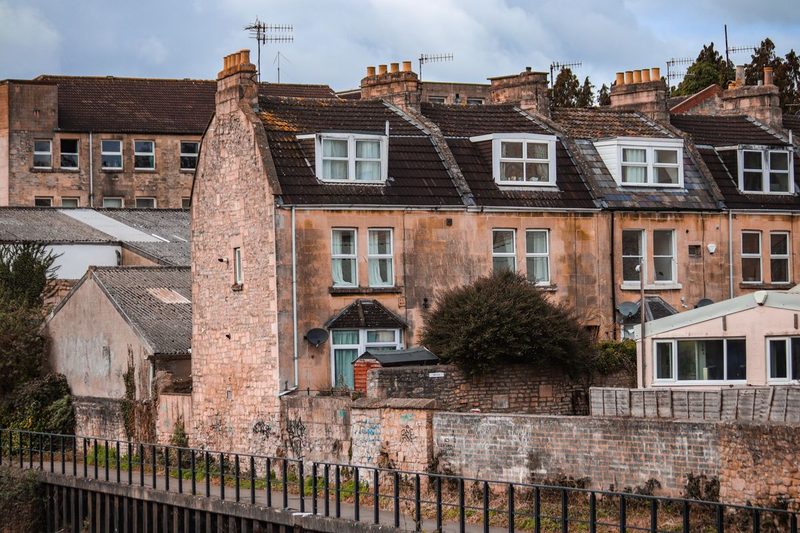
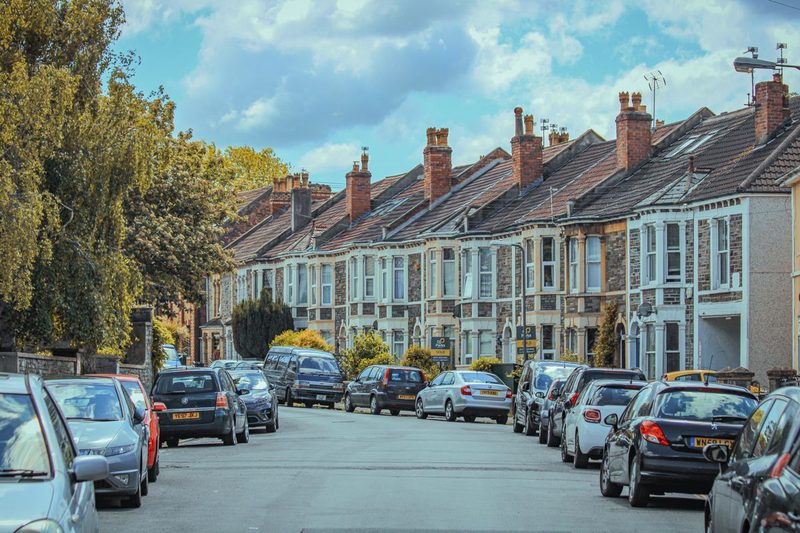
Chester has around 15,000 students across the University of Chester's campuses, and most of the ones not in halls live in private rented terraces in Garden Lane, Hoole and the streets off Sealand Road. Those houses are overwhelmingly Victorian and Edwardian, with Welsh slate roofs that are 100 to 130 years old, and they change tenants every September. Landlord roof repairs in Chester are a legal duty, not a discretionary maintenance item: Section 11 of the Landlord and Tenant Act 1985 makes the landlord responsible for the structure and exterior, and that includes the roof, gutters and flashings. Cheshire West and Chester Council licenses over 1,000 HMOs, and roof condition is one of the things its inspectors look at. Around 25% of private rented homes in England fail the Decent Homes Standard, and a leaking roof is the single most common reason. Here is what the law expects, what the council checks, and what the repairs cost.
What the Law Requires a Chester Landlord to Repair
Section 11 cannot be contracted out of. It applies to every assured shorthold tenancy of under seven years, which is every student let and almost every professional let in Chester. The landlord must keep in repair the structure and exterior, which the courts have consistently held to include the roof covering, the chimney stack, the gutters and downpipes, and the flashings around them. The tenant's duty is only to report problems and behave in a tenant-like manner. They do not have to clear gutters or replace a slipped slate.

The government's guide to repairs in private renting sets out the position in plain terms, and the text of Section 11 itself is short enough to read in a minute. What it does not do is set a timescale, which is where most disputes start.
If you own a rented property in Chester and want the roof checked before the September changeover rather than after the first winter complaint, Chester Roofers & Contractors carries out landlord roof inspections and repairs across the city and the surrounding villages, with written reports you can keep on file.
Response Times: What Counts as Reasonable
The 1985 Act says repairs must be done within a reasonable time once the landlord knows about the problem. Case law and council enforcement practice have narrowed that down. A roof leak that is letting water into a bedroom is treated as urgent, meaning a temporary fix within 24 to 48 hours and a permanent repair within a fortnight. A slipped slate that is not yet letting water in is routine, and two to four weeks is generally accepted. Damp and mould from a long-term roof defect is now a hazard the government expects landlords to act on within days of a report, following the extension of the Awaab's Law timescales that started with social landlords in October 2025.
The practical point for Chester is that the reasonable window shrinks in winter. The city averages 130 wet days a year and its winters run wetter than the English average because of the westerly weather coming off the Irish Sea and Dee estuary. A leak reported in November will do more damage in a week than one reported in May.
What the Repairs Cost on a Chester Terrace
Typical 2026 figures for the repairs landlords most often need on a Victorian terrace in Hoole, Garden Lane or Boughton:
- Reslate a small area of slipped or broken Welsh slates: £180 to £420
- Repoint or reflash a chimney stack: £450 to £950
- Replace a lead valley between two terraces: £700 to £1,400
- Clear and repair cast iron or uPVC guttering, per elevation: £120 to £280
- Full reroof of a two-storey terrace in reclaimed or new slate: £7,500 to £13,000
Access in the terraced streets adds cost. Scaffolding on a narrow pavement in Garden Lane needs a council licence and a towered scaffold rather than a wide independent one, and that is £600 to £1,200 for a chimney or valley job. We covered what a roofing guarantee does and does not protect on an older building in our guide to roofing warranties and guarantees on Chester's listed and period homes, which matters for landlords because a written guarantee on a repair is useful evidence if a tenant later claims the job was not done.
HMO Licensing and the Roof
Any house in Chester let to five or more people from two or more households needs a mandatory HMO licence, and the council can add conditions about property condition. The government's HMO licensing rules require the property to be free of serious hazards under the Housing Health and Safety Rating System, and the council's inspection before granting or renewing a licence will look at the roof from the ground and, if there is any sign of damp inside, from the loft.

A Category 1 hazard, which a leaking roof causing damp and mould in a bedroom would be, means the council must take action. That can be an improvement notice with a deadline, works in default with the cost charged back to the landlord, or refusal of the licence. Fines for operating an unlicensed HMO in Cheshire West can reach £30,000 per offence, and tenants in an unlicensed HMO can apply for a rent repayment order covering up to twelve months of rent. A £400 slate repair is cheap against any of that.
Student Lets: The September Turnaround Problem
Most Chester student tenancies start in September and the houses sit empty for a few weeks in summer. That is the window for roof work, and it is also when every landlord in the city wants a roofer at the same time. Chester's roofing trade is stretched. The wider Cheshire and North Wales area has a documented shortage of slaters in particular, and the good ones book six to ten weeks ahead by June.
Book inspections in May. Get the work done in July and August. A landlord who waits for a tenant to report a leak in October is competing with storm-damage jobs for the same roofers and paying emergency rates, which run 30% to 50% above summer prices for the same repair.
The other thing to plan for is the loft. Student houses in Chester routinely have the loft used for storage or, worse, converted informally into an extra bedroom. Roofers need access to check for damp, and a loft full of a previous tenant's belongings or a partition wall nobody has consent for makes inspection impossible. A clear loft is part of a legal roof.
Damp, Mould and Who Is Responsible
The most common dispute between Chester landlords and tenants is whether damp in a bedroom is from the roof or from condensation. On a Victorian terrace it is often both. A slipped slate lets water into the roof space, and poor ventilation in a house with four or five people showering daily turns that into black mould on the ceiling.

Landlords are responsible for the roof leak and for the ventilation if the house was let without adequate extract fans, because the Homes (Fitness for Human Habitation) Act 2018 makes the landlord liable for a property that is not fit to live in, whatever the cause. The sensible approach is a roof inspection that also checks the loft insulation and ventilation, so the report says clearly whether the roof is watertight and whether the damp is coming from somewhere else. That report is what protects a landlord when the council or a tenant's solicitor asks what was done.
Keeping Records That Protect You
Every roof inspection, every repair invoice and every photo should go in a file for the property. Councils in the North West are increasingly asking for evidence of proactive maintenance at licence renewal, and a landlord who can show an annual roof check and a gutter clearance each autumn is in a very different position from one who can only show a reactive repair after a complaint.
An annual inspection from the ground with binoculars and a look in the loft costs £90 to £160 in Chester. A gutter clearance across the front and rear of a terrace is £100 to £200. Across a portfolio of five or six student houses that is under £2,000 a year and is the cheapest insurance a landlord can buy against a Category 1 hazard notice.
Frequently Asked Questions
Is a Chester landlord responsible for roof repairs?
Yes. Section 11 of the Landlord and Tenant Act 1985 makes the landlord responsible for the structure and exterior of a rented home, which includes the roof, chimney, gutters and flashings. This applies to all standard tenancies of under seven years and cannot be signed away in the tenancy agreement.
How quickly must a landlord fix a leaking roof?
Within a reasonable time, which for an active leak means a temporary fix within 24 to 48 hours and a permanent repair within about two weeks. A defect not yet letting water in can wait two to four weeks. Damp and mould hazards are now expected to be addressed within days of a report.
Does an HMO licence require a roof inspection in Chester?
Not a formal survey, but the council's inspection before granting or renewing a licence will check the roof and loft for damp and hazards. A leaking roof causing damp in a bedroom is a Category 1 hazard that can lead to an improvement notice or licence refusal.
What does a roof repair on a Chester student let cost?
Small slate repairs run £180 to £420, chimney repointing £450 to £950, and a lead valley replacement £700 to £1,400 in 2026. A full reroof of a two-storey terrace is £7,500 to £13,000. Emergency winter call-outs cost 30% to 50% more than the same work booked in summer.
Ready to work with Chester Roofers & Contractors?
Let's connect! We’re here to help.
Send us a message and we’ll be in touch.
Or give us a call today at 01244 740253
Agency Contact Form
More Marketing Tips, Tricks & Tools
Chester Roofers & Contractors