Winter Roof Repairs in Chester: What Can and Can't Be Done in Cold, Wet Weather
Winter roof repairs in Chester come with a question most homeowners don't think to ask until they've got a bucket on the landing: can this actually be fixed properly now, or does it have to wait until spring? The honest answer is that roughly 70% of the repairs we see between November and February can be done well in winter, and the rest can be made safe now and finished once it warms up. Chester sees around 40 air frosts a year on average, most of them packed into those four months, and December gives you barely seven and a half hours of daylight to work in. Add the wind coming in off the Dee estuary and across the Cheshire Plain, and a roofer's working week in January can shrink to two or three usable days. This guide covers which jobs are fine in cold, wet weather, which materials have hard temperature limits, what a temporary fix really buys you, and what winter work costs.
Winter Roof Repairs in Chester: Fix It Now or Wait for Spring?
Start with the damage, not the season. If water is getting into the house, the job can't wait for March, because a slow leak that runs for 12 weeks can soak ceiling plaster, rot rafter feet and push a £300 repair towards £2,000 or more. If the problem is cosmetic, like a bit of moss, a cracked tile that isn't letting water through, or tired fascias, then waiting for better weather usually costs you nothing and can get you a better price. If you're not sure which side of that line you're on, our Chester roofing team can come and look and tell you straight.
A rough rule we use: anything that lets water reach timber or plaster gets done now, even if it's only a temporary fix. Anything that's slowly getting worse gets a date in the diary. Anything that's purely about appearance waits.
The awkward middle ground is something like a flat roof that's clearly near the end of its life but isn't leaking yet. On those, we'd usually patch the worst areas over winter for £150-£400 and plan the full replacement for April or May, when the materials can be laid at their best.
Roof Repairs That Work Fine in Cold Weather
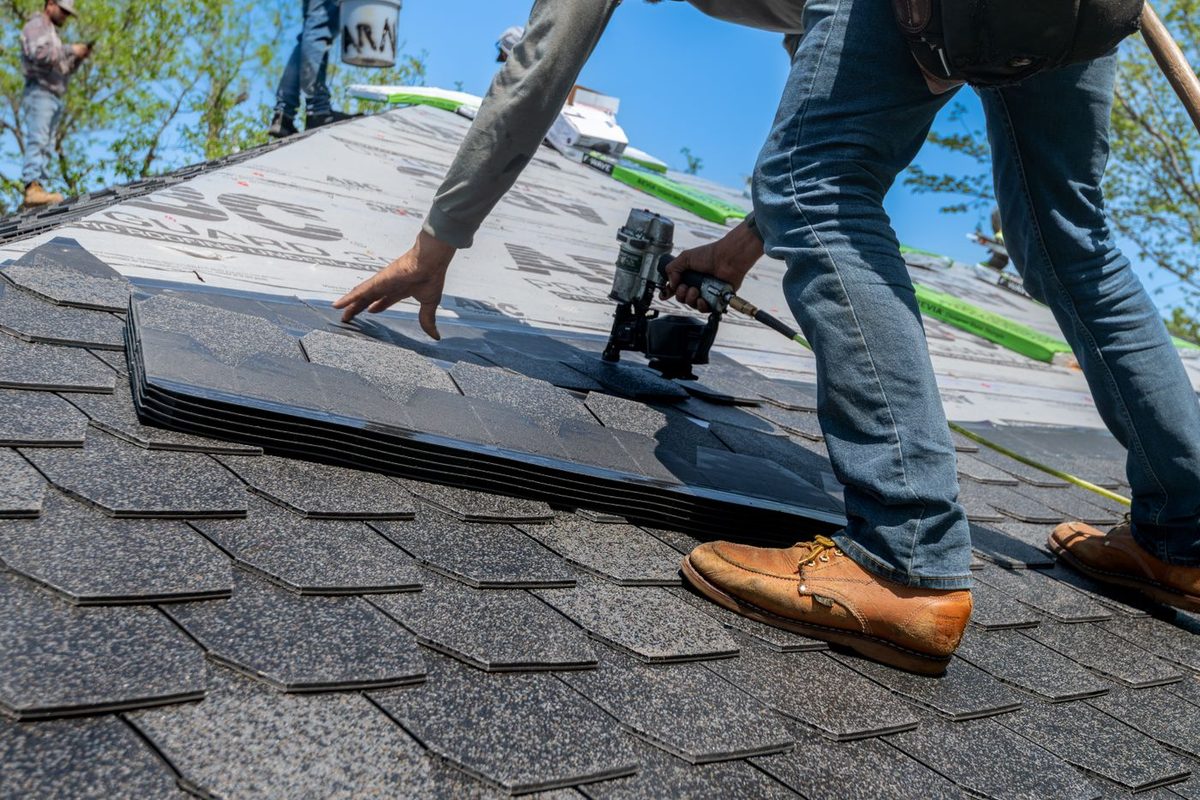
Plenty of pitched-roof work doesn't care much about temperature. Replacing slipped or broken slates and tiles is mostly mechanical: nails, clips, tingles and hooks. As long as the roof is dry enough to stand on safely, a roofer can swap a handful of slates in January just as well as in July. A typical slate or tile replacement in Chester costs £150-£350 for a small number, plus access.
Other jobs that work well in winter:
- Lead flashing repairs and new leadwork, since lead is dressed by hand and isn't affected by cold (though it should be fixed with clips rather than sealant alone)
- Dry ridge and dry verge systems, which are mechanically fixed with no mortar to cure
- Gutter clearing, realigning and replacing sections of plastic or cast iron guttering
- Fitting or repairing underlay from inside the loft
- Securing loose chimney cowls, pots and TV aerial brackets
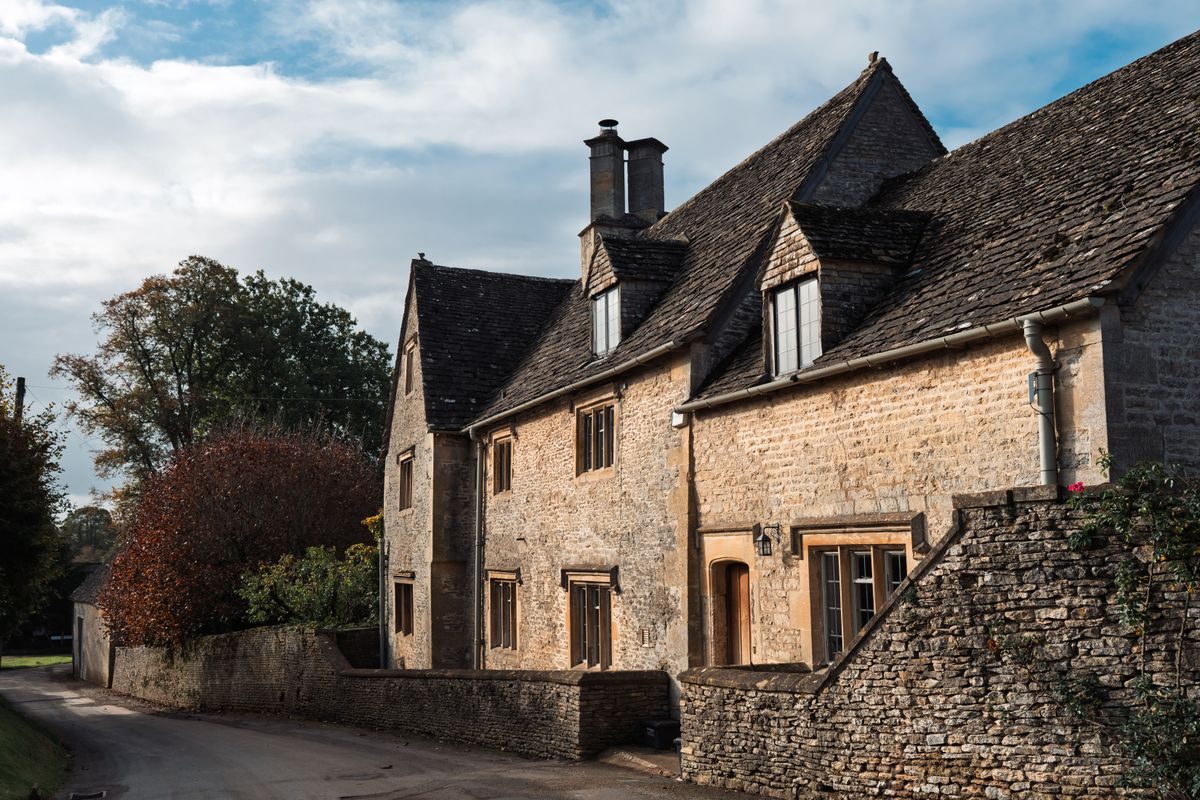
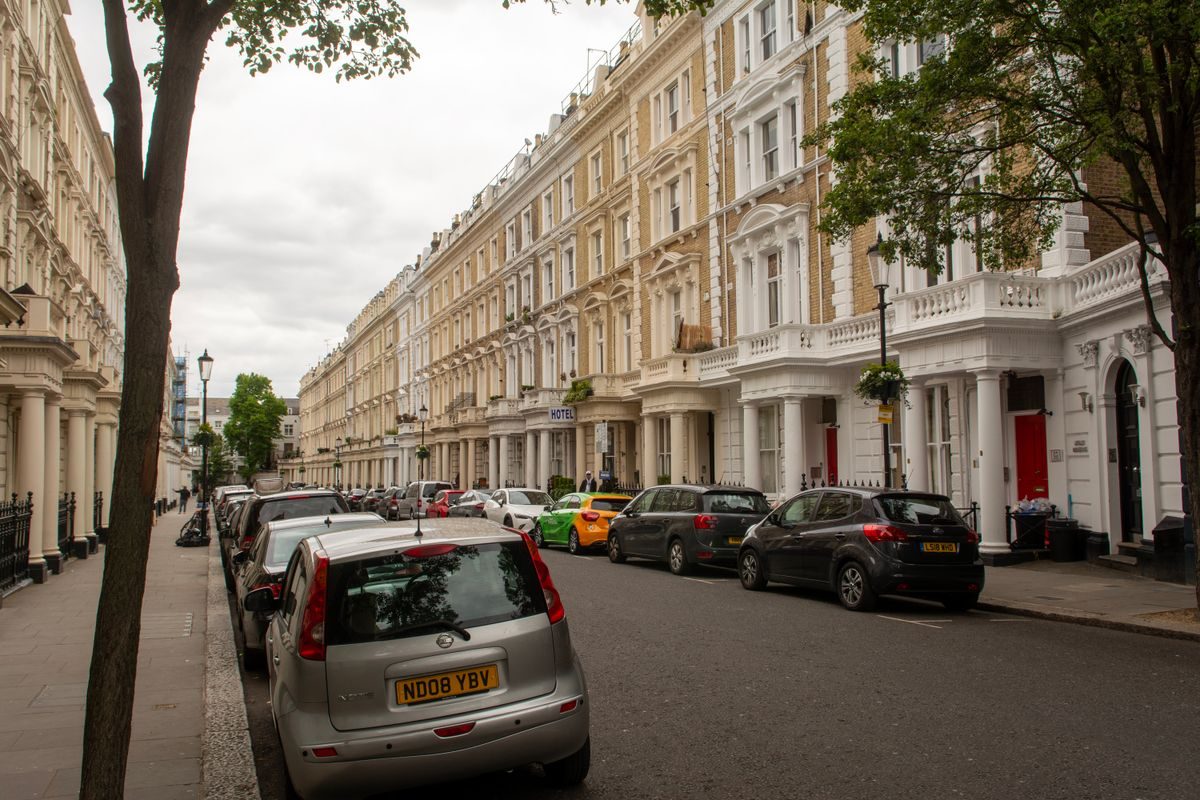
On Chester's Victorian and Edwardian terraces in Hoole, Boughton and Handbridge, most winter call-outs are exactly this sort of thing: a few Welsh slates loosened by a storm, or a cracked lead soaker by a chimney. All good winter jobs.
Temperature Limits for Mortar, Adhesives, EPDM, GRP and Torch-On
Here's where it gets awkward. A lot of roofing materials rely on a chemical cure, and cold or wet conditions stop that cure from happening properly. Manufacturers' minimum temperatures are there for a reason. If a roofer ignores them, your warranty is usually void and the repair often fails within a year or two.
Mortar bedding and pointing
Sand and cement mortar for ridge tiles, hips, verges and chimney flaunching shouldn't be laid below about 3°C on a falling thermometer, or when frost is forecast within 24-48 hours. Water in fresh mortar expands by around 9% when it freezes, which breaks the bond before it has set. On a frosty Chester night, freshly bedded ridge tiles can come loose by the next spring. Good roofers will use frost protection, cover the work, or switch to a dry-fix system instead.
EPDM rubber and adhesives
Most EPDM contact adhesives need the air and deck to be at least 5°C, and the deck must be bone dry. Water-based adhesives are fussier still. Small EPDM patches with cold-applied primer and tape can be done on a mild, dry winter day, but a full EPDM re-cover in December is a gamble.
GRP fibreglass
GRP resin needs roughly 5°C or more and dry conditions to cure, and most installers won't lay a new GRP roof below about 8-10°C without heaters or a temporary shelter. Rain on uncured resin leaves it cloudy and weak. In practice, full GRP roofs in Chester are mostly a March-to-October job.
Torch-on felt
Torch-on felt is the most winter-friendly flat roof option because the torch provides its own heat. Even so, the deck has to be dry and frost-free, and frost or dew forming on the surface in the morning means a late start. On a short December day, that can leave four hours of real work.
Liquid roof coatings and most silicone or polyurethane sealants also have minimums of around 5°C, so a quick "squirt of sealant" fix in a frost is rarely worth paying for.
Temporary vs Permanent Fixes: What a Winter Patch Buys You
A temporary repair is a holding job designed to stop water getting in until the permanent work can be done. Done properly, it isn't a bodge. A tarpaulin weighted and secured over a damaged area, a flashing tape repair on a cracked valley, or a cold-applied patch on a flat roof split can all keep a roof watertight for 3-6 months. Expect to pay £100-£400 depending on access and size.
The risk is that a temporary fix quietly becomes the permanent one. Tarpaulins flap and chafe in strong wind, and Chester gets a fair amount of it. The Wirral and the Dee estuary sit right in the path of westerly storms coming off the Irish Sea, and gusts of 50-60mph are not unusual in an average winter. A tarp that isn't properly battened down can be gone in a week. Ask your roofer to tell you how long the temporary fix is meant to last, and get the date for the permanent repair written on the quote.
We've already covered the jobs that stop these problems happening in the first place in our guide to autumn roof checks in Chester. If you didn't get round to them this year, the advice still applies, just with less room for error.
Chester's Winter Weather and What It Does to Roofs
Chester is drier than a lot of the UK. Annual rainfall is around 750-800mm, compared with a UK average of roughly 1,160mm, and you can compare the figures for nearby stations on the Met Office's UK climate averages. But averages hide the pattern. Most of that rain falls between October and January, often as wind-driven rain that gets pushed sideways under slates and into the joints between lead and brickwork.
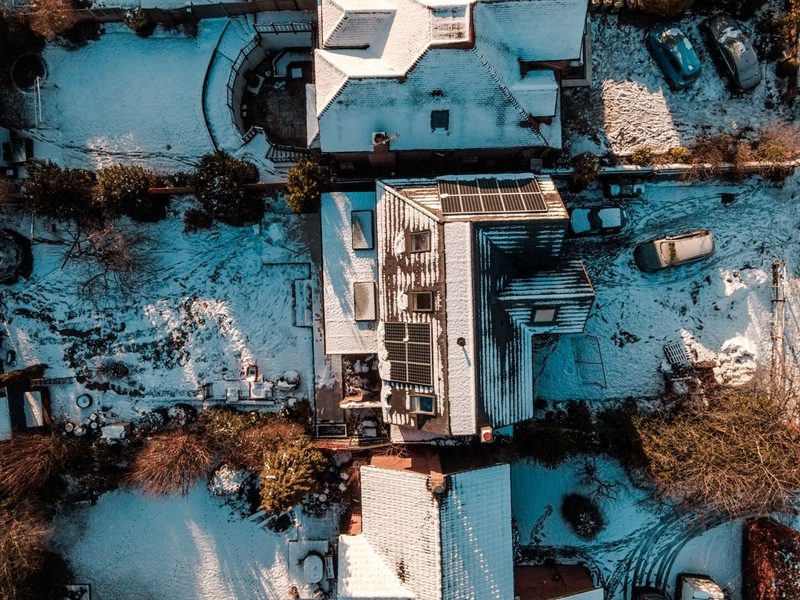
The Cheshire Plain is also open and fairly flat, which means cold air settles on clear nights and frost is common inland from the estuary. Freeze-thaw is what really damages older roofs. Water gets into cracked mortar, porous clay tiles and the joints of chimney stacks, freezes, expands, and opens the crack a little more each time. A winter with 40-50 frosts can do more harm to a 120-year-old Victorian chimney than several years of rain.
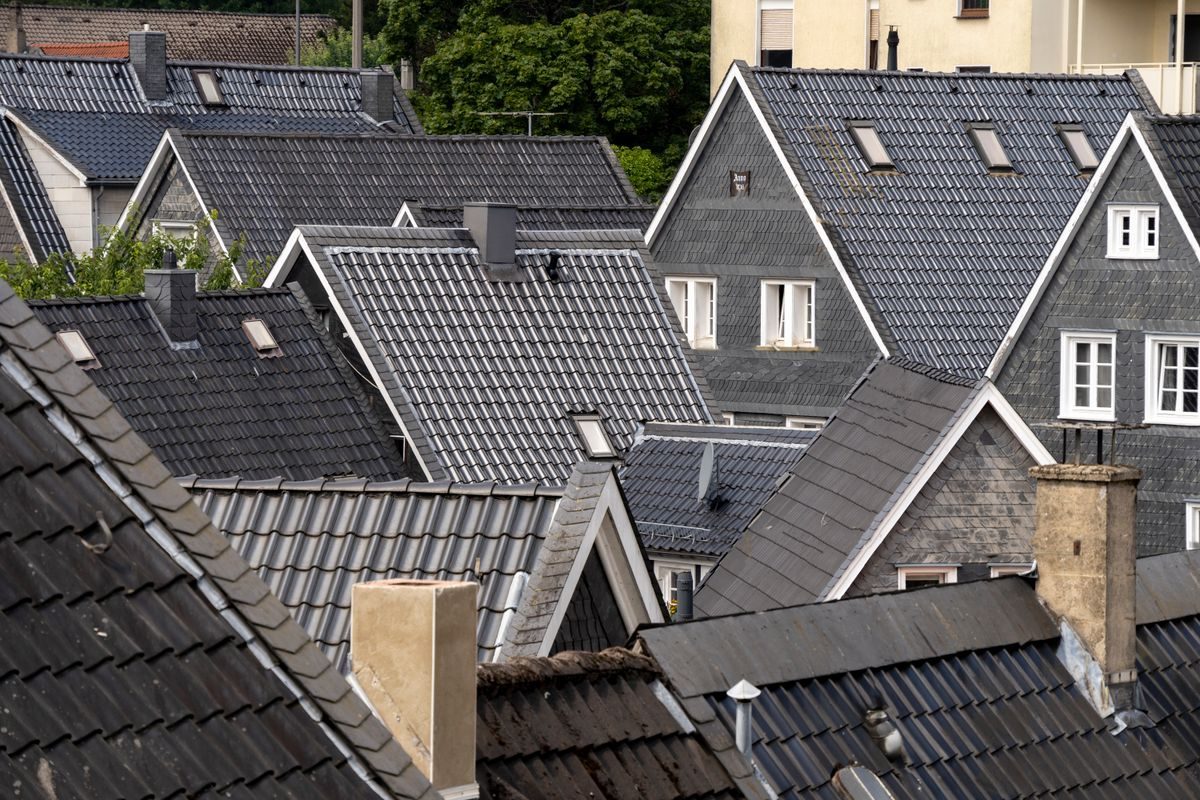
Chester's housing stock makes this worse. A large share of the city's terraces and villas were built before 1919, and many still have original lime mortar, cast iron gutters and lead details that are now 80-100 years old. These roofs were built to be repaired, which is good news, but they rarely stay fully watertight without some attention every few years.
Safety, Daylight and Why Winter Jobs Take Longer
Roofers have to stop when it isn't safe, and in winter that happens a lot. Frost on slates is like ice on glass, and wet clay tiles aren't much better. HSE's guidance on working at height puts the duty on contractors to plan for weather and stop work when conditions make it unsafe, and most firms won't go up in winds above about 23mph (force 5) on a pitched roof.
Daylight is the other limit. In mid-December, Chester gets sunrise around 8:20am and sunset just before 4pm. Allow for frost clearing and packing up before dark, and a roofer might get five hours on the roof. A job that takes one day in June can take two or three in January, which is why winter quotes sometimes list a longer programme than you'd expect.
So if your roofer rings at 7am to say they're not coming because of frost, that's usually a good sign. The ones who go up anyway are the ones whose repairs fail by March.
Winter Lead Times, Booking and Pricing in Chester
Demand for roofers in Chester and across West Cheshire peaks twice: after the first big autumn storms in October or November, and again after any named storm in winter. In those weeks, emergency call-outs can stretch from a same-day visit to 3-5 days, and non-urgent work may get booked 4-8 weeks out. Like much of the North West, the area has a shortage of experienced roofers, particularly ones who can do traditional lead and slate work on period houses, and that squeeze is felt most in winter.
On pricing, winter can work in your favour or against you. Here's roughly what to expect:
- Emergency call-out and temporary repair: £150-£400, with out-of-hours or weekend rates 25-50% higher
- Slate or tile replacement (small number): £150-£350 plus access
- Lead flashing repair: £200-£600
- Flat roof patch repair: £150-£400
- Booking non-urgent work in January or February for spring: some firms offer 5-10% off to fill the diary early
If you're getting quotes, check the roofer is a member of a recognised scheme. The TrustMark register of government-endorsed tradespeople is a quick way to see whether a firm has been vetted, which matters more in the weeks after a storm when cold-callers start knocking.
Frequently Asked Questions About Winter Roof Repairs in Chester
Can a roof be repaired in winter?
Yes. Most pitched roof repairs, like replacing slates and tiles, leadwork and dry ridge systems, can be done in winter as long as the roof is dry enough to work on safely. Jobs that rely on mortar, adhesives or resin have minimum temperatures and are better done in milder weather.
What temperature is too cold to fix a roof?
Mortar shouldn't be laid below about 3°C or if frost is forecast. EPDM adhesives, liquid coatings and most sealants need at least 5°C, and GRP resin needs 5°C or more, ideally 8-10°C, plus dry conditions. Mechanical repairs like slate replacement have no strict minimum, but frost on the roof makes it unsafe.
How long does a temporary roof repair last?
A properly secured temporary repair, such as a battened tarpaulin or flashing tape patch, should keep water out for 3-6 months. In Chester's windy winters, a loosely fixed tarp can fail in days, so ask your roofer how long the fix is meant to last.
Is roof work cheaper in winter?
Emergency work isn't, and out-of-hours rates can be 25-50% higher. But booking non-urgent jobs in January or February for the spring can sometimes get you a small discount and an earlier start date.
Ready to work with Chester Roofers & Contractors?
Let's connect! We’re here to help.
Send us a message and we’ll be in touch.
Or give us a call today at 01244 740253
Agency Contact Form
More Marketing Tips, Tricks & Tools
Chester Roofers & Contractors