Roofing Warranties and Guarantees in Chester: What's Covered on Listed and Period Homes
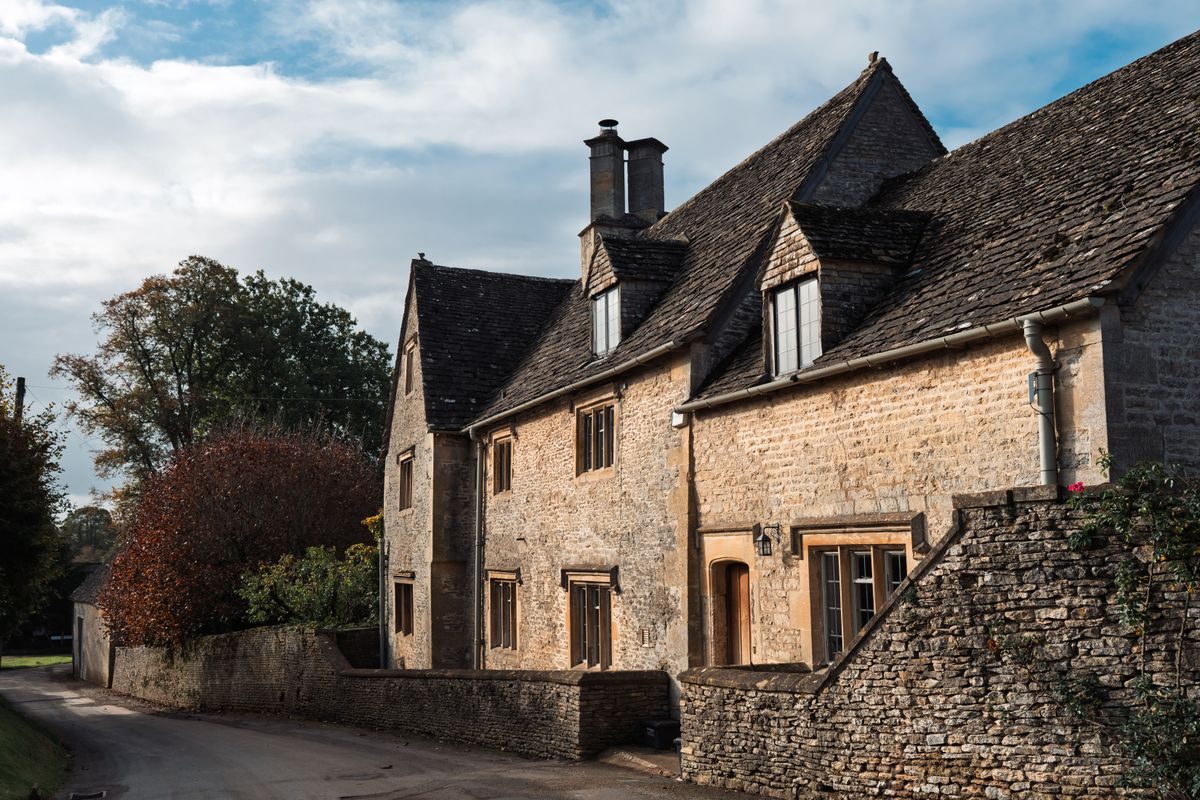
Chester has one of the highest concentrations of protected buildings anywhere in the North West - Cheshire West and Chester lists around 2,500 buildings and 95 conservation areas across the borough, and a large share of them sit inside the city itself. That matters more than most homeowners realise when a roofing quote lands on the table, because the guarantee attached to it was almost certainly written for a standard modern roof, not a Georgian terrace on the Rows or a slate roof on a street protected by conservation area rules. A typical roofing guarantee runs anywhere from 10 to 25 years depending on the materials used. On a listed or period home, that headline number can be narrowed before a single tile goes back on, simply because of what heritage rules will and won't allow. Here's what a roofing warranty in Chester should actually cover, where listed status changes the picture, and what to check before signing anything.
What a Standard Roofing Warranty Actually Covers
Most roofing quotes bundle together two separate things under the word "guarantee," and it pays to know which is which. The first is a workmanship guarantee - the roofer's own promise to fix faults caused by their labour, usually running for 10 years on a full reroof and often shorter on repair work. The second is a manufacturer's material guarantee, which covers the tiles, slates, membrane or flashing itself and can run considerably longer, sometimes 20 to 30 years on premium concrete or clay tile ranges.

On their own, neither guarantee means much. They only add up to real protection when they're backed by something that survives the roofer going out of business. If you've already had a quote and want a second opinion before signing anything, our team at Chester Roofers & Contractors can talk you through exactly what should be listed on the paperwork and what's missing.
Ask how long the business has traded locally, and whether the guarantee is insurance-backed rather than just a promise on headed paper. That question matters a lot more once a listed building enters the picture.
Why a Listed Building Changes the Guarantee Conversation
On an unlisted home, a roofer can generally use whichever tile, membrane or flashing system suits the budget and the manufacturer's guarantee applies cleanly. On a listed building, the local planning authority has a say in the materials before work even starts, and the roofer's guarantee can only cover what they were actually permitted to install - not necessarily what would have performed best.

Any work that alters the character or appearance of a listed roof can require listed building consent from the council first, even something that looks like a straightforward like-for-like reslate. The government's own guidance on planning permission and listed buildings sets out when consent is needed. Get this wrong before work starts and it doesn't just create a planning headache - it can mean the guarantee itself was never valid, because it covered unauthorised work.
Insurance-Backed Guarantees and Chester's Period Housing Stock
An insurance-backed guarantee (IBG) is a separate policy that pays out if the roofing company itself ceases trading during the guarantee period, so the workmanship promise doesn't just evaporate. On a listed or period roof, this matters more than usual, because heritage repairs often use specialist materials and techniques that fewer local contractors can replicate if the original firm disappears. We've covered the wider rules around materials and costs on protected properties in more detail in our piece on roofing work on listed and conservation area homes in Chester, which is worth reading alongside this one if you're planning work on a protected roof.
Heritage-Matching Materials and What They Mean for Your Cover
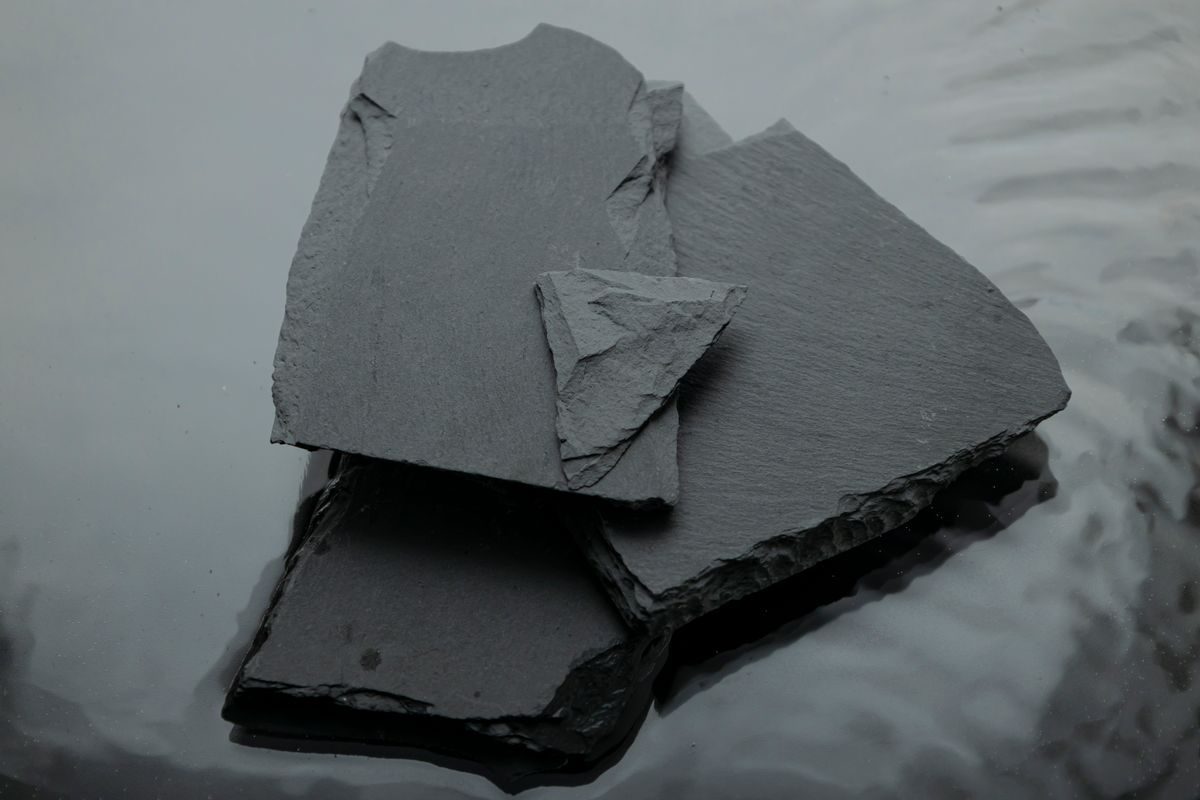
Reclaimed Welsh slate, hand-made clay tiles and traditional lead flashing are frequently required on listed Chester roofs to satisfy conservation officers, and none of them carry the same manufacturer backing as a mass-produced modern equivalent. A reclaimed slate has no factory guarantee at all - its performance depends entirely on the roofer's skill in selecting and laying sound stock, which shifts almost all of the risk onto the workmanship guarantee rather than a material one.

Lead is a good example of how this plays out in practice. Code 5 lead flashing on a period roof can last 80 years or more when detailed correctly, but a poorly formed joint can fail within a couple of winters, and no manufacturer guarantee exists to cover that kind of installation error - only the roofer's own workmanship cover does. Historic England's advice on listed building consent is useful background reading here, since it explains why conservation officers push for traditional materials in the first place, and why substituting a modern alternative without permission can undo both the consent and the guarantee in one go.
Ask any roofer quoting for heritage work to state, in writing, whether the guarantee covers materials, workmanship, or both - and if it's workmanship only, treat the quality of the individual roofer as the guarantee, because that's effectively what it is.
Manufacturer Guarantees vs Workmanship Guarantees on Older Roofs
The gap between these two guarantee types widens noticeably on period housing. A national manufacturer will happily guarantee a concrete tile for 20-plus years wherever it's fitted, but that guarantee is usually conditional on the tile being installed according to their fixing specification - something that can be difficult to follow to the letter on an irregular period roof structure with varying pitches and historic timber that's moved over a century or more.

Workmanship guarantees don't have that problem, because they cover the roofer's own judgement calls rather than a factory spec sheet. On a listed or period property, a workmanship guarantee from an experienced local roofer is often worth more in practice than a longer-sounding manufacturer guarantee that assumes textbook conditions the building simply doesn't have.
A reasonable rule of thumb: if more than roughly a third of the quoted guarantee period relies on the manufacturer's material cover rather than the roofer's own workmanship promise, ask what happens if the installation itself is judged non-compliant with the fixing spec after a claim - because that's the scenario where material guarantees on period roofs most often fall down.
What's Typically Excluded on Period and Listed Roofs
Every roofing guarantee has exclusions, and on listed buildings the list tends to be longer. Pre-existing structural movement in old roof timbers is almost always excluded, since a roofer can't guarantee against decades of settlement they didn't cause. Planning-driven compromises - such as being required to retain an original chimney stack that's already deteriorating, or match an existing render that's already failing elsewhere on the roof - are also commonly carved out, because the roofer had no choice in the matter.

Availability of matching material is another frequent gap. If a guarantee promises like-for-like replacement of a damaged section in future and the original reclaimed slate source has since dried up, most roofers will only commit to "best available match," not an exact one. It's worth asking for this in writing rather than assuming it's covered, particularly on a roof using a specific reclaimed or hand-made product that isn't still in production.
Roughly one in five roofing complaints referred to trade bodies each year relates to a dispute over what a guarantee did or didn't cover, rather than the standard of work itself - which is exactly the kind of ambiguity a clear, written scope of cover is meant to prevent.
How Long Should a Roofing Guarantee Last in Chester?
For a standard reroof on an unlisted Chester home, a 10-year insured workmanship guarantee alongside a 15 to 30-year manufacturer material guarantee is a reasonable benchmark, depending on the tile or slate chosen. TrustMark, the government-endorsed quality scheme, requires its registered businesses to provide a minimum of two years' financial protection on all work carried out in and around the home, which sets the floor rather than the ceiling - see TrustMark's guidance on financial protection for homeowners for how insurance-backed cover is meant to work.

On listed and period roofs, expect the workmanship element to matter more than the length of the material guarantee, for the reasons already covered above. Chester's climate doesn't help matters either - Cheshire sees a wetter, longer autumn and winter than much of eastern England, with driving rain off the Welsh hills adding extra pressure on flashing and pointing details that a guarantee needs to actually cover, not just the tiles themselves.
There's also a practical local factor worth knowing about: roofers experienced in heritage-appropriate techniques such as traditional leadwork and lime pointing are in shorter supply across Cheshire than general roofing tradespeople, which is part of why vetting the contractor - not just the paperwork - matters so much on a listed job. A guarantee is only worth what the company behind it can deliver if a claim is ever made.
Questions to Ask Before You Sign
Before agreeing to any roofing contract on a listed or period property in Chester, get clear written answers to a handful of questions: does the guarantee cover materials, workmanship, or both, and for how long each? Is there a separate insurance-backed guarantee, and who underwrites it? Has listed building consent actually been granted for the specific materials and method being quoted, and is that consent referenced in the contract? What happens if an exact material match isn't available for a future repair?

None of these should feel awkward to ask. A roofer used to working on Chester's older housing stock will answer all of them without hesitation. If a quote goes vague on any of these points, that vagueness is itself useful information about how the guarantee will hold up if you ever need to rely on it.
Frequently Asked Questions About Roofing Warranties in Chester
Does a roofing guarantee still apply if I later find out listed building consent wasn't obtained? Not reliably. If the underlying work wasn't authorised by the council, both the planning position and the guarantee covering that work can be called into question, which is why confirming consent before work starts matters as much as the guarantee wording itself.

Are insurance-backed guarantees compulsory in the UK? They're not a legal requirement for every job, but schemes like TrustMark require their registered installers to provide a minimum level of financial protection, and most reputable roofers offer one as standard on larger reroofing work regardless of scheme membership.
Why do reclaimed slates and hand-made tiles usually carry no manufacturer guarantee? Because they're salvaged or individually made rather than produced to a consistent factory specification, there's no single manufacturer able to stand behind their long-term performance - responsibility sits almost entirely with the roofer's selection and workmanship instead.
How long should I expect a workmanship guarantee to last on a full reroof in Chester? Ten years insured is a common and reasonable benchmark for a full reroof, though this can vary with the scope of work - a smaller repair job will typically carry a shorter guarantee period than a complete reroof.
Ready to work with Chester Roofers & Contractors?
Let's connect! We’re here to help.
Send us a message and we’ll be in touch.
Or give us a call today at 01244 740253
Agency Contact Form
More Marketing Tips, Tricks & Tools
Chester Roofers & Contractors