Matching Roof Tiles in Chester: Reclaimed Slates, Clay Tiles and Discontinued Profiles
Matching roof tiles in Chester gets harder every year. A lot of the city's housing was roofed 80-140 years ago, and many of the slates, clay tiles and concrete profiles used back then are no longer made, or are made in a slightly different size, colour or thickness. One cracked slate is a 20-minute fix if you can find a match. If you can't, a small repair can turn into a patch that sticks out from the street for the next 30 years. On pre-war houses, roughly 1 in 4 of the repair jobs we see involve some hunting for a matching tile. Chester sees around 750mm of rain a year, well under the UK average of about 1,160mm, but the wet, windy months from October to February still find the weak spots. This guide covers reclaimed vs new slates, red clay tiles, discontinued concrete profiles, conservation rules, the "back slope" trick and what it all costs in 2026.
Why Matching Roof Tiles in Chester Is Harder Than It Looks
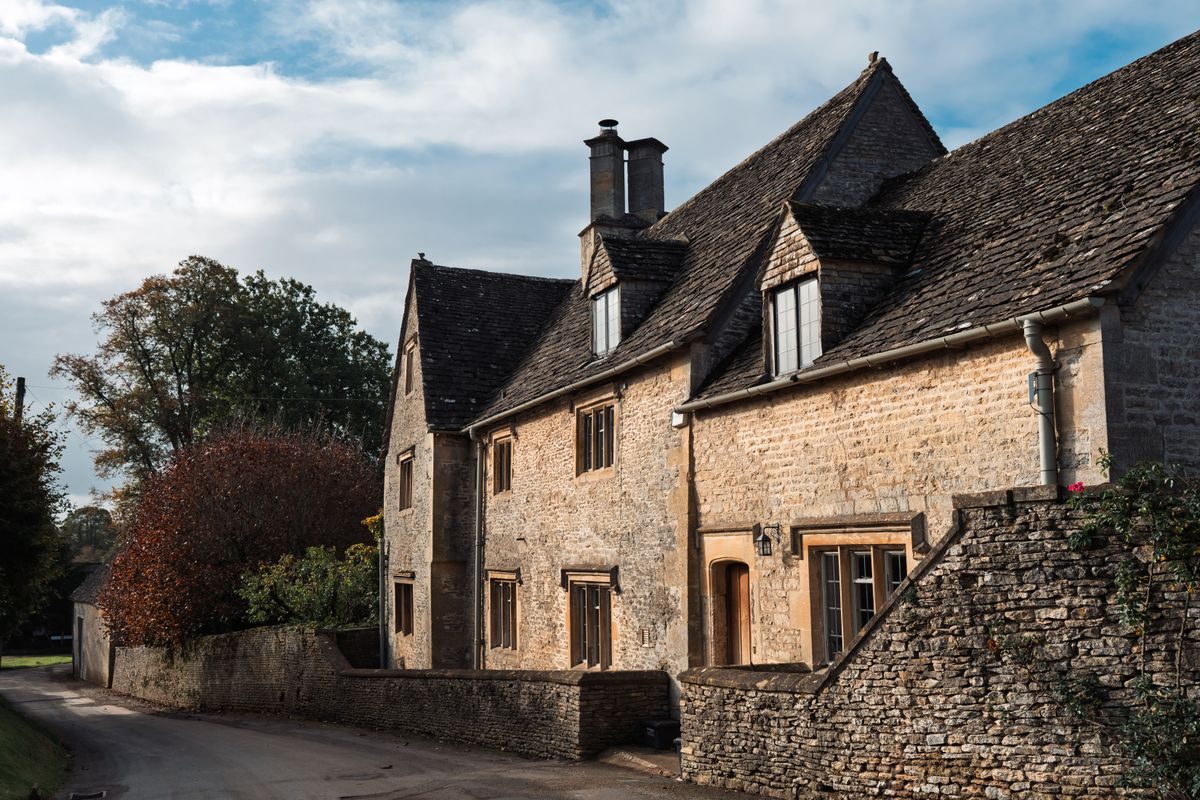
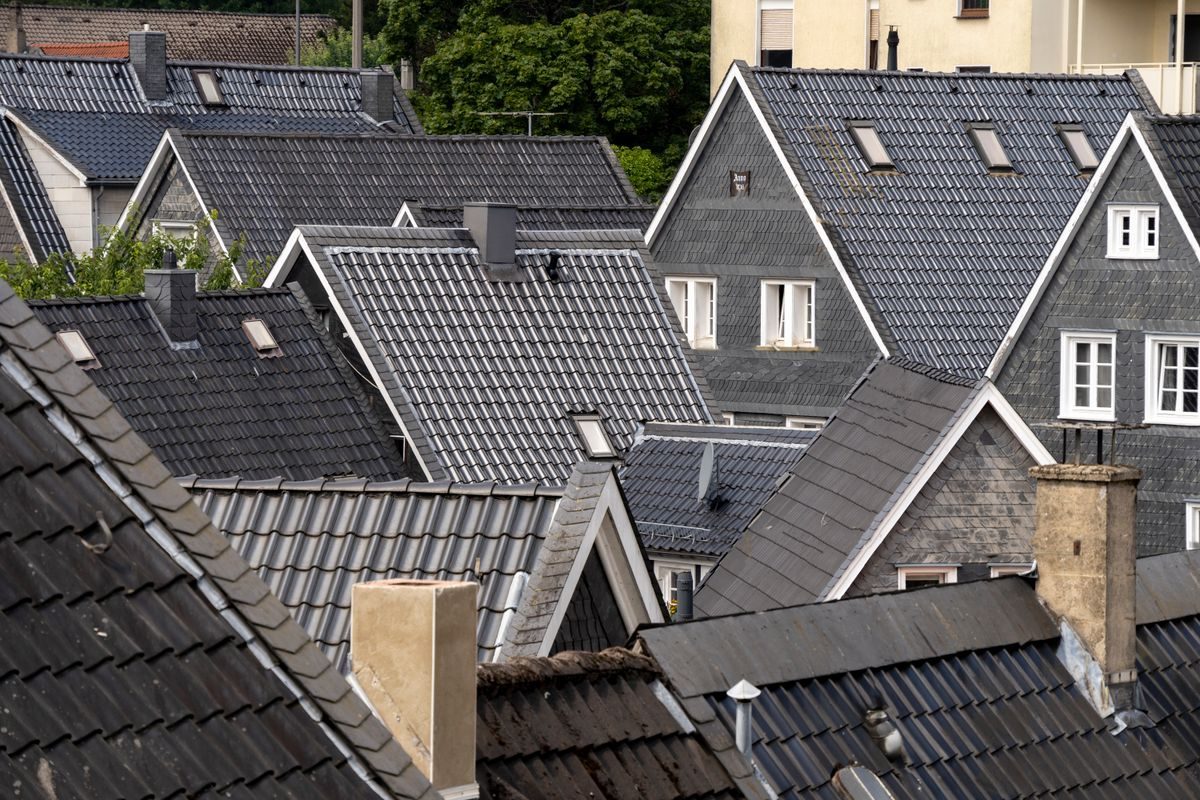
Chester's roofs are a mix. Victorian and Edwardian terraces in Hoole, Boughton and Handbridge are mostly Welsh slate. Older cottages and some Edwardian villas have red or brindled clay tiles. Houses built from the 1950s to the 1980s, in places like Upton, Blacon and Vicars Cross, tend to have concrete interlocking tiles. Each type brings its own matching problem, and the trouble usually comes down to three things: size, profile and colour.
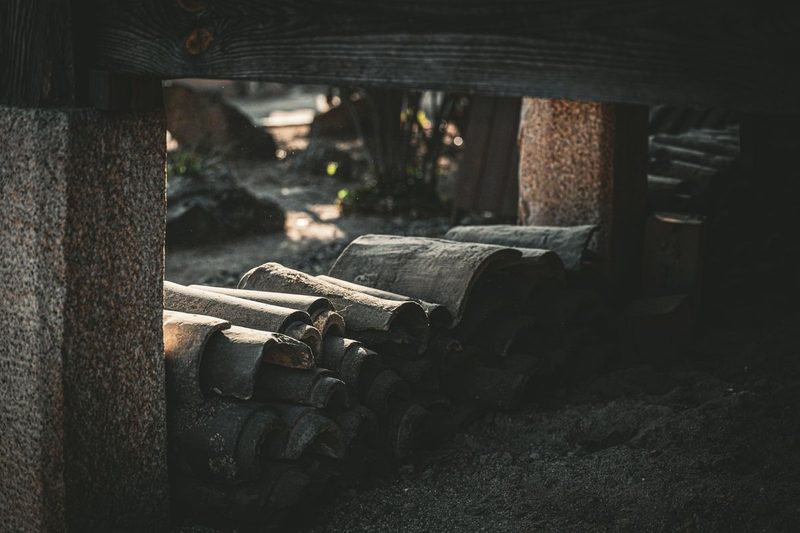
Sizes changed over time. Old slates were cut to imperial sizes like 20x10 inches or 16x8 inches, and a modern metric slate that's 10-15mm out won't sit right in the same courses. Clay tiles from small local works were never fully standardised, so two "plain tiles" from different makers can differ by 5-8mm and have different nib positions. Concrete interlocking tiles are the worst of the lot, because the side locks only fit tiles of the exact same profile.
If you've got a tile or slate you can't match and you're not sure what you're looking at, Chester Roofers & Contractors can come out, identify what's on your roof and tell you whether a match is realistic before you spend anything on repairs.
Take a sample before you go shopping
If a tile has slipped or broken, keep the pieces. A roofer or reclamation yard can measure it, check its thickness and look at the back for a maker's stamp. Most concrete tiles and many clay ones carry a maker's mark underneath, which narrows the search a lot.
Why a "match" can still look wrong
Even with the right size and profile, colour catches people out. A south-facing slope will have bleached over 60 years, while a north-facing one is usually darker and carries more moss. New tiles can look 2-3 shades brighter for the first 5-10 years. Chester's mild, drizzly winters and damp air off the Dee estuary do help clay and concrete tiles weather down faster - often within 3-5 years rather than 8-10. Slate is different. New Welsh slate barely changes colour, so a fresh one among old ones can stay visible for a long time, which is why it's worth putting replacements where they're least seen.
Welsh Slate: Reclaimed vs New
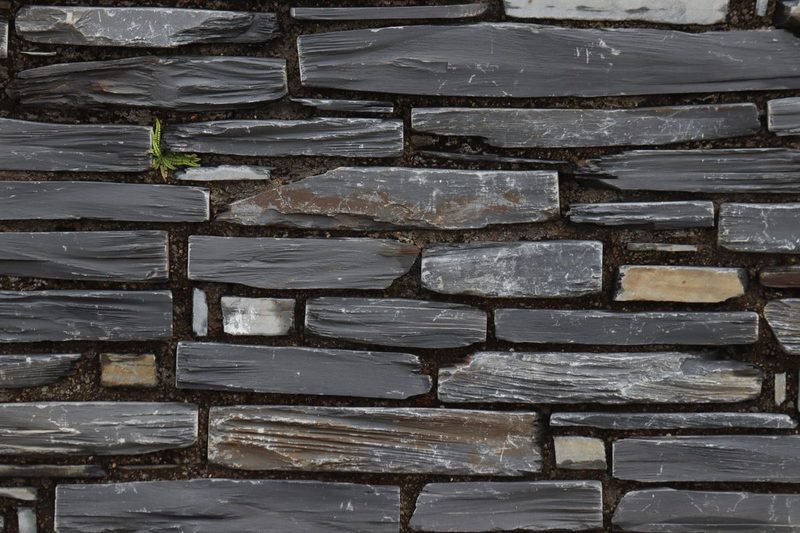
Chester sits about 50 miles from the big North Wales slate quarries, and for over a century that's where most of its slate came from. Welsh slate lasts, though. A decent slate can manage 100-150 years, and most failures on old terraces come from rusted nails or rotten battens rather than the slate itself. That's why reclaimed Welsh slate is so common round here - there's a steady supply from roofs being stripped across the North West.
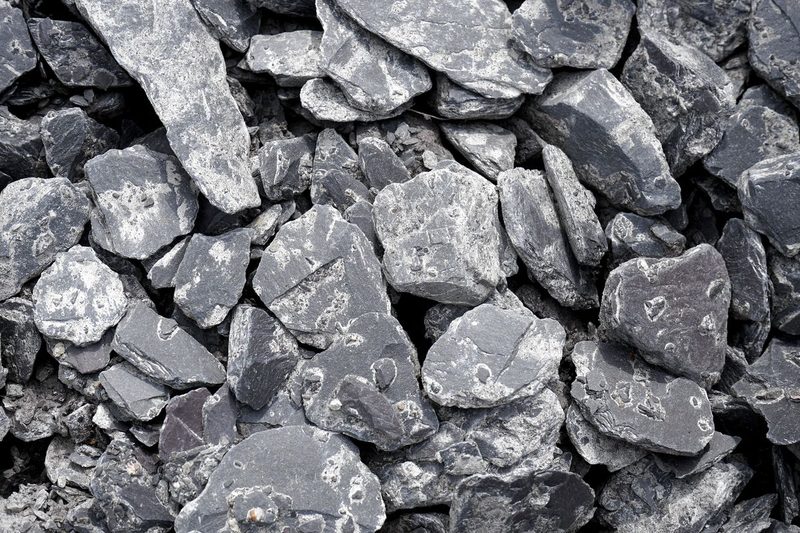
Reclaimed Welsh slate typically costs £1.50-£4 per slate in 2026, depending on size and grade. New Welsh slate is still quarried and costs more, roughly £3-£6 per slate, or £70-£120 per square metre for the material alone. Spanish and Brazilian slates are cheaper at £1-£2 each, but rarely look right next to 120-year-old Welsh slate.
The catch with reclaimed
Reclaimed slate isn't always the bargain it looks. Expect 10-20% to be cracked, delaminating or holed in the wrong place, so you buy extra. A good roofer will tap each slate - a clear ring means it's sound, a dull thud usually means it's not.
Clay Tiles and the North Wales Red Clay Tradition
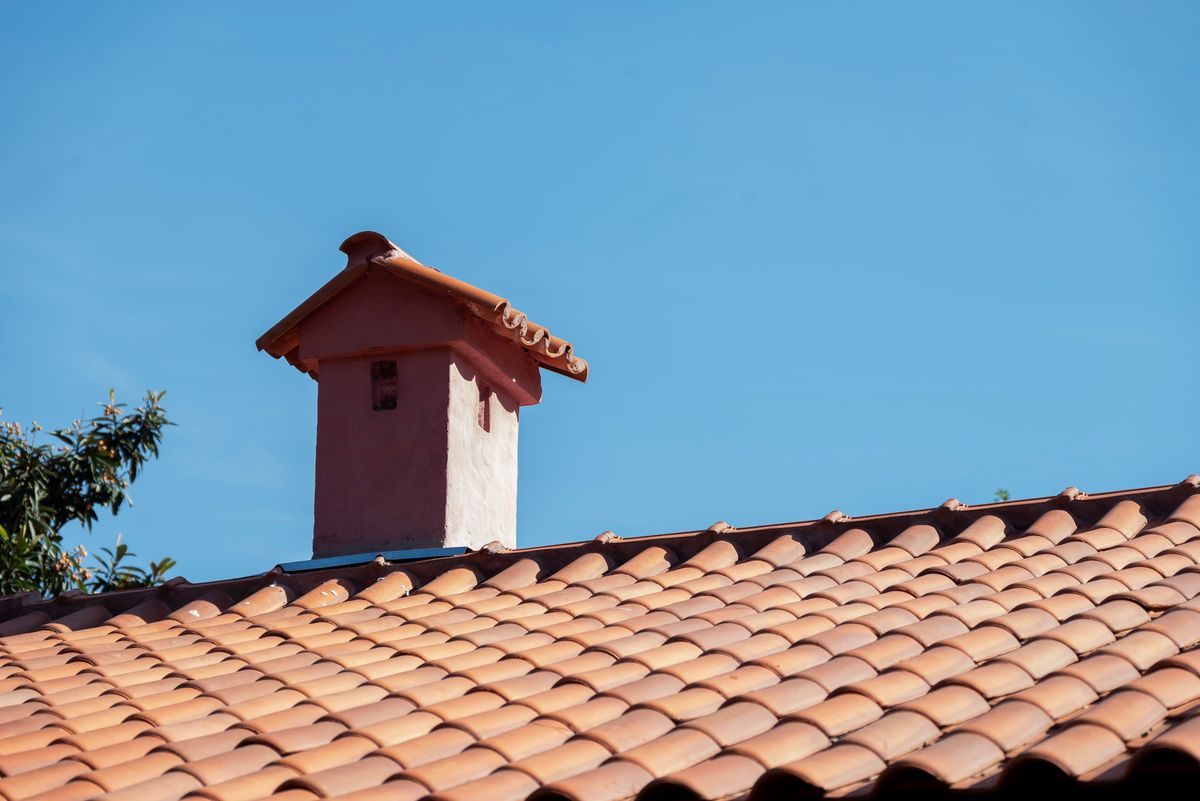
Red clay tiles on older Chester houses often came from the brick and tile works that sat along the border, with the Ruabon area being the best known for its hard red clay. They darken to a deep brown-red with age. Few of the original works still make roof tiles, so a perfect new match is rare.
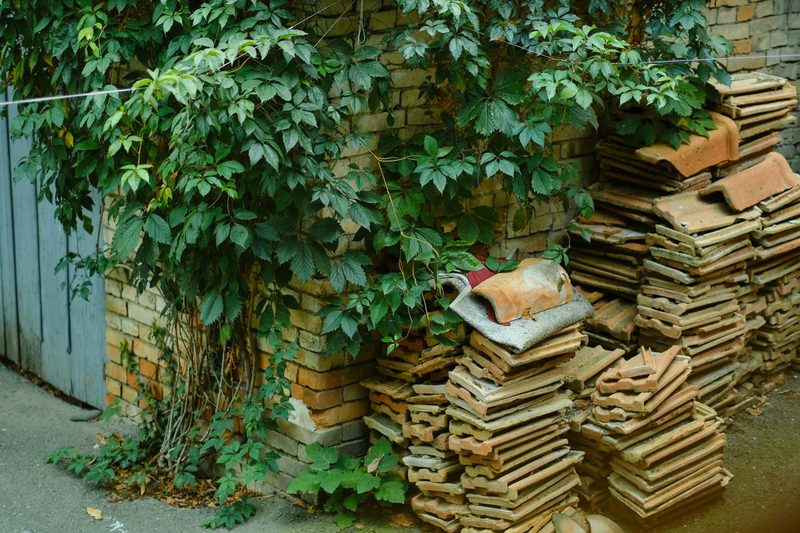
Reclaimed clay plain tiles typically cost £0.60-£1.50 each in 2026, with ornamental or fishscale tiles £2-£5 each. New machine-made clay tiles start at around £0.80-£1.20 each, and handmade ones run £1.50-£2.50. At about 60 tiles per square metre, a small patch adds up quickly.
Discontinued Concrete Interlocking Tiles
Concrete interlocking tiles were made in dozens of profiles from the 1950s onwards, and several older ones have been dropped. Because each tile hooks into its neighbour, you can't slot in something "close enough". Even a 3-4mm difference in the interlock will leave a gap or stop the tile sitting flat.
You've got four realistic options:
- Find a reclaimed tile of the same profile from a salvage yard, which works for maybe 50-70% of older profiles
- Use a modern "replacement" profile that a manufacturer designed to fit some older tiles, if one exists for yours
- Take tiles from a hidden part of the roof (see below)
- Re-tile one full slope in a current profile
Reclaimed concrete tiles are cheap, often £0.50-£1.50 each, but they've usually lost 20-40% of their surface granules and colour.
We've compared these materials in more depth in our guide to choosing roofing materials in Chester, if you're weighing up whether to switch when a slope needs redoing.
Conservation Areas and Listed Buildings
Chester has a lot of conservation areas and listed buildings, especially around the city centre. In those, the council expects matching materials, and swapping Welsh slate for concrete tiles may need permission. Listed buildings almost always need listed building consent for any change of material, and doing the work without it is a criminal offence.
Like-for-like repairs normally don't need planning permission. The Planning Portal's guidance on roof work explains where re-roofing stays within permitted development and where it doesn't. If you're in a conservation area or have an Article 4 direction on your street, check with Cheshire West and Chester Council's planning and building control team before ordering anything that isn't a close match.
For older or historic houses, the Society for the Protection of Ancient Buildings' advice pages explain why reusing original roofing material is usually the better option. In practice, conservation officers are usually fine with good-quality reclaimed Welsh slate or matching clay, and less happy with imported slate that's the wrong colour.
The "Back Slope" Approach and Partial Re-Roofs
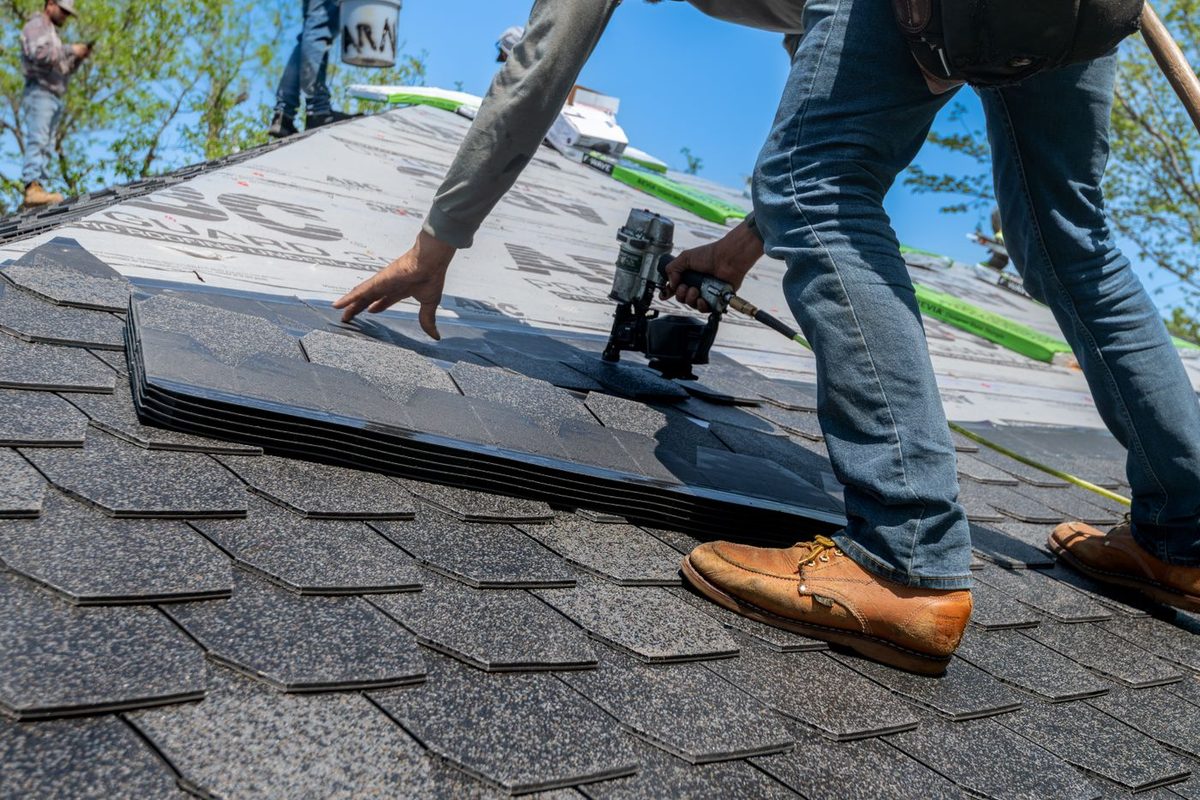
When nothing matches, the usual trick is to take sound tiles from a slope nobody looks at. On a Chester terrace, that means stripping the rear slope, using those originals to repair the front, then re-covering the back in new material. The street-facing side keeps its original look, and the back gets a new roof that'll last 40-60 years.
This makes sense when:
- More than 10-15% of the front slope needs replacing and no match exists
- The rear slope is hidden from public view, which matters in conservation areas
- The battens and underlay on the back are due for renewal anyway
Re-roofing the rear slope of a two-up two-down terrace in Chester usually costs £3,500-£7,000 in 2026, including scaffolding, new battens, breathable membrane and new tiles or slates. That's often cheaper than a full re-roof at £8,000-£14,000, and it solves the matching problem for good.
When a full re-roof is the honest answer
If the nails are failing across the whole roof and 20-30% or more of the tiles are cracked or slipped, patching just puts off the inevitable.
What Matching Tiles and Slates Costs in Chester in 2026
On top of the material prices above, rough 2026 figures for Chester look like this:
- Replacing 1-5 slates or tiles where a match is available: £150-£350
- Re-slating or re-tiling a small patch of 2-5 square metres: £500-£1,500
- Scaffolding for a two-storey terrace: £600-£1,200 for a typical 2-4 week hire
- Rear-slope re-roof using the "back slope" method: £3,500-£7,000
Labour is a big part of these figures. Skilled slaters in Cheshire are in short supply across Chester and the Wirral, so day rates of £200-£300 per roofer are normal. Waits of 2-6 weeks are common in autumn and winter. The National Federation of Roofing Contractors has a member search if you want a roofer who's been vetted for workmanship and insurance.
Frequently Asked Questions About Matching Roof Tiles in Chester
Can I use new slates to repair an old Welsh slate roof?
Yes, if they're the same size and a similar thickness. New Welsh slate is the closest match for colour, but it will look slightly fresher for years. Cheaper imported slate is usually a different colour and is best avoided on the front of the house.
How much does reclaimed roof slate cost in Chester?
In 2026, reclaimed Welsh slate typically costs £1.50-£4 per slate depending on size and grade. Plan to buy 10-20% extra to cover cracked or unusable slates.
What do I do if my concrete roof tiles are discontinued?
Look for reclaimed tiles of the same profile first, then check whether a manufacturer makes a modern replacement profile that fits. If neither works, take tiles from a hidden slope to repair the front and re-tile the back in a current profile.
Do I need permission to use different tiles in a Chester conservation area?
Like-for-like repairs don't usually need permission. Changing to a different material or a noticeably different look can, especially in a conservation area or on a listed building, so check with Cheshire West and Chester Council first.
Ready to work with Chester Roofers & Contractors?
Let's connect! We’re here to help.
Send us a message and we’ll be in touch.
Or give us a call today at 01244 740253
Agency Contact Form
More Marketing Tips, Tricks & Tools
Chester Roofers & Contractors