Why Ignoring a Small Roof Leak in Chester Can Lead to Major Repair Costs
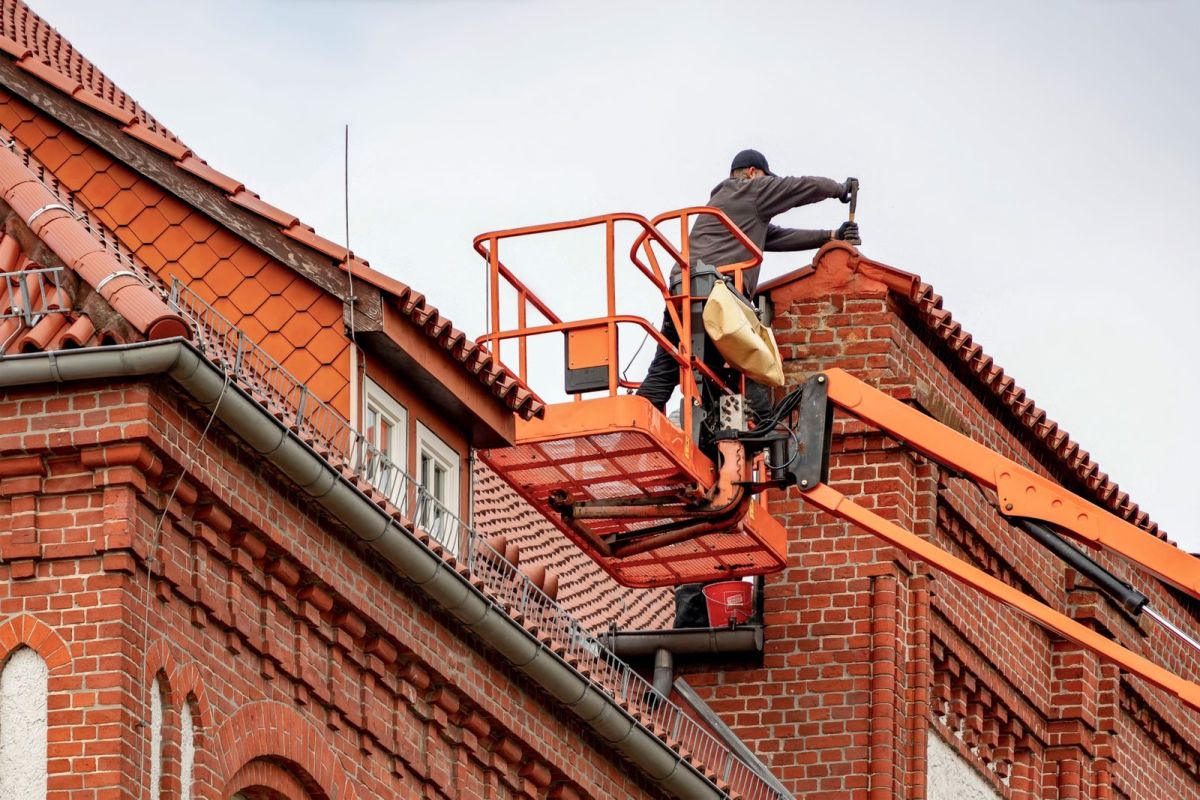
n Chester, one of the most common roofing problems homeowners face is delaying repairs for what initially appears to be a small leak. A slight damp patch on a ceiling or a drip in the loft may not seem serious at first, especially during the warmer months. However, roofing contractors across Chester regularly see minor leaks turn into major structural problems after being left untreated for too long.
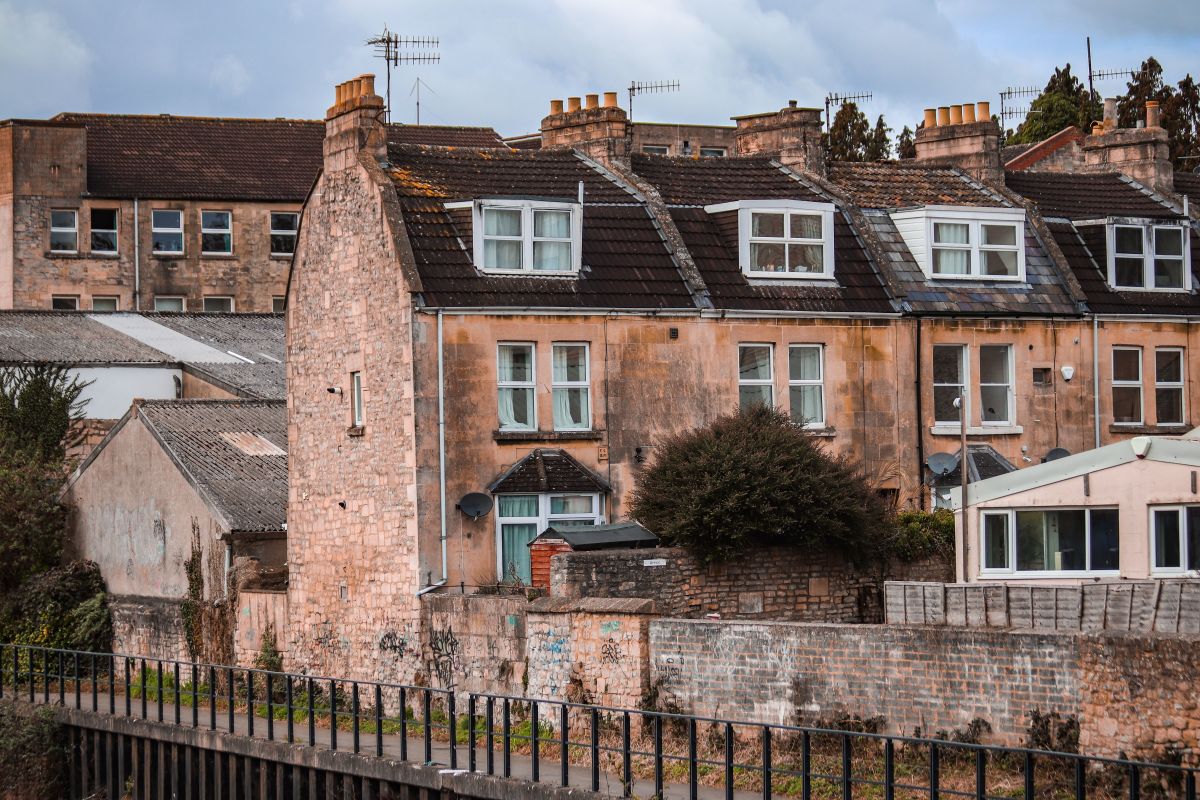
From Victorian terraces in Hoole and Handbridge to older period homes near the city centre and newer family properties in Huntington and Upton, roofers throughout Chester often deal with water damage that could have been prevented with early intervention.
What Causes Chimneys to Deteriorate Faster in Chester
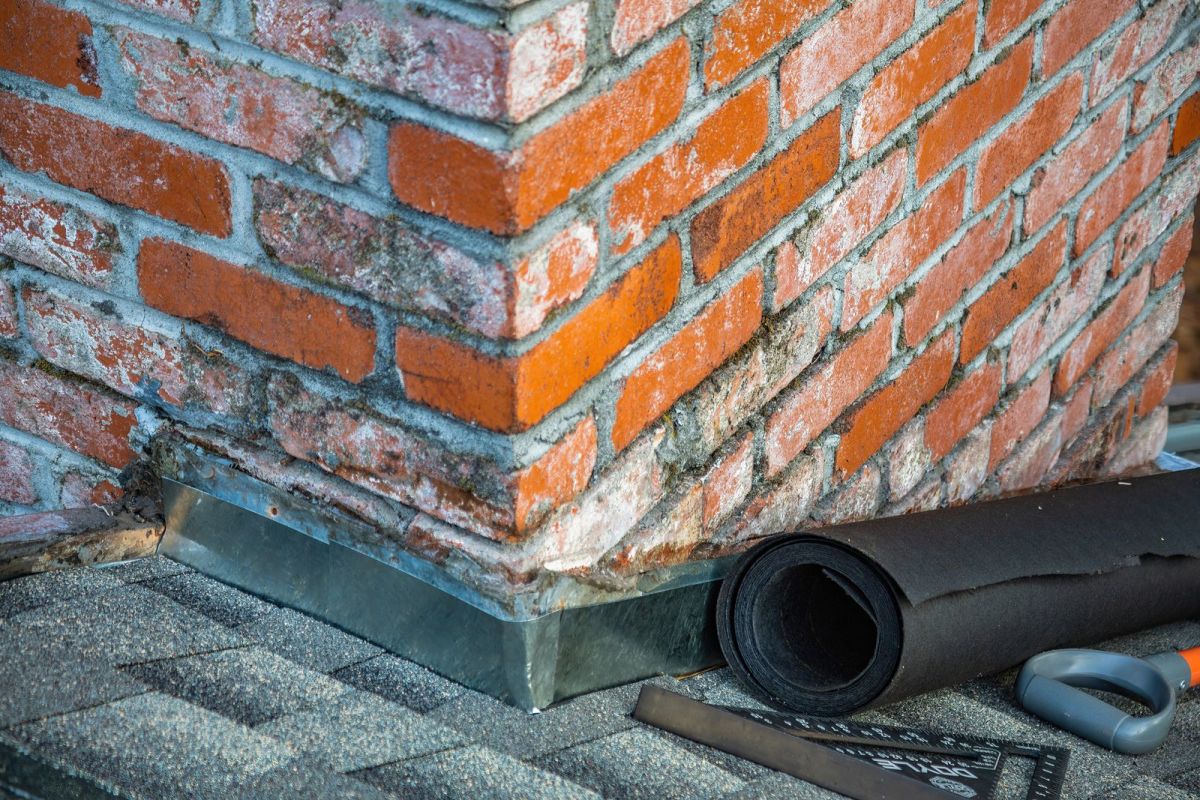
Because of Chester’s climate, chimney problems are very common. The area experiences high levels of rainfall during the year, and chimneys sit totally exposed above the roof level where they will absorb moisture from all sides.
If water enters the brickwork or joints, freezing temperatures can make the problem even more serious. During colder conditions, moisture that has been trapped can expand and slowly weaken the overall structure. Professionals explain that chimneys are one of the most vulnerable parts of an ageing roof because they constantly face exposure to wind, frost, and heavy rain.
It is not commonly known that many period houses in Chester were also constructed using softer traditional bricks and lime mortar instead of the modern cement materials that are now used. Although these older materials do work well on historic buildings, they naturally age over time and require
maintenance that is considered to be specialist.
Why Chester’s Climate Makes Roof Leaks Worse
Chester experiences a damp climate for much of the year, with annual rainfall averaging approximately 750–850mmacross Cheshire. The city’s position near the River Dee and its exposure to Atlantic weather systems means properties regularly face prolonged wet conditions, particularly throughout autumn and winter.
Frequent rainfall combined with cold temperatures can quickly worsen even the smallest roofing issue. Once water enters through cracked tiles, damaged flashing, blocked gutters, or ageing roofing felt, moisture can begin spreading into loft spaces and wall cavities long before it becomes visible indoors.
Roofing specialists in Chester often explain that by the time homeowners notice stains or damp internally, water may already have caused hidden damage to insulation, plasterwork, and timber roof structures.
Hidden Problems Small Roof Leaks Can Cause
Rotting Roof Timbers
One of the biggest risks associated with untreated leaks is timber rot. Constant exposure to moisture gradually weakens roof supports and rafters, particularly in older Chester properties where original roof timbers may already be decades old.
If structural timbers become badly affected, sections of the roof may eventually require extensive repair or replacement. According to UK housing repair data, water damage remains one of the leading causes of serious structural roof repairs nationwide.
Damp and Mould Growth
Chester’s damp climate also creates ideal conditions for mould growth once moisture enters a property. Even relatively minor leaks can eventually lead to:
- Damp patches spreading across ceilings
- Black mould forming on walls or plaster
- Peeling paint and wallpaper
- Persistent musty smells
The NHS has repeatedly warned that prolonged exposure to damp and mould can contribute to respiratory conditions, especially for children, elderly residents, and people with asthma.
Higher Energy Bills
A leaking roof can also affect a home’s energy efficiency. Once loft insulation becomes damp, it loses much of its ability to retain heat properly.
This can result in:
- Increased heating costs
- Colder rooms during winter
- Reduced energy efficiency throughout the property
With energy prices remaining high across the UK, even a small leak can gradually increase household bills over time.
Flat Roofs Are Particularly Vulnerable in Chester
Flat roofs are commonly found on extensions, garages, and commercial properties throughout Chester. Roofing contractors regularly report that standing water is one of the main causes of flat roof failure in the area, particularly after periods of heavy rain.
Older felt roofing systems are especially vulnerable once seams or cracks begin to fail. Water can spread underneath the surface for months before internal signs become obvious.
Signs a Roof Leak May Be Getting Worse
Homeowners in Chester should arrange a professional roof inspection if they notice:
- Damp patches on ceilings
- Water stains around chimney breasts
- Dripping in loft spaces
- Sagging plasterboard
- Mould growth upstairs
- Missing or slipped roof tiles after storms
These warning signs often indicate that water has already been entering the property for some time.
Why Older Chester Homes Need Extra Attention
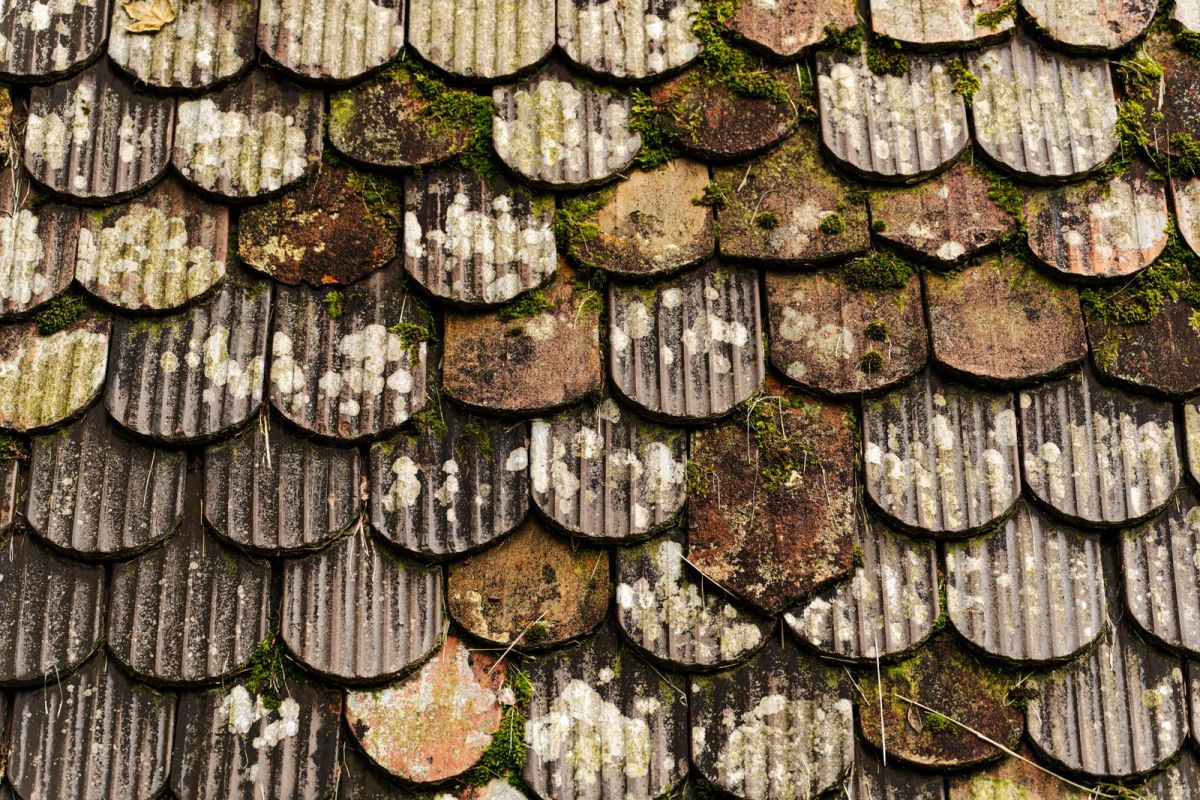
Many of Chester’s properties were built decades ago using traditional roofing materials that naturally deteriorate over time. Areas with older housing stock, such as Boughton, Hoole, and parts of Handbridge, often require more regular roof maintenance because ageing tiles, mortar, and flashing are more vulnerable to weather damage.
Conservation areas within Chester can also make repairs more specialist, particularly where traditional roofing materials need to be preserved.
Conclusion
In Chester’s damp and unpredictable climate, ignoring a small roof leak can quickly lead to expensive structural problems. What begins as a relatively minor issue can eventually affect roof timbers, ceilings, insulation, and indoor air quality if left unresolved.
Fortunately, many roofing problems can be repaired relatively easily when caught early. By arranging regular inspections and addressing leaks promptly, Chester homeowners can help protect their property, reduce long-term repair costs, and avoid much larger structural issues in the future.
Ready to work with Chester Roofers & Contractors?
Let's connect! We’re here to help.
Send us a message and we’ll be in touch.
Or give us a call today at 01244 740253
Agency Contact Form
More Marketing Tips, Tricks & Tools
Chester Roofers & Contractors