Walk out of Chester station towards the A41 and you pass through a hundred years of house building in about two miles. Hoole comes first, a railway suburb of Victorian and Edwardian terraces roofed mostly in Welsh slate. Newton is next, mostly built from the 1930s onwards, with council housing and ex-council semis under concrete tiles. Then Upton-by-Chester, where interwar semis, postwar estates and a Victorian villa estate sit within a few streets of one another. Roof repairs in Hoole, Newton and Upton depend on which of those eras your house belongs to, because each kind of roof fails in its own way. In 2026 most jobs here cost somewhere between £180 and £900, scaffolding comes on top of that for chimney and ridge work, and two of the three areas include conservation areas. This guide goes through the suburbs one at a time.
Three Suburbs, Three Generations of Roof
It helps to know roughly when your house went up, because that tells a roofer what is likely to be under the slates or tiles before they climb a ladder. Hoole was built mainly between the 1850s and the early 1900s. Newton grew after 1936, when Hoole Urban District Council took over 288 acres of Newton's land for building. Upton grew in fits and starts: ribbon development along the main roads first, then estates, then a big push after the Second World War that used up nearly all the remaining building land.
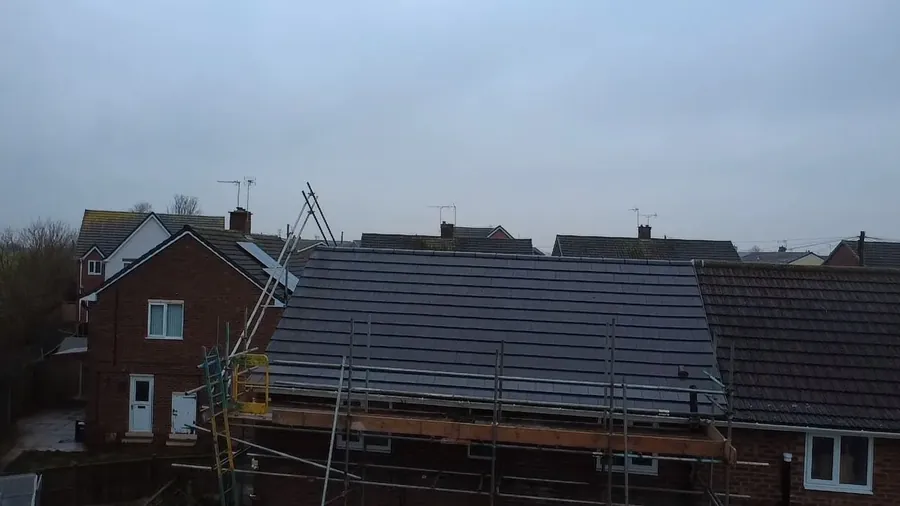
The faults follow those dates more closely than you might expect. Victorian slate roofs lose their nails, Edwardian bay fronts leak at the lead, interwar roofs go at the mortar, and postwar concrete-tiled roofs usually hold out until the felt under them gives up. None of this is guaranteed for any one house, but it tells you what to ask about. If you'd like the full list of what we repair, our roof repairs service page covers it, and the sections below go suburb by suburb.
Hoole's Victorian and Edwardian Slate Roofs
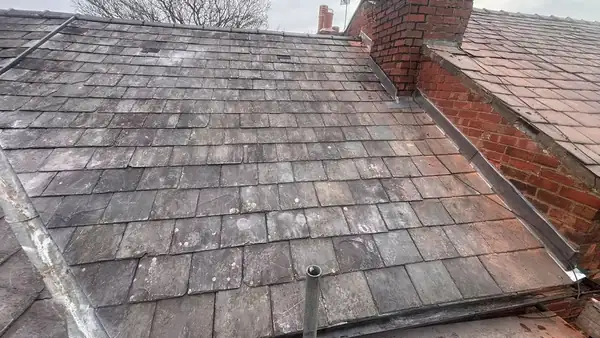
The railway reached Chester in 1840 and Hoole followed, first around Faulkner Street and then spreading south-west in rows of fairly modest terraces through the late 1800s. Most of those houses were roofed in Welsh slate, nailed to timber battens, often with no felt underneath at all. Slate can last well over a century. The iron nails holding it rarely do.
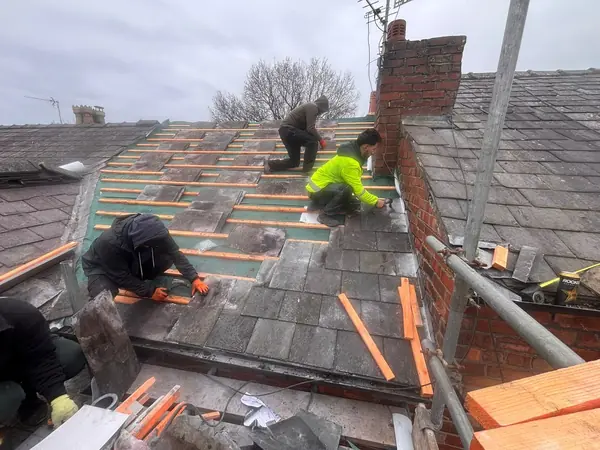
When the nails corrode, slates start sliding out of place one or two at a time with no storm to blame. Roofers call it nail sickness. A few slates refixed with copper or stainless clips costs around £180 to £400, but once it has spread across a whole slope you are looking at stripping and relaying that section, typically £600 to £1,500. On Hoole terraces, these are the other spots we'd look at first:
- Rear outriggers. The two-storey back extensions on many terraces have their own small slate roof, often with a lead valley or gutter where it meets the neighbour's. Leaves collect there and the lead splits.
- Shared chimney stacks. One stack often serves two houses, so the flashing and pointing are a shared job and a shared bill.
- Bay window roofs. Edwardian double-height bays are usually lead or slate over a timber frame, and a split in the lead tends to show up as a damp patch over the front window.
Plenty of the bigger Hoole houses have also been split into flats over the years. If yours is one of them, our guide to roof repairs on flats in Chester and who pays for them explains how the bill is shared.
Hoole Road and Flookersbrook: Repairs in a Conservation Area
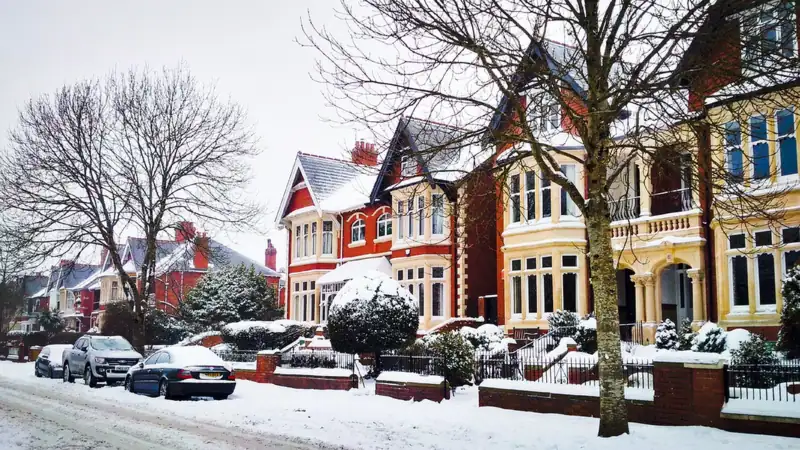
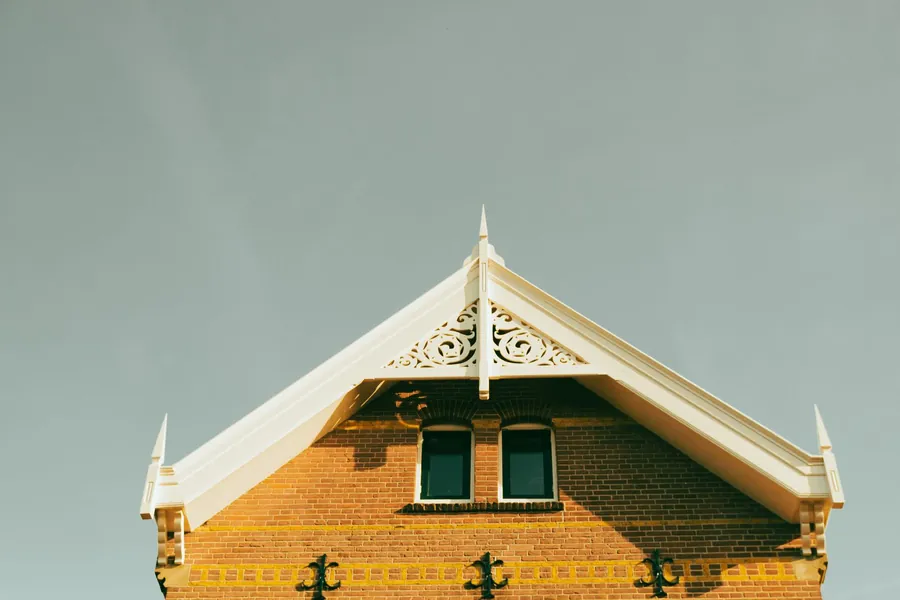
Two parts of Hoole are protected. Hoole Road and Flookersbrook are both on Cheshire West and Chester Council's list of conservation areas, and the council's own characterisation study is quite specific about the roofs. The north side of Hoole Road has late Victorian red-brick villas with gable fronts and double-height bays, roofed mainly in slate. The south side is older, brown-brick terraces from the mid-1800s. Around Ashby Place there are early and mid-19th-century cottages and black-and-white gabled villas with tall chimney stacks.
For most repairs the conservation area makes little practical difference. Refixing slates, relaying lead or repointing a stack in matching materials doesn't need permission. The rules matter when you change how the roof looks from the street: swapping slate for concrete tiles, fitting rooflights on the front slope, or taking a chimney down. The government's permitted development technical guidance for householders sets out where conservation areas reduce what you can do without an application. A few buildings along Hoole Road are listed as well, and on those even a modest change can need listed building consent.
Gables, bargeboards and finials
The villas have their own repair list. Timber bargeboards on the gables rot from the top edge where the slates overhang them, finials work loose, and the decorative ridge tiles some villas have are hard to replace. Matching those details costs more than standard work, so budget for it and give the roofer time to find reclaimed pieces.
Newton: Postwar Estates and Concrete Tiles
Newton was mostly pasture until the 1930s. A few houses already stood on the east side of Newton Lane by 1931, and once Hoole's council had the land the estates came in stages. Queensway, for one, was started as the war broke out and not finished until the late 1950s. Much of Newton today is a large council estate, now run by Chester and District Housing Trust, alongside a good number of homes bought under right to buy.
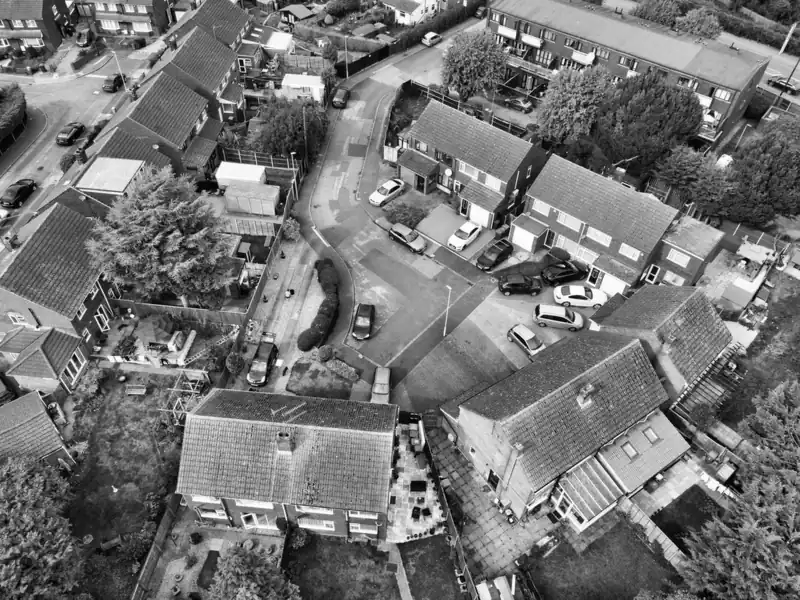
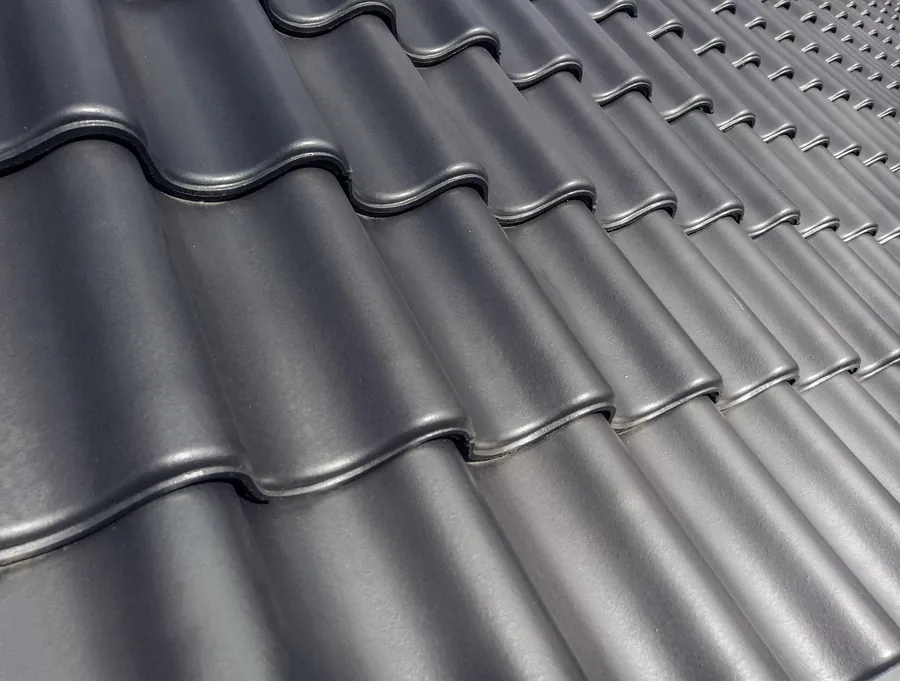
Most of those houses have concrete interlocking tiles. They are heavy, ugly to some eyes and nearly indestructible, so the faults are almost always in the bits around them. Bitumen felt underlay from that period goes brittle and tears at the eaves, which lets wind-driven rain into the bottom of the roof and rots the fascia. Mortar along the verges and ridge cracks and drops out. Flat-roofed porches, garages and back extensions leak long before the main roof does. Older garage and shed roofs on postwar estates are sometimes asbestos cement sheeting, so get anything like that identified before anyone cuts or drills it.
If you rent from the housing trust, report roof problems to them, because the repair is normally theirs to arrange. If you own an ex-council semi, remember the ridge runs across both halves. A ridge re-bedded on your side only can leave a weak joint at the party line, so it's worth talking to next door before the scaffold goes up.
Upton-by-Chester: Interwar Semis and the Upton Park Estate
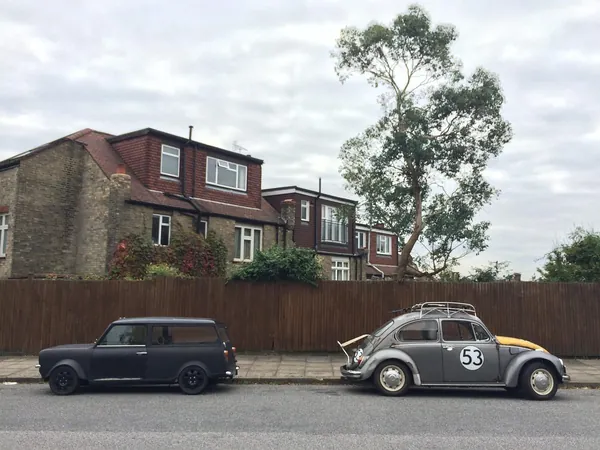
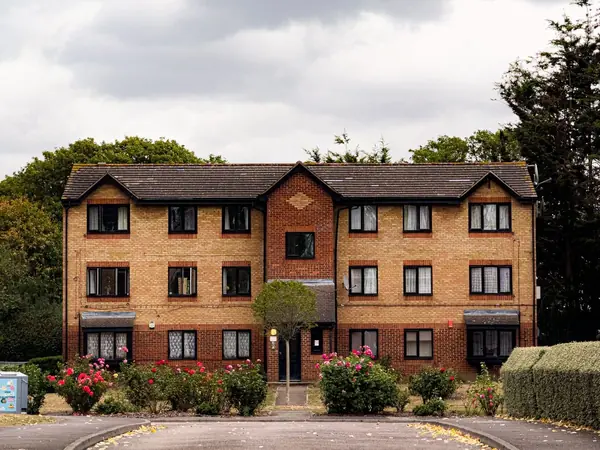
Upton grew from a village of 1,769 people in 1901 to more than 6,000 by 1951, and a lot of that growth was semis. Interwar ones usually have hipped roofs, clay or early concrete tiles, and bay windows with their own small roof or tile-hung front. Postwar estates filled most of the remaining land after that, along the east and north sides of the golf course.
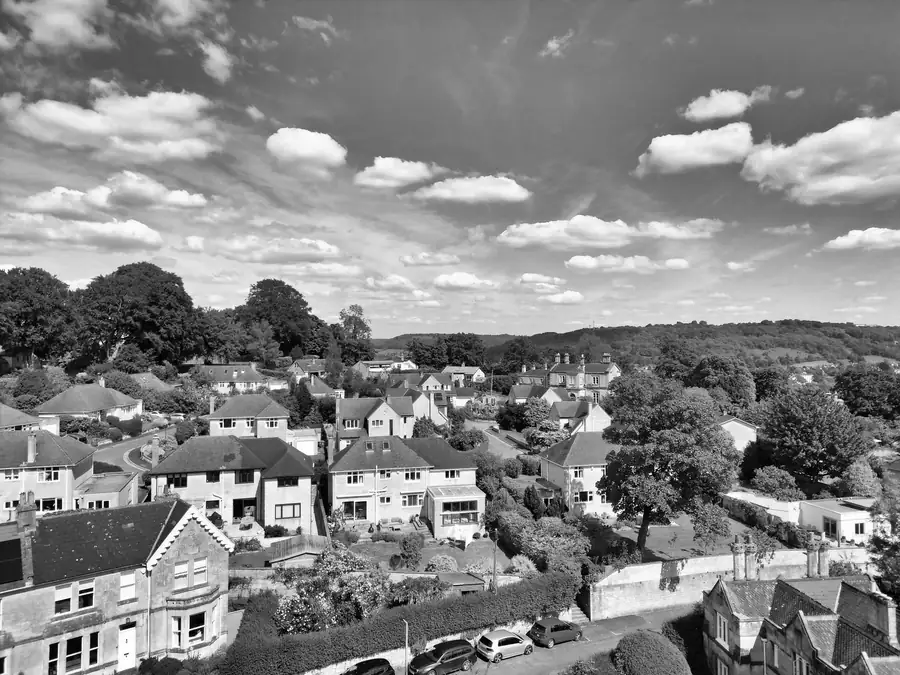
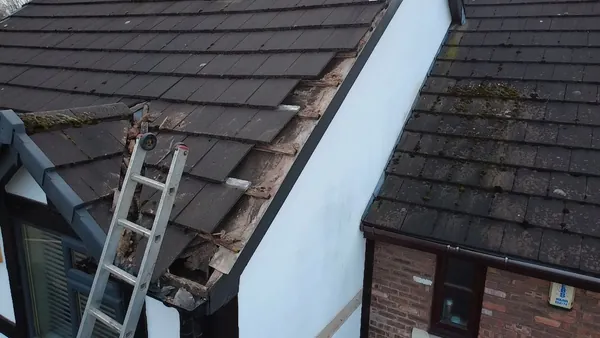
On a hipped 1930s roof, the hips and ridge are where most of the trouble starts. Each hip tile sits on a bed of mortar, and after 80 or 90 years of frost that mortar is often loose enough to lift out by hand. Re-bedding usually costs £300 to £700 on a semi. A mechanical dry-fix system costs a bit more and doesn't need re-pointing again in ten years. Clay plain tiles of that age also shed their nibs, the little lugs that hook over the battens, so tiles slip even though the tile itself looks fine.
Upton also has a conservation area. Upton Park is a private estate laid out in the mid-1800s around an oval road, first designated as a conservation area in 1999. The council's appraisal notes that its pre-war houses are roofed in slate or clay tile, and at that point (2008) listed no Article 4 directions. The same applies here as on Hoole Road: like-for-like repairs are fine, and visible changes to the roof need checking with the council first.
What Roof Repairs Cost Across Hoole, Newton and Upton in 2026
The figures below are rough guides for a typical terrace or semi in north-east Chester. Access matters as much as the fault itself. A ladder job on a single-storey outrigger is cheap, and anything on a two-storey chimney or ridge usually needs a scaffold.
- A few slipped slates or tiles refixed: about £180 to £400
- Ridge or hip tiles re-bedded on a semi: about £300 to £700
- Lead flashing re-dressed round a chimney: about £400 to £900
- Lead valley or outrigger gutter relined on a terrace: about £500 to £1,200
- Part of a nail-sick slate slope stripped and relaid: about £600 to £1,500
- Scaffolding for chimney or ridge access: about £600 to £1,200 extra
When you compare quotes, check each one says how the work will be done, not just the price. Ask what fixings will go into the slates, whether new lead will be the right code for the job, and whether the scaffold is included. Membership of a trade body such as the National Federation of Roofing Contractors is one more thing you can check. On a conservation-area house, ask the roofer to say in writing which materials they will match.
Frequently Asked Questions About Roof Repairs in Hoole, Newton and Upton
Do I need permission to repair my roof in the Hoole Road or Flookersbrook conservation areas?
Not for a straightforward like-for-like repair, such as refixing slipped slates or renewing lead in the same material. Permission comes into it when you change how the roof looks, for example swapping natural slate for concrete tiles, adding rooflights to a slope that faces the road or taking down a chimney. If the building is listed, even small changes can need listed building consent. Cheshire West and Chester Council's conservation and design team can confirm what applies to your address.
How much does a typical roof repair cost in Hoole, Newton or Upton?
Small jobs on a semi or terrace, such as replacing a few slates or tiles, usually run from about £180 to £400 in 2026. Re-bedding a ridge on a 1930s or postwar semi is roughly £300 to £700, and re-dressing lead around a chimney £400 to £900. Scaffolding, which most two-storey chimney and ridge work needs, adds roughly £600 to £1,200.
I rent my Newton house from a housing association. Who fixes the roof?
If you are a tenant of Chester and District Housing Trust or another social landlord, the roof is normally the landlord's responsibility, so report the problem to them rather than booking a roofer yourself. If you bought your house, the roof is yours, and on a semi the ridge and any shared chimney are usually shared with next door.
Why do 1930s semis in Upton and Newton leak at the hips and ridge?
Most interwar roofs had their ridge and hip tiles bedded in sand and cement mortar. After 80 or 90 years of frost and wind the mortar cracks and falls out, the tiles loosen and rain gets in at the top of the roof. Re-bedding or fitting a mechanical dry ridge fixes it, and it is worth having the tiles checked for slipping while someone is up there.