Chimney Removal in Chester: Costs, Building Regs, and What's Involved
Plenty of Chester homeowners are sitting under a chimney they haven't used in years - a redundant stack quietly letting heat escape, collecting damp, and taking up loft or bedroom space. Removing it can free up room and cut maintenance, but it's more involved than it looks from the pavement. A partial chimney removal in Chester typically costs £600 to £1,500, while a full removal down through every floor runs £1,500 to £3,500 or more once scaffolding, structural support, and making good are added in. Around 1 in 3 chimney-related jobs on older properties uncover something unexpected once work starts, from crumbling flaunching to a shared flue with next door. With Chester's housing stock leaning heavily on Victorian terraces with tall shared stacks, and the North West seeing roughly 900mm of rain a year working away at exposed brickwork, redundant chimneys here are a common and often sensible thing to deal with. Here's what removal actually involves and costs.
What Chimney Removal Costs in Chester
Costs depend almost entirely on how much of the chimney comes out. Removing just the stack above the roofline - the most common job - typically costs £600 to £1,200 in Chester, including scaffolding, taking the brickwork down, and re-tiling the roof where the stack was. Removing the breast inside the house as well, floor by floor, pushes the total to £1,500 to £3,500, and a full removal on a three-storey townhouse can exceed £4,000.
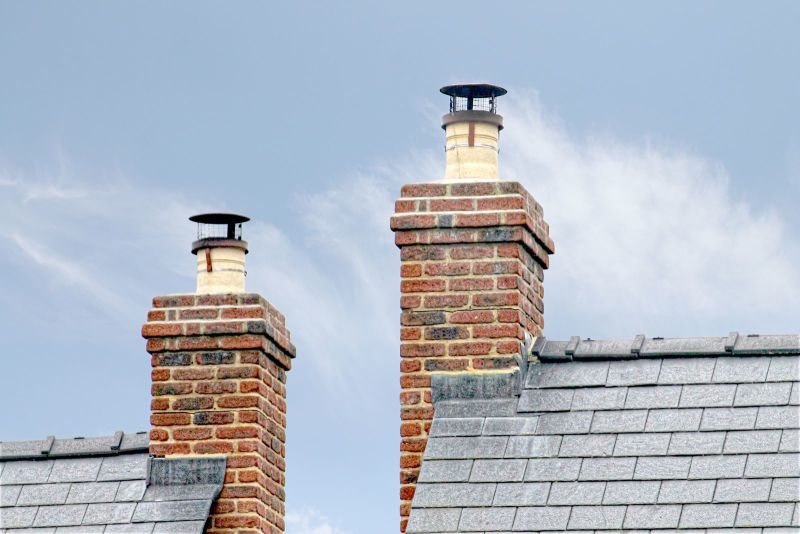
Scaffolding is a fixed cost that surprises people - expect £500 to £900 of any stack-removal bill to be access alone, since you can't safely dismantle a chimney from a ladder. The wet North West climate also means roofers need a dry-ish spell to open up and re-cover the roof cleanly, which can affect scheduling.
If you're not sure whether you need the whole chimney gone or just the redundant stack capping off, Chester Roofers & Contractors can advise on the cheapest sensible option before you commit - sometimes a proper cap and vent solves the problem for a few hundred pounds instead of thousands.
Full Removal vs Just Taking Down the Stack
There are really three levels of chimney removal, and knowing which you need saves a lot of money. Capping the stack keeps the chimney but seals and ventilates it - cheapest, and often enough. Removing the stack takes the brickwork down to roof level and re-tiles over it, leaving the breast inside untouched. Full removal takes out the breast through every floor and up through the roof.
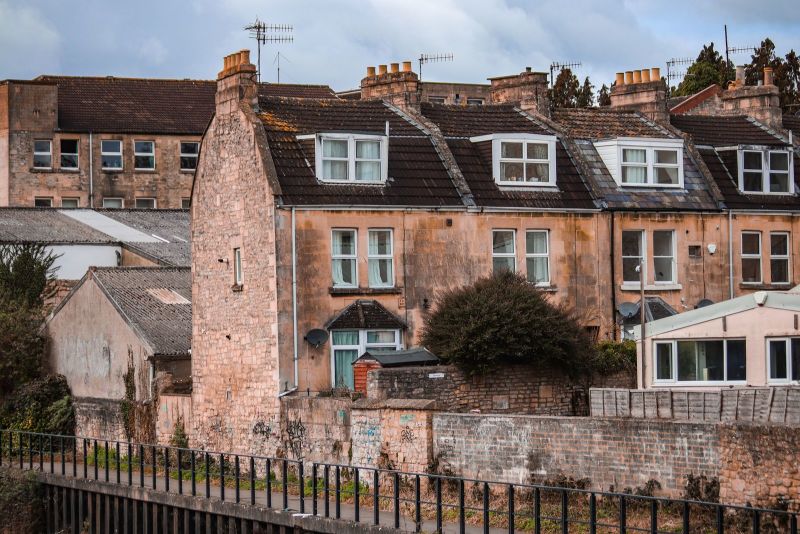
Taking down just the stack is the most popular choice because it removes the maintenance headache - the exposed, weather-beaten part - while avoiding the disruption of opening up floors and walls inside. Roughly two-thirds of removal jobs stop at the stack for exactly this reason.
Full internal removal makes sense when you want the floor space back, typically in a bedroom or chimney-breast alcove, or when the breast is causing damp. It's the bigger, messier, pricier job, but it's the only one that actually reclaims living space. We go into related roof decisions in our guide to roof repair versus replacement in Chester, which is worth a read if the roof over the old stack is also tired.
Building Regulations You Can't Skip
Chimney removal is notifiable work under building regulations, and this is where DIY-minded homeowners get caught out. A chimney breast is often load-bearing, or at least helps support the brickwork and breasts above it, so removing a section on a lower floor without proper support can leave the remaining chimney - and sometimes part of the wall - unsupported.
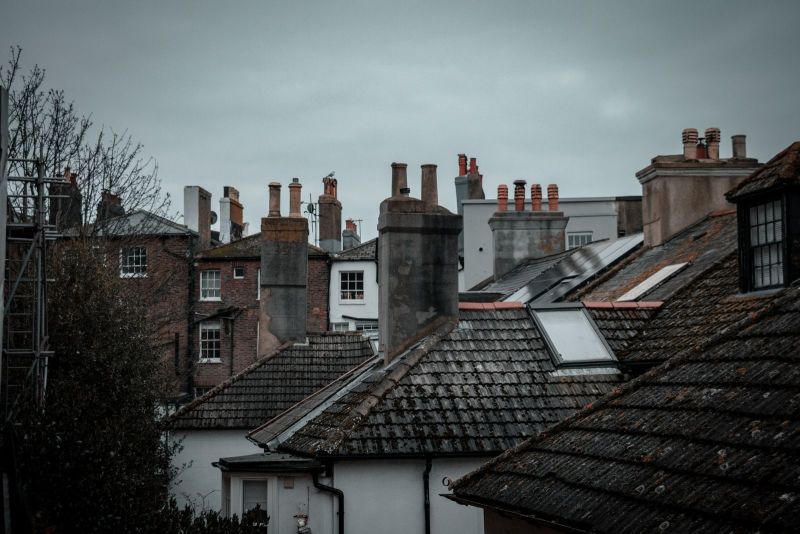
The regs require that any retained upper section is adequately supported, usually with steel beams (gallows brackets are no longer accepted by most building control for this) and that a building control officer signs the work off. Cutting this corner causes serious problems later: it's exactly the kind of thing that shows up on a survey and stalls a house sale. The government's overview of when building regulations approval is needed explains the notification process.
Getting a completion certificate matters as much as the physical work. Around 1 in 5 buyers' solicitors query undocumented structural alterations, so keeping the building control sign-off protects the property's value. Any competent Chester contractor will handle the building control notification as standard.
Party Walls and Chester's Terraced Stacks
Much of Chester's older housing is terraced, and terraced chimneys are frequently shared - two neighbouring flues rising in one stack that straddles the party wall. This is where chimney removal gets legally sensitive, because work on or near a shared structure falls under the Party Wall etc. Act 1996.
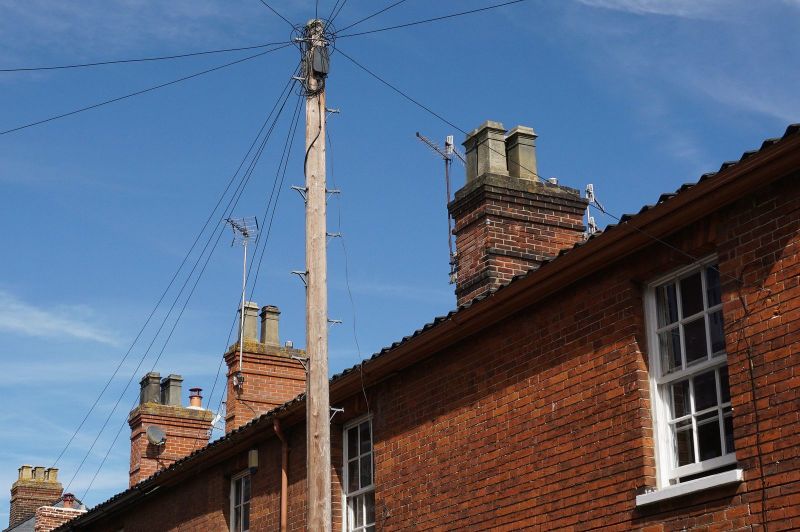
If your chimney breast or stack is part of a party wall, you generally need to serve notice on your neighbour before work begins - typically at least two months for the wall itself. Removing your half of a shared stack can also expose your neighbour's flue to weather, so the work has to leave their side properly weatherproofed and supported, which adds cost and coordination.
This catches a lot of Chester homeowners by surprise, so it's worth establishing early whether your stack is shared. A good contractor will spot a shared flue from the pot arrangement and factor the party wall steps and weatherproofing into the quote rather than discovering it halfway through.
Making Good: The Part People Forget
The demolition is only half the job - putting everything back is where quality shows. Where a stack comes off, the roof has to be re-battened, re-felted, and re-tiled or re-slated to match, with new lead flashing worked in so the patch is invisible and watertight. On Chester's Welsh slate roofs, matching reclaimed slate to the existing covering is part of doing it properly rather than leaving an obvious concrete-tile scar.
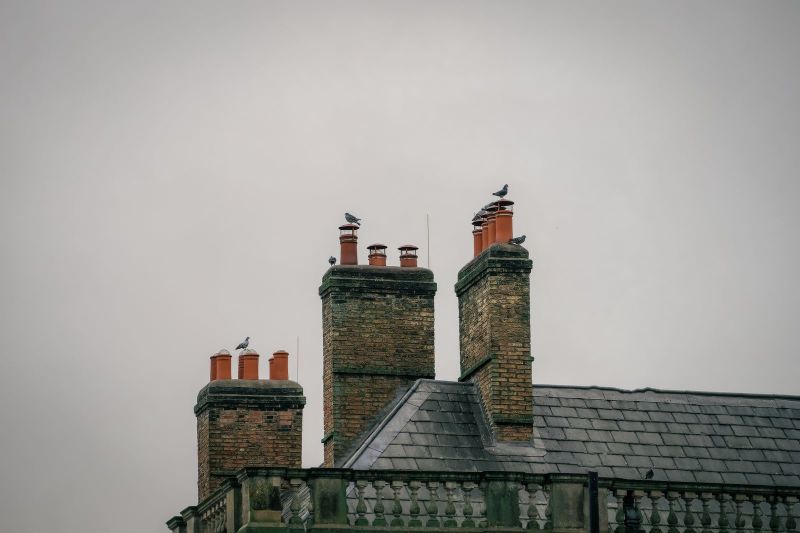
Inside, a full breast removal leaves holes in floors, walls, and ceilings that need joists piecing in, plastering, and often redecoration across the affected rooms. This making-good work is frequently underestimated in cheap quotes - expect £300 to £900 of a full-removal bill to be re-plastering and finishing alone.
Given the North West's roughly 900mm of annual rain, the roof-level making good is not somewhere to cut corners. A poorly flashed patch where a stack used to be is a classic slow leak that rots timbers over a wet Cheshire winter, so insist on proper lead flashing rather than mortar fillets or sealant.
Older and Listed Homes in Chester
Chester's large historic core means many chimneys sit on listed buildings or within conservation areas, and these come with real restrictions. On a listed property, removing a chimney - even a redundant one - can need listed building consent, because chimneys are often considered part of the building's character and roofline. Removing one without consent is a criminal offence, not just a planning slip.
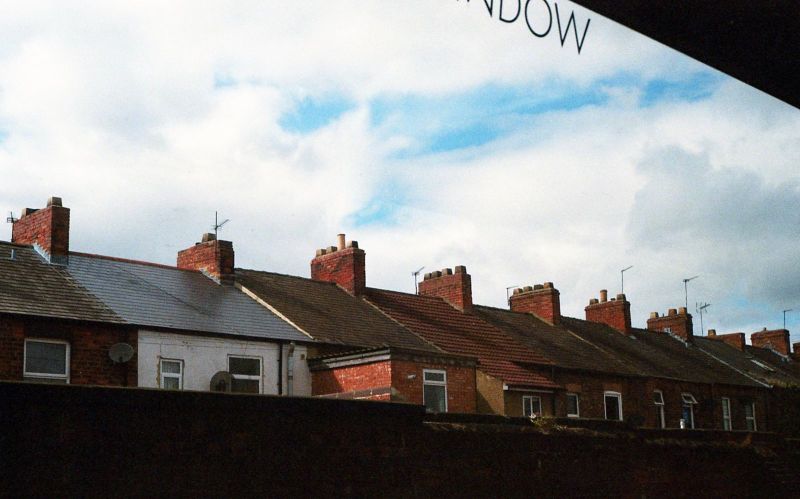
Within a conservation area, chimneys contribute to the streetscape, and permitted development rights are often restricted, so consent from Cheshire West and Chester Council may be required even on an unlisted home. Around a third of Chester's older housing sits in areas where the roofline carries planning weight, so a quick check with the council before removal is time well spent.
Choosing a contractor who understands these constraints - and who you can check against TrustMark, the government-endorsed quality scheme- keeps you on the right side of the rules. Chester and the wider Cheshire area have a healthy supply of roofing and building trades, so you can afford to pick one who knows the local planning picture rather than the cheapest quote.
---
FAQ
Q: How much does chimney removal cost in Chester?
A: Removing just the stack above the roofline typically costs £600 to £1,200 in Chester in 2026, including scaffolding and re-tiling. A full removal that takes out the breast through every floor runs £1,500 to £3,500, and can exceed £4,000 on a three-storey townhouse once structural support and making good are included.
Q: Do I need building regulations approval to remove a chimney in Chester?
A: Yes. Chimney removal is notifiable work because the breast is often load-bearing. Any retained upper section must be properly supported, usually with steel beams, and a building control officer must sign the work off. Keeping the completion certificate protects your property's value when you come to sell.
Q: Can I remove a shared chimney in a Chester terrace?
A: If the chimney is part of a party wall, which is common in Chester terraces, you generally need to serve notice on your neighbour under the Party Wall etc. Act 1996 - usually at least two months ahead. Removing your half must leave the neighbour's flue weatherproofed and supported.
Q: Do I need permission to remove a chimney on a listed building in Chester?
A: Yes. On a listed building, removing even a redundant chimney can require listed building consent, and doing so without it is a criminal offence. Within Chester's conservation areas, consent from Cheshire West and Chester Council may also be needed on unlisted homes because the roofline affects the streetscape.
---
Ready to work with Chester Roofers & Contractors?
Let's connect! We’re here to help.
Send us a message and we’ll be in touch.
Or give us a call today at 01244 740253
Agency Contact Form
More Marketing Tips, Tricks & Tools
Chester Roofers & Contractors