Roof Survey Costs in Chester: What's Checked and When You Need One
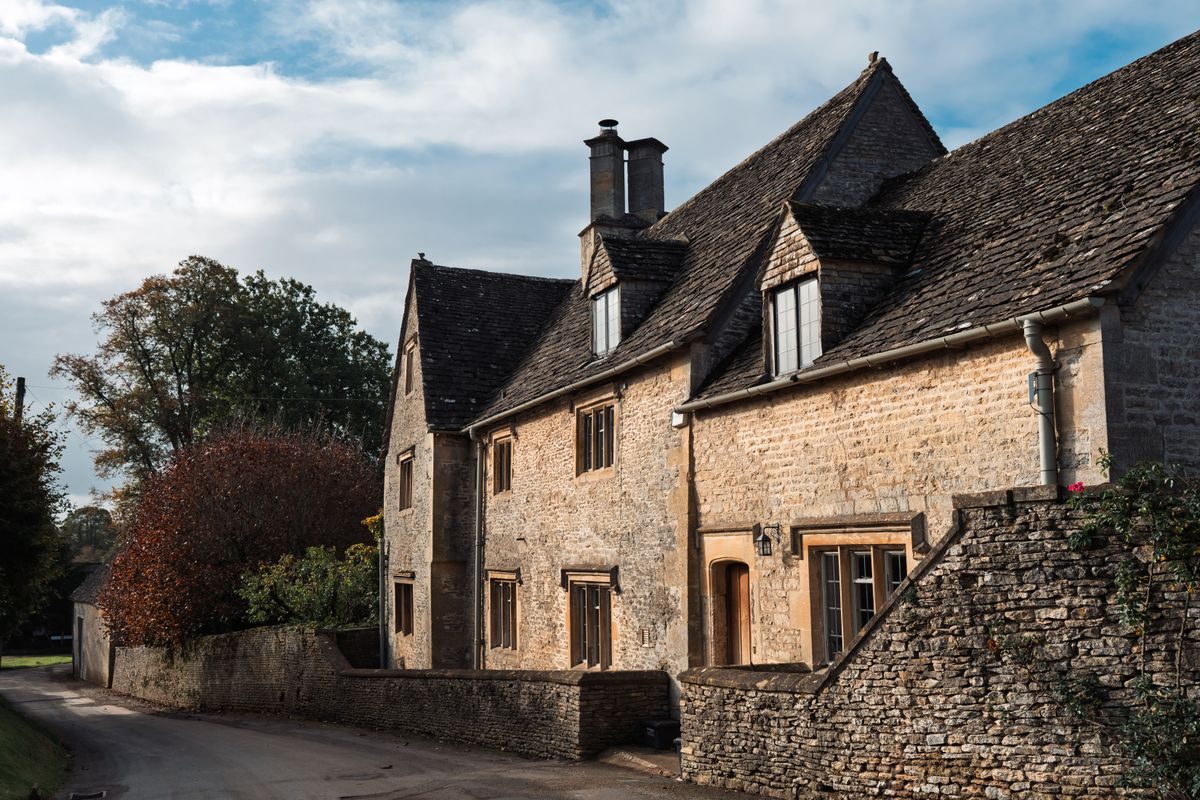
A roof survey is one of those things people only think about once there's water coming through the ceiling, which is usually too late to save money. Booked at the right moment, a survey in Chester typically costs between £150 and £400 and can flag a £300 fix before it becomes a £4,000 one. That's a decent return for a couple of hours' work. With the North West seeing around 900mm of rain a year and Chester's housing stock leaning heavily on Victorian terraces, Welsh slate, and tall chimney stacks, roofs here take a beating that a trained eye spots long before a homeowner does. Around 1 in 4 homebuyers who commission a roof-specific inspection uncover something their mortgage valuation missed. Below is what a roof survey actually involves, what it costs by type, and the moments when booking one is genuinely worth it rather than an unnecessary expense.
What a Roof Survey Actually Costs in Chester
A basic visual roof survey in Chester usually lands between £150 and £250, covering a ground-and-ladder inspection with a written report. Add a drone or a full internal loft check and you're looking at £250-£400. A detailed structural survey by a chartered surveyor, the sort you'd want on an older or clearly troubled roof, runs £400-£700 depending on size and access.
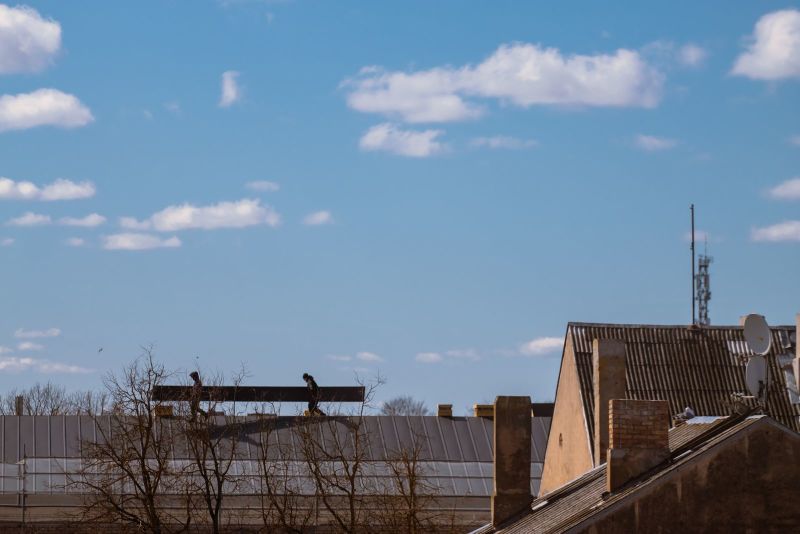
Access is the single biggest variable. A two-storey terrace a roofer can reach from a ladder is cheap to survey; a steep, high, or awkward roof that needs a drone or scaffold costs more. Chester's older three-storey townhouses and anything with multiple chimney stacks push toward the higher end simply because there's more to inspect and it's harder to reach.
If you're unsure which level of survey your property needs, Chester Roofers & Contractors can give you an honest steer over the phone before you commit to anything - sometimes a quick look is all that's warranted, and there's no sense paying for a full structural report you don't need.
What a Roof Surveyor Actually Checks
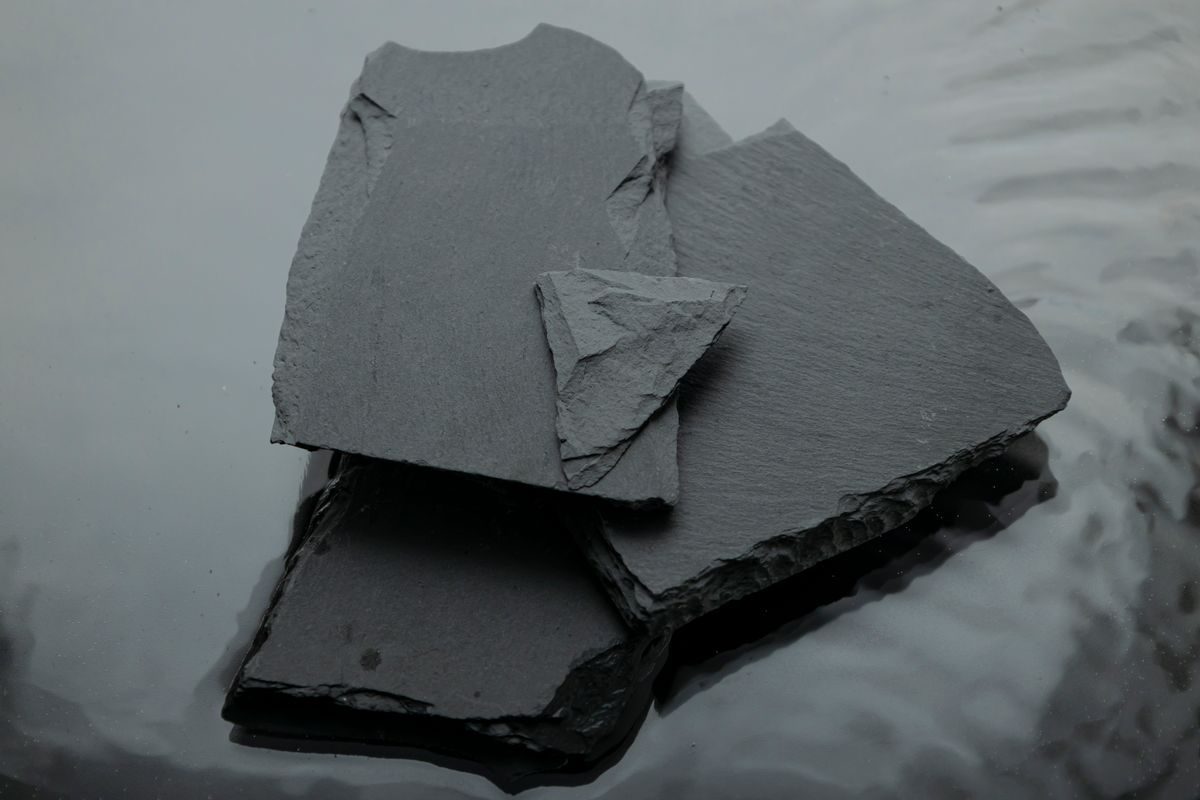
A proper survey is far more than a glance up from the pavement. The surveyor works through the covering - slates or tiles - looking for slipped, cracked, or missing units, and checking whether the fixings are still sound. On Chester's older Welsh slate roofs they're specifically watching for "nail sickness," where the original nails corrode and slates start letting go across the whole slope.
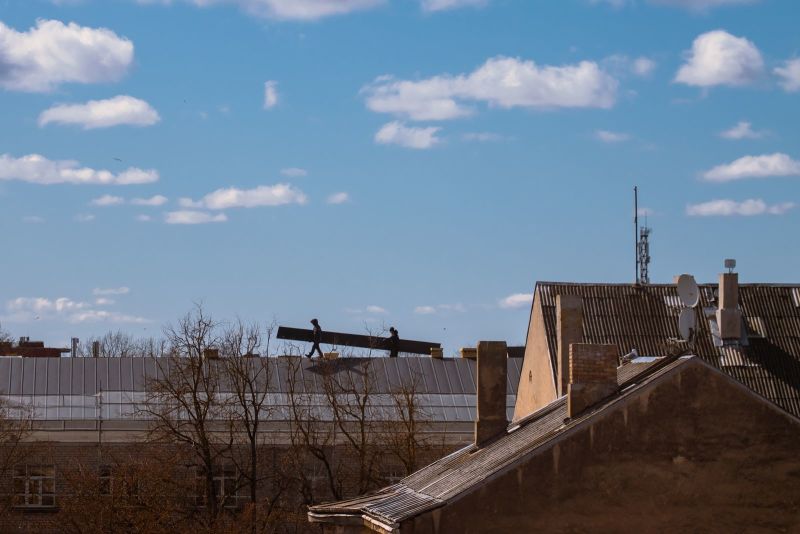
Next comes the detailing, which is where most leaks actually start. That means flashing around chimneys and in valleys, the mortar bedding under ridge and hip tiles, and the state of any lead work. They'll assess gutters, fascias, soffits, and downpipes too, since blocked or failed drainage causes as much damage in the wet North West as the roof covering itself.
Inside, a good survey includes the loft: checking rafters and battens for damp or rot, looking at the underfelt, and hunting for daylight or water stains that betray a leak. The Royal Institution of Chartered Surveyors sets out what different survey levels should cover, and the RICS Home Survey Standard is a useful reference for understanding how thorough an inspection should be.
When You're Buying a House in Chester
Buying is the classic moment a roof survey earns its fee. A standard mortgage valuation barely glances at the roof, and even a mid-level homebuyer's report often notes "roof appears in fair condition" without anyone getting close to it. On an older Chester property, that gap can hide thousands in deferred repairs.
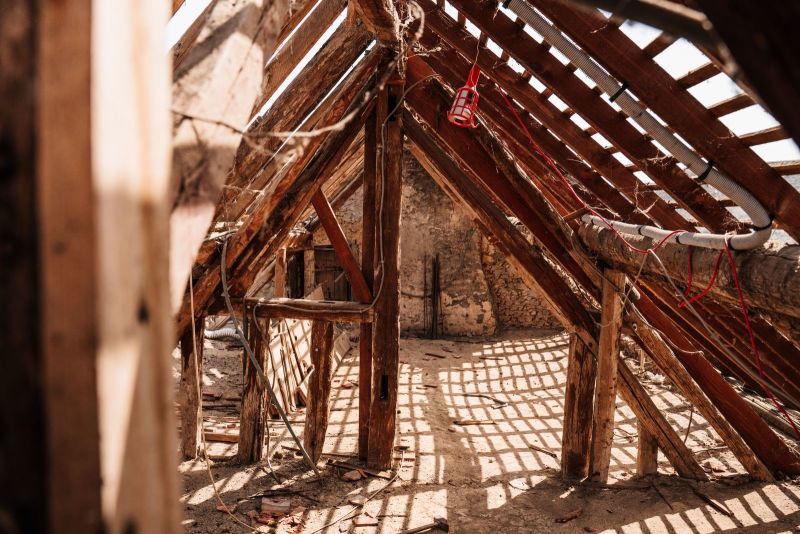
A dedicated roof survey before exchange gives you two things: a genuine condition picture and negotiating leverage. If the survey turns up a tired covering with widespread nail sickness, that's a legitimate reason to knock the cost of a re-roof - often £6,000-£12,000 on a typical Chester terrace - off the asking price, or to walk away. Buyers who skip this step are effectively gambling on the most weather-exposed part of the house.
We cover the bigger picture of when patching stops making sense in our guide to roof repair vs replacement in Chester, which pairs well with a pre-purchase survey if the report comes back looking marginal.
Surveys for Insurance Claims and Storm Damage
After a storm, an independent roof survey can be the difference between a paid claim and a rejected one. Insurers increasingly ask for evidence that damage was sudden rather than the result of long-term neglect, and a dated survey with photographs provides exactly that. Chester gets its share of named storms rolling in off the Irish Sea, and wind damage to ridge tiles and flashing is a common winter claim.
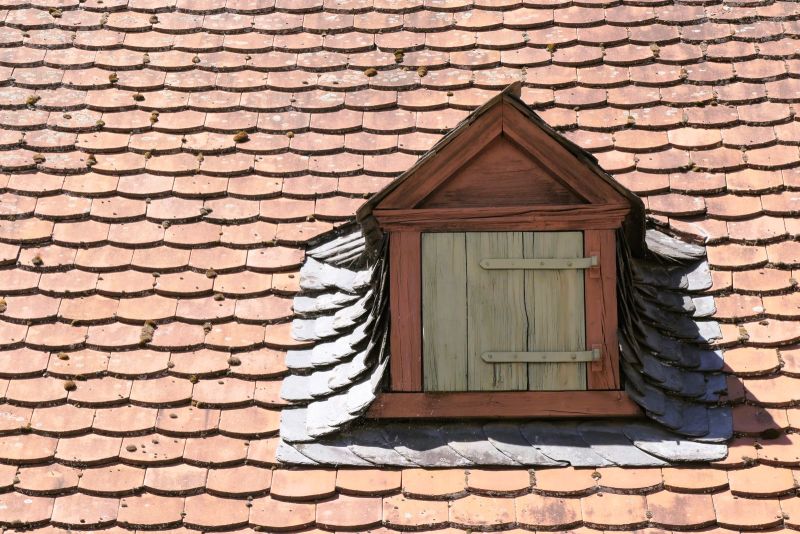
A survey costing £150-£300 can support a claim worth several thousand, so the maths usually works in the homeowner's favour. The report documents what failed, when, and why, in the language loss adjusters expect. Around 1 in 3 storm-damage claims are initially queried or reduced, and independent evidence is often what gets them back on track.
The other benefit is timing. A quick post-storm survey catches secondary damage - a lifted slate letting water in slowly - before a wet Cheshire fortnight turns it into rotted timbers and a bigger, messier claim.
Conservation Areas, Listed Buildings and Older Chester Homes
Chester has a large historic core, with several conservation areas and a good number of listed buildings, and roofs on these properties come with extra rules that a survey should flag. On a listed building, replacing a roof covering or altering its appearance can need listed building consent, and using the wrong material - concrete tiles instead of natural Welsh slate, say - can land an owner in real trouble.

A survey on an older or protected property is worth commissioning from someone who understands these constraints. The surveyor should note where like-for-like materials are required and where consent from Cheshire West and Chester Council is likely to be needed. Government guidance on listed buildings and planning permission explains the basic framework, though the council's own conservation team is the definitive local source.
Roughly a third of Chester's older housing sits within areas where materials and methods matter for planning reasons, so factoring this into any survey - and any subsequent repair budget - saves nasty surprises later. It also protects the character of the streetscape, which is part of why people want to live in these homes in the first place.
How to Choose a Surveyor and Avoid Wasting Money
Not every roof "survey" is worth paying for. Some are a thinly disguised sales pitch ending in a quote for work you may not need. The way to avoid that is to use someone who charges a clear survey fee and provides a written, itemised report you can take to any contractor - not a free "inspection" that only ever concludes you need a full re-roof.

Look for membership of a recognised trade body or scheme. Checking a firm against TrustMark, the government-endorsed quality scheme, is a quick way to filter out chancers. Chester and the wider Cheshire area have a healthy supply of roofing trades, so you're not short of options and can afford to be choosy.
A good report should include photographs of any faults, a plain-English explanation of what's wrong and how urgent it is, and a rough steer on likely repair costs - without pressuring you into booking the work with them on the spot. That independence is exactly what makes the survey worth the money in the first place.
---
FAQ
Q: How much does a roof survey cost in Chester?
A: A basic visual roof survey in Chester typically costs £150-£250 in 2026, rising to £250-£400 with a drone or full loft inspection. A detailed structural survey by a chartered surveyor runs £400-£700, mostly depending on the size of the roof and how difficult it is to access.
Q: Do I need a roof survey when buying a house in Chester?
A: It's strongly worth it on older properties. A standard mortgage valuation barely inspects the roof, so a dedicated survey can uncover thousands in hidden repairs on Chester's Victorian terraces and give you grounds to renegotiate the price before you exchange.
Q: What does a roof surveyor check?
A: They inspect the slates or tiles, flashing around chimneys and valleys, ridge and hip tile bedding, gutters and fascias, and the loft interior for damp, rot, and leaks. On older Chester roofs they pay particular attention to nail sickness in Welsh slate and the condition of the lead work.
Q: Are roof surveys different for listed buildings in Chester?
A: Yes. Surveys on listed buildings and homes in Chester's conservation areas should flag where like-for-like materials such as Welsh slate are required and where listed building consent from Cheshire West and Chester Council is needed before any work goes ahead.
---
Ready to work with Chester Roofers & Contractors?
Let's connect! We’re here to help.
Send us a message and we’ll be in touch.
Or give us a call today at 01244 740253
Agency Contact Form
More Marketing Tips, Tricks & Tools
Chester Roofers & Contractors