Roof Insulation and Energy Efficiency in Chester Homes: What's Worth Doing
Roof insulation is one of the few home improvements where the cost-to-benefit conversation is usually pretty straightforward, it's relatively cheap, the disruption is minimal compared to most building work, and heat loss through an under-insulated roof is one of the biggest single contributors to a home's heating bill. For Chester's older housing stock in particular, where original loft insulation, if it exists at all, is often well below current recommended levels, it's frequently the highest-value upgrade available.
How Much Insulation Is Actually Recommended
Current UK guidance recommends around 270mm of loft insulation for most homes, whether that's mineral wool, loose-fill, or another material. Chester Roofers & Contractors regularly finds lofts in Chester properties with anywhere from 50-100mm of older insulation, sometimes patchy or compressed in places, which is roughly a third of the recommended depth. Topping up existing insulation to the recommended depth is usually straightforward and doesn't require removing what's already there, the new layer simply goes on top, often laid in the opposite direction to the original to reduce gaps.
Where Heat Actually Escapes
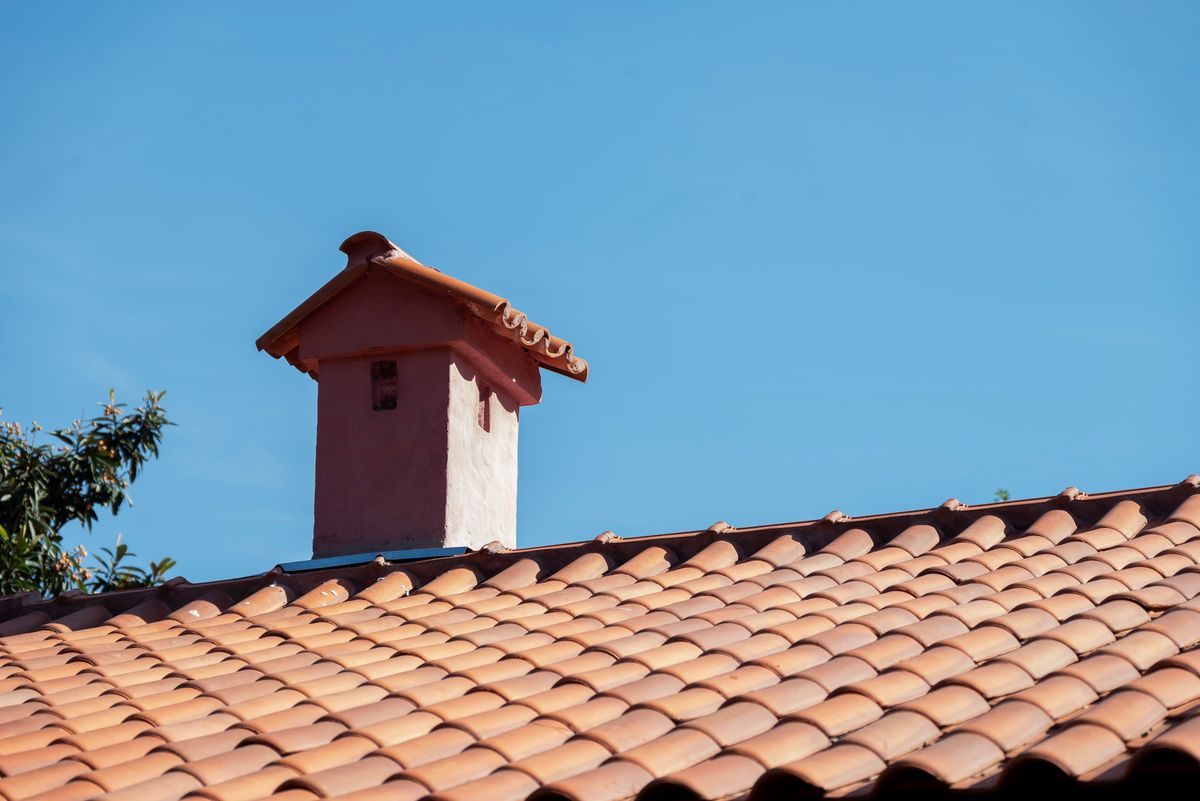
Loft insulation gets most of the attention, but it's not the only place heat escapes through a roof. Gaps around loft hatches, where pipes or cables pass through the ceiling, and around chimney breasts are all common weak points that undermine an otherwise well-insulated loft, since warm air rises and finds the path of least resistance. Sealing these gaps, often with simple foam strips or mastic, is inexpensive and makes a real difference to how effective the main insulation layer actually is.
What It Costs and What It Saves
Topping up loft insulation to the recommended 270mm in an average semi-detached Chester home typically costs £300-£600 for materials and labour, depending on the loft's accessibility and whether any gaps or damaged sections need addressing first. Based on typical UK energy price assumptions, the energy savings from improving loft insulation from a poor starting point to the recommended depth are often estimated in the range of £150-£250 per year for an average semi-detached home, meaning the upgrade frequently pays for itself within two to four years, after which it's straightforward savings for the remaining lifespan of the insulation, which can be 40 years or more if undisturbed.
Ventilation Still Matters With More Insulation
We've covered roof ventilation and condensation problems in Chester lofts, and this becomes especially relevant when adding insulation. Loft insulation needs to stop short of the eaves, leaving a gap for air to flow into the loft from outside, because blocking this airflow with insulation pushed too far into the eaves can lead to condensation building up on the underside of the roof, which over time causes damp timber and, ironically, can damage the very insulation that's meant to be saving energy. Getting insulation topped up without checking eaves ventilation is one of the more common mistakes in DIY insulation jobs.
Roof Condition Comes First
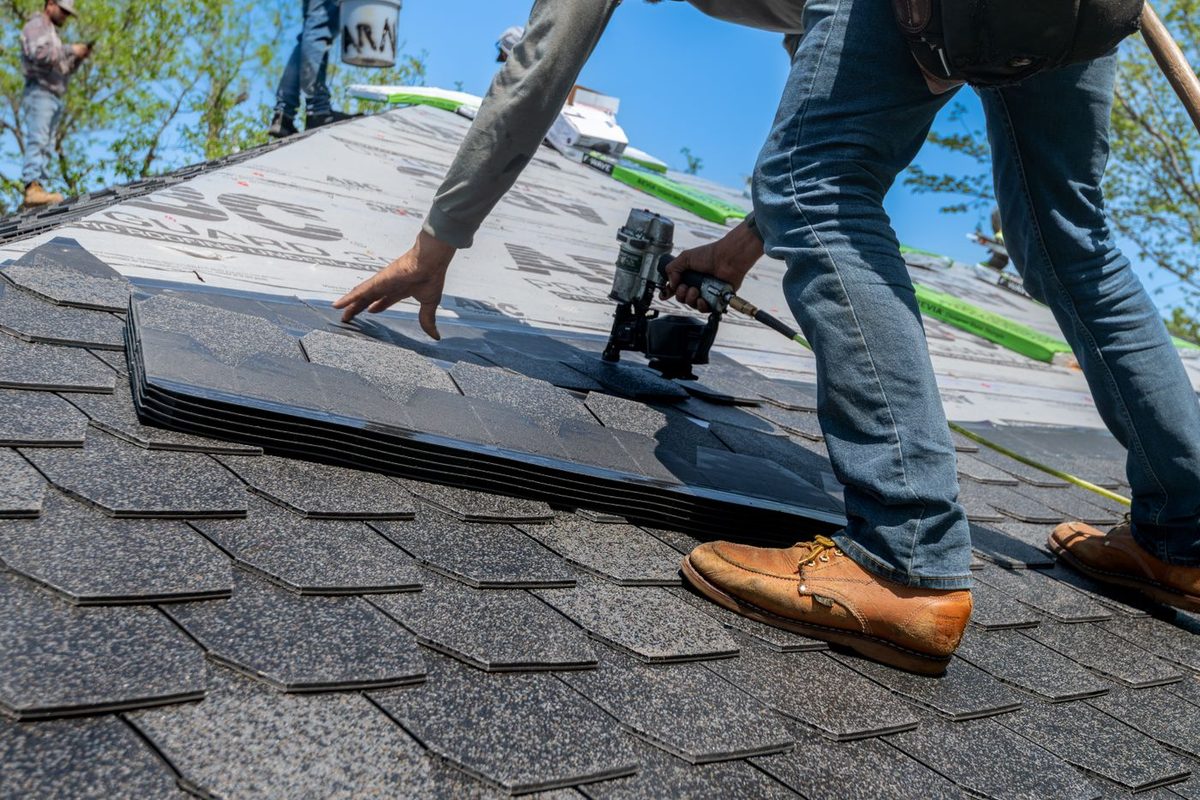
Before any insulation work, it's worth having the roof itself checked, since insulation that's installed under a roof with an existing slow leak just gets damp and loses much of its effectiveness, sometimes without anyone noticing for a long time because the loft isn't visited often. A combined check, roof condition plus insulation levels, makes sense as a single visit rather than two separate jobs, since any roof repairs needed should happen before new insulation goes down on top.
Making the Most of a Simple Upgrade
Roof insulation doesn't have the same visual impact as a new kitchen or an extension, and that's probably part of why it gets overlooked. But for Chester homeowners looking at where money spent on the house actually comes back in lower bills, it's hard to find an upgrade with a faster payback, provided the ventilation and roof condition underneath are sound first.
Want your Chester home's roof insulation checked and topped up properly? Click here to get in touch.
FAQ
Q: How much loft insulation do I need? A: Current UK guidance recommends around 270mm. Many older Chester homes have only 50-100mm, so topping up to the recommended depth is often the single highest-value upgrade available.
Q: How much does it cost to top up loft insulation? A: Typically £300-£600 for an average semi-detached home, depending on accessibility and whether gaps need sealing first.
Q: Can adding too much insulation cause problems? A: Yes, if insulation is pushed too far into the eaves and blocks ventilation, it can lead to condensation and damp timber underneath the roof, which damages both the structure and the insulation itself.
Q: Should I check my roof before adding insulation? A: Yes. Insulation installed under a roof with an existing leak gets damp and loses effectiveness, often without being noticed for a long time, so any roof repairs should happen first.
Ready to work with Chester Roofers & Contractors?
Let's connect! We’re here to help.
Send us a message and we’ll be in touch.
Or give us a call today at 01244 740253
Agency Contact Form
More Marketing Tips, Tricks & Tools
Chester Roofers & Contractors