Roof and Loft Insulation in Chester: Costs and Energy Savings
Heat rises, and in an uninsulated home a quarter of it walks straight out through the roof. That's not a rounding error - the Energy Saving Trust puts heat loss through the roof of a typical uninsulated house at around 25%, which on a Chester heating bill of £1,200 - £1,500 a year is real money vanishing into the sky. Chester makes this bite harder than most places. The city is full of solid-wall Victorian and Edwardian terraces that were never built with insulation in mind, winters here run cold with 40 - 50 frosty nights a year, and the wet North West climate dumps roughly 900mm of rain annually onto roofs that need to stay dry to insulate properly. The good news is that loft insulation is one of the cheapest, fastest home improvements you can make - often paying for itself in under three years, and sometimes free through a grant. Here's what it costs, what you'll save, and what to watch for on an older Chester home.
Why Chester Homes Lose So Much Heat Through the Roof
Walk down almost any street in Hoole, Boughton or Handbridge and you're looking at homes built between 1880 and 1930. These properties are solid and characterful, but they were designed in an era when coal was cheap and insulation wasn't a concept. Around 70 - 80% of Chester's housing stock predates modern building regulations, so unless a previous owner topped up the loft, the insulation is often thin, patchy, or missing entirely.
The current building standard recommends around 270mm of loft insulation. A huge number of older Chester lofts have 100mm or less, laid decades ago and now compressed and underperforming. Insulation loses effectiveness once it's squashed, so even a loft that "has insulation" may be doing half the job it should. If you're unsure what's up there, it's worth getting a proper look - you can ask Chester Roofers & Contractors to assess your roof and loft before you commit to any work.
Chester's climate turns a small gap into a big cost. With cold, damp winters and wind coming off the Irish Sea and the Welsh hills, the temperature difference between a heated room and the outside air is often 15 - 20°C for months on end. The bigger that gap, the faster heat escapes, which is why a poorly insulated Chester home can feel draughty and expensive no matter how high you crank the boiler.
Loft Insulation Costs in Chester
For most homes, loft insulation means rolling mineral wool between and over the ceiling joists. It's the cheapest and most common option, and the figures below reflect realistic Chester pricing.

DIY roll insulation: £300 - £500 in materials to bring a standard semi's loft up to 270mm, if you're comfortable working up there yourself.
Professional loft roll insulation: £600 - £1,000 fitted for a typical three-bedroom Chester house, including labour and materials.
Topping up existing insulation: £250 - £450, cheaper because the first layer is already down and only the shortfall needs adding.
The payback is quick. The Energy Saving Trust estimates loft insulation saves a typical semi-detached home £180 - £250 a year on heating. On a £700 professional job, that's a payback of three to four years, after which it's pure saving for the 40-year-plus lifespan of the material. Few home improvements return money that fast.
Insulating a Room-in-Roof or Loft Conversion
Plenty of Chester homes have converted the loft into a bedroom or office, and these need a completely different approach. You can't just roll wool across the floor because the floor is now a living space. Instead the insulation goes into the sloped ceiling (the rafters), which is more involved and more expensive.
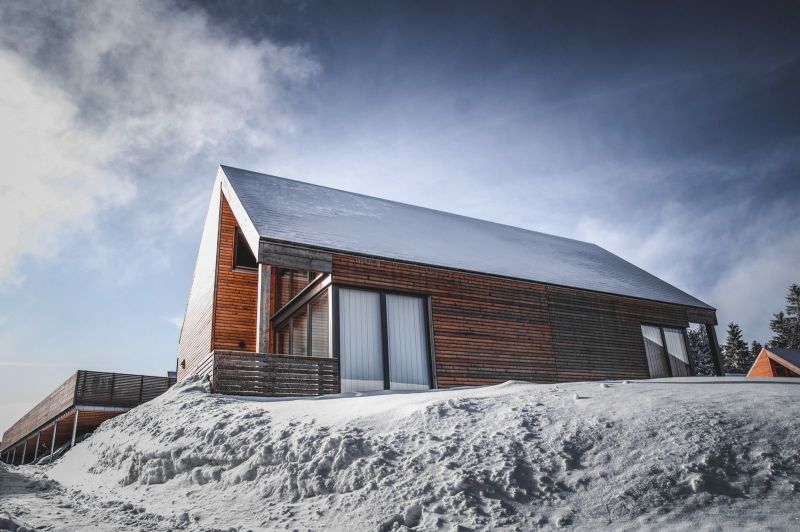
Rafter-level insulation for a converted or partially converted loft typically runs £1,500 - £3,500 depending on the size and whether it's done from inside or as part of a re-roof. There are two routes: warm-roof insulation fitted above or between the rafters, and internal insulation with insulated plasterboard. The right choice depends on your available headroom, which is often tight in a Chester terrace conversion.
Ventilation matters enormously here. Around 80% of the loft condensation problems Cheshire roofers see come from insulation that was fitted without keeping air moving through the roof space. If you seal a sloped ceiling without a ventilation gap, warm moist air hits the cold underside of the roof and condenses, which rots timber over time. We've covered this in detail in our guide to loft condensation and roof ventilation in Chester, and it's essential reading before you insulate any sloped roof.
How Insulation Cuts Your Chester Energy Bills
The savings come from a simple principle: insulation slows the rate heat escapes, so your boiler runs less to hold the same temperature. In a properly insulated Chester home the heating switches off sooner and stays off longer, and rooms hold warmth into the evening instead of going cold an hour after the boiler stops.
Real-world numbers for a Chester semi look like this. Going from no insulation to a full 270mm can cut roof heat loss by up to 90%, trimming £180 - £250 a year off heating. Topping up from 100mm to 270mm still saves a worthwhile £25 - £40 a year. Combine loft insulation with draught-proofing the loft hatch and you often add another £20 - £40 on top, because the hatch is a surprisingly common cold-air leak.
There's a comfort payoff that doesn't show on the bill too. Insulated homes have fewer cold spots and less condensation on windows, and the upstairs bedrooms - usually the coldest rooms in an older Chester house - become genuinely usable in January. For anyone thinking about selling, a better EPC rating helps: loft insulation is one of the quickest ways to move a Chester property up an energy band.
Grants and Funding for Chester Homeowners
You may not have to pay for insulation at all. Several government-backed schemes cover loft and roof insulation for eligible households, and Chester has plenty of homes and residents that qualify.
The main route is the ECO4 scheme, funded through energy suppliers, which can cover insulation for households on certain benefits or in low-income situations. The Great British Insulation Scheme (formerly ECO+) widens eligibility further, targeting homes in lower council tax bands with poor energy ratings - which describes a large share of Chester's older terraces. It's genuinely worth checking, because roughly one in three applicants is surprised to find they qualify. The government's overview of help to pay for energy-saving home improvements is the best starting point and lists current schemes.
The Energy Saving Trust also publishes clear, independent guidance on loft and roof insulation and what it saves, with no sales angle. Between the two, you can work out whether you're eligible for free or subsidised insulation before you pay a penny. Even if you don't qualify for a grant, the payback on a self-funded loft job is fast enough that it still makes sense.
Getting Insulation Done Properly on an Older Chester Roof
Insulation is only as good as the roof above it. There's no point spending £800 insulating a loft if rain is getting in through slipped slates, because wet insulation loses most of its value and can rot the ceiling below. A good Chester roofer checks the roof covering and ventilation first, then insulates - not the other way round.
Chester's conservation areas and listed buildings add a wrinkle. Around a third of the city centre sits within a conservation area, and while internal loft insulation rarely needs consent, anything that changes the external roof - such as adding insulation above the rafters that lifts the roof line - can. If your home is listed, check before altering the roof structure. For most homeowners, though, standard loft-floor insulation is a straightforward, consent-free job.
Use a contractor who insulates and ventilates as one job. About 60% of the insulation problems we get called to fix in Chester come down to blocked eaves ventilation - insulation stuffed right into the eaves, cutting off airflow and causing damp. A proper installer fits eaves vents or baffles to keep air moving. Choosing someone who understands both heat and moisture, not just one, is what makes the difference between insulation that saves money and insulation that stores up trouble.
---
FAQ
Q: How much can I save with loft insulation in Chester?
A: A typical Chester semi with no existing insulation saves around £180 - £250 a year on heating after fitting a full 270mm of loft insulation. On a professional job costing £600 - £1,000, that's a payback of three to four years, after which the savings continue for the 40-year-plus life of the material. Topping up thin existing insulation saves less but costs less too.
Q: Do I qualify for a free insulation grant in Chester?
A: Possibly. Schemes like ECO4 and the Great British Insulation Scheme cover insulation for households on certain benefits or living in lower council tax band homes with poor energy ratings, which fits a lot of Chester's older terraces. Check the government's energy efficiency help pages, as roughly one in three people are surprised to find they're eligible.
Q: How thick should loft insulation be for a Chester home?
A: The current recommendation is around 270mm. Many older Chester lofts have 100mm or less, often laid decades ago and now compressed, so they underperform. Topping up to the full depth is a cheap way to cut heat loss, especially given Chester's cold, damp winters and long heating season.
Q: Will insulating my loft cause damp or condensation?
A: Only if it's done badly. Insulation must be fitted without blocking the airflow through the roof space, or warm moist air condenses on the cold roof timbers and causes rot. Around 80% of loft condensation problems come from insulation fitted without proper ventilation, so use a Chester roofer who fits eaves vents and keeps air moving.
---
Ready to work with Chester Roofers & Contractors?
Let's connect! We’re here to help.
Send us a message and we’ll be in touch.
Or give us a call today at 01244 740253
Agency Contact Form
More Marketing Tips, Tricks & Tools
Chester Roofers & Contractors