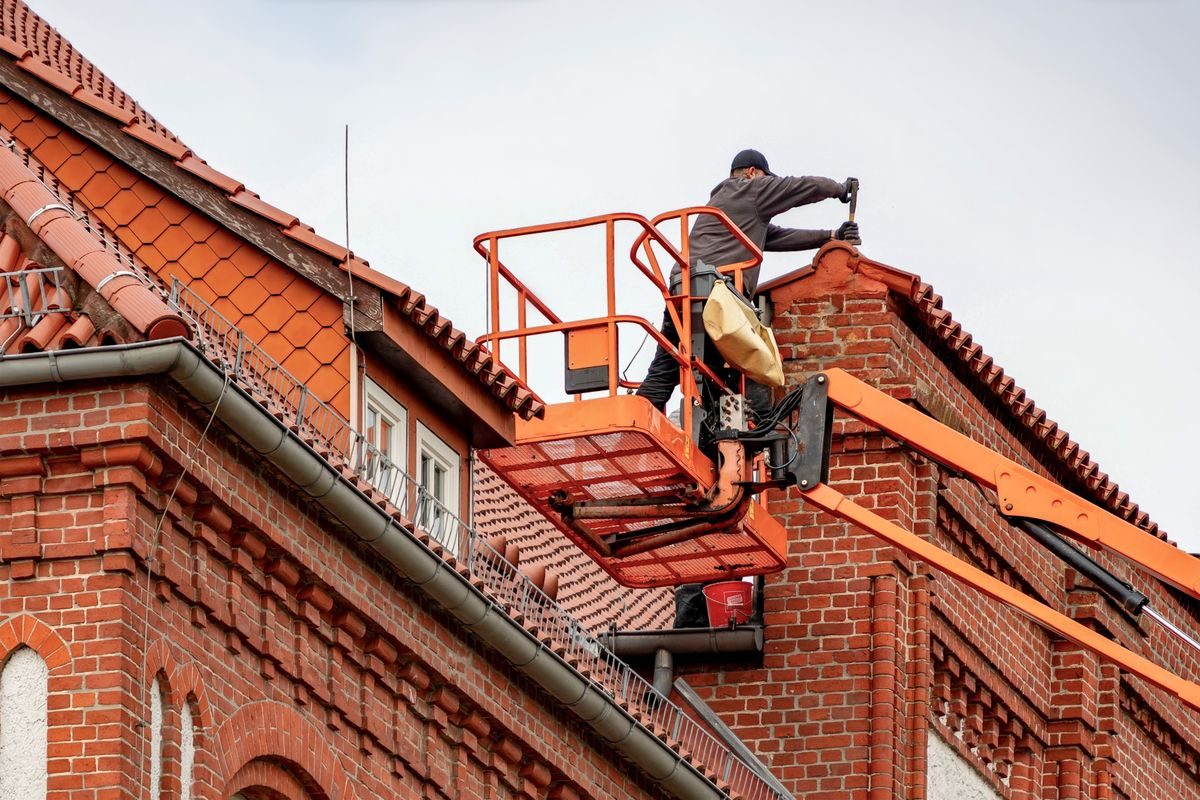
Gutters, Fascias and Soffits in Chester: What Fails First and When to Replace
Gutters, fascias, and soffits don't get inspected much. They're out of easy view, they don't cause obvious problems until something is quite wrong, and they're not the part of a roof people tend to think about when they're planning maintenance. The result is that a lot of Chester properties have roofline components in worse condition than they look from the street - and by the time the signs are visible from ground level, the damage has often extended into the rafter ends or roof structure behind the fascia board.
What Each Component Does
Fascia boards run horizontally along the eaves of a pitched roof, fixed to the ends of the rafters. They carry the gutter brackets and support the bottom edge of the lowest roof tile row. They're also the structural connection point for the soffit board.

Soffit boards are the horizontal boards that fill the gap between the fascia and the external wall. They close off the roof space from the outside and, in modern houses, include ventilation slots that allow air to circulate in the roof void and prevent condensation.
Gutters collect rainwater from the roof surface and direct it to downpipes. In Chester's climate - significant annual rainfall, regular freeze-thaw cycles in winter - gutters that aren't regularly cleared or that are starting to pull away from the fascia cause water to run down the external wall rather than away from the building.
What Fails on Chester Properties
uPVC fascia and soffit failure. Most Chester properties built or re-roofed since the 1980s have uPVC fascias and soffits. uPVC is durable but not indefinitely so - discolouration, cracking, and warping appear after 20-30 years. Once boards start cracking, water gets behind them into the rafter ends. Replacing them at this point costs more than replacing them at the first signs of deterioration.
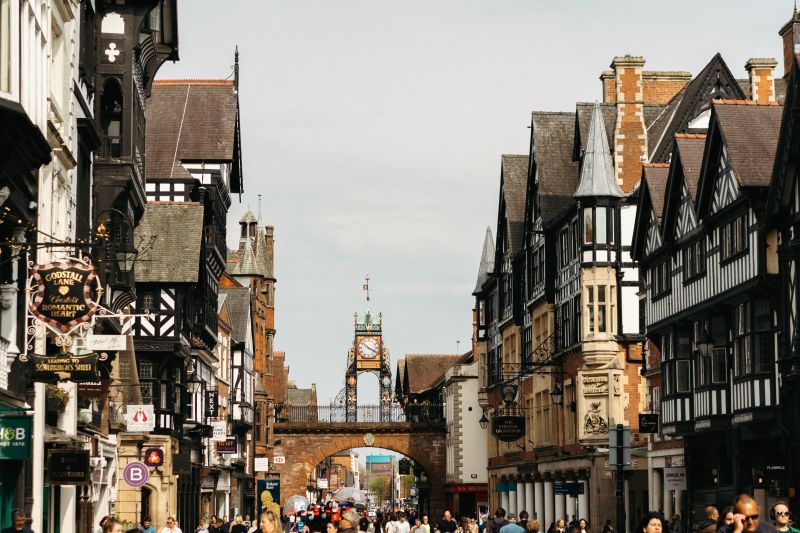
Timber fascia rot. Older Chester properties - Victorian and Edwardian terraces, earlier semi-detacheds - often have timber fascias. Painted timber fascias last well when maintained but rot quickly when paint breaks down and water gets into the grain. Rafter ends are often the first casualty: soft, spongy rafter ends mean the repair has moved from fascia replacement into structural work.
Gutter pull-away. Gutters that are full of debris get heavy. Heavy gutters pull away from the fascia brackets. A gutter that's pulling away drops water down the wall rather than into the downpipe, which stains the render or brickwork and, over time, causes damp penetration at the eaves level. This is visible from the street: sagging gutters, water marks down the wall below the gutter line.
Blocked downpipes. A downpipe that's partially blocked causes a gutter to overflow at one point regardless of how well the rest of the system is installed. Chester properties with large deciduous trees nearby accumulate leaf matter in downpipes quickly.
When to Replace Rather Than Repair
Repairing individual gutter sections or a single damaged fascia board makes sense when the rest of the system is in good condition. Full replacement makes more sense when:
- uPVC components are over 25 years old and showing widespread cracking or warping
- Multiple fascia boards have gone soft behind the uPVC
- The existing gutter is a non-standard size that's hard to source parts for
- The soffit ventilation is blocked or missing (common on older installations) and the roof void isn't ventilating properly
Chester Roofers and Contractors typically identifies roofline condition during other roof access work - ridge tile inspections, flat roof surveys, or moss removal work all give a clear view of the gutter and fascia condition from access height. We've covered choosing a Chester roofing contractor here for anyone starting to look.
What Gutter and Fascia Replacement Costs in Chester
Gutter replacement (UPVC, per linear metre supply and fit): £15-£30/m.

Fascia board replacement (per linear metre): £20-£35/m.
Soffit board replacement (per linear metre): £15-£25/m.
Full roofline replacement, typical Chester semi-detached (gutters, fascias, soffits): £1,200-£2,500.
Rafter end repairs (if discovered during fascia replacement): £80-£200 per rafter end, depending on extent.
These costs assume scaffold or mobile tower access. High or awkward rooflines cost more.
FAQ
Q: How often should gutters be cleared in Chester?
At least once a year, ideally in autumn after leaf fall. Chester properties near trees may need clearing twice a year. A gutter guard doesn't eliminate clearing but reduces frequency.
Q: Can I replace just one section of fascia rather than all of it?
Yes, if the rest of the fascia is in good condition. The practical issue is colour-matching - new uPVC is bright white, weathered uPVC is cream or grey. Partial replacements can look mismatched for a few years.
Q: What are the signs that my Chester gutters need replacing?
Visible sagging or pull-away from the wall, water marks on the wall below gutter level, cracks in uPVC sections, and joints that weep during rain. Also check the fascia where gutter brackets are fixed - if the fascia is soft at those points, it may not hold brackets securely.
Q: Do I need scaffolding to replace gutters on a Chester semi-detached?
For ground-floor sections, usually not. For first-floor and above, most contractors use either a mobile tower or scaffold - working from a ladder is slower and less safe for the volume of material being handled.
Q: Why is there a water stain on my Chester house wall under the gutter?
Either the gutter is overflowing because it's blocked, or it's pulling away from the fascia at one point and spilling over the back. Clear the gutter first and check whether overflow continues. If it does, inspect the gutter bracket fixings at the stained section.
Ready to work with Chester Roofers & Contractors?
Let's connect! We’re here to help.
Send us a message and we’ll be in touch.
Or give us a call today at 01244 740253
Agency Contact Form
More Marketing Tips, Tricks & Tools
Chester Roofers & Contractors