Loft Conversion Roofing in Chester: What the Structural and Weatherproofing Work Involves
A loft conversion in Chester changes the roof from a ventilated cold space to an insulated, habitable room - and that change has significant structural and weatherproofing implications that are more involved than simply adding a window. Chester's housing stock presents specific challenges: the Victorian and Edwardian terraces that make up large parts of the city have roof structures that were designed for storage, not living, and the rafter sizes, ridge heights, and ceiling joist spans are often at the limit of what can be used for a conversion without reinforcement. Understanding what the roofing work actually involves - beyond the velux window or dormer that defines the room's appearance - helps set realistic expectations for the scope of work and the cost.
Structural Assessment: What Needs Changing
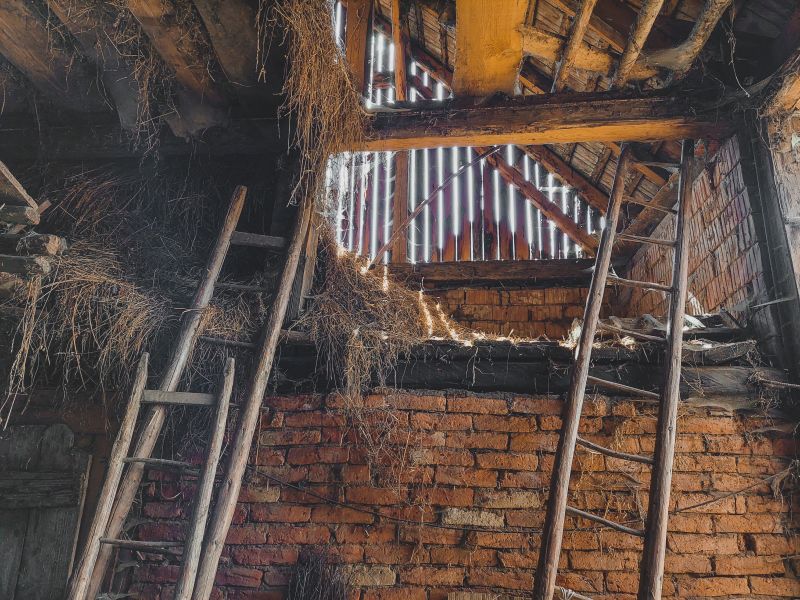
In most Chester terraced properties built before 1940, the existing roof structure uses cut timber - rafters and purlins sized and arranged in ways that don't always accommodate the new loading patterns a loft conversion creates. Loft conversions typically require: new structural ridge beams to redistribute the ridge load, new floor joists (often steel beams with timber infills for terraces), and rafter reinforcement or replacement where the existing rafters are undersized for the new loads.
Chester Roofers & Contractors works alongside structural engineers on loft conversion projects across Chester, and the structural calculation stage is not optional - Building Regulations require approved calculations for all loft conversions. The structural work itself is typically the most significant cost component and the part that most affects the programme.
Dormer vs Velux: Different Roofing Implications
The two main approaches to adding head height and light in a Chester loft conversion are velux (rooflights set flush with the roof slope) and dormers (projecting structures with their own walls and roof). From a roofing perspective, these are very different jobs.
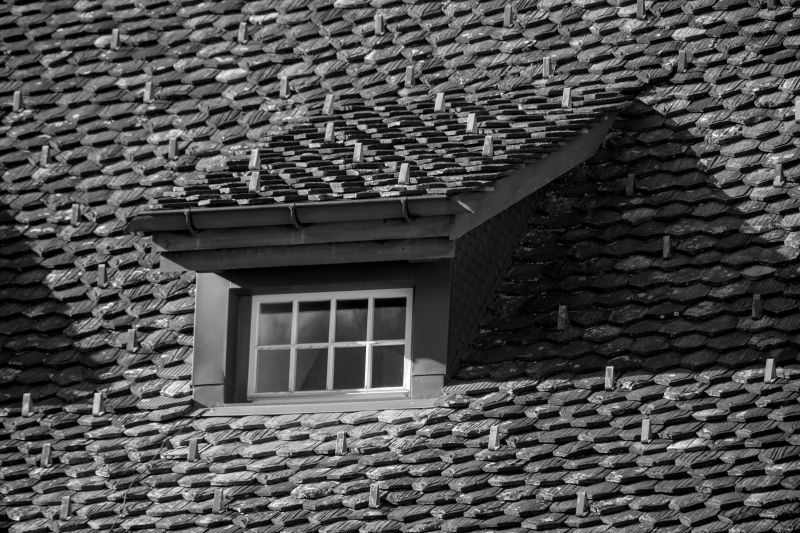
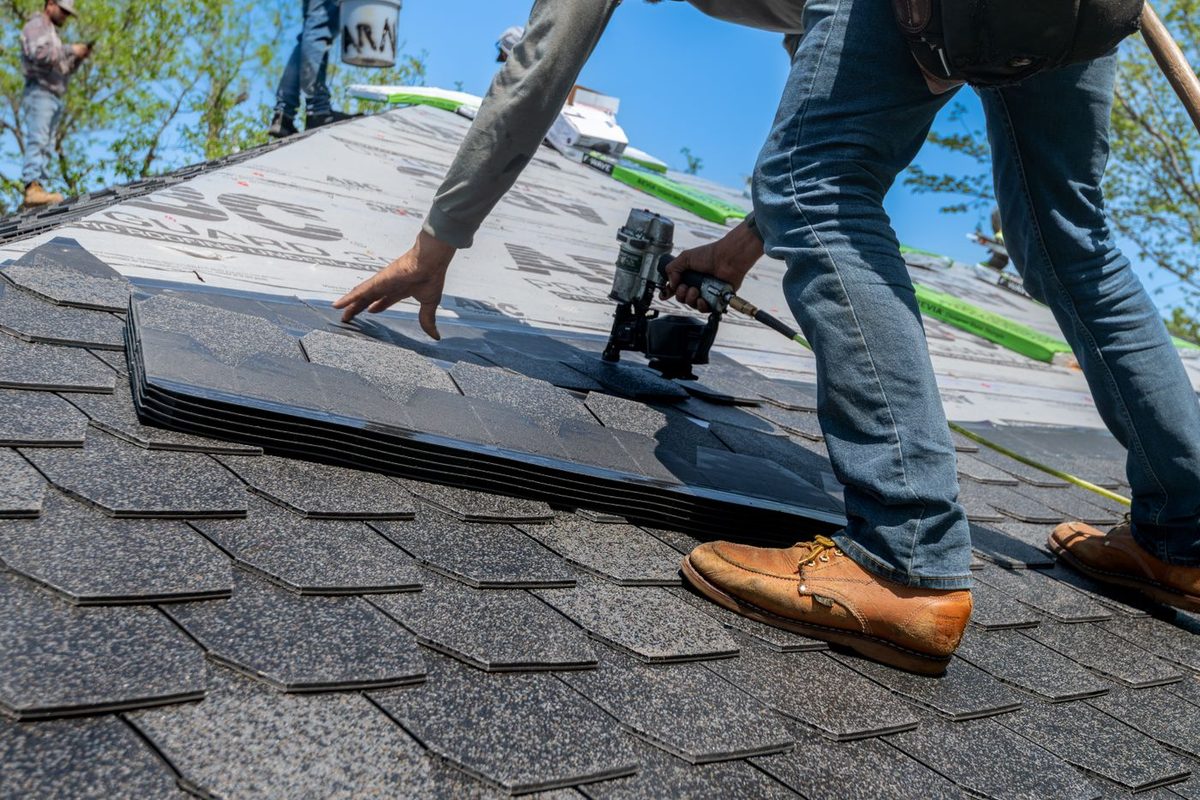
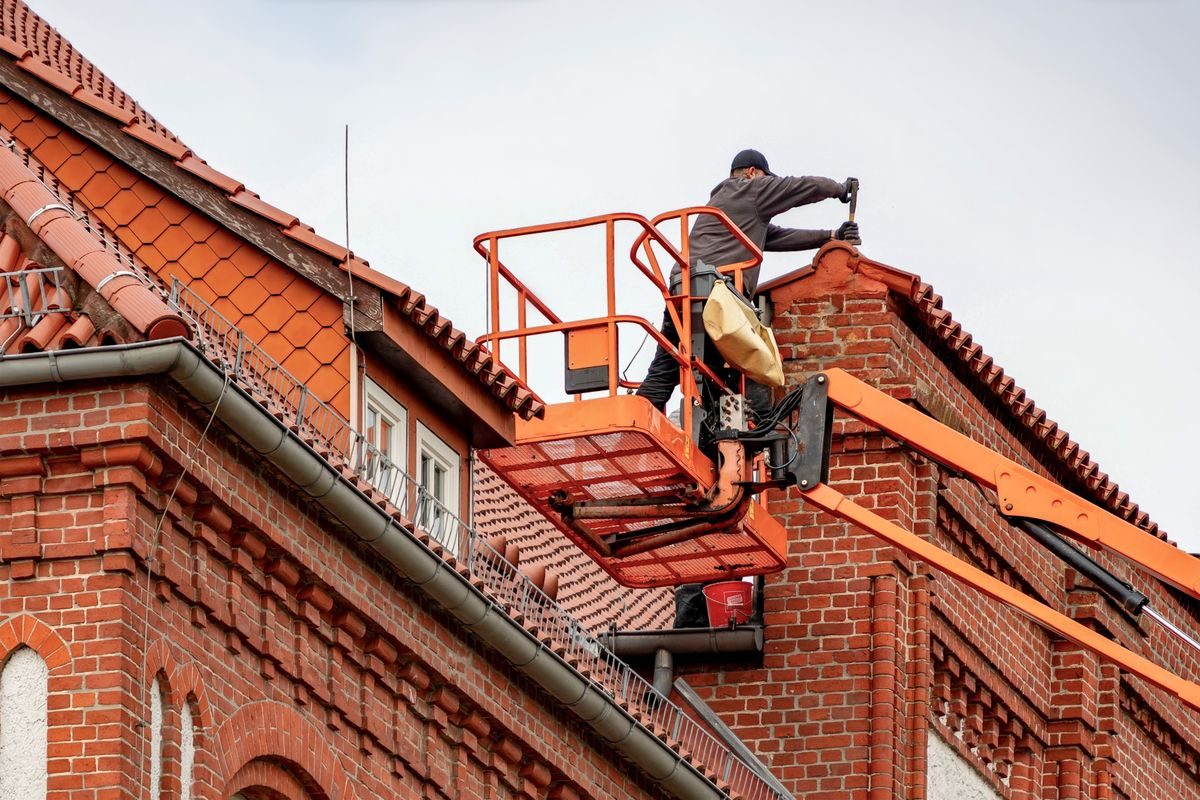
Velux windows involve cutting openings in the existing roof structure, trimming the rafters, and fitting the rooflight - relatively contained work that doesn't change the external envelope significantly. Dormers require constructing a projecting structure, building new walls and a flat or pitched mini-roof, weatherproofing the junction between dormer and main roof (typically with lead or GRP), and re-tiling around the perimeter. Dormers are more disruptive and more expensive but deliver significantly more usable floor space.
For Chester conservation areas - which cover much of the city centre and several residential streets - there may be restrictions on dormer visibility from the street, and planning permission is required for most dormers regardless of size.
Insulation and Ventilation
The thermal specification of a loft conversion roof is governed by Building Regulations Part L. A habitable loft room needs significantly better insulation than a cold loft - typically a U-value of 0.18 W/m²K or better for the roof slope. This is achieved with a combination of between-rafter and below-rafter insulation using rigid insulation boards, achieving the required thickness in the limited depth available.
One of the practical challenges of Chester's older terraces is that the rafter depth is often 100-125mm, which is insufficient to achieve the required insulation U-value without adding insulation boards below the rafters - which reduces headroom. Getting this right at the design stage avoids discovering headroom problems once the structure is up.
We've covered roof insulation and energy efficiency in Chester homes and the same condensation risk applies in loft conversions - a correctly specified and installed vapour control layer prevents moisture from the new living space reaching the cold parts of the structure.
Weatherproofing the New Roof Elements
Any new roofing elements - dormers, velux flashings, new tile sections - need to be fully weatherproofed before the internal fit-out begins. Lead flashings around dormer cheeks and junction points, correctly installed underlays and counter-battens, and careful integration of new tiling with existing are all part of a properly completed loft conversion roofing package.
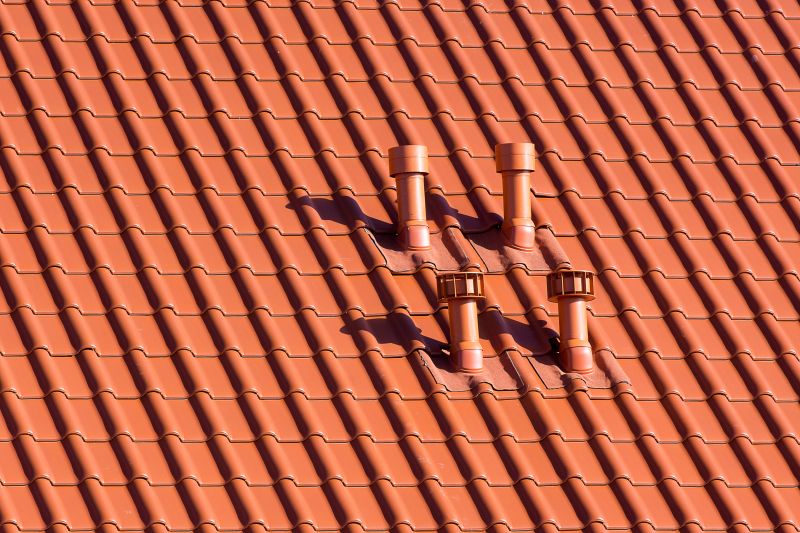
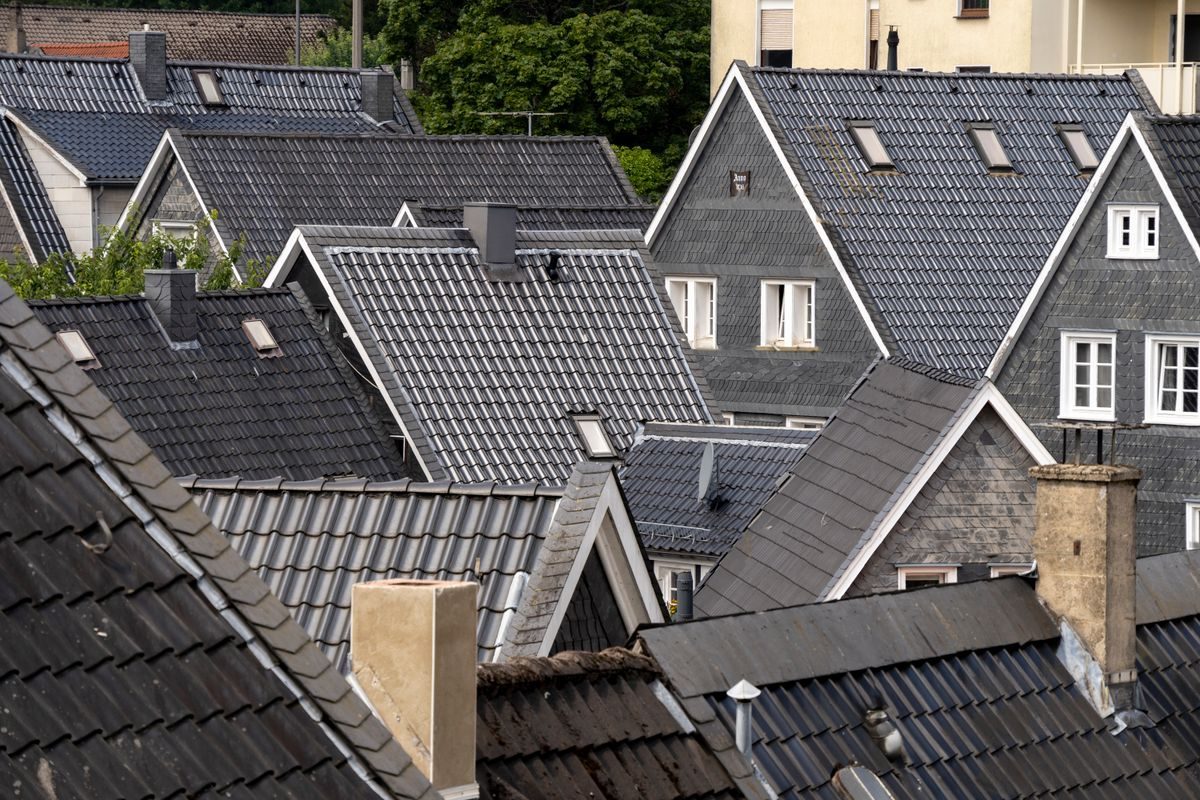
In Chester's conservation areas, the tile type for any re-roofing work visible from the street typically needs to match the existing material - which often means natural slate or specific clay tile types. This is worth clarifying with Chester City Council's planning team before finalising the specification.
Typical Roofing Costs for Chester Loft Conversions
The roofing package for a Chester loft conversion (structural work, weatherproofing, insulation, one or two velux windows) typically costs £8,000-£18,000 depending on the structural complexity, the extent of new tiling required, and whether dormers are included. Dormers add £6,000-£15,000 to the roofing scope alone, depending on size and specification.

FAQ
Q: Does a loft conversion in Chester always need structural work on the roof?
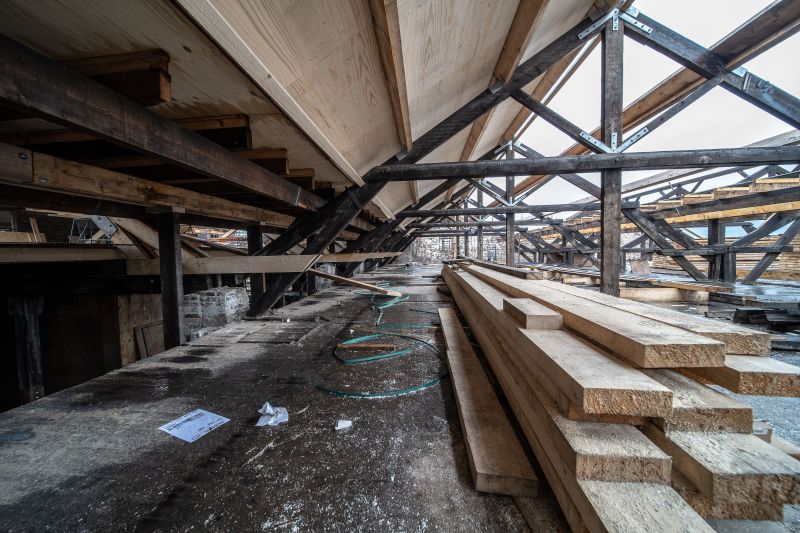
In most pre-war Chester properties, yes. The existing rafter and ceiling joist sizes were designed for cold storage, not habitable use. New structural ridge beams, floor joists, and often rafter reinforcement are typically required, subject to a structural engineer's assessment.
Q: Do I need planning permission for a loft conversion in Chester?
Velux-only conversions on properties outside conservation areas typically fall within permitted development. Dormers visible from the street usually require planning permission. Properties in Chester's conservation areas have more restrictions - check with Chester City Council's planning team before proceeding.
Q: What type of insulation is used for a Chester loft conversion roof?
Rigid insulation boards between and below the rafters to achieve the Building Regulations Part L requirement (typically U-value 0.18 W/m²K or better). The limited rafter depth in older Chester properties often means some below-rafter insulation is needed, which slightly reduces headroom.
Q: How long does the roofing work take for a Chester loft conversion?
The structural and roofing phase of a loft conversion typically takes two to four weeks. This includes the structural work, new roof elements, insulation installation, and weatherproofing. Internal fit-out follows after the shell is weathertight.
Q: What tiles should be used to match an existing Chester roof?
For properties in Chester's conservation areas, existing tile types (often natural Welsh slate or clay pantiles) need to be matched for any visible roof sections. Your roofing contractor should be able to source matching materials. Building control and planning will confirm the requirements for your specific property.
Q: Can a dormer be added to a Chester Victorian terrace?
Yes, but it requires planning permission in most cases, and in conservation areas there are additional restrictions on the type and visibility of the dormer. A rear-facing dormer is more likely to be approved than one facing the street.
Ready to work with Chester Roofers & Contractors?
Let's connect! We’re here to help.
Send us a message and we’ll be in touch.
Or give us a call today at 01244 740253
Agency Contact Form
More Marketing Tips, Tricks & Tools
Chester Roofers & Contractors