Emergency Roof Repairs in Chester: What to Do, What It Costs, and Who to Call
Water dripping through a bedroom ceiling at 9pm is one of those problems that makes people panic and pay over the odds. It shouldn't. Most roof emergencies in Chester follow a predictable pattern - a slipped slate, a torn flat roof, a failed flashing - and most can be made safe the same day for £150 - £450, with the proper repair following once things dry out. Chester gets around 900mm of rain a year, noticeably above the English average of roughly 850mm, and the North West's wet spells tend to arrive in multi-day batches, which is exactly when hidden roof faults announce themselves. Insurers report a spike of 30-40% in weather-related property claims during the wettest winter months. This guide covers what to do in the first hour, what emergency callouts actually cost in Chester, and how to tell a genuine local roofer from someone working out of a van with no address.
First Hour: Make It Safe, Not Fixed
The goal in the first hour is containment, not repair. Nobody is re-slating a roof in the dark and the rain, and any roofer who claims they will is someone to be wary of.
Move furniture and electronics out of the drip zone, put down buckets or bins, and if water is pooling in a ceiling bulge, pierce it with a screwdriver over a bucket. That feels wrong, but a controlled drip through one small hole beats a whole ceiling section coming down - a saturated plasterboard ceiling can hold 20-30 litres and collapse without warning. If water is anywhere near light fittings, switch off the circuit at the consumer unit before you do anything else.
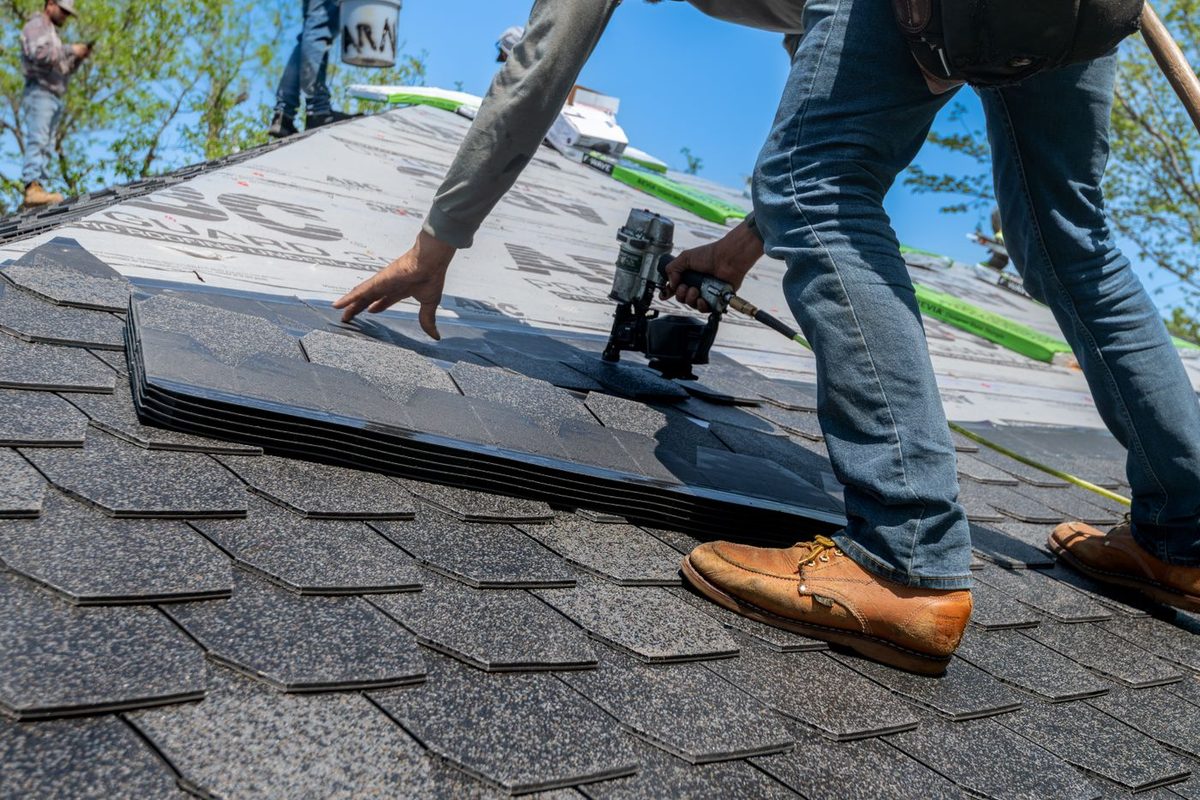
Then call a roofer with an emergency line - Chester Roofers & Contractors covers emergency callouts across Chester and the surrounding villages. What you're buying that night is a temporary weatherproof cover: a tarpaulin battened over the damaged area, a slipped slate re-seated, or a flat roof tear patched with tape or wet-apply sealant. That holds for weeks if done properly, which buys time for a considered permanent repair at a sensible price.
What Counts as a Genuine Emergency
Not every roof problem justifies an out-of-hours callout, and callout premiums mean it's worth knowing the difference. Roughly half the "emergency" calls roofers take could safely wait until the next working day.
Genuine emergencies: active water coming into a living space, slates or tiles hanging loose over a footpath or driveway, a flat roof visibly torn open, or structural movement after impact. These need same-day attention because the damage compounds - a leak that costs £200 to sort in week one can become a £1,000+ job involving ceilings, insulation and electrics by week four.
Not emergencies: a damp patch that isn't actively dripping, a single slipped tile on a dry forecast, moss in the gutters, or a stain you've only just noticed but has clearly been there a while. Book a normal daytime appointment and save yourself £100+ in out-of-hours premium.
The Chester complication: access and conservation areas
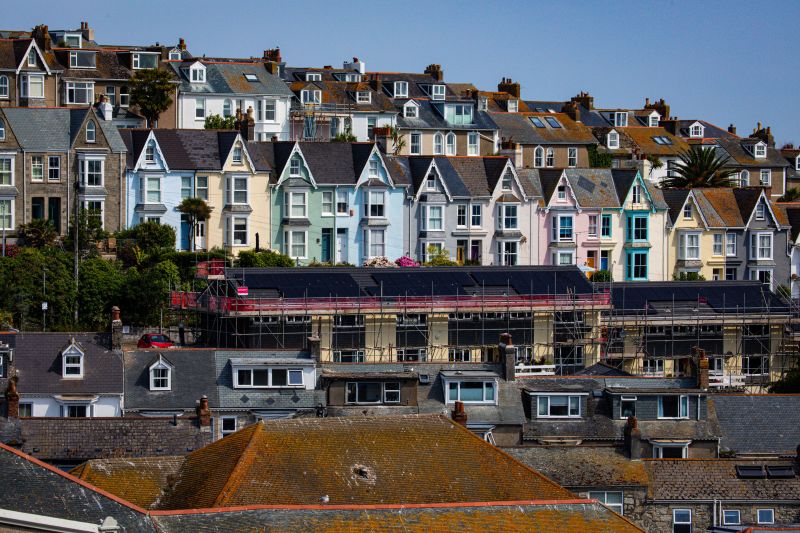
Chester's housing adds two wrinkles. First, a lot of the city's Victorian and Edwardian terraces have rear roof slopes only reachable through narrow passages or over neighbouring yards, which affects how quickly a temporary cover can go on. Second, a good chunk of central Chester sits in conservation areas, and plenty of properties are listed - the temporary tarpaulin is fine, but the permanent repair on a listed building may need like-for-like Welsh slate and, in some cases, consent. The government's planning guidance on listed building consent is worth a read before anyone starts stripping slates. We've covered the most common single failure - the slipped slate itself - in our guide to slipped tiles and loose slates in Chester, which explains why nail fatigue in 100-year-old roofs is usually the real culprit.
What Emergency Callouts Cost in Chester
Emergency roofing pricing in Chester has two parts: the callout (getting a roofer to your door out of hours) and the work itself.
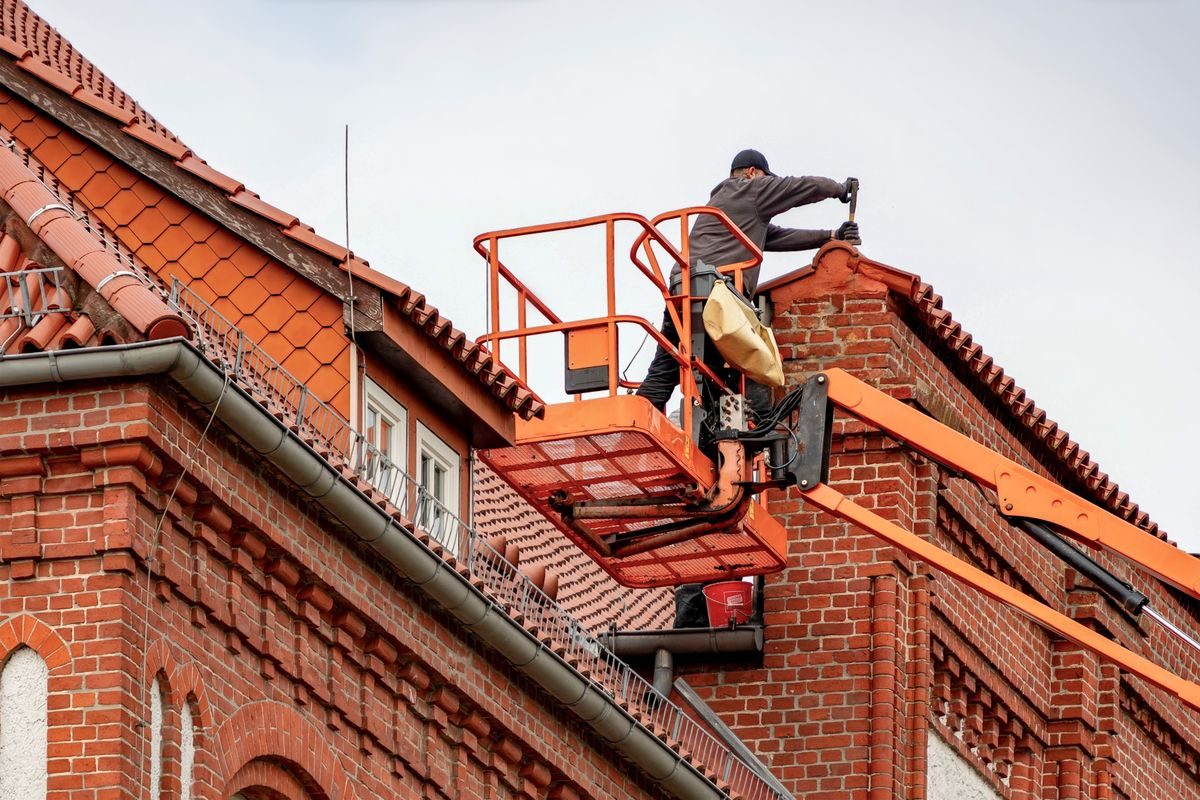
A daytime emergency response typically runs £80 - £150 for the callout plus materials. Evening and weekend callouts run £150 - £250 before any work starts. A full temporary weatherproofing job - tarpaulin, battens, labour - usually lands between £150 and £450 all-in depending on access and roof height. Scaffolding is almost never erected for the emergency visit itself; roofers work from ladders or towers for temporary covers.
The permanent repair is quoted separately once the roof is dry and can be properly inspected. For context: re-fixing a handful of slipped slates costs £150 - £400, renewing a lead flashing £200 - £500, and patching a flat roof £250 - £600. If someone quotes you a four-figure permanent repair on the night, in the rain, by torchlight, decline it. No honest assessment of a wet roof happens in those conditions.
Who to Call - and Who to Avoid
Bad weather brings out two kinds of roofer in Chester: established local firms working through a queue of callouts, and opportunists knocking doors. Trading Standards data consistently shows rogue trader reports jumping after named storms, with roofing among the top three trades complained about.
The green flags: a real local address you can verify, a landline as well as a mobile, reviews spread over years rather than clustered in one month, and membership of a recognised scheme. Checking a firm against the TrustMark register of government-endorsed tradespeople takes two minutes, and the NFRC's guidance on finding a competent roofing contractor sets out what a professional outfit should look like.
The red flags: they knocked on your door uninvited, they "noticed damage from the road" (genuine damage is rarely visible from the pavement), they want cash today, they can start immediately with no queue, or they pressure you to decide on the spot. A legitimate Chester roofer in storm season has a waiting list - instant availability is itself a warning sign.
Will Insurance Cover It?
Usually yes, with conditions. Buildings insurance covers sudden storm damage - and crucially, most policies also cover the emergency temporary repairs needed to prevent further damage, so keep the invoice for the tarpaulin job.
The conditions matter. Insurers define storm conditions using Met Office data (typically gusts above 47-55mph, and the Met Office's records for North West England show the region logs some of the highest rainfall totals in England), and they will decline claims where the real cause is wear and tear - the 90-year-old nails, the flashing that's been lifting for a decade. Around a quarter of weather-related roof claims are reduced or declined on maintenance grounds.
Practical steps: photograph everything before and after the temporary cover goes on, keep every receipt, and get the roofer's written description of the cause. "Slate detached by wind" and "slate slipped due to nail corrosion" lead to very different claim outcomes, and a proper written report costs nothing extra to ask for.
The Permanent Repair: Don't Skip It
The most common emergency-repair mistake in Chester isn't overpaying on the night - it's leaving the tarpaulin on for six months. Temporary covers are temporary. UV degrades tarpaulins in 8-12 weeks, wind works battens loose, and water finds the edges.
Once the weather clears, get the roof properly inspected and the underlying fault fixed. In our experience the emergency symptom is usually the tip of something older: one slipped slate on a 1900s terrace often means the fixing nails across that whole slope are corroding, and one flat roof tear often means the membrane is at end of life. A proper inspection costs little - many firms, ourselves included, roll it into the repair quote - and it turns a recurring emergency into a one-off fix.
Budget-wise, the full sequence for a typical Chester emergency looks like this: £150 - £450 for the emergency cover, £150 - £600 for the permanent repair, and £0 for the inspection in between. Compare that with £1,500 - £3,000+ for the ceiling, joinery and redecoration costs of a leak left to run, and the maths argues for acting fast and finishing the job.
Cutting the Odds of the Next One
You can't stop a storm, but you can stop being the house on the street that always leaks. Most Chester roof emergencies trace back to faults that were visible months earlier.
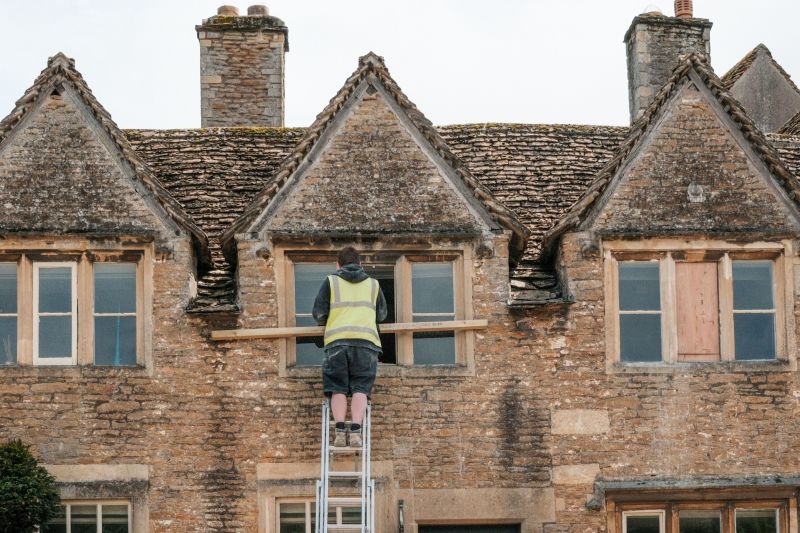
An annual roof check - ideally each autumn, before the wet season - catches slipped slates, lifting flashings, cracked ridge pointing and blocked gutters while they're £100 problems rather than £1,000 ones. On Chester's older slate roofs, where nail fatigue is the dominant failure mode, a roofer can also tell you honestly whether you're in "patch and monitor" territory or approaching the point where re-roofing a slope makes more sense than repairing it piecemeal.
Keep gutters clear (blocked gutters cause a surprising share of "roof leaks" that are actually overflow soaking into wall heads), keep an eye on the roofline after any named storm, and save a local roofer's emergency number in your phone before you need it - because the one guarantee about roof emergencies is that they never happen at a convenient time.
---
FAQ
Q: How much does an emergency roofer cost in Chester?
A: Expect £80 - £150 for a daytime emergency callout and £150 - £250 for evenings and weekends, before work. A full temporary weatherproofing job - tarpaulin, battens, labour - usually costs £150 - £450 all-in, with the permanent repair quoted separately once the roof is dry.
Q: What should I do first when my roof starts leaking?
A: Contain the water - buckets under drips, furniture moved, and a controlled screwdriver hole through any bulging ceiling section over a bucket. Turn off the electrics on that circuit if water is near light fittings, then call a roofer with an emergency line for a temporary cover.
Q: Will my insurance pay for an emergency roof repair in Chester?
A: Buildings insurance usually covers sudden storm damage and the emergency temporary repairs needed to prevent further damage. Claims caused by wear and tear - corroded nails, aged flashings - are often declined, so photograph everything and get the roofer's written note on the cause.
Q: How long can a tarpaulin stay on my roof?
A: A properly battened tarpaulin holds for a few weeks, but UV and wind degrade it within 8-12 weeks. Treat it as breathing space to arrange the permanent repair, not as the repair itself.
Q: How do I avoid rogue roofers after bad weather in Chester?
A: Never hire someone who knocked on your door, wants cash, or can start immediately. Check for a verifiable local address, reviews spread over years, and membership of a scheme like TrustMark. Genuine Chester roofers have a queue after storms.
---
Ready to work with Chester Roofers & Contractors?
Let's connect! We’re here to help.
Send us a message and we’ll be in touch.
Or give us a call today at 01244 740253
Agency Contact Form
More Marketing Tips, Tricks & Tools
Chester Roofers & Contractors