Slipped Tiles and Loose Slates in Chester: What Causes Them and What a Repair Costs
A single slipped tile on a Chester roof is an easy thing to put on the mental "deal with it later" list. The problem is that a gap in the roof covering, even a small one, lets water under the tiles in a way that the underlayer and rafters below weren't designed to handle continuously. Chester gets around 750mm of rainfall a year, and the prevailing westerly wind means rain often hits the roof at an angle rather than straight down, driving water further into any gap than still-air conditions would suggest. A slipped tile left through a Chester winter can introduce enough moisture into the roof structure to cause timber deterioration that's significantly more expensive to address than fixing the tile would have been in autumn.
Why Tiles and Slates Slip
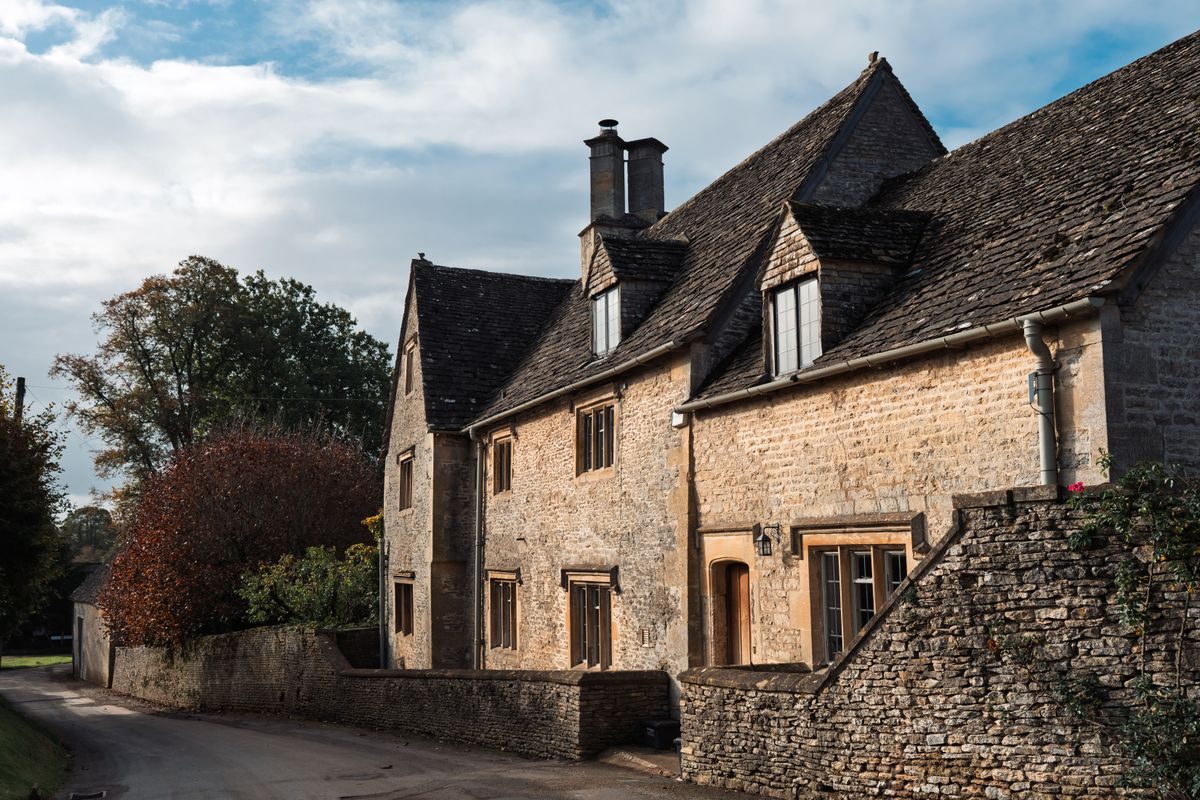
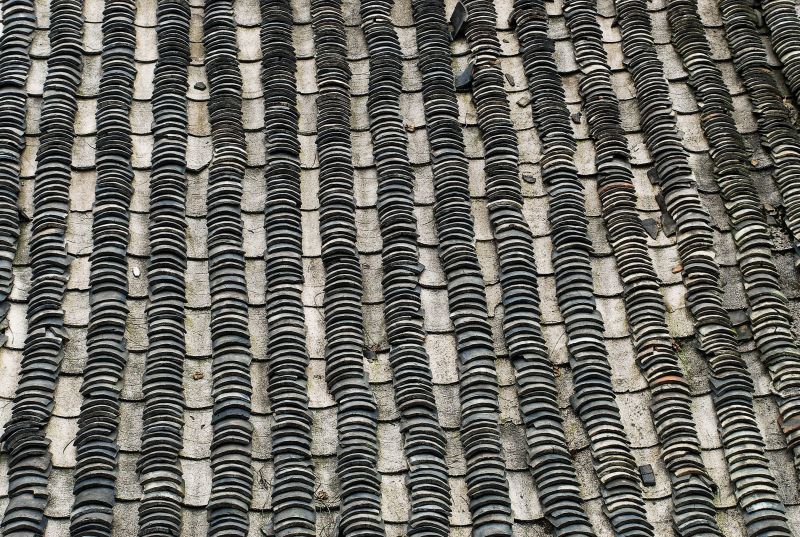
Nail failure. On older Chester properties - the Victorian and Edwardian terraces common across areas like Hoole, Handbridge, and Newton - roof slates were nailed to the battens with iron nails that have now corroded to almost nothing. When a corroded nail finally fails, the slate it was holding slides down and either catches on the slate below or falls. A roof with failed nails in one area often has the same problem developing across the whole slope, which is important context for understanding whether one slipped slate is an isolated issue or the leading edge of a wider problem.
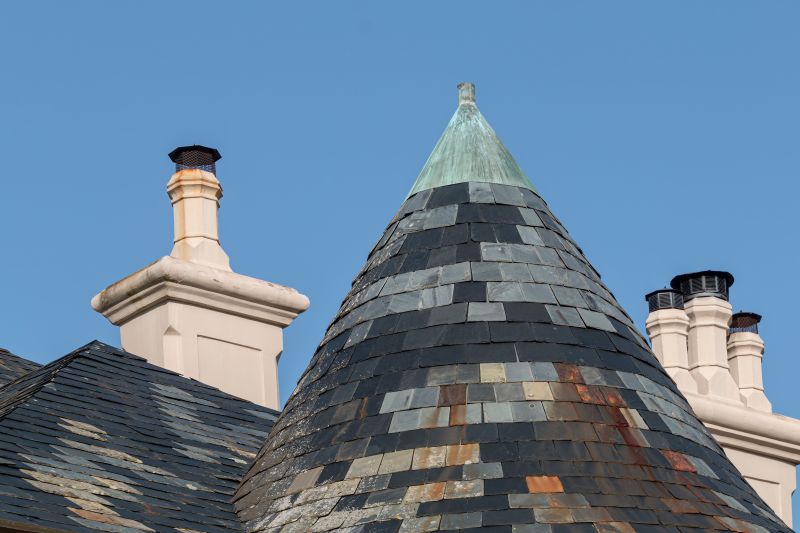
Broken nibs. Plain clay or concrete tiles hang on the batten from a small projection at the top called a nib. If the nib breaks - from frost, from age, or from physical impact - the tile loses its grip on the batten and slips forward. Unlike nail failure, broken nibs are usually isolated incidents rather than a symptom of systemic deterioration.
Batten failure. If the timber batten a tile was fixed to has rotted or cracked, the tile above it loses its support. This is more commonly found on the lower courses of older Chester roofs where moisture from the gutters has crept back under the tiles and into the batten.
Roof movement. Gradual structural movement - in older buildings or on roofs with inadequate bracing - can cause tiles to shift over time. This tends to show as a pattern of slipping across a section rather than isolated failures.
How Urgent Is It?
Chester Roofers & Contractors treats any gap in the roof covering as something to address before the next significant rainfall rather than before the next dry spell. The urgency is higher for slates and tiles over a bedroom or a bathroom where a leak manifests quickly, and lower for a garage or outbuilding where a wet patch may be less immediately damaging.
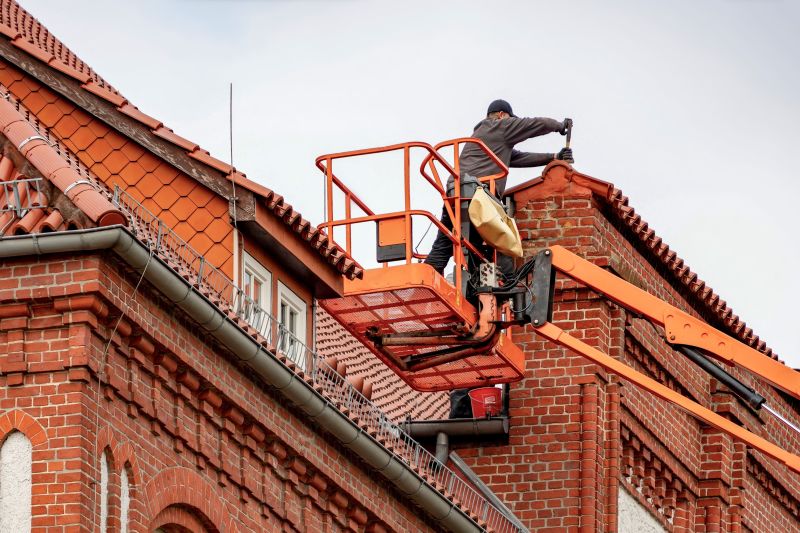
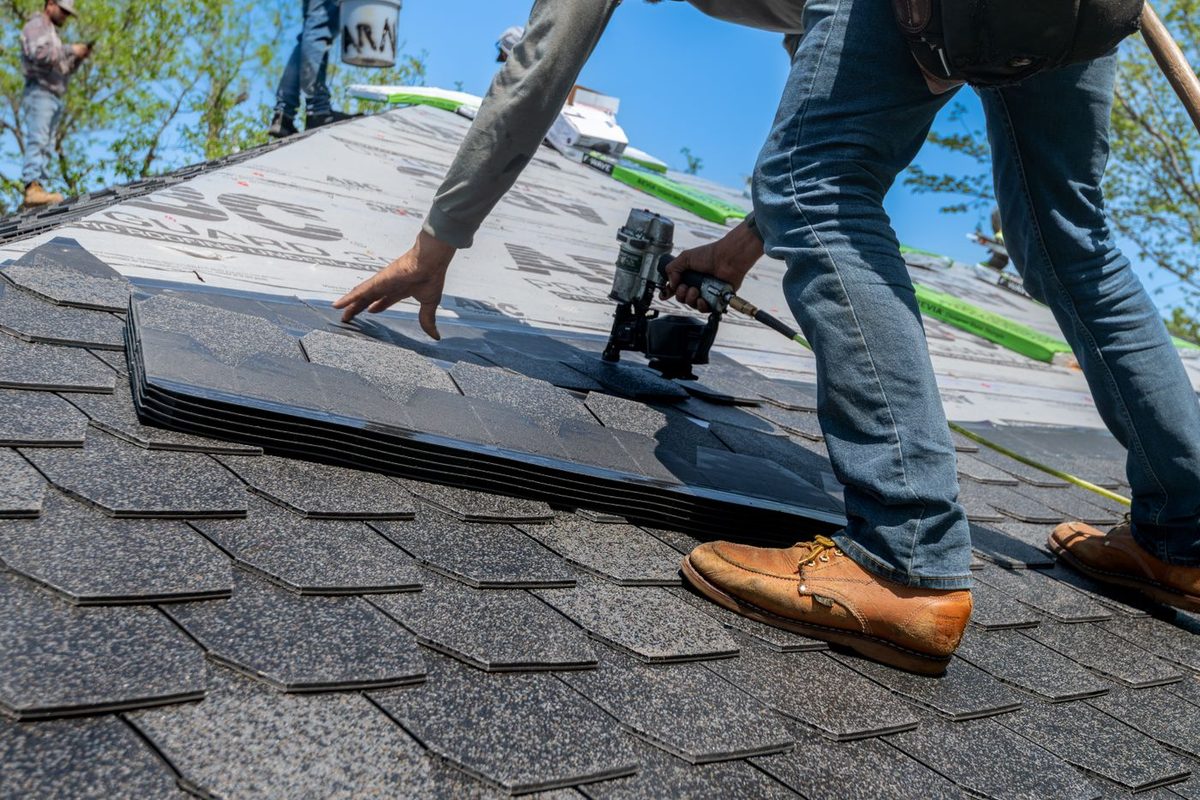
A temporary fix - sealing around a displaced tile with roofing cement - is a short-term measure that stops immediate water ingress but isn't a lasting repair. The permanent fix is to lift the affected and surrounding tiles, inspect the batten and underlayer, replace any damaged timber, and refix the slates or tiles correctly.
We've covered ridge tile and pointing problems in Chester separately - and slipped tiles at the ridge or hip are worth treating as a combined inspection since access is from the same scaffold position.
What It Costs to Fix in Chester
Single slate or tile replacement (one or two isolated failures): £80-£200 including scaffold or ladder access, tile, and fixing.

Multiple slate or tile repairs (five to twenty failures across a slope): £200-£500 depending on access and the extent of batten or underlayer work needed.
Isolated nail failure on an older slate roof with widespread loose slates: If a significant proportion of the slates are loose due to corroded nails, re-roofing the affected slope is usually more cost-effective than re-nailing each slate individually. This is a larger job - typically £2,000-£5,000 for one slope on a Chester semi - but avoids spending the same money in repeated small repairs over the next few years.
FAQ
Q: Is a single slipped tile on a Chester roof urgent?
Yes, it should be addressed before the next significant rainfall rather than deferred. A gap in the roof covering allows water ingress that the underlayer wasn't designed to handle continuously, and moisture getting into the roof structure causes progressively worse damage the longer it's left.
Q: What causes tiles to slip on older Chester properties?
Corroded nails (very common on Victorian and Edwardian properties), broken tile nibs, rotted battens, or general roof movement. Nail failure in particular tends to be systemic - one failing nail often indicates the same problem developing across the rest of the slope.
Q: Can I fix a slipped tile myself on a Chester roof?
Getting onto a roof without proper equipment is dangerous, particularly on a pitched roof. For anything other than a single-storey outbuilding, the safe approach is to use a qualified roofer with proper ladder or scaffold access.
Q: When does a slipped tile repair become a re-roofing job?
When the underlying cause is widespread nail failure or widespread batten deterioration across the full slope, replacing individual tiles is less cost-effective than re-covering the slope entirely. A roofer can assess the overall condition of the roof during a repair visit and advise on whether further work is likely.
Ready to work with Chester Roofers & Contractors?
Let's connect! We’re here to help.
Send us a message and we’ll be in touch.
Or give us a call today at 01244 740253
Agency Contact Form
More Marketing Tips, Tricks & Tools
Chester Roofers & Contractors