Dry Verge and Dry Ridge Systems in Chester: What They Are and What They Cost
If your roof edges or ridge line are held on with mortar, you're relying on a material that starts cracking after 15 - 20 years. Mortar bedding is the traditional way of fixing ridge tiles along the top of a roof and verge tiles down the gable ends, but it's also one of the most common failure points on a Chester roof. Once it cracks, tiles work loose, water gets in, and a windy night can send a ridge tile crashing to the ground. Dry verge and dry ridge systems fix all of that by ditching mortar entirely and clamping tiles down with mechanical clips, screws and unions instead. They cost more upfront - typically 30 - 50% above a mortar re-bed - but they last far longer and need next to no maintenance. In a city where the North West climate delivers around 900mm of rain a year, frequent wind off the Irish Sea and 40 - 50 frosty nights a winter, that trade-off makes a lot of sense. Here's how these systems work and what they cost in Chester.
What Dry Verge and Dry Ridge Systems Actually Are
These are two related "dry-fix" systems, meaning they fix roof tiles in place without wet mortar. Instead of bedding tiles in a mortar mix that hardens and eventually cracks, they use engineered plastic or metal components that mechanically grip each tile.
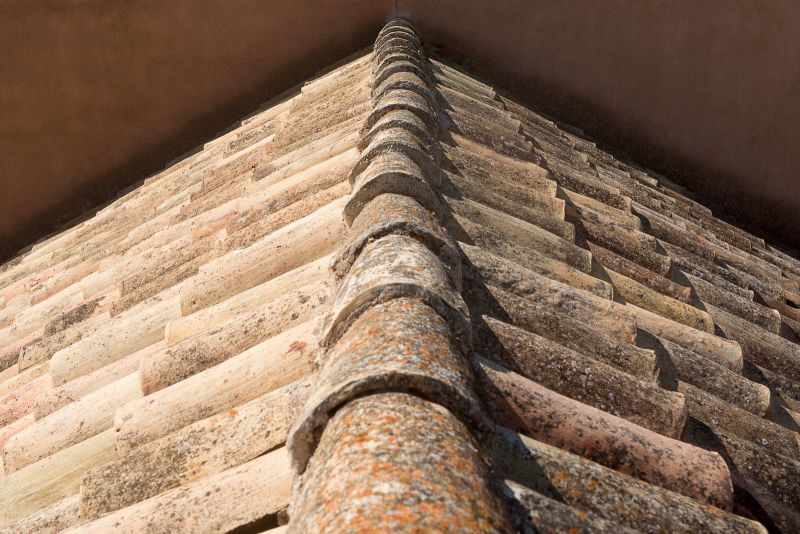
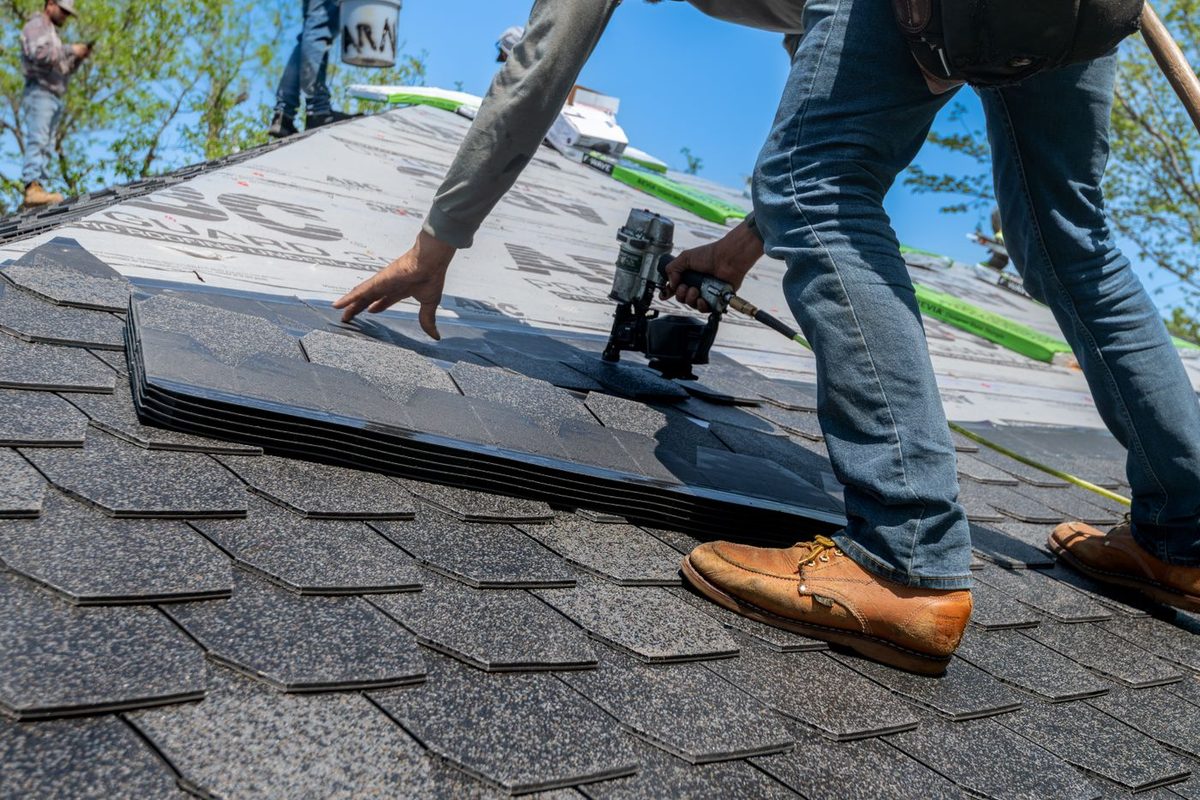
A dry ridge system runs along the apex - the horizontal line at the very top of the roof. It uses a roll of breathable ridge membrane, plastic ridge unions, and screw-fixed clamps or brackets that lock each ridge tile down onto the tiles below. A dry verge system does the same job down the sloping gable edges of the roof, where the tiles meet the end wall. It uses interlocking plastic caps, or "dry verge units," that clip over each tile end and screw into the roof batten.
The whole point is a positive mechanical fix rather than a chemical bond you hope holds. Dry-fix has become the standard on new-build roofs across the UK, and since 2015 British Standard BS 5534 has effectively required mechanical fixing of ridges and verges on new and re-roofed properties - mortar alone no longer meets the standard. If you're re-roofing a Chester home, dry-fix isn't just an upgrade, it's usually what current standards expect. It's worth talking it through with a roofer early, and you can get advice from Chester Roofers & Contractors on whether your roof suits a dry-fix conversion.
How Dry-Fix Differs From Traditional Mortar
The difference is what holds the tiles down and how long it lasts. Mortar is a mix of sand and cement that's troweled under and between ridge or verge tiles, then left to set. It looks neat when new, but it's rigid, and a roof is anything but static.
Roofs expand, contract and flex with temperature and wind. Mortar can't move with them, so it cracks. Chester's climate speeds this up: water seeps into a hairline crack, freezes on one of the city's 40 - 50 frosty nights, expands, and widens the gap. Over 15 - 20 years that repeated freeze-thaw turns a solid mortar joint into a crumbling one. Once it fails, tiles loosen and water tracks underneath.
Dry-fix sidesteps the whole problem. The clips and unions flex slightly and grip mechanically, so there's nothing to crack. There's also a ventilation bonus - dry ridge systems include a breathable membrane that lets the roof space breathe along the apex, which helps prevent the loft condensation that plagues older Chester homes. We've written more about that in our guide to ridge tiles and re-pointing in Chester, which covers the mortar side in detail if you're weighing the two approaches.
Why Dry-Fix Suits Chester's Wet, Windy Climate
Chester sits in the wetter half of England, catching around 900 - 1,000mm of rain a year, well above the drier eastern counties. It also gets frequent wind-driven rain rolling in off the Irish Sea and the Welsh hills. Wind-driven rain is exactly what finds the gaps in failed mortar, pushing water sideways and upwards into joints that vertical rain would run straight off.

Wind is the bigger danger, though. Loose, mortar-bedded ridge tiles are one of the most common storm casualties in Cheshire - a strong gust catches a tile that's lost its grip and drops it two storeys onto a path or car. Because dry ridge and dry verge systems screw each tile down individually, they hold in wind speeds that would strip a tired mortar roof. Manufacturers rate quality dry-fix systems to withstand gusts well above the 80mph range that occasional Chester storms produce.
The freeze-thaw resistance matters just as much. With dozens of frosty nights each winter, any water-absorbing joint on a Chester roof is on borrowed time. Dry-fix has no wet joint to absorb water, so freezing simply has nothing to work on. For a roof that has to survive rain, wind and frost in roughly equal measure, a mechanical fix is better matched to local conditions than mortar ever was.
What Dry Verge and Dry Ridge Systems Cost in Chester
Pricing depends on roof size, tile type and access, but here are realistic Chester figures for the two systems.
Dry verge (per gable end): £150 - £400 per side, so a standard house with two gable ends often lands around £300 - £800 in total.
Dry ridge (full ridge line): £450 - £900 for a typical terraced or semi-detached Chester roof, covering the membrane, unions and clamps along the whole apex.
Combined dry ridge and dry verge re-fix: £700 - £1,500 for a standard three-bed house done together, which is the most cost-effective way to do it since the scaffolding or access is shared.
Access is the usual swing factor. A single-storey extension edge might be reachable from a tower, while a two-storey Chester terrace with a shared gable can add £300 - £500 in scaffolding alone. Compared with a mortar re-bed at roughly £300 - £700, dry-fix costs perhaps 30 - 50% more upfront. The catch is that mortar needs redoing every 15 - 20 years, while a dry-fix system is designed to last the life of the roof covering - often 40 years or more - with no re-pointing in between. Over two or three decades, dry-fix usually works out cheaper.
When Dry-Fix Is the Right Choice - and When It Isn't
Dry-fix is the obvious pick when you're re-roofing, when your mortar has already failed, or when you simply want to stop worrying about ridge tiles in every storm. If a roofer is up there anyway replacing tiles, converting to dry ridge and verge adds relatively little and future-proofs the roof. For most standard Chester semis and terraces, it's the sensible long-term option.

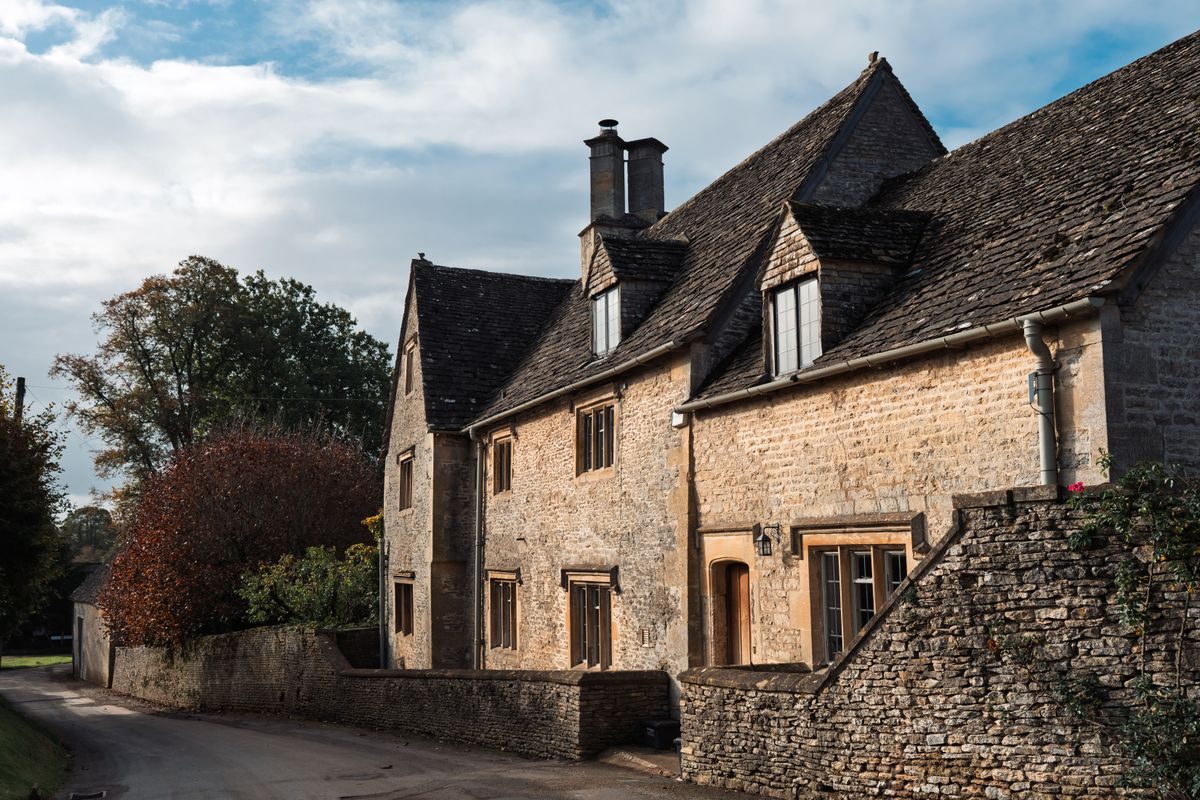
There are cases where it's not so simple. Chester has hundreds of listed buildings and around a third of the city centre falls within a conservation area, where the appearance of the roof matters for planning. Some dry verge caps have a more modern, plastic look that isn't always appropriate on a heritage property, and altering a listed roof can need consent. If your home is listed or in a conservation area, it's worth checking the government's guidance on listed buildings and conservation areas and using a roofer experienced with older properties, who can source lower-profile or colour-matched components.
Quality of installation matters more than the brand of system. Around 60% of the dry-fix complaints Cheshire roofers hear about come down to poor fitting - units not screwed to the batten properly, or a ridge membrane laid without enough overlap. A system that's designed to last 40 years only does so if it's installed right, so choosing a contractor who fits dry-fix regularly is more important than shaving a little off the quote.
Choosing a Roofer for Dry-Fix Work in Chester
Not every roofer fits dry-fix systems to the same standard, so it pays to check before you hire. Ask how many dry ridge and verge conversions they've done recently, and ask to see photos of finished work. A roofer who does these weekly will have plenty; one who mostly re-beds mortar may be learning on your roof.

Check credentials as well. A contractor registered with a government-endorsed scheme like TrustMark's approved trader network gives you recourse if the work isn't up to standard, which a cash-in-hand job never will. It's also worth confirming they work to the current standards - the National Federation of Roofing Contractors' guidance sets out what competent dry-fix installation should look like, including correct screw fixings and membrane laps.
Finally, get the components specified in writing. There's a real quality gap between budget dry verge units that go brittle in UV after a few years and premium systems rated for decades. Roughly 1 in 5 cheap dry-fix installations we're asked to look at have started cracking within five years, almost always because a lower-grade product was used to hit a price. Pay for a properly specified system fitted by someone who does it often, and a dry ridge or dry verge roof should outlast the next two mortar re-beds combined.
---
FAQ
Q: How much do dry verge and dry ridge systems cost in Chester?
A: Dry verge runs about £150 - £400 per gable end, and a full dry ridge line is typically £450 - £900 on a standard Chester house. Doing both together on a three-bed home usually costs £700 - £1,500 because the access is shared. That's around 30 - 50% more than a mortar re-bed, but dry-fix lasts the life of the roof rather than needing redoing every 15 - 20 years.
Q: Are dry-fix roof systems better than mortar in Chester?
A: For most homes, yes. Mortar cracks after 15 - 20 years, sped up by Chester's frequent frosts and wind-driven rain, whereas dry-fix clamps each tile mechanically so there's no joint to fail. Dry ridge systems also add ventilation that helps prevent loft condensation. Mortar can still suit some heritage roofs where appearance matters for planning.
Q: Do I need dry-fix if I'm re-roofing a Chester home?
A: Effectively yes. Since 2015, British Standard BS 5534 has required mechanical fixing of ridges and verges on new and re-roofed properties, so mortar alone no longer meets the standard on a re-roof. A reputable Chester roofer will fit dry-fix as standard on any full re-roof rather than relying on mortar.
Q: Can I fit dry verge on a listed building in Chester?
A: Sometimes, but with care. Around a third of central Chester is in a conservation area and the city has many listed buildings, where the roof's appearance matters for planning and alterations can need consent. Some dry verge caps look modern, so use a roofer who can source lower-profile or colour-matched components and check whether consent is required first.
---
Ready to work with Chester Roofers & Contractors?
Let's connect! We’re here to help.
Send us a message and we’ll be in touch.
Or give us a call today at 01244 740253
Agency Contact Form
More Marketing Tips, Tricks & Tools
Chester Roofers & Contractors