Moss and Algae on Chester Roofs: Removal Costs and Whether It Actually Matters
Moss loves Chester. The city sits in one of England's wetter corners - around 900mm of rain a year against a national average nearer 850mm - and the North West's mild, damp winters give moss and algae the near-permanent moisture they need. Walk any street of Victorian terraces or 1930s semis in Chester and you'll see it: green cushions along the ridges, dark algae streaks down north-facing slopes. Industry surveys suggest well over half of UK roofs over 20 years old carry visible moss growth, and in wet regions like Cheshire that figure climbs higher. The awkward truth is that some of it matters and some of it genuinely doesn't. Removal quotes in Chester range from £8 to £20 per square metre - £400 - £1,200 for a typical semi - so before you spend that, it's worth knowing when moss is a real problem and when it's just cosmetic.
Does Moss Actually Damage a Roof?
Sometimes. The honest answer is that moss is a slow, indirect problem rather than the roof-killer that door-knocking cleaning companies make it out to be.
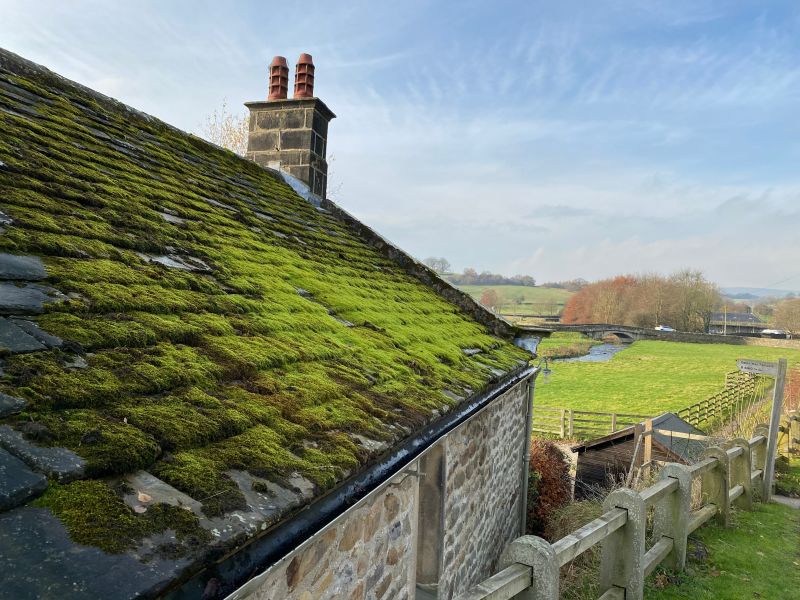
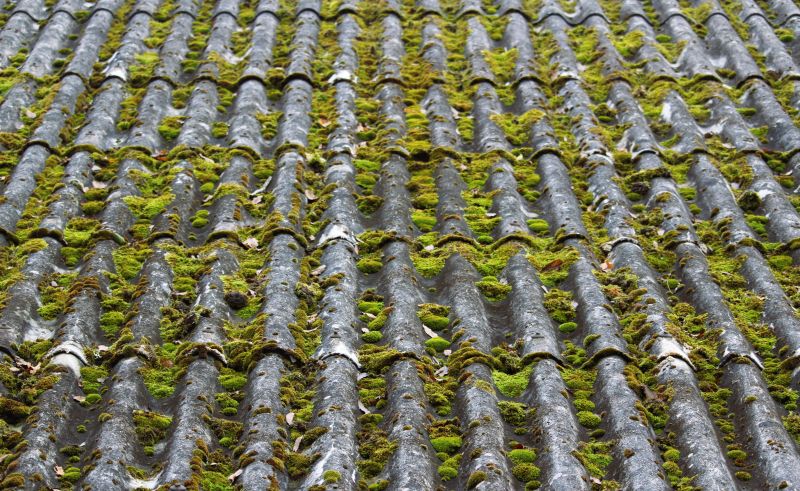
Moss holds water - a mature cushion retains several times its own weight in moisture. On a sound roof that's mostly harmless, but it keeps the tile surface wet for longer, and on Chester's older concrete tiles that accelerates surface erosion. In freezing spells the trapped water expands, and repeated freeze-thaw cycles - Chester typically records 30-40 air frost days a year - can spall tile surfaces and open hairline cracks. Moss pads also lift tile edges slightly, and lumps that break away wash into gutters and valleys, which is where the real trouble starts.
If you're deciding whether yours matters, Chester Roofers & Contractors can look at the roof and tell you straight whether you're looking at a cosmetic issue or a developing fault - a roofing firm has no reason to sell you a clean the roof doesn't need.
Moss vs Algae vs Lichen: They're Not the Same Problem
The three green things on Chester roofs behave very differently, and lumping them together is how homeowners end up paying for treatments they don't need.
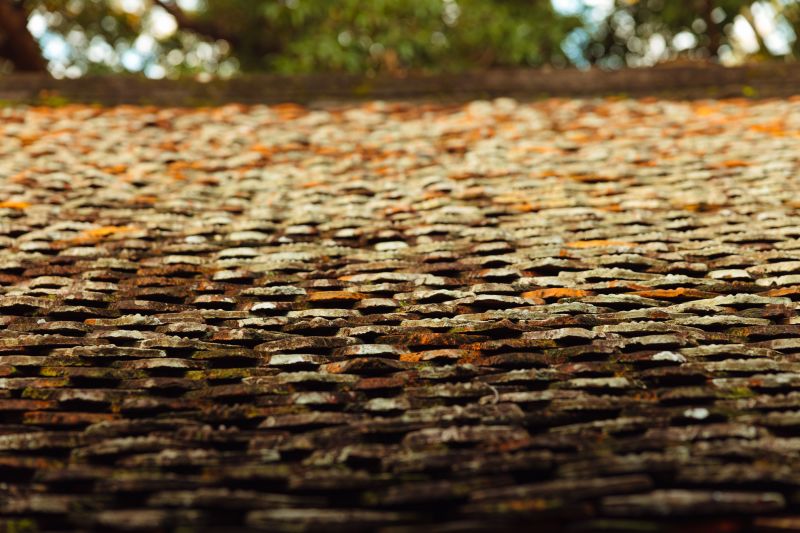
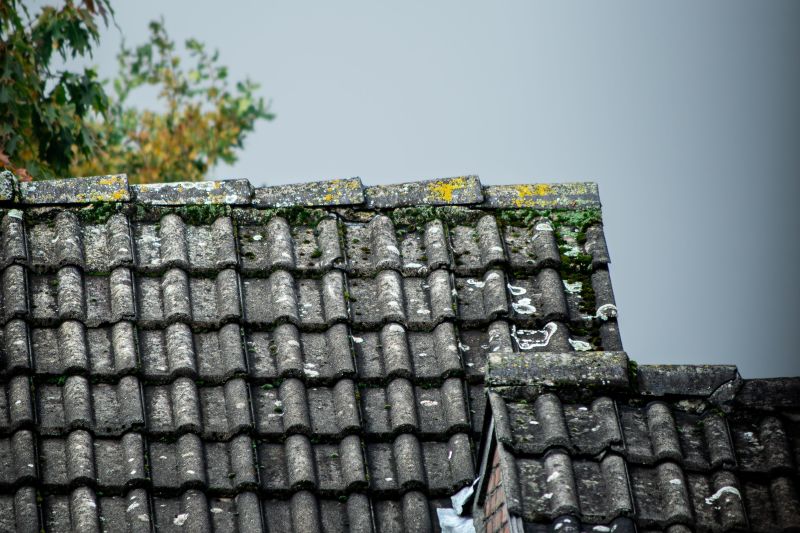
Moss is the thick green cushioning, worst on north-facing and tree-shaded slopes. It's the one that holds water, blocks gutters and lifts tiles - the one worth dealing with. Algae is the thin dark staining, often in streaks. It's purely cosmetic on tiles and slate; it does essentially no structural harm and costs nothing to ignore. Lichen is the flat crusty discs, usually grey-white or orange. It bonds to the tile surface and etches it very slowly over decades, but aggressive removal does more damage in an afternoon than the lichen would do in 20 years.
A useful rule of thumb: if you can grab it in handfuls, it's worth removing. If it's a stain, it's a paint job for the roof - and nobody paints their roof.
What Moss Removal Costs in Chester
Chester prices for professional moss removal cluster around £8 - £20 per square metre depending on method, access and roof condition. For a typical three-bed semi with 80-110m² of roof, that's £400 - £1,200. A full "clean, treat and coat" package - which we'd rarely recommend - can run £2,000 - £4,000.
The method matters more than the price. Manual scraping and brushing from ladders, roof ladders or a tower, followed by a biocide treatment to kill the remaining growth, is the approach that respects the roof. The biocide (typically a benzalkonium chloride solution) keeps regrowth away for 2-4 years in Chester's climate. Steam or low-pressure cleaning is acceptable on sound modern concrete tiles.
There's no shortage of firms offering it either - roof cleaning has low barriers to entry, so Chester and the wider Cheshire area have plenty of operators, from proper roofing contractors down to a man with a pressure washer. Quotes for the same roof can vary by 100%+, which tells you to get two or three and ask exactly what method each price buys.
Why pressure washing is the wrong answer
Pressure washing strips moss fast, and it also strips the granular surface off concrete tiles, drives water under laps and into the roof space, and can crack older tiles outright. On Chester's Welsh slate roofs it's worse still - slate is durable against weather but brittle against point loads and blasting, and a century-old slate roof that's survived everything the North West could throw at it can be wrecked in a weekend by a jet wash. The NFRC's guidance for homeowners on roof cleaning and maintenance is blunt about high-pressure washing for good reason. If a quote involves a pressure washer on an old roof, take a different quote.
The Real Casualty: Your Gutters
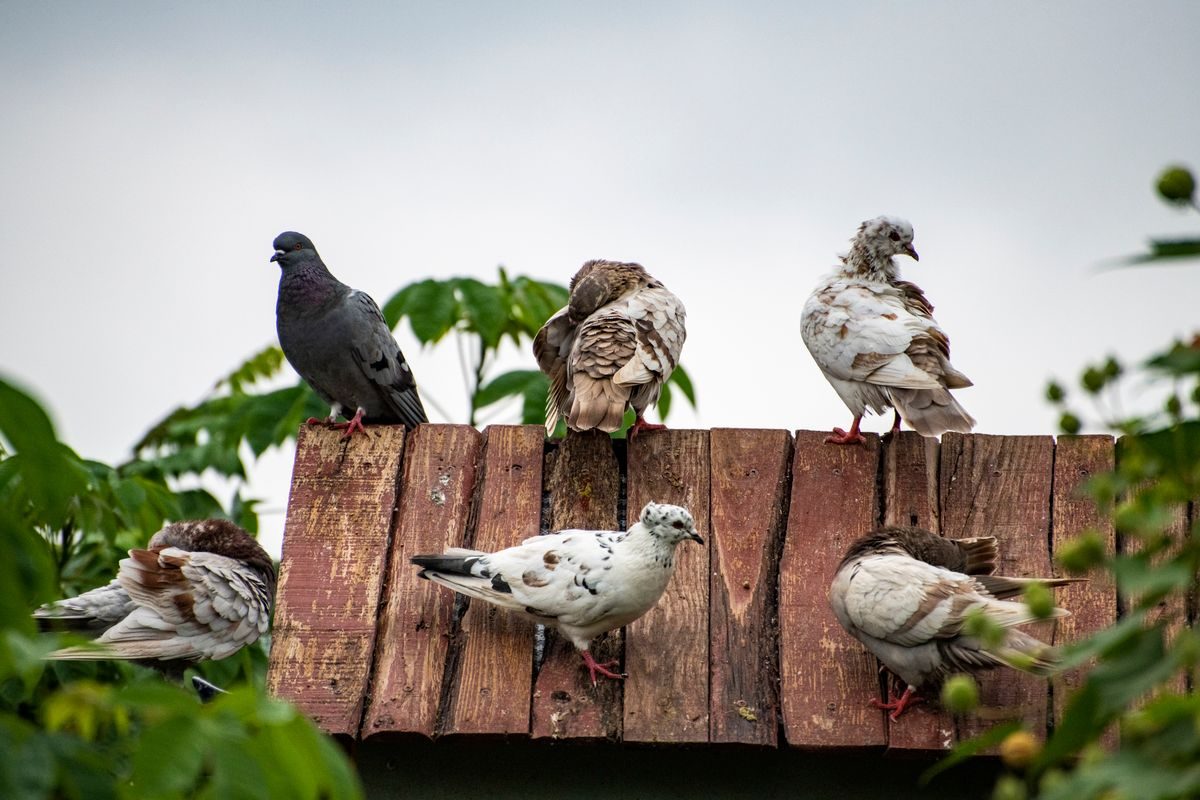
Ask a Chester roofer what moss actually costs homeowners and the answer is usually guttering, not tiles. Dislodged moss - washed down by rain or dropped by the birds that pick through it for grubs - is the single most common cause of blocked gutters and downpipes on older Chester properties.
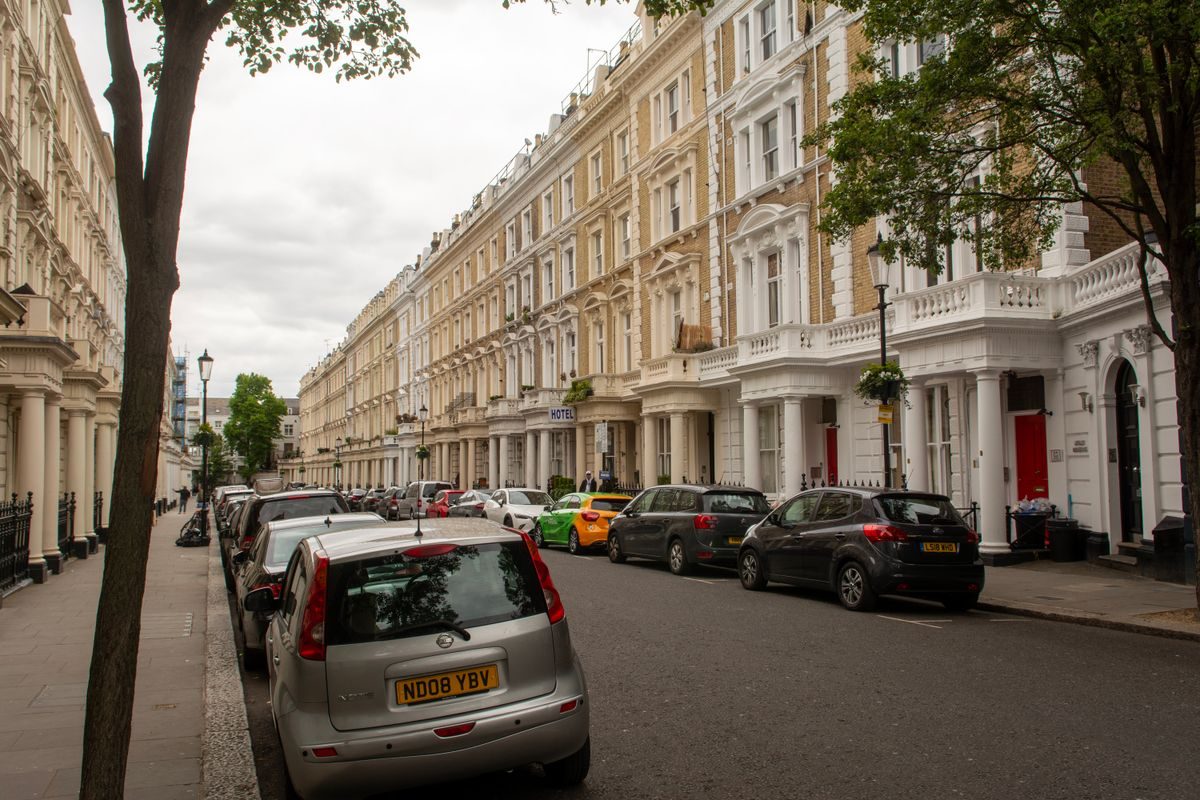
A blocked gutter overflows down the wall, and on solid-wall Victorian and Edwardian houses - which have no cavity to interrupt the moisture - that means damp patches on internal walls, rotted fascia boards and saturated wall heads. Gutter clearance costs £60 - £120; the damp remediation and joinery repairs that follow years of overflow run into four figures. We've covered what fails at the roofline and what replacement costs in our guide to gutters, fascias and soffits in Chester, which is the natural companion read to this one.
If your roof carries heavy moss, budget for gutter clearance once or twice a year even if you leave the roof itself alone. It's the cheapest insurance in this whole subject.
Slate, Conservation Areas and Chester's Older Roofs
Chester's building stock changes the calculation. A large share of the city's older housing is roofed in Welsh slate, and much of the centre sits within conservation areas with a good number of listed buildings besides.
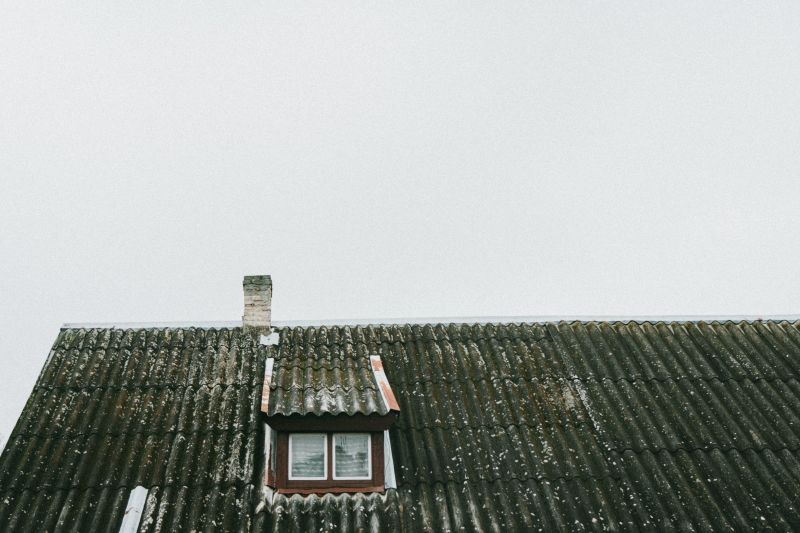
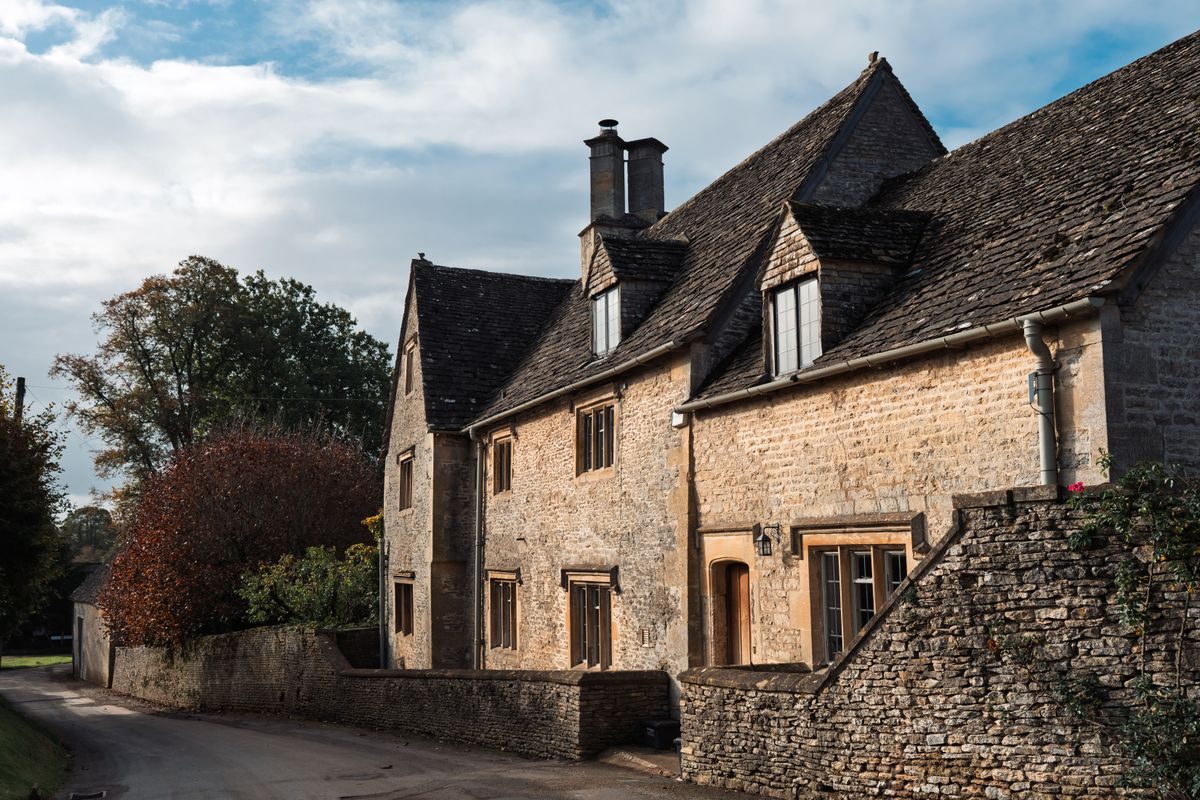
On slate, moss growth tends to be lighter than on concrete tile (slate's smooth surface gives moss less grip) but the roof is far less tolerant of clumsy removal. Walking an old slate roof cracks slates; scraping hard chips edges; and every cracked slate is a future leak. Slate roofs should be cleaned - if at all - by someone who works on slate for a living, from proper access, with hand tools. On listed buildings, even cleaning methods can be a consent question if they risk altering the character or fabric of the roof - the government's guidance on listed buildings and when consent is needed is worth checking before signing anything, and Cheshire West and Chester Council's conservation officers would always rather field a quick question than deal with damage after the fact.
The practical upshot: on a pre-1919 Chester slate roof, the bar for intervening should be high. Light moss on sound slate is character, not crisis.
Keeping It From Coming Back
Whatever you spend on removal buys you a clean roof for 2-4 years in Chester's climate, not forever. The spores are in the air and the rain keeps falling - roughly 150-170 rain days a year in the North West - so regrowth is a when, not an if. A few things slow it down considerably.
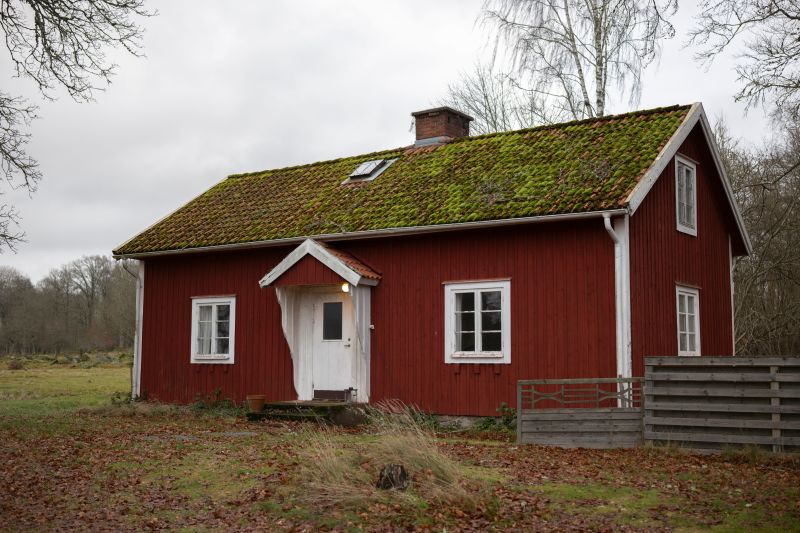
Copper is the classic fix: a copper ridge strip or copper wire run below the ridge releases trace ions every time it rains, inhibiting moss for 10-15 metres of slope below. Installed during other roof work it costs £150 - £400 and is the best long-term value in moss prevention. Zinc strips work similarly at slightly lower cost and effectiveness.
Cutting back overhanging trees helps more than people expect - shade and leaf litter are moss's best friends, and a slope that gets direct sun for even part of the day carries visibly less growth. Beyond that, an annual visual check and a biocide re-treatment every few years keeps a cleaned roof clean for a fraction of the original removal cost. If you're hiring for any of it, checking the firm on the TrustMark register of government-endorsed tradespeople filters out most of the pressure-washer cowboys in one step.
So Does It Actually Matter? The Short Version
Heavy moss cushions on an ageing concrete tile roof in Chester: yes, deal with it - the freeze-thaw wear, lifted tiles and blocked gutters are real, and £400 - £1,200 spent on careful removal is cheaper than the damage. Thin algae staining: no, it's cosmetic, save your money. Light moss on sound Welsh slate: usually leave it, because the removal risks more than the moss does. And in every case, keep the gutters clear - that's where moss does 80% of its real damage to Chester homes.
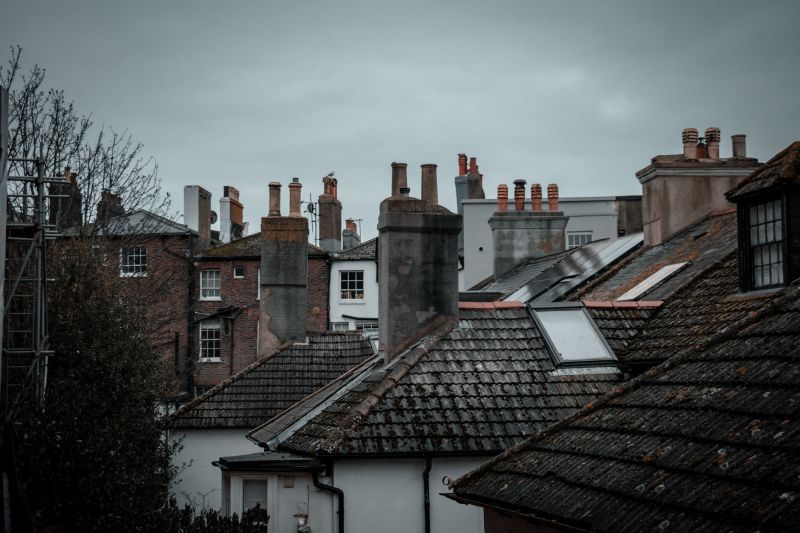
If you're unsure which category your roof falls into, a ten-minute look from a roofer settles it. What you shouldn't do is make the decision at the door with someone who's "just cleaned a roof round the corner" and can do yours today for cash.
---
FAQ
Q: How much does moss removal from a roof cost in Chester?
A: Professional moss removal in Chester costs £8 - £20 per square metre, or £400 - £1,200 for a typical three-bed semi. That should mean manual scraping plus a biocide treatment - not pressure washing, which damages tiles and slate.
Q: Does moss actually damage roof tiles?
A: Heavy moss holds moisture against tiles, accelerates freeze-thaw damage during Chester's 30-40 frost days a year, and lifts tile edges. Its biggest real-world cost is blocked gutters from dislodged clumps. Thin algae staining, by contrast, is purely cosmetic.
Q: Should I pressure wash my roof to remove moss?
A: No. Pressure washing strips the protective surface from concrete tiles, forces water under the tile laps, and can crack older tiles and slates outright. Manual scraping followed by a biocide treatment is the method roofing trade bodies recommend.
Q: How long does moss treatment last in Chester's climate?
A: A biocide treatment typically keeps regrowth away for 2-4 years given Chester's roughly 900mm of annual rain. A copper ridge strip (£150 - £400 fitted) extends that considerably by inhibiting moss on the slopes below it.
Q: Can I clean the roof of a listed building in Chester?
A: Carefully, and sometimes only with consent - cleaning methods that risk altering the fabric or character of a listed roof can be a listed building consent matter. On old Welsh slate the removal often risks more damage than the moss, so get advice before any work starts.
---
Ready to work with Chester Roofers & Contractors?
Let's connect! We’re here to help.
Send us a message and we’ll be in touch.
Or give us a call today at 01244 740253
Agency Contact Form
More Marketing Tips, Tricks & Tools
Chester Roofers & Contractors