Chimney Repairs in Chester: What Commonly Goes Wrong and What It Costs to Fix
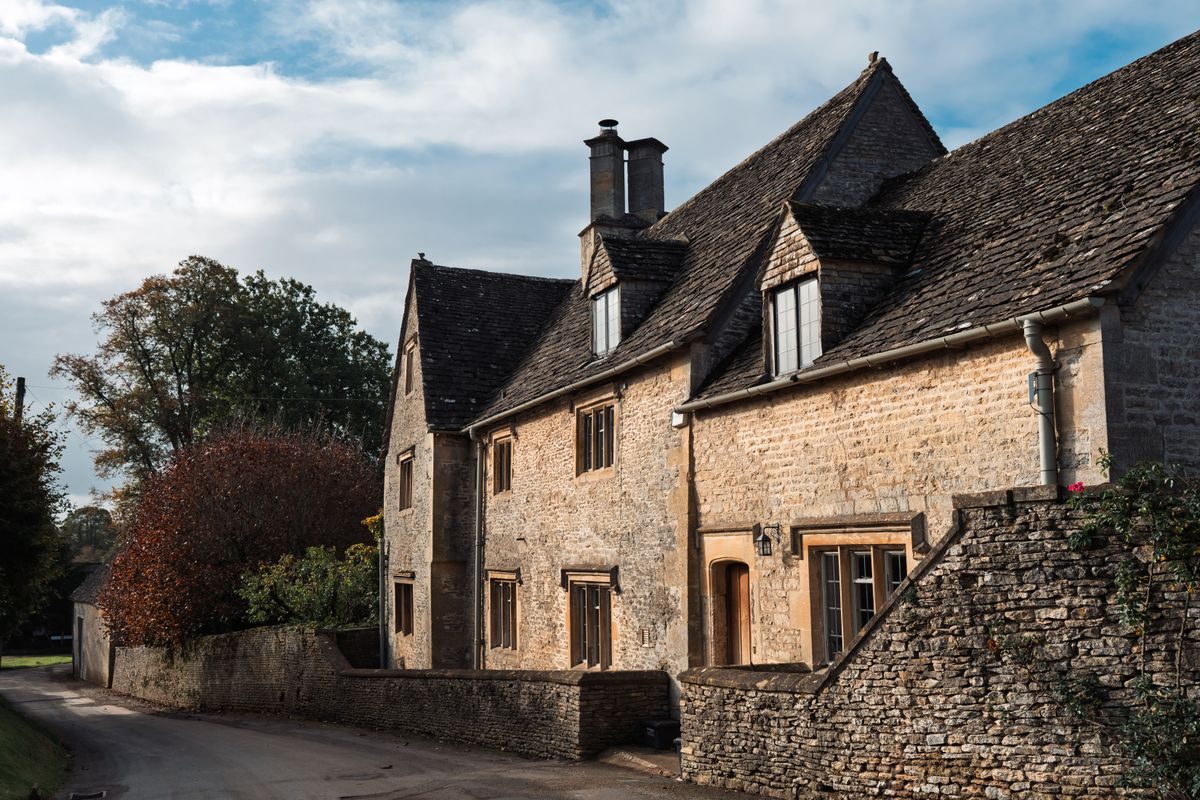
Chester has a high proportion of period housing for a city of its size - Victorian terraces, Edwardian semis, and Georgian town houses make up a significant share of the residential stock across areas like Hoole, Handbridge, and Newton. These properties nearly all have chimneys, and chimneys are among the most exposed and most maintenance-intensive elements on any roof. The North West climate doesn't help: Chester receives around 750mm of rain per year, and the city's position in the Cheshire plain exposes it to wind-driven rain from the south-west that pushes water into the smallest gaps in masonry. A 2023 survey by the National Federation of Roofing Contractors found that chimney-related defects account for approximately 25% of all domestic roof repairs in the UK - a figure that feels plausible to anyone who works on Chester rooftops regularly.
What Parts of a Chester Chimney Actually Fail
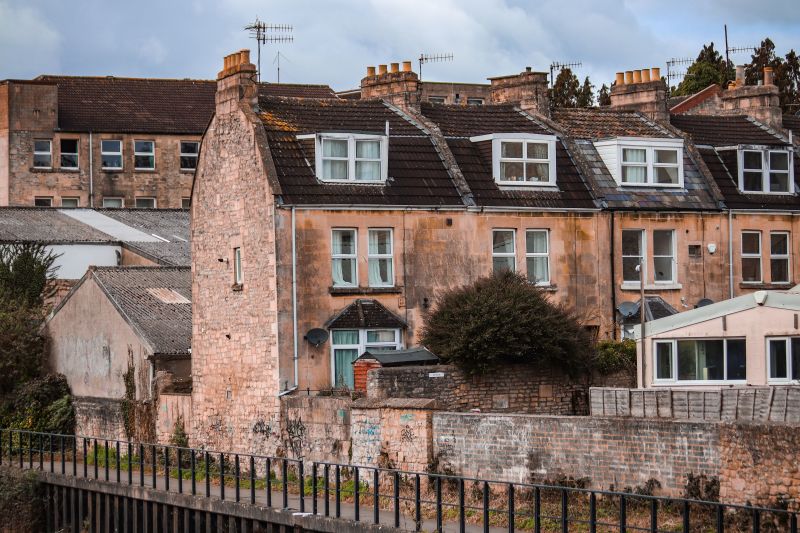
Chimneys are built from several distinct elements, and each one fails in a different way and on a different timescale.
The flaunching is the mortar fillet that seals the base of the chimney pots to the stack. It's exposed on top, takes direct weather impact, and expands and contracts with temperature cycles throughout Chester's variable winters. Flaunching typically lasts 20-30 years before cracking and spalling. Once it cracks, rainwater gets beneath the pots and into the stack.
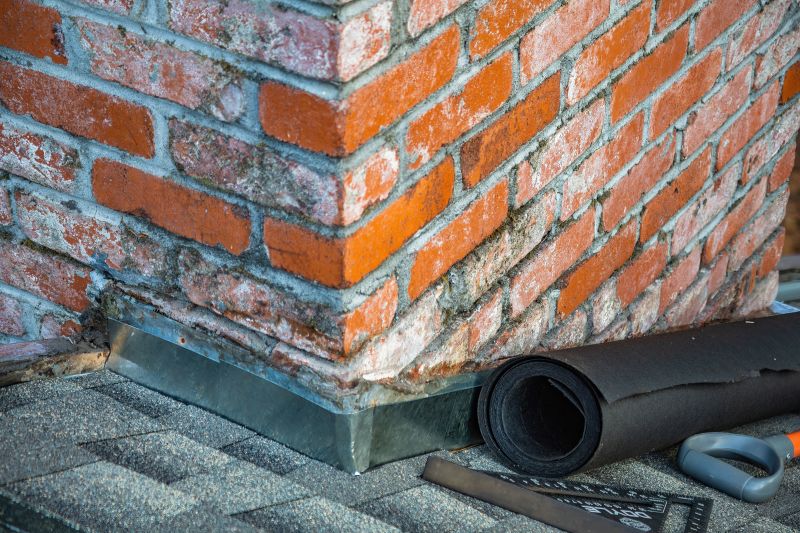
The lead flashing seals the joint between the chimney stack and the roof surface. Step flashing runs up the sides; a back gutter and front apron cover the other faces. Lead work correctly installed lasts 50+ years. But poorly installed or thinly specified lead moves with thermal expansion, pulls away from the mortar, and creates gaps that allow water into the roof structure beneath.
The pointing - the mortar between the bricks of the stack - is attacked by frost, rain penetration, and the slightly acidic gases from flue use. Chester's wet autumns and cold winters accelerate the cycle: water enters cracks, freezes and expands, and progressively loosens mortar joints. Once joints are open to depth, the structural integrity of the stack starts to be affected.
The pots themselves - terracotta - are fairly durable, but old pots develop hairline cracks from frost, which eventually lead to spalling and breakage.
Chester Roofers & Contractors carries out chimney repairs throughout Chester and the surrounding area, including stack rebuilds and complete lead replacement on period properties.
How to Spot Early Signs of Chimney Problems in Chester

The earliest signs of chimney deterioration are often visible from inside the property before they're visible from the street. Damp patches on the chimney breast wall inside a room - particularly on upper floors or in the loft - suggest water is getting in at the flashing or through the stack. White salt deposits (efflorescence) on the chimney breast suggest moisture has been drawing through the brickwork for some time.
From outside, visible crumbling or missing mortar in the pointing is the most obvious tell. Flashing that has lifted or pulled away from the mortar joint is visible on many Chester properties from the street if you know what you're looking for. Leaning or visibly off-plumb chimney stacks indicate a more serious problem with the stack foundation or bonding.
Getting a Chimney Inspected in Chester
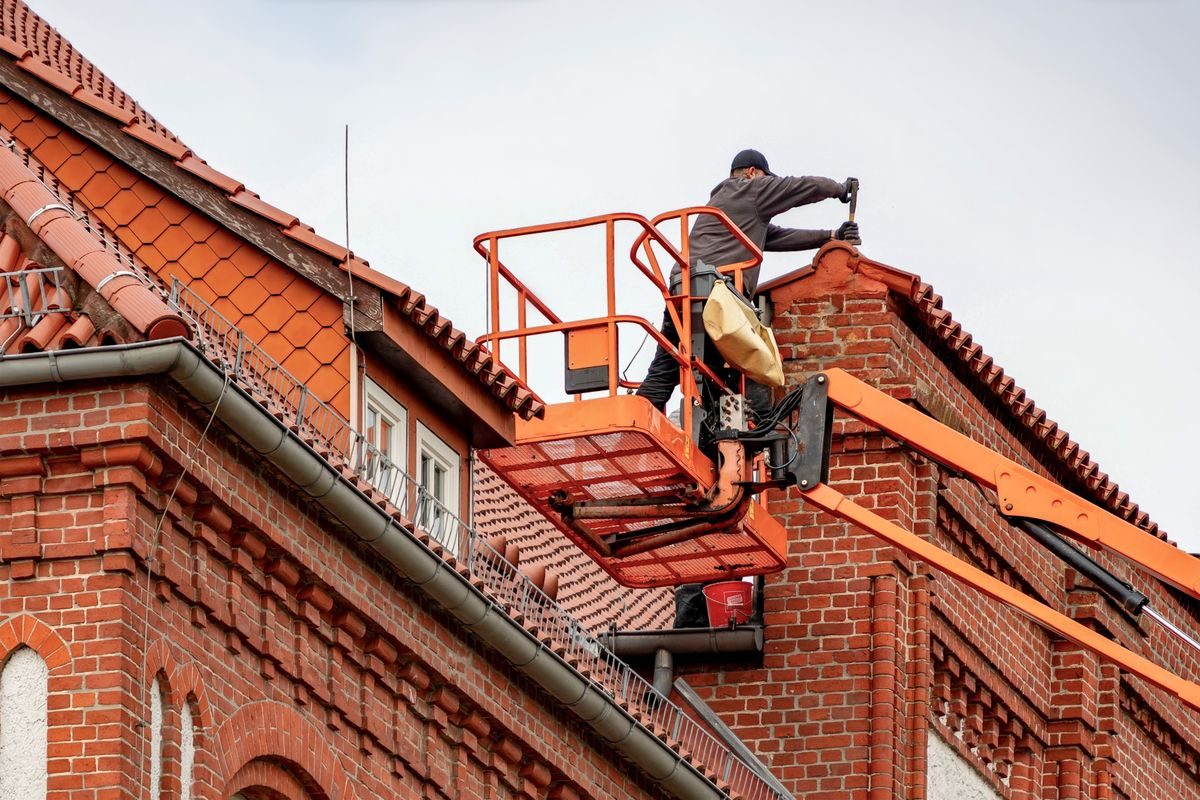
Because chimneys are at height, any inspection beyond what's visible from the ground requires access - either scaffolding or a specialist drone/CCTV survey. A proper chimney inspection before specifying repairs is worth the cost: it's common to have multiple issues on the same stack, and specifying just one repair without checking the rest is false economy.
The National Federation of Roofing Contractors maintains a contractor register that allows you to find NFRC-member roofers in Chester - useful if you're vetting a company before letting them on your roof.
Pointing and Repointing - the Most Common Chester Chimney Repair

Chimney repointing is the most frequently needed repair on Chester's period housing stock. The work involves raking out the existing deteriorated mortar to a depth of 15-20mm and replacing it with a fresh mix - either traditional lime mortar for pre-1919 properties (where lime is the correct match for original materials) or a sand-cement mix for later brickwork.
Lime mortar is the correct choice for Chester's Victorian and Georgian chimneys. Hard cement repointing on old soft bricks causes damage over time - the mortar is harder than the brick, so moisture movement cracks the brick face rather than the joint. A good contractor in Chester will specify lime pointing on any chimney stack built before approximately 1920.
We've looked at gutters, fascias, and the wider roofline in our Chester roofline maintenance guide- chimney repairs and roofline work often make sense to combine since scaffold is already up.
Lead Flashing Repairs on Chester Chimneys
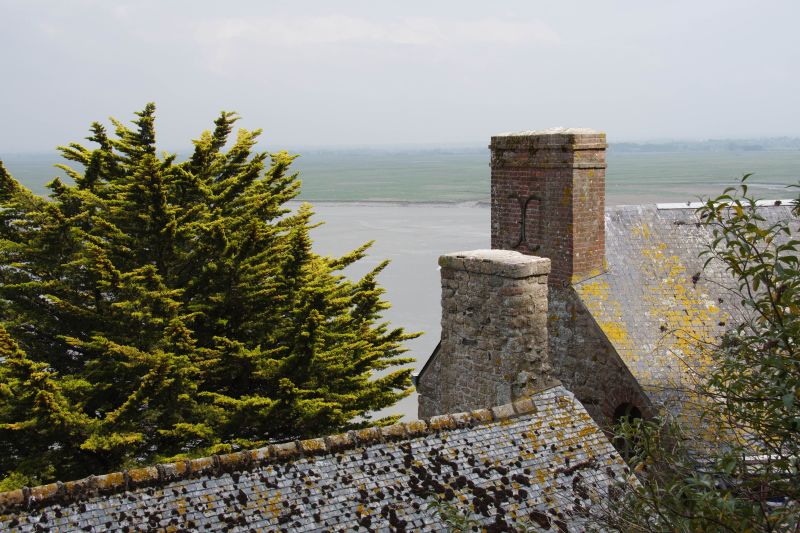
Lead flashing failure is a common source of roof leaks in Chester, particularly on properties built in the 1950s-1980s when thin-gauge lead was sometimes used to keep costs down. Thin lead (code 3 or below) is more prone to thermal movement cracking than code 4 or 5 lead, which is the current standard for chimney flashing.
Lead flashing repair options range from strip sealant (a temporary patch used as a stopgap) through to full lead replacement. Strip sealant products like Flashband are sold at builders merchants and are tempting as DIY fixes, but they're not a substitute for correct flashing and typically last 3-5 years before the edges lift and leaking resumes.
Full lead replacement on a typical Chester chimney - two sides of step flashing plus front apron and back gutter - costs £400 - £900 for the lead work, plus scaffold if not already up for other repairs.
Stack Rebuild - When Pointing and Flashing Isn't Enough

Chimney stacks that have been neglected for many years sometimes reach a point where repair costs more than rebuilding. The tell-tale signs are: significant structural lean, multiple courses of loose or missing bricks, a flaunching that has collapsed entirely and allowed water into the core of the stack, or interior brickwork that has been damaged by repeated freeze-thaw cycles.
A partial or full stack rebuild on a Chester residential property typically costs £1,200 - £3,500 depending on the stack height, accessibility, and specification. Properties with decorative Victorian chimney stacks - corbelled tops, decorative courses - cost more to rebuild faithfully, and some Chester period properties benefit from using a specialist in traditional masonry for this work.
What Chimney Repairs Cost in Chester
Chimney repointing only: £400 - £900 for a standard stack, scaffold additional.
Lead flashing replacement (full set): £400 - £900, scaffold additional.
Flaunching replacement (resetting and resealing pots): £200 - £500.
Scaffold for chimney access, Chester residential property: £600 - £1,400 depending on height and site conditions.
Chimney pot replacement (per pot): £80 - £200 including bedding.
Full stack rebuild (partial or complete): £1,200 - £3,500.
Many Chester chimney repairs are reasonably priced individually but expensive when scaffold costs are added. Combining multiple repairs in one scaffold visit is nearly always better value than dealing with them one at a time.
FAQ
Q: How do I know if my Chester chimney needs repointing?
Look for crumbling or missing mortar between the bricks, damp patches on the chimney breast inside the house, white salt deposits on interior walls, or efflorescence on the exterior brickwork. If any of these are present, have the chimney inspected by a Chester roofer before the next wet season.
Q: Can chimney flashing be repaired rather than replaced in Chester?
Minor lifting or loose sections of lead flashing can sometimes be re-dressed and re-sealed into the mortar joint. If the lead itself is thin, cracked, or very old, repair is a short-term fix. Full replacement with code 4 or 5 lead is the correct solution for Chester's climate and will last 50+ years.
Q: Do I need planning permission to repair my chimney in Chester?
Routine repairs - repointing, flashing replacement, flaunching, pot replacement - don't require planning permission and are permitted development. If your Chester property is listed or in a conservation area (which covers much of the historic city centre), changes that affect the appearance of the chimney may require consent. Check with Cheshire West and Chester Council if unsure.
Q: Why does lime mortar matter for chimney repointing in Chester?
Victorian and Georgian brickwork was laid in lime mortar, which is softer and more flexible than modern cement. Repointing with hard cement on soft old bricks causes the freeze-thaw movement to crack the brick face rather than the joint - which is expensive to fix. Lime mortar matches the original specification and moves with the building correctly.
Q: Is it safe to use a chimney with damaged pointing or flashing?
If the chimney is actively used for a wood burner, open fire, or boiler flue, damage to the stack or flashing should be addressed promptly. Water in the flue can affect the draught and, if the liner is damaged, combustion gases can potentially enter the house. Have it inspected by a HETAS-registered engineer if you're using a solid fuel appliance.
Ready to work with Chester Roofers & Contractors?
Let's connect! We’re here to help.
Send us a message and we’ll be in touch.
Or give us a call today at 01244 740253
Agency Contact Form
More Marketing Tips, Tricks & Tools
Chester Roofers & Contractors