Lead Flashing Repairs in Chester: What Fails and What It Costs
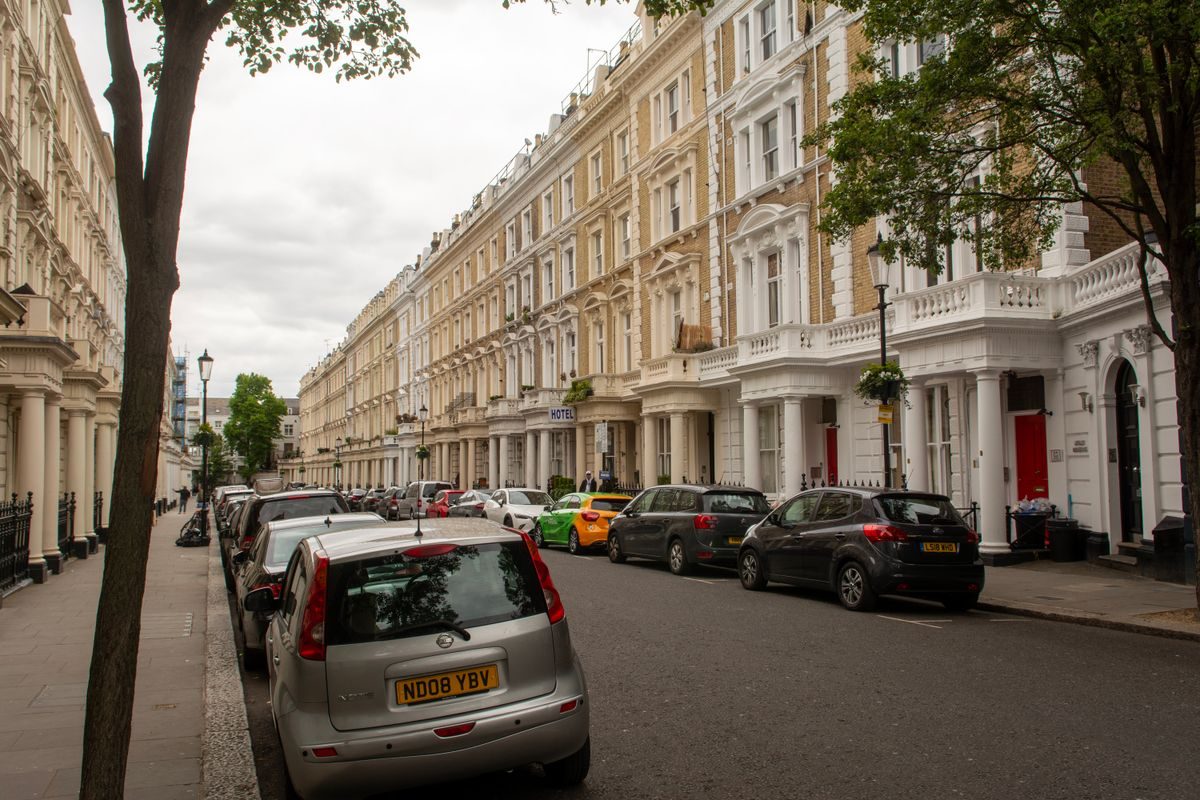
If you've got a leak on a Chester roof, there's a good chance the tiles aren't the problem - the flashing is. Lead flashing seals the joints where a roof meets something else: a chimney, a wall, a valley, a skylight. It's a small part of the roof by area, maybe 2-3% of the surface, but roofers across Cheshire will tell you it's behind well over half the leaks they get called out to. Chester's building stock makes this worse than average. The city has thousands of Victorian and Edwardian terraces with tall chimney stacks, plenty of properties in conservation areas where original lead has to be matched, and a wet North West climate that dumps around 900mm of rain a year onto those vulnerable joints. Get the flashing wrong and water finds its way in within a season. Get it right and it lasts 60 years or more.
What Lead Flashing Actually Does on a Chester Roof
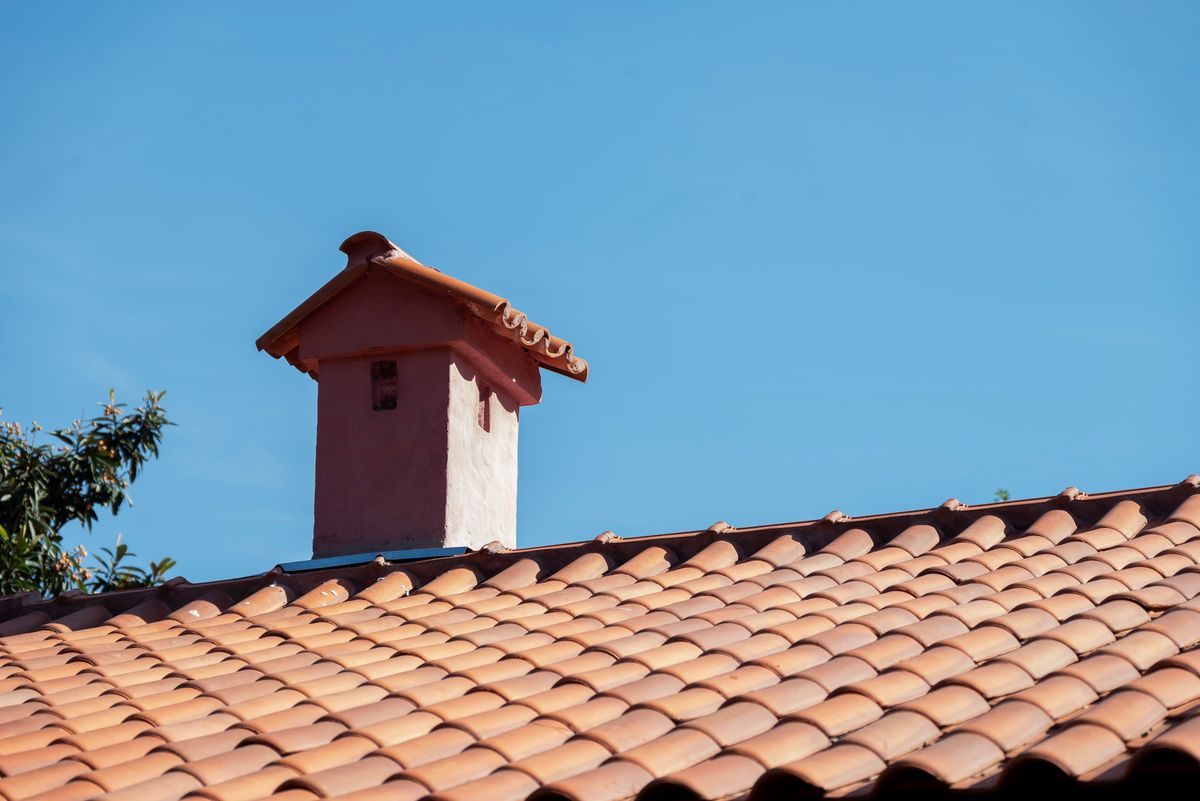
Flashing is the weatherproof seal at every point where the roof surface is interrupted. On a typical Chester terrace that means the base of the chimney stack, the abutment where a rear extension meets the main house wall, the valleys between roof slopes, and around any roof windows. Water naturally collects at these junctions, so if the seal fails, that's exactly where it gets in.
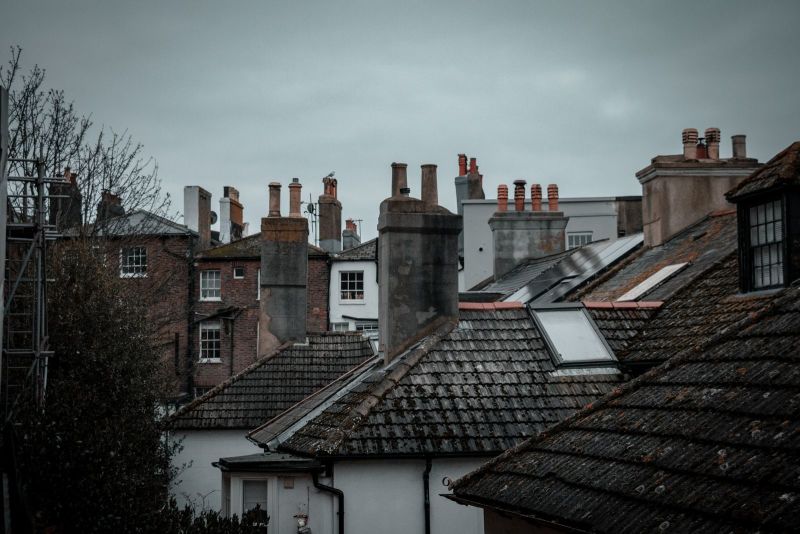
Lead has been the material of choice for centuries because it's malleable enough to be dressed tightly over awkward shapes and it expands and contracts with temperature without cracking. Roughly 70-80% of pre-2000 Chester homes will have lead flashing somewhere on the roof. The trade body for the sector, the National Federation of Roofing Contractors, sets out the standards that a competent installer should be working to, and lead detailing is one of the areas where corners get cut most often.
If you're not sure whether a leak is flashing-related or something bigger, it's worth getting it looked at early - you can check your options with Chester Roofers & Contractors before a small drip turns into a ceiling repair.
The Most Common Ways Lead Flashing Fails
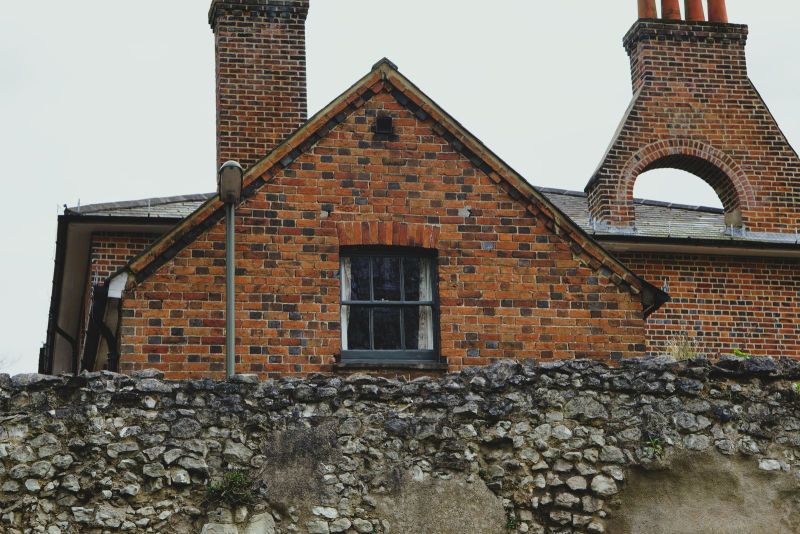
The single biggest cause of failure in Chester isn't the lead itself - it's the mortar that holds it into the wall. Flashing is tucked into a chase cut in the brickwork and pointed over with mortar. That mortar joint typically lasts 20-30 years before it cracks and lets go, while the lead underneath is still fine. On an exposed chimney stack facing Chester's prevailing south-westerly weather, it can fail sooner.

Then there's "fatigue cracking." If flashing is cut too long in a single piece, the daily expansion and contraction has nowhere to go and the lead splits along a stress line. Best practice limits individual lead pieces to about 1.5 metres for this reason. A lot of older Chester roofs have oversized lengths that were fine for decades but eventually cracked.
The third culprit is theft and previous bad repairs. Lead has scrap value, and stripped flashing gets replaced with cheaper materials that don't last. We see a lot of "repairs" done with mortar fillets, flashing tape, or a smear of sealant - all short-term fixes that fail within a few winters.
Why Chester's Climate and Older Buildings Make It Worse
Chester sits in the wetter half of England. The North West averages roughly 900-1,000mm of rainfall annually, well above the drier eastern counties, and the city gets frequent wind-driven rain off the Irish Sea and the Welsh hills. Wind-driven rain is the enemy of flashing because it pushes water upwards and sideways into joints that would shrug off vertical rain.
Freeze-thaw cycles are the other factor. Water gets into a hairline crack in the pointing, freezes overnight, expands, and widens the crack. Chester gets enough frosty nights - typically 40-50 a year - to make this a real, repeating process rather than a one-off.
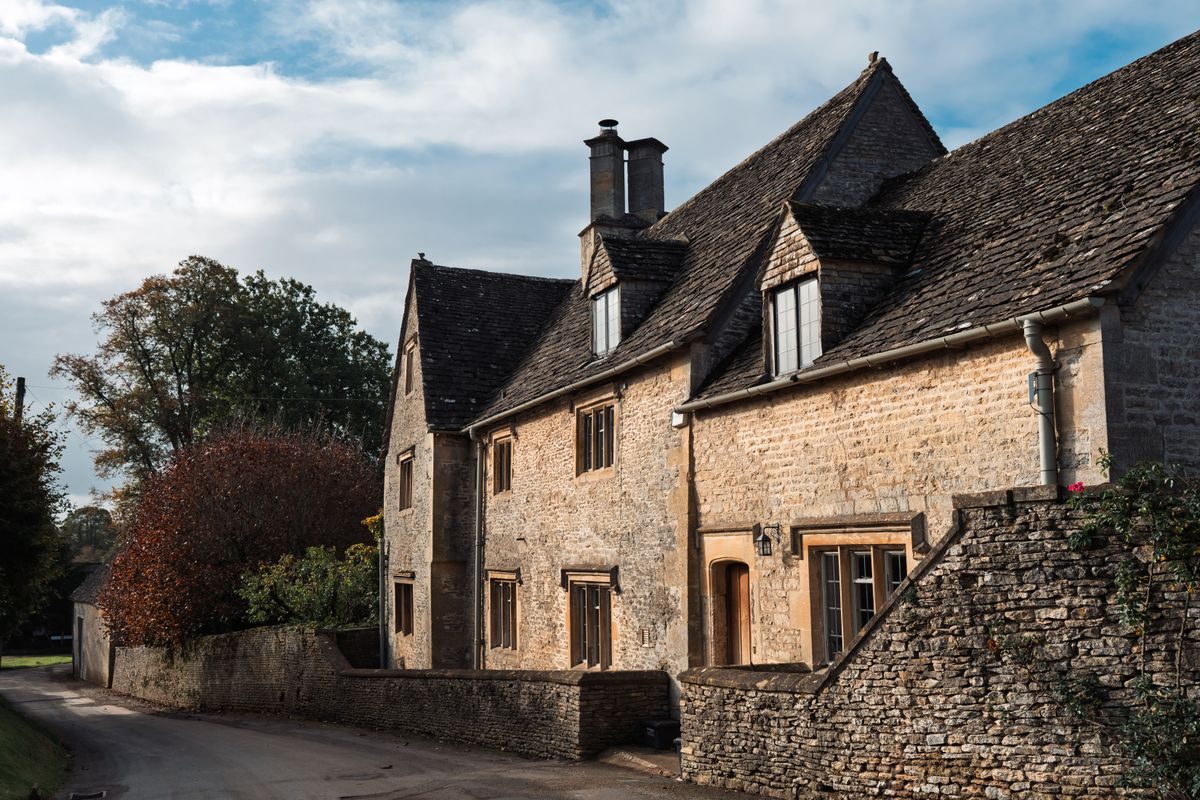
The building stock adds a final layer. Around a third of central Chester falls within a conservation area, and the city has hundreds of listed buildings. On these, you often can't just swap lead for a modern substitute - the detailing has to match, which affects both the method and the cost of a repair.
What Lead Flashing Repairs Cost in Chester
Costs vary with access and the scale of the problem, but here are realistic Chester figures.
Re-pointing existing flashing (mortar renewal): £150 - £350 for a single chimney or abutment, where the lead is sound and only the pointing has failed. This is the most common and cheapest fix.
Replacing a section of failed flashing: £300 - £650 depending on length and access.
Full chimney re-flash (all four sides plus apron and soakers): £450 - £900, more if scaffolding is needed rather than a tower or ladder.
Valley re-lead between two roof slopes: £600 - £1,200, as valleys carry a lot of water and need careful work.
Scaffolding is the big variable. A ground-floor extension abutment might be reachable from a tower for £100-£150, whereas a two-storey terrace chimney can add £300-£500 in access costs alone. Always get the access cost itemised separately on a quote.
Lead vs the Cheaper Alternatives
When money's tight, homeowners are sometimes offered flashing tape or self-adhesive "flashband" instead of proper lead. It's a fraction of the price - a roll costs £15-£30 - and it looks fine for a year or two. The problem is longevity. Flashing tape typically starts lifting at the edges within 2-5 years, especially under Chester's UV and rain cycling, whereas correctly installed lead lasts 50-60 years.
There are legitimate modern alternatives worth knowing about. Lead-substitute materials like breathable, reinforced flashing membranes are lighter, don't attract theft, and are accepted on many jobs. They cost less than lead per metre and can be a sensible choice on a standard, non-listed Chester semi.
Where they're not appropriate is on listed buildings and in conservation areas, where matching the original material often matters for consent. If your property is listed, altering the roof detailing can need permission, and the government's guidance on listed building consent is worth reading before any work starts.
How to Avoid Being Overcharged or Under-Repaired
The most common bad outcome in Chester isn't overpaying - it's paying for a repair that doesn't address the real cause. A roofer who smears sealant over cracked pointing has taken your money and left the problem. Within a winter or two you're calling someone else.
Ask for photos of the actual failure before and after. A reputable roofer will happily send you a picture of the cracked mortar joint or split lead so you can see what you're paying for. Around 60% of flashing complaints we hear about come down to a "repair" that was cosmetic rather than structural.
Check credentials too. Using a contractor registered with a government-endorsed scheme like TrustMark's approved trader network gives you recourse if the work isn't up to standard, which a man-with-a-van cash job does not. We've written more about vetting a roofer properly in our Chester roofing contractor checklist, and the same principles apply directly to flashing work.
---
FAQ
Q: How do I know if my Chester roof leak is a flashing problem?
A: Flashing leaks usually show up as damp patches near a chimney breast, at the top of a wall where an extension joins the house, or around a roof window - not in the middle of a room. If the staining is close to one of these junctions, flashing is the likely cause. A roofer can confirm it quickly, and the fix is often just £150 - £350 of re-pointing rather than a major job.
Q: How long should lead flashing last in Chester?
A: The lead itself lasts 50 - 60 years or more. What usually fails first is the mortar pointing holding it into the wall, which lasts 20 - 30 years before cracking. So a flashing "repair" is very often just renewing the pointing, not replacing the lead.
Q: Is flashing tape a good repair for a Chester roof?
A: It's a short-term fix at best. Flashing tape costs £15 - £30 a roll and looks fine initially, but it typically lifts at the edges within 2 - 5 years under Chester's rain and UV. Proper lead or an approved lead-substitute lasts decades longer and is the better value over time.
Q: Can I replace lead flashing on a listed building in Chester?
A: You can repair it, but you often need to match the original material and detailing, and altering it can require listed building consent. Around a third of central Chester is in a conservation area, so check with Cheshire West and Chester Council and use a contractor experienced with heritage properties before starting work.
---
Ready to work with Chester Roofers & Contractors?
Let's connect! We’re here to help.
Send us a message and we’ll be in touch.
Or give us a call today at 01244 740253
Agency Contact Form
More Marketing Tips, Tricks & Tools
Chester Roofers & Contractors