Slate Roofs in Ellesmere Port
Slates sliding down a terrace roof near the ship canal?
Natural Welsh, Spanish and synthetic slate laid, re-slated and repaired across Ellesmere Port.
CALL US HERE - 01244 740253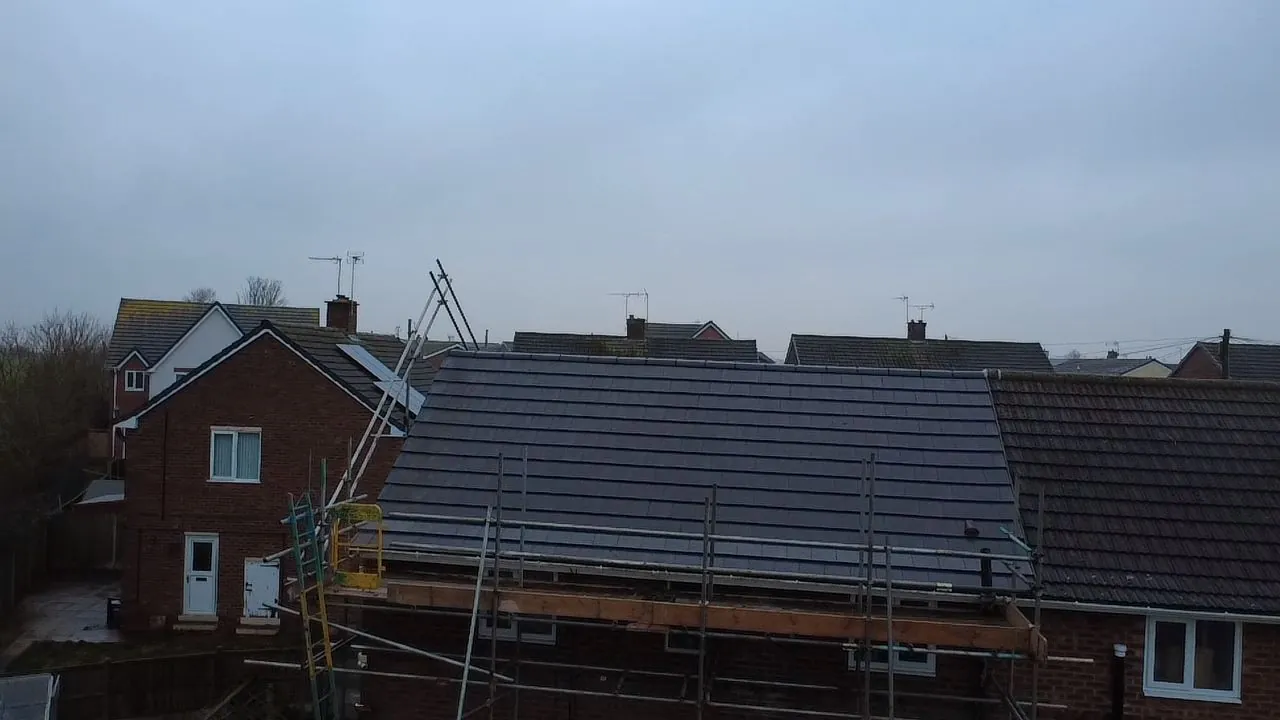
GET A FREE ASSESSMENT
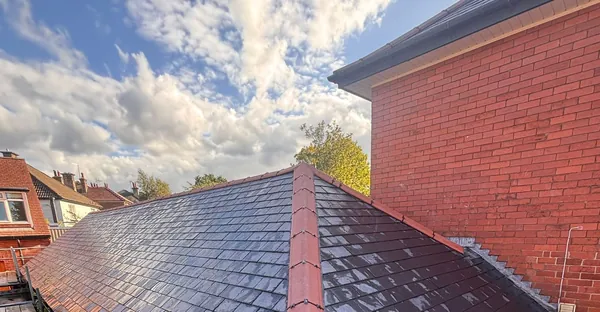
Slate isn't the main roof type in Ellesmere Port. Most of the town is postwar, and postwar here means concrete tiles. The older parts are different, and that's where you'll find slate roofs in Ellesmere Port: the canal-era buildings round the docks, the early 1900s terraces in Westminster, and older houses scattered through Whitby and the Suttons.
On those roofs the slate is usually original or close to it. The slate itself can last a century or more. The nails holding it often don't, and that's where most of our slate work comes from.
We lay natural Welsh, Spanish and synthetic slate, and we take on repairs as well as full re-slates. If the whole roof is beyond saving, our roof replacement page covers the bigger job. Over 25 years in the trade, based in Chester, covering all of Ellesmere Port.
Slate Choices For Ellesmere Port Properties
Natural Welsh slate
The top-end choice and the right one for anything in the docks conservation area, where the council's appraisal describes the roofs as blue-black Welsh slate. Deep colour, very long life, and it weathers in alongside older neighbours instead of looking freshly bought. It's also the most expensive option, and we won't pretend otherwise.
Spanish slate
Natural slate at a lower price. Good Spanish slate is a sensible pick for re-roofing a terrace where you want the real thing but the budget won't stretch to Welsh. Quality varies a lot between quarries, so we're fussy about where ours comes from and we'll show you a sample first.
Synthetic slate
Lighter, uniform and cheaper. It makes sense on extensions, dormers and newer houses where nobody is comparing it with a 19th-century roof next door. On a period street, in our view, it looks wrong and isn't worth the saving. We'd rather say that now than fit it and have you regret it.

1,000+ Roof Repairs
500+ Replacement
Where Slate Fits In Ellesmere Port's Story
The town grew out of the canal port at the Mersey end of the Ellesmere Canal, which opened to Chester in 1795, with Thomas Telford working on the docks in the early 1800s. The council's appraisal of the Docks Basin conservation area describes buildings in local red-brown brick under blue-black Welsh slate, and notes early housing surviving at Porters Row and Lower Mersey Street. Anything in that area should be repaired and re-slated in matching material.
The Westminster terraces near the Manchester Ship Canal date from the early 20th century, when new industry was bringing workers in. Many of their slate roofs are now over a hundred years old, often with patched sections in whatever tile was to hand at the time. Slates slipping in a rough line across a slope are the giveaway that the nails have gone, and more will follow.
How We Re-Slate A Roof
Survey
We go up and check the slates, nails, battens and any lead. We'll tell you whether the slates are worth reusing, which with good Welsh slate they often are, and that can change the price a lot.
Strip and sort
Slates come off carefully and get sorted: sound ones stacked for reuse, damaged ones set aside. Old battens and felt are removed and the rafters checked. You get photos of anything we find before we deal with it.
Re-lay
New membrane and battens go on, then the slate is laid to the correct head lap and fixed with copper or stainless nails, or hooks where they suit. Reclaimed slates are mixed with matching new ones so the finished slope reads evenly.
Leadwork and handover
Ridges, valleys and abutments are finished and the lead is dressed in. The site is cleared, you'll have had photo and video updates along the way, and the work comes with guarantees covering both materials and workmanship.
Why Choose Us For A Slate Roof In Ellesmere Port
- We'll reuse sound slate where we can, instead of binning a hundred-year-old roof for convenience.
- Copper or stainless fixings, so you aren't back here in a few decades with nail fatigue.
- Honest advice on Welsh versus Spanish versus synthetic for your street and budget.
- Experience matching slate on older and conservation-area buildings near the docks and canal.
- Free survey, written options, and photo and video updates through the job.
Slate Roof Prices In Ellesmere Port
Slate roofs usually start at around £5,000 for a semi-detached house and climb to £10,000 or more with size and specification. Welsh slate costs more than Spanish, and synthetic costs less than both. Reusing sound slates brings the material bill down.
Terraces near the town centre and in Westminster tend to have chimneys, rear outriggers and shared valleys, all of which add labour. Front elevations on narrow pavements can need a scaffold licence. Neither is a reason to put it off. It's just why the quote isn't a simple price per square metre.
Slate Roofs in Ellesmere Port: Your Questions
Will I need consent to re-slate a building in the Ellesmere Port docks area?
Re-slating like for like in matching slate usually doesn't need planning permission. For a listed building, anything beyond minor repair needs consent from Cheshire West and Chester Council, and they'll expect matching materials. In the Docks Basin conservation area, changing from slate to something else is worth clearing with the council before any work starts.
Why are the slates slipping on my old terrace when they look fine?
Because the slate usually is fine. It's the nails that have rusted through after a century in damp air. Roofers call it nail fatigue. You'll see slates slipping out of line, often in several places at once. Clips buy time, but the lasting fix is to strip the slope and re-lay it on new fixings.
Can my Ellesmere Port semi go from concrete tiles to slate?
Often, yes. Natural slate is usually lighter than interlocking concrete tiles, so weight is rarely the problem. Slate does have its own minimum pitch and lap requirements, so we measure your roof before anyone falls in love with a sample. It's a big change to the look of a postwar house, which is worth thinking about.
Do you reuse old slates?
Whenever they're sound. Good Welsh slate that has done a hundred years will often do plenty more, and reusing it keeps the roof looking right. We sort every slate as it comes off and make up any shortfall with matching new or reclaimed slate.
How can I tell if my roof is Welsh slate?
Welsh slate tends to be a deep blue-grey or purple-grey, fairly even in tone, and gives a clear ring when tapped. Cheaper imported slates can show rust marks or flake at the edges. Honestly, the quickest way is to let us look. We can usually tell from the roof, and the survey is free.
What To Do In Ellesmere Port
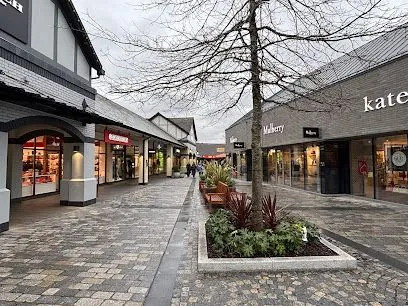
Designer Outlet Cheshire Oaks
Learn More about Designer Outlet Cheshire Oaks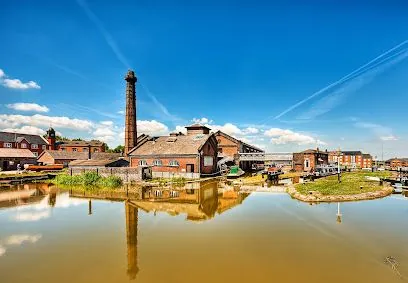
National Waterways Museum
Learn More about National Waterways Museum
Blue Planet Aquarium
Learn More about Blue Planet AquariumSlate Roofs Elsewhere In Cheshire And North Wales
- Chester
- Wrexham
- Bromborough
- Ellesmere Port