Slate Roofs in Crewe
Has the slate on your railway-era terrace seen better days?
Natural Welsh slate, Spanish slate and synthetic slate laid and repaired in Crewe
CALL US HERE - 01244 740253
GET A FREE ASSESSMENT
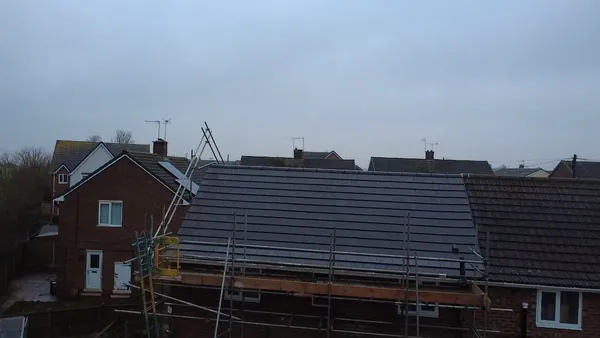
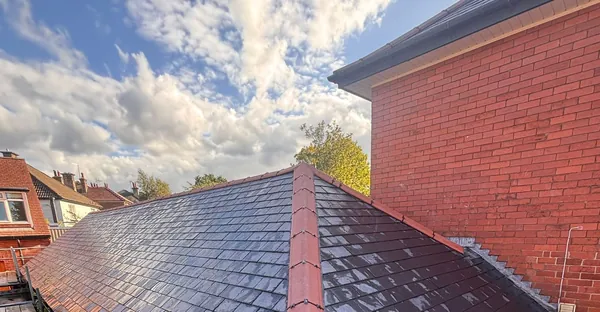
Crewe is a slate town at heart. When the Grand Junction Railway built homes for its workers in the 1840s, the roofs went on in slate, and the listed terraces on Betley, Dorfold and Tollitt Streets still have slate roofs today. If you're looking into slate roofs in Crewe, there's a fair chance your house dates from that period or the decades straight after it.
Slate is the long game. A well-laid slate roof should give you at least 75 years and often 150 or more, so the higher price looks better the longer you stay. We install, replace and repair natural Welsh, Spanish and synthetic slate.
Here's how the options compare on cost and life expectancy, and what the job involves on an older Crewe house. For roofing help across the rest of the town, see our Crewe roofers page.
Choosing a slate for a Crewe roof
Natural Welsh slate
The top of the range, and the one we reach for first when matching an old roof. It's the dearest option, but it's also the one that will still be up there when your grandchildren sell the house. For a listed building, or if you want the terrace to look as it was built, Welsh slate is usually where we'd start the conversation.
Spanish slate
Natural slate at a lower price per square metre. Quality varies between quarries, so we're choosy about what we buy. It suits a full re-slate on an unlisted terrace where you want real slate without paying Welsh prices. Colour and texture differ a little from old Welsh slate, which matters more on a front elevation than round the back.
Synthetic slate
Made to look like slate, lighter than the real thing and very regular in size and colour. It's the budget route and suits extensions, new builds and garages where matching weathered Victorian slate isn't the point. Don't expect the century-plus life of natural slate, but for a roof you don't want to think about for a good few decades, it does the job.

1,000+ Roof Repairs
500+ Replacement
Looking after Crewe's Victorian slate
Victorian slate roofs like those around the town centre were usually laid on timber battens with nothing much underneath, and fixed with iron nails. Well over a century later the slates themselves are often still sound. The trouble is the nails rusting through, which lets slates slide, and battens that have gone soft. That's why we often suggest stripping and relaying rather than buying all new slate: the good slates go back on with new fixings over a breathable membrane, and only the broken ones are replaced.
Some of the town's earliest railway cottages are listed, including the Cunningham-designed terraces of around 1848. Roof work on those needs care over materials and detailing, and listed building consent may be needed before anything starts. On an unlisted house that isn't in a conservation area you're generally free to choose, but a terrace where one house has gone over to concrete tiles always looks a bit odd, and slate is often the better long-term buy anyway.
How we re-slate a roof
Inspect and sample
We get up on the roof, check the slates, battens and timbers, and work out how much of the existing slate can be saved. You'll see photos of what we found, and we note the slate size and colour so any new material matches.
Price the routes
You'll get a written and verbal estimate. Typically we'll price relaying your own slate with top-ups, a full new roof in Spanish slate and a full one in Welsh, so you can see the gap in cost and in lifespan.
Strip and relay
Slates are stripped carefully and stacked by size. New membrane and treated battens go on, any rotten timber is replaced, and the slates are relaid with new nails or hooks. The roof is kept weathertight overnight throughout the job.
Finish the details
Ridges, hips, valleys and lead flashings are completed to suit the slate. Once the scaffold is down and the site is clear, you'll get a final set of photos and footage of the finished roof. Both the slate we supply and the work itself are guaranteed.
Why choose us for slate work in Crewe
- We save and reuse sound Victorian slate where it makes sense, which can cut the material cost noticeably.
- Welsh, Spanish or synthetic slate sourced to suit the house and the budget, not just what's in stock.
- More than 25 years of roofing behind us, with a good deal of it spent on old slate.
- Ridges, valleys and flashings detailed properly for slate, not bodged with a smear of mortar.
- Quotes that set out the trade-off between price and expected lifespan in plain figures.
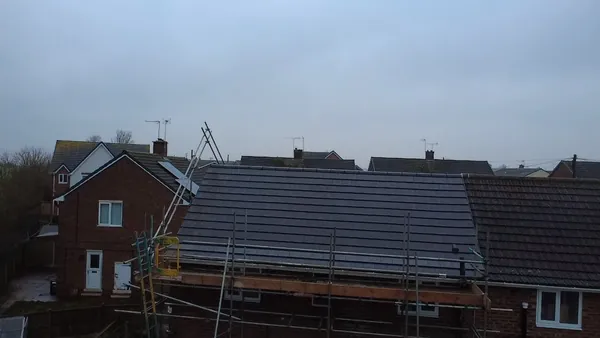
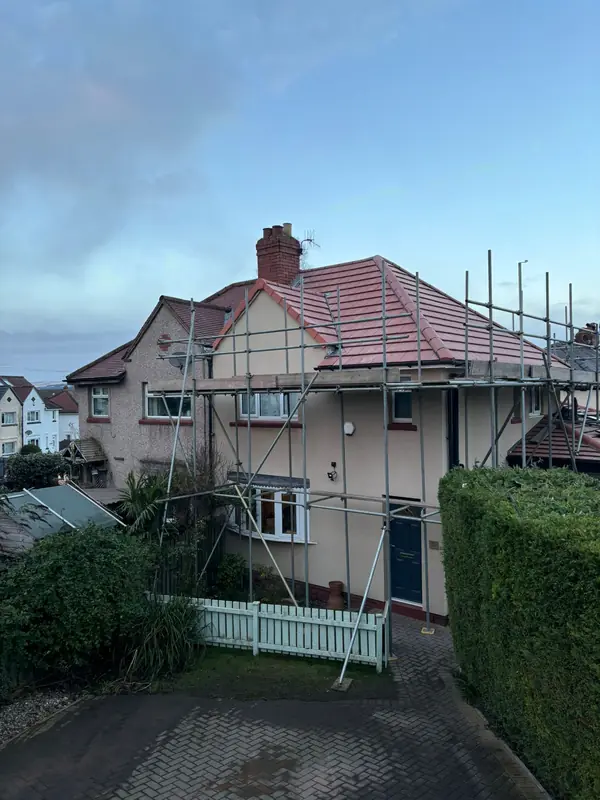
What does a slate roof cost in Crewe?
Slate roofs typically start from about £5,000 on a semi-detached house and go to £10,000 or more depending on size and specification. Natural Welsh slate sits at the top of that, Spanish in the middle and synthetic towards the bottom. Reusing your existing slate where it's sound can pull the material cost down.
Do the sums on lifespan, though. Say a re-slate in Spanish slate costs a couple of thousand more than concrete tiles on a terraced house. If the slate lasts decades longer, its yearly cost can end up the lower of the two. On Crewe's terraces, stacks on the party walls and the joins with next door's roof add detailing time, and a front elevation straight onto the pavement may need a scaffold licence.
Slate Roofs in Crewe: Your Questions
Do I need consent from Cheshire East Council to re-slate?
Re-slating an unlisted house in matching slate doesn't normally need planning permission. If the house is listed, which covers some of Crewe's earliest railway terraces, talk to Cheshire East Council about listed building consent first. The Crewe Green conservation area is another place to check before changing the look of a roof. Replacing more than a quarter of any roof also brings in Building Regulations.
Can the original slates on my Victorian terrace be reused?
Often a good share of them can. We check each one as it comes off, tapping it and looking for flaking and nail holes that have worn into slots. The sound ones go back on, normally on the front slope, and new or reclaimed slate makes up the rest. You keep the character and save money.
Is Welsh slate worth the extra money on a Crewe house?
If the house is listed, it's usually expected. If you plan to stay a long time, it's often the best value per year of roof life. If you're likely to sell in a few years, Spanish slate gets you real slate for less. We'll price both so you can see the difference in black and white.
Can I swap concrete tiles for slate?
Yes. Natural slate is generally lighter than concrete tile, so the roof timbers usually cope without strengthening, though we still check the battens and rafters at the survey. Something to consider if you'd like an older house to look closer to how it was originally roofed.
What are the signs a slate roof needs work?
Slates in the gutter or sitting out of line, white streaks below a slate where water runs, daylight showing from the loft, or damp patches on upstairs ceilings after rain. Moss isn't always a problem on its own, but heavy growth can lift slate edges. A free assessment will tell you whether it's a repair or a relay, and smaller fixes are covered on our roof repairs in Crewe page.
What To Do In Crewe
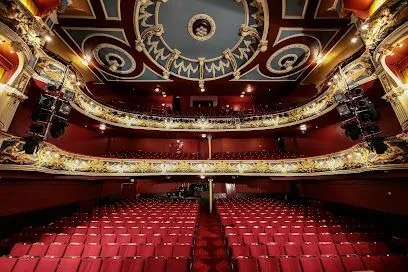
Lyceum Theatre
Learn More about Lyceum Theatre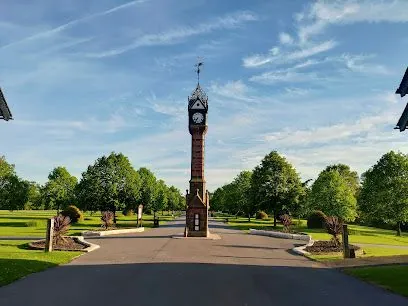
Queens Park
Learn More about Queens Park