Rubber Roofs in Deeside
Fed up with re-felting the garage every few winters?
Single-ply rubber flat roofing for Deeside houses, garages, porches and back extensions.
CALL US HERE - 01244 740253
GET A FREE ASSESSMENT
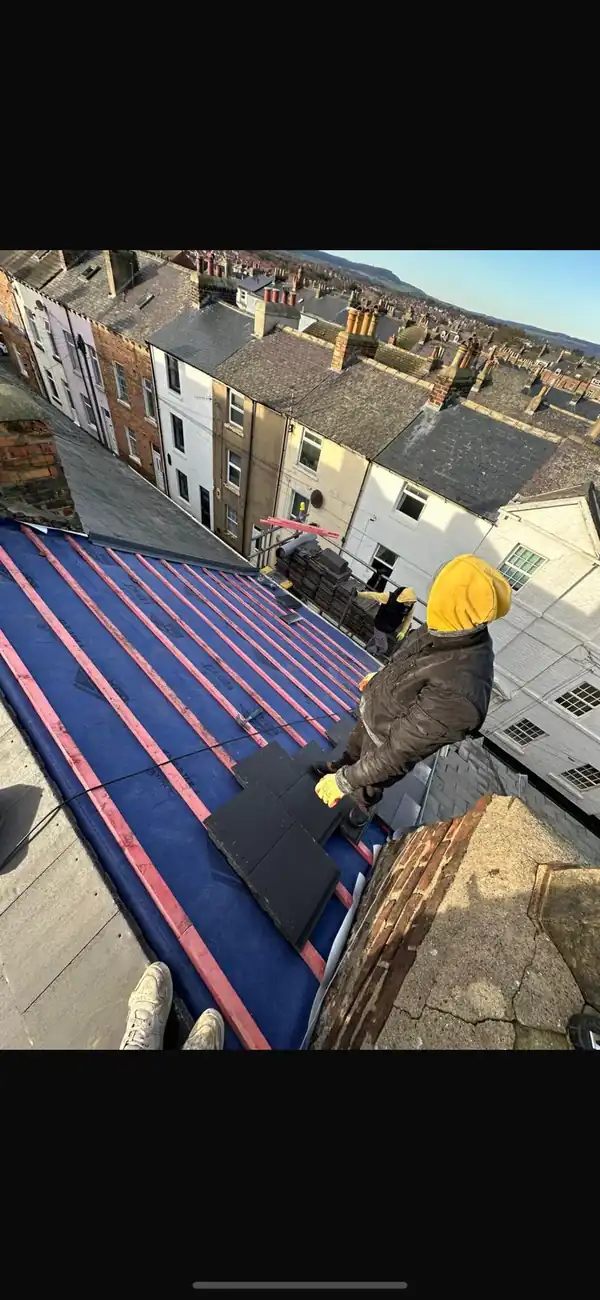
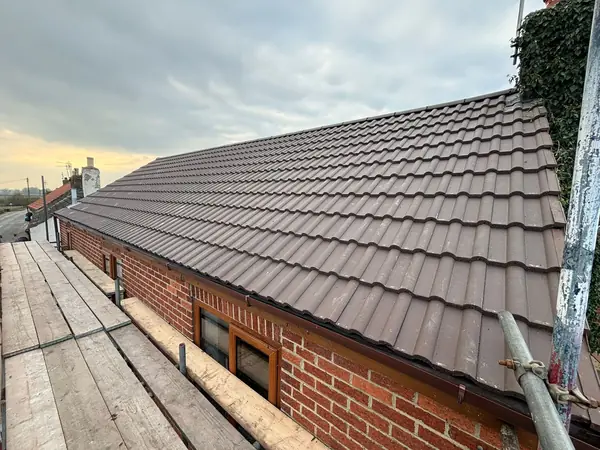
Rubber roofs in Deeside earn their keep on the small flat roofs that take a battering and get forgotten. The garage at the bottom of the garden. The porch over the front door. The back kitchen that sits under a downpipe and stays wet half the year.
A rubber membrane goes on as one sheet, glued to a clean deck and turned up the walls. With no joins across the middle, wind-driven rain has very little to work at. We fit rubber roofs on homes, extensions and garages, usually with a basic and a higher-spec option so you can pick by budget.
Rubber and EPDM are close cousins, and our EPDM roofs in Deeside page goes into the membrane in more depth. Head to the Deeside roofing page for everything else we cover locally.
Where A Rubber Roof Works Well In Deeside
Garages and outbuildings
Many Deeside estates have rows of flat-roofed garages, often under tired single-layer felt. Switching to rubber ends the seasonal patching. The membrane is light, so it doesn't overload an old garage roof, and it copes with frost and summer heat without cracking. On most garages a basic system is all that's needed.
Dormers and porches
Dormers catch the wind side-on, and porches catch whatever the gutter above throws at them. Rubber can be folded around tight corners and up against brick or tile hanging with very few cuts. Edges get proper drip trims so water falls into the gutter instead of running back underneath and rotting the fascia.
Rear extensions
Single-storey extensions are where a higher-spec rubber system pays its way. Paired with new insulation, it can make the room below noticeably warmer, and a good system can last 40 years or more. It's also the sensible moment to add a roof light, while the deck is open and the opening can be framed properly.

1,000+ Roofing Projects
Friendly & Reliable Team
Why Rubber Suits Deeside's Wet, Windy Weather
Deeside's weather is more about persistence than drama. Rain blows in off the estuary on a westerly and keeps coming, and low-lying spots around Sandycroft and Queensferry stay damp long after. Felt hates that. Water gets into a blister or lap, freezes on a cold night, and the crack grows. Rubber has no laps across the main area and flexes instead of cracking, so a wet winter does it far less harm.
Wind uplift is the other thing to plan for on open ground. A rubber roof is only as good as its bond and its edges. We fully adhere the sheet to the deck and fix the perimeter trims mechanically, so there's no loose lip at the edge for a gust to grab. Done like that, it stays put in a gale.
Fitting A Rubber Roof, Step By Step
Look and quote
A roofer checks the roof, the deck and the gutters, then gives you a written and verbal quote. There's usually a basic and a higher-spec option, so you can choose on price and expected life.
Prepare the deck
We lift the old covering and check the deck underneath for soft spots. Rotten boards are replaced and the surface is cleaned and left to dry, because rubber adhesive needs a clean, dry face to grip properly.
Lay and bond
The membrane is rolled out and left to relax for a while, then bonded down. It's turned up the walls and finished around outlets and any roof lights, with corners folded neatly instead of patched.
Trims and handover
Edge trims and drips go on, the gutter is checked to take the flow, and the area is cleaned up. You get photos along the way, and the job is covered by guarantees on materials and workmanship.
Benefits Of A Rubber Roof In Deeside
- Laid as one sheet on most small roofs, leaving no joins for driving rain to prise open.
- Stays flexible through frost, which suits garages and porches that never warm through in winter.
- Resists moss and algae, a real bonus on damp, shaded roofs near the estuary.
- Light enough for older garage and porch roofs that were never built to carry much weight.
- Basic and higher-spec systems quoted side by side, with guarantees on whichever you choose.
What A Rubber Roof Costs In Deeside
A basic rubber roof generally costs between £1,500 and £3,000 and should last around 30 years. Higher-spec systems start from about £3,000, and you can expect 40 years or more from one. Size comes first, then the condition of the deck, any insulation you add and how many walls, outlets and roof lights need detailing.
In Deeside, the age of the deck often decides where you land. Garages and extensions from the 1970s and earlier may have chipboard decks that have soaked up years of leaks and need replacing. A sound deck means a cheaper job. We check it at the survey wherever we can, so the quote reflects what's really there.
Rubber Roofs in Deeside: Your Questions
Is planning permission needed for a rubber roof in Deeside?
Re-covering an existing flat roof in rubber doesn't normally need it. Turning the roof into a balcony or terrace usually does, and so does a new extension that goes beyond permitted development limits, in both cases through Flintshire County Council. If the building is listed, check with the council before even a straight re-cover.
Will a rubber roof cope with standing water?
Better than felt. Rubber doesn't rot or delaminate when water sits on it. Ponding still traps dirt and loads the deck, though, and in a place as wet as Deeside it may never fully dry out. When we re-cover a roof we'd always build a fall in so water drains to the gutter.
Can you fit a rubber roof on a garage in Connah's Quay or Shotton?
Yes. Garages are where rubber roofs get fitted more than anywhere, and Connah's Quay and Shotton are well within our patch from Chester. The survey is free, we'll check the deck, and you'll get a basic and a higher-spec price to compare.
What's the difference between rubber and EPDM?
EPDM is the most widely used type of rubber roofing membrane, so the two names often get used for the same thing. Rubber roof is the broad label and EPDM is the specific material. Other single-ply membranes exist too, and we'll tell you exactly which product we're quoting and why.
Can a damaged rubber roof be repaired?
Yes. A puncture from a dropped tool or a falling branch gets cleaned up and covered with a rubber patch bonded over the hole. It's a quick, tidy fix if you catch it early. A lifted edge is more urgent, because wind gets under it, so it's worth a look after a big storm.
What To Do In Deeside
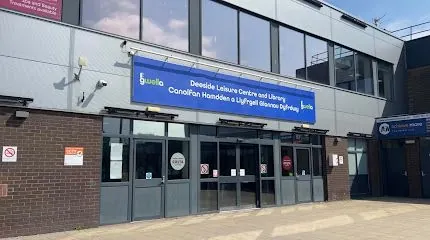
Deeside Leisure Centre and Ice Rink
Learn More about Deeside Leisure Centre and Ice Rink
Wepre Park
Learn More about Wepre Park