Rubber Roofs in Crewe
Fed up with re-felting the garage every few years?
Rubber flat roofing for Crewe extensions, garages, porches and dormers
CALL US HERE - 01244 740253
GET A FREE ASSESSMENT
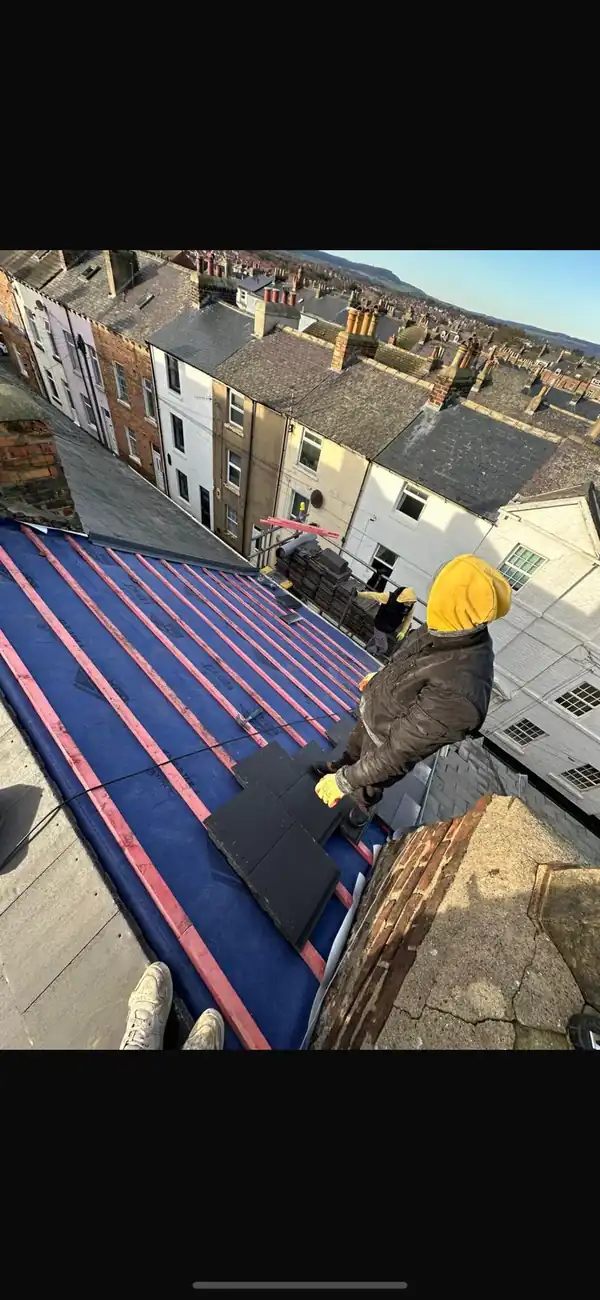
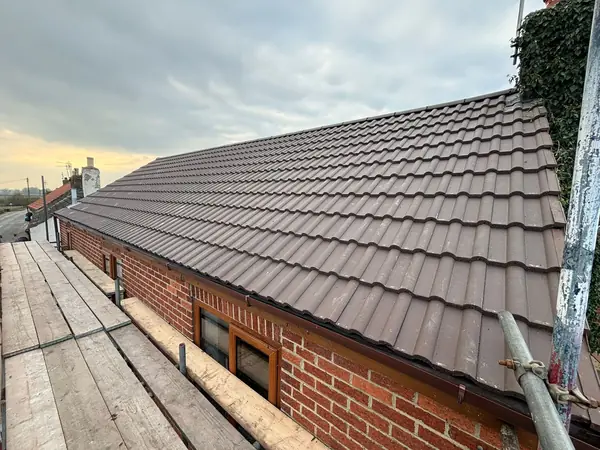
Rubber roofs in Crewe make most sense when you're tired of maintaining a flat roof. Felt has its uses, but rubber tends to win once you look at cost over time. A basic rubber roof typically costs £1,500 to £3,000 and lasts around 30 years. A higher-spec system starts at about £3,000 and should give you 40 years or more.
Take a single garage. Say the basic rubber option comes to £2,000 and lasts 30 years: that's under £70 a year. If a cheap felt roof on the same garage needs redoing two or three times over that period, the felt ends up dearer. That's the conversation we have with most people who ring about a flat roof.
Below are the rubber options we fit, how the job runs and what it's likely to cost on a typical Crewe house. Our Crewe roofing services page lists everything else we do in the area.
Rubber roofing options for Crewe homes
Standard rubber membrane
A single-ply rubber sheet bonded to the deck, with trims at the edges. It's the entry-level option and covers the bulk of domestic jobs: garages, small extensions and porches. It stretches and recovers as the temperature changes, without cracking, which matters on a roof that can go from frost to sunshine in a day. Expect around 30 years from it.
Higher-spec rubber
A thicker membrane, better adhesives and trims, and more time spent on upstands and outlets. It costs from around £3,000 but should last 40 years or longer. Worth it on a bigger kitchen or living room extension, where redoing the roof means disruption inside the house as well as out.
Rubber with insulation
If you're re-covering a flat roof over a heated room, adding insulation at the same time is usually required under Building Regulations, and it makes the room noticeably warmer. We lay insulation boards over the deck and the rubber over the top. On older extensions built with little or nothing in the roof, this is where you'll feel the difference in January.

1,000+ Roofing Projects
Friendly & Reliable Team
Rubber roofing and Crewe's weather
Crewe sits low on the Cheshire plain, and winter brings plenty of frosty nights followed by bright, cold days. That daily swing is hard on materials that can't stretch. Old felt cracks and mortar fillets crumble; rubber just moves with it. The other local factor is wind. With almost no high ground around the town, a strong westerly can get under a poorly fixed edge and peel a membrane back, so we put real effort into the perimeter trims.
Typical candidates in Crewe are the back extensions on older terraces and the garages beside postwar semis. On dormers and larger extensions on newer homes around Leighton or Coppenhall, the details are mostly about outlets and where the roof meets the wall. If you'd like to compare the EPDM version in more depth, our EPDM roofs in Crewe page goes into it.
How we fit a rubber roof
Look and measure
We check the deck, feel for soft patches and note where the roof meets walls, windows and the main roof. Measurements and photos go into a written quote, usually with a standard and a higher-spec option priced next to each other.
Strip and prepare
The old covering is removed and any rotten boards are replaced. If insulation is going in, it's fitted now, and we correct the fall if water has been ponding. A clean, dry, smooth deck matters, because rubber shows every bump underneath it.
Bond and trim
The membrane is rolled out in as few pieces as the roof allows and bonded down. Upstands are taken up the walls, edge trims fixed and outlets sealed into the membrane. Any joins are made with the system's own primers and tapes.
Final checks
We go over the edges and outlets, tidy up and share a last batch of photos and footage. The roof comes with guarantees on materials and workmanship, and afterwards there's little to do beyond keeping the gutters and outlets clear.
Why go rubber with us in Crewe
- Basic and higher-spec systems priced side by side, so you can compare the cost per year of life.
- Perimeter trims fixed for an open, exposed setting where wind finds any loose edge.
- Insulation added where needed, so the room below ends up warmer as well as drier.
- Decks repaired and falls corrected before a single sheet of membrane goes down.
- A free assessment with a written and verbal estimate before you commit to anything.
Rubber roof costs in Crewe
Basic rubber roofs generally cost between £1,500 and £3,000 and last around 30 years. Higher-spec systems start from about £3,000 and should last 40 years or more. Roof size is the main driver, followed by the state of the deck, whether insulation is going in and how many upstands, rooflights or outlets need detailing.
On the older terraces nearer the town centre, a back extension roof is often small but awkward: a tight yard, a neighbour's wall on one side and materials carried through the house. That's labour rather than material, and it's in the quote. Garage roofs on the semis further out are usually quicker, because there's room to work and nothing to step around.
Rubber Roofs in Crewe: Your Questions
Do I need Cheshire East Council's approval for a rubber roof?
Swapping felt for rubber on an existing flat roof doesn't usually need planning permission. Building Regulations come in once over a quarter of the roof area is being renewed, mainly to make sure it's insulated properly, and we deal with that side. If the property is listed, or in the Crewe Green conservation area and the change will be visible, check with Cheshire East Council first.
Will a rubber roof cope with a hard frost?
Yes. Rubber stays flexible well below freezing, so it doesn't crack the way old felt can after a cold snap. The weak spot on any flat roof in winter is a blocked outlet: if water can't drain and then freezes, it strains the edges. Keep the outlets clear and the membrane will be fine.
How long does a rubber roof take to fit in Crewe?
A garage or small extension is usually done in a day or two, weather permitting. Larger roofs, or ones needing new decking and insulation, take longer. We won't lay in the rain because the adhesive needs a dry deck, so in a wet spell we'd rather move the date than rush it.
Can I walk on a rubber roof?
Now and then for maintenance, yes, but it isn't meant to be a terrace. If you'll be stepping out onto it regularly, we'd either add walkway pads or suggest GRP instead, which takes foot traffic better. Tell us how you use the roof and we'll recommend accordingly.
Is rubber roofing the same thing as EPDM?
EPDM is by far the most common kind of rubber roofing, so people use the two names interchangeably. Other rubber-based membranes exist, but for most homes we'd be fitting EPDM either way. What matters more is the grade of membrane and how carefully the edges and outlets are finished.
What To Do In Crewe
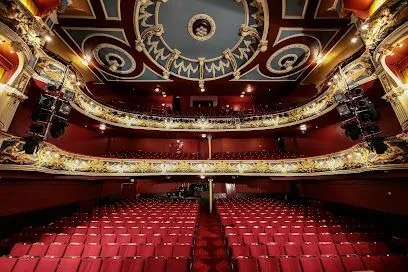
Lyceum Theatre
Learn More about Lyceum Theatre
Queens Park
Learn More about Queens Park